Coastal Carpet Pythons
Morelia spilota mcdowelli
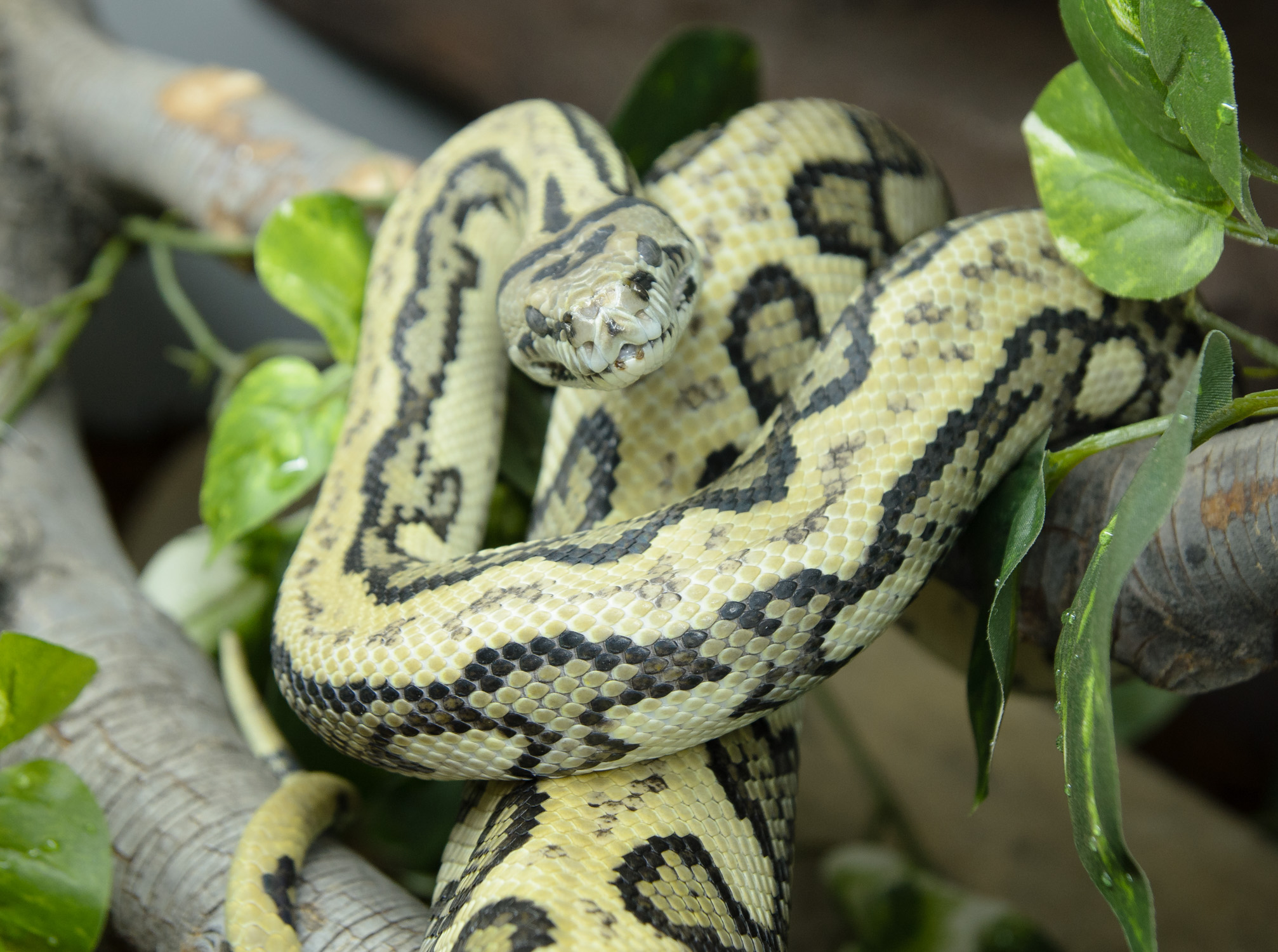
Are Coastal Carpets the Same as Jungle Carpets?
“A jungle carpet and a northern coastal carpet are the same thing” - Ryan Young The Expert and the Idiot Podcast
Coastal carpet pythons come from Queensland in the northeast of Australia. DNA research by Ciavaglia et al., 2014 has found that coastal carpet pythons share identical DNA with what the reptile hobby in the US calls the jungle carpet python. The study identified a major dividing line south of Cooktown known as the Black Mountain Corridor. The carpet pythons found in the range south of Cooktown down to Bundaberg form a single, related genetic unit. So while the US hobby has long differentiated coastal carpet pythons from jungle carpet pythons, they are in fact the same species of snake. The only difference being that the appearance of the jungle form has evolved to match the jungle locations they are known to be found in. I am keeping my information on coastal carpets and jungle carpets separate until there is more widespread acceptance of these recent findings.
References:
- Ciavaglia, S. A., Donnellan, S. C., Henry, J. M., & Linacre, A. M. T. (2014).Species identification of protected carpet pythons suitable for degraded forensic samples. (Forensic Science, Medicine and Pathology, 10, 295–305.)
- Ciavaglia, S. A., Tobe, S. S., Donnellan, S. C., Henry, J. M., & Linacre, A. M. T. (2015). Molecular identification of python species: Development and validation of a novel assay for forensic investigations. (Forensic Science International: Genetics, 16, 64–70.)
Coastal Carpet pythons can be beautiful in their own right but I went for one with the Jaguar trait because the look they have is next-level. I will address the "wobble" concerns that coastal carpets are known for by stating that my Jag Coastal will roam around her cage without any signs of wobbling unless she starts poking her head upward and noses around near the ceiling. Then she sometimes gets her head upside-down and wobbles as she gets herself righted.
I work from home in the same room where she is and her cage is very visible from my desk and I very rarely see her have problems with her balance. Plus she's easy to handle and stunningly beautiful so I don't have any regrets about having her. In fact, I have bred her several times because other people also want beautiful Jaguar coastals. I am assuming though that if I ever produce one with a severe equilibrium problem I will cull the snake.
Interestingly, in this paper published in 2022, the authors examined ball pythons of the Spider morph and determined that the equilibrium problems they were having were caused by differences in the inner ear structure of the affected snakes. It is widely assumed that Coastal Carpet pythons with the Jaguar trait suffer because of similar conditions.
Husbandry
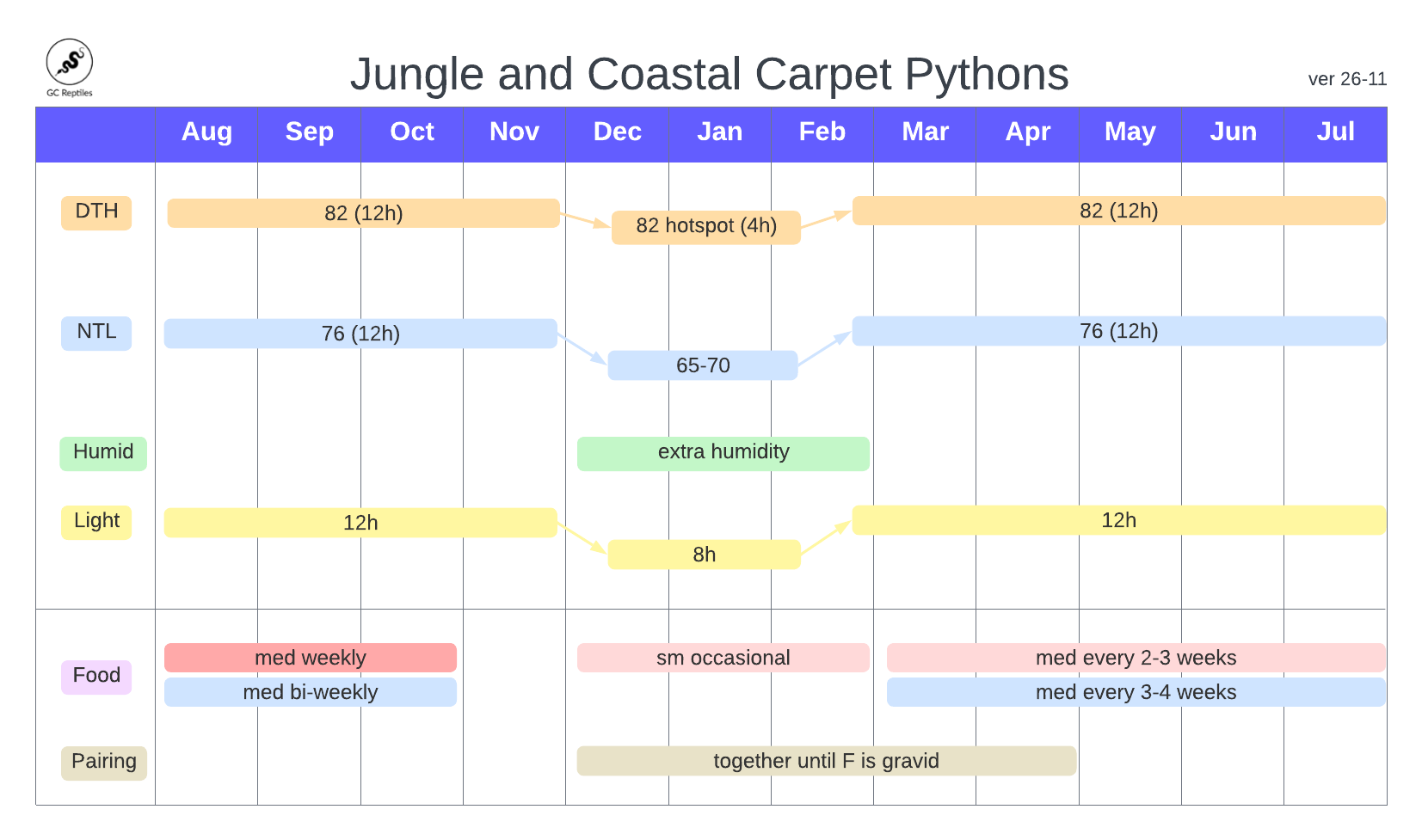
Note that this chart is the same for Jungle carpet and Coastal carpet pythons. See how to read the husbandry charts.
Temperatures, Humidity, and Light
I provide my coastal carpet and jungle carpet pythons with daytime temperatures in the low 80s for most of the year, with a nighttime drop into the mid 70s. During the winter, I drop their nighttime temperatures even lower, but I maintain a hotspot for a few hours during the daytime so that they can warm up. I also give them extra humidity in the wintertime too.
Feeding
Feeding jungles and coastal carpet pythons is similar to other snakes in captivity. All of mine eat frozen-thawed rats, although I did have a male jungle carpet python that insisted on only mice for many years. He eventually switched over to rats though. For most of the year, I feed adult females slightly more often than males, and for the last few months of the summer I increase the feeding for both of them to prepare them for breeding.
Breeding
Breeding them involves following the late-summer feeding increases and the wintertime temperature changes as described above. And because these species breed during the winter, I begin pairing them in December and keep them together (except for feeding) until the female is gravid.
I want to comment on the clutches that my female - Ute - has laid in recent years. I feel like the clutches have been very slug-heavy, meaning many of the eggs have not been fertile. I know this can be caused by problems with the male producing sperm, but I've been wondering about the heating source I've been using for them. I've used the deep-penetrating heat bulbs that have recently been available and what I've noticed is that Ute will wrap herself around the metal shroud that protects the bulb to try and warm up. I've seen her do this when she is gravid. So I'm worried that she wasn't getting enough of a broad range of heat over her whole body when the eggs inside of her were developing. I've now removed the deep-penetrating bulbs and will see if I have more success with traditional ceramic heating elements (CHEs) instead.
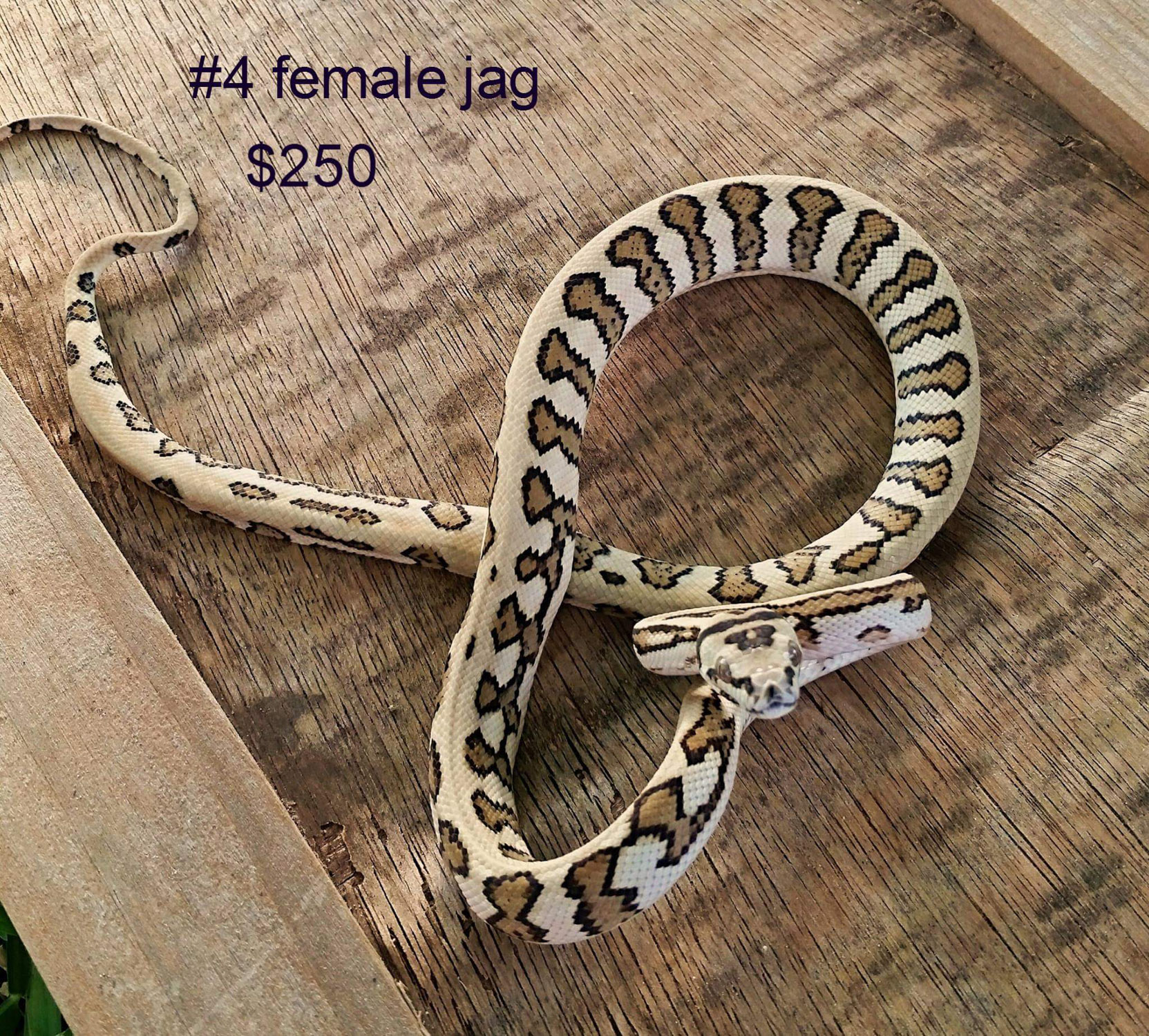 Ute, 2017
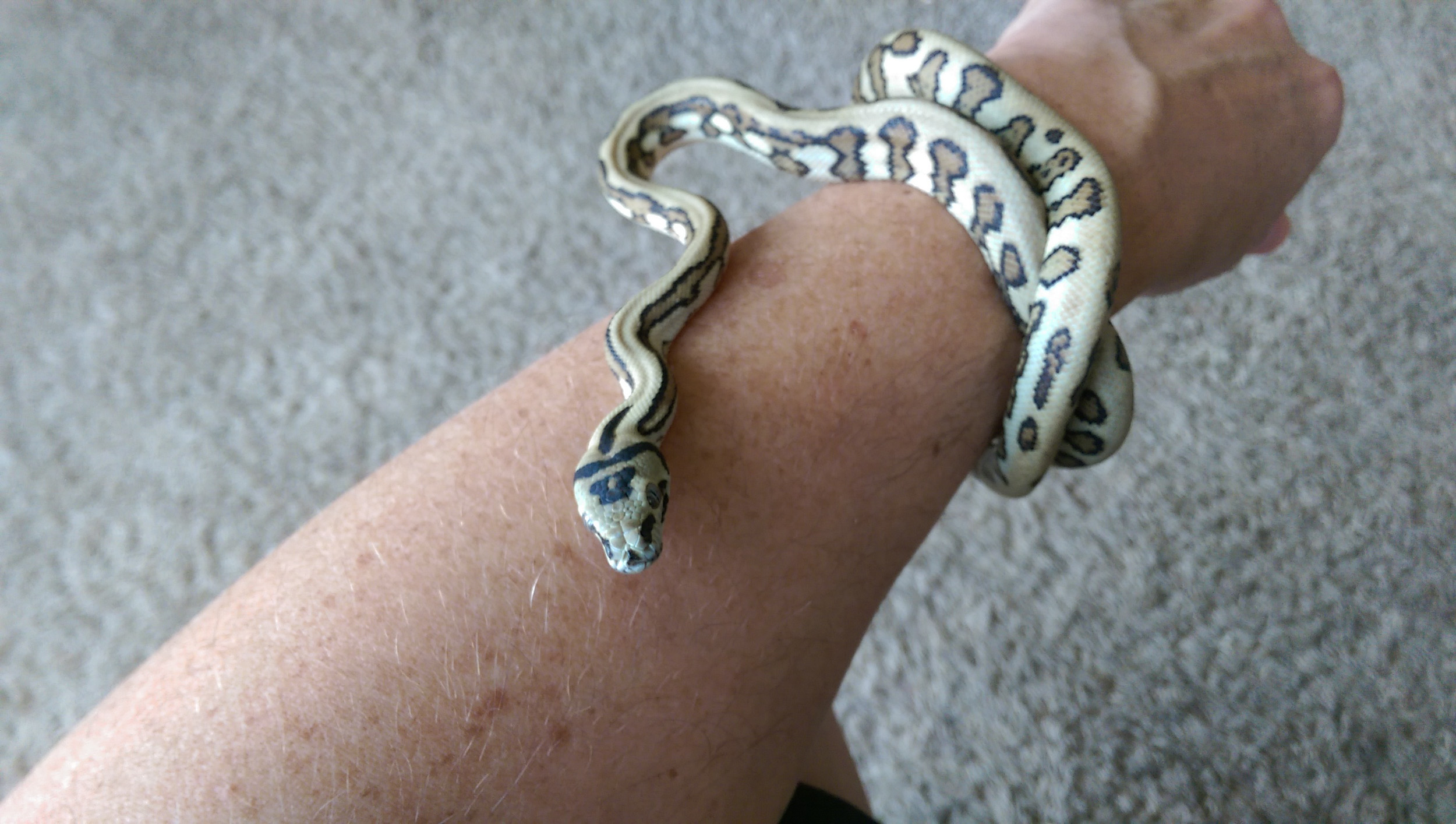 Ute, 2017
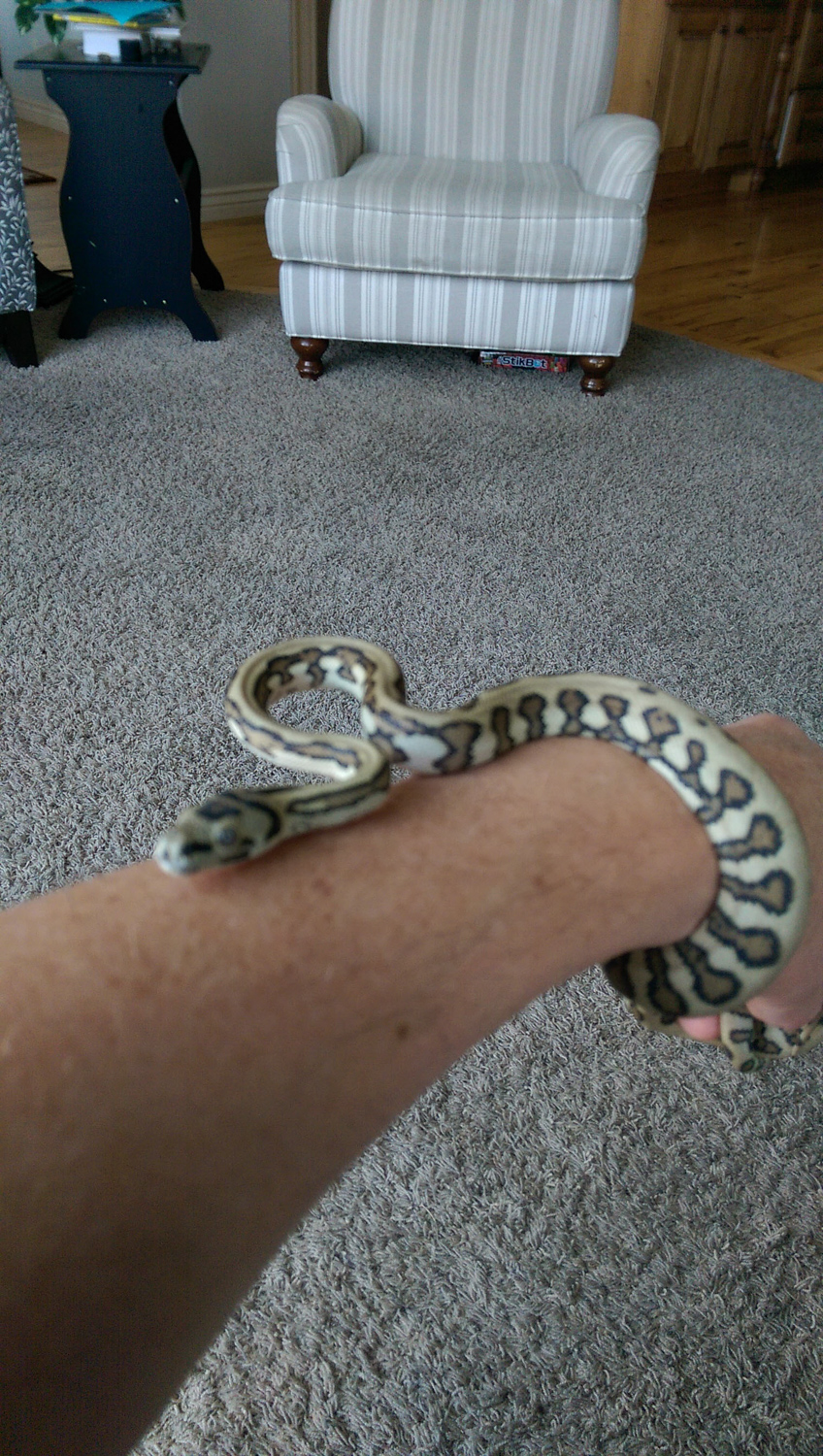 Ute, 2017
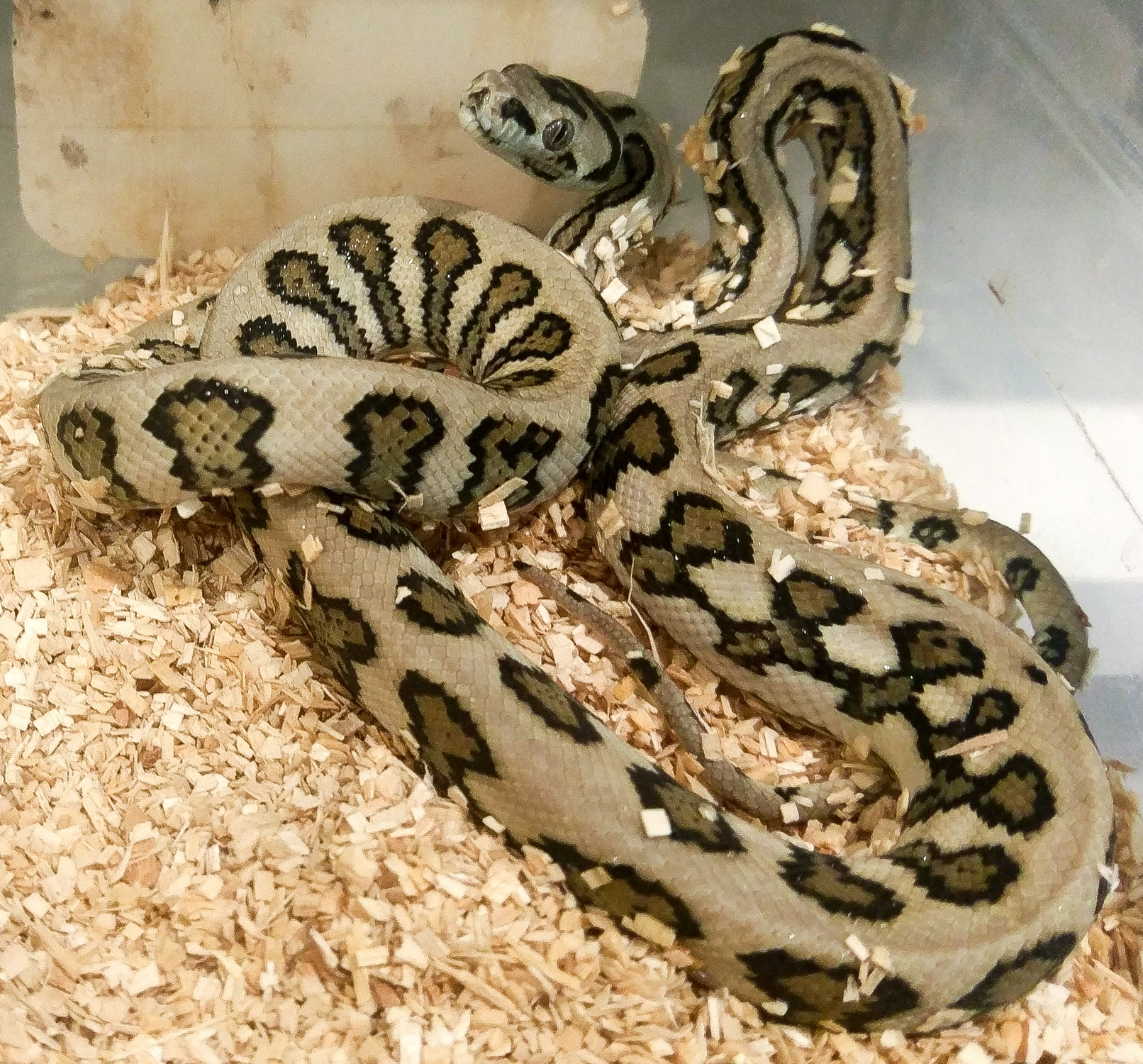 Ute, 2017
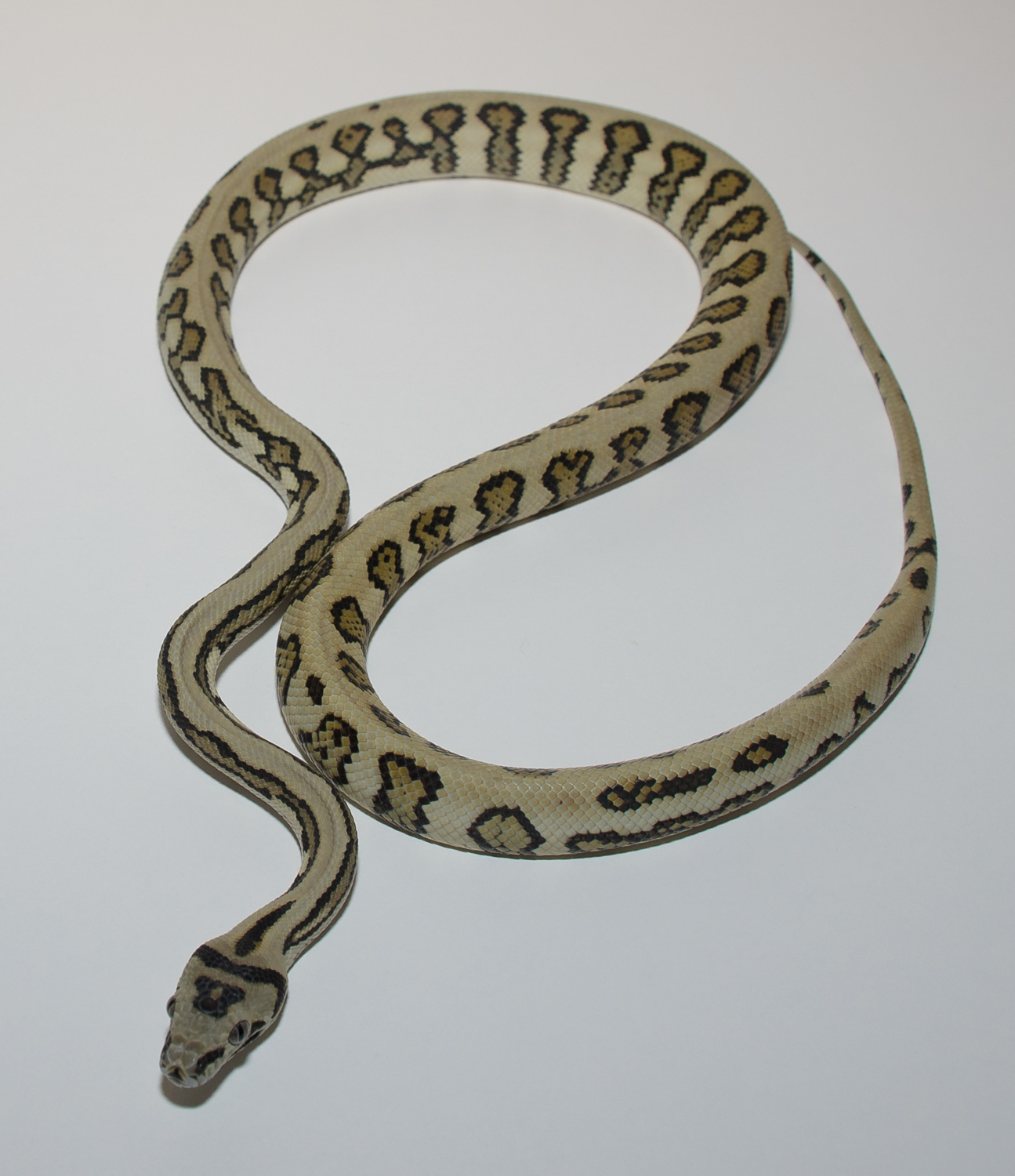 Ute, 2018
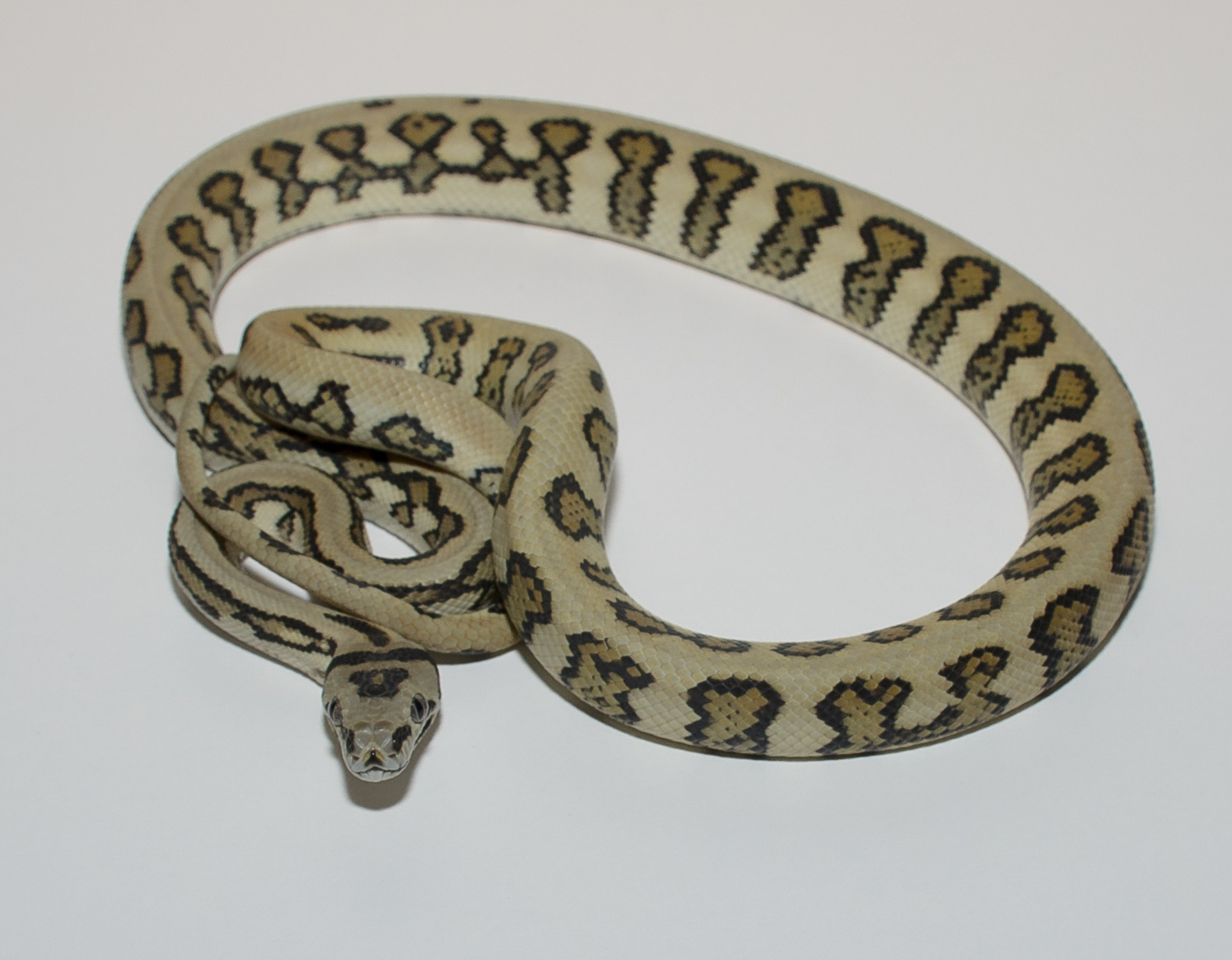 Ute, 2018
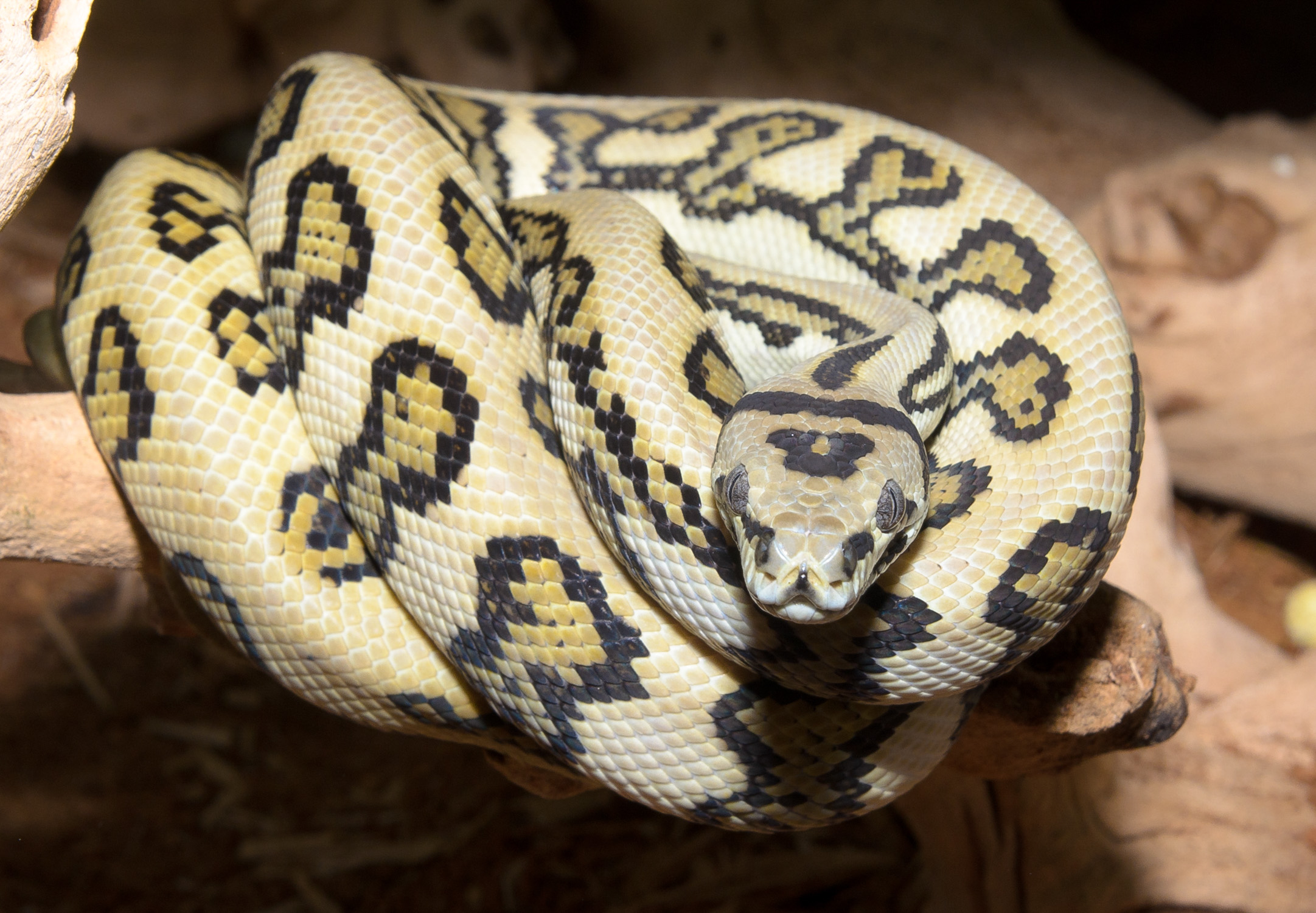 Ute, 2018
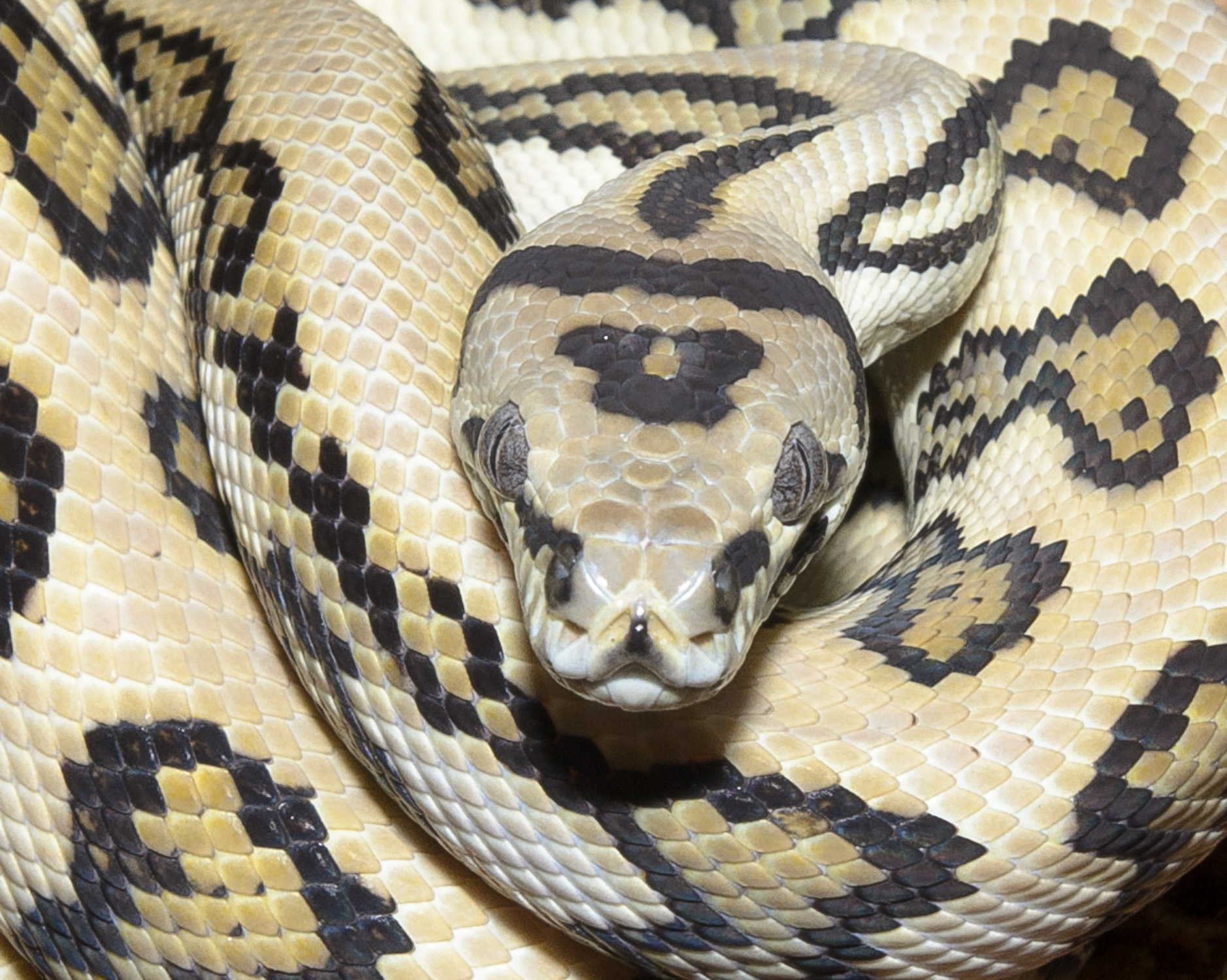 Ute, 2018
 2019, we've never gotten any attitude from her
 Ute, 2019
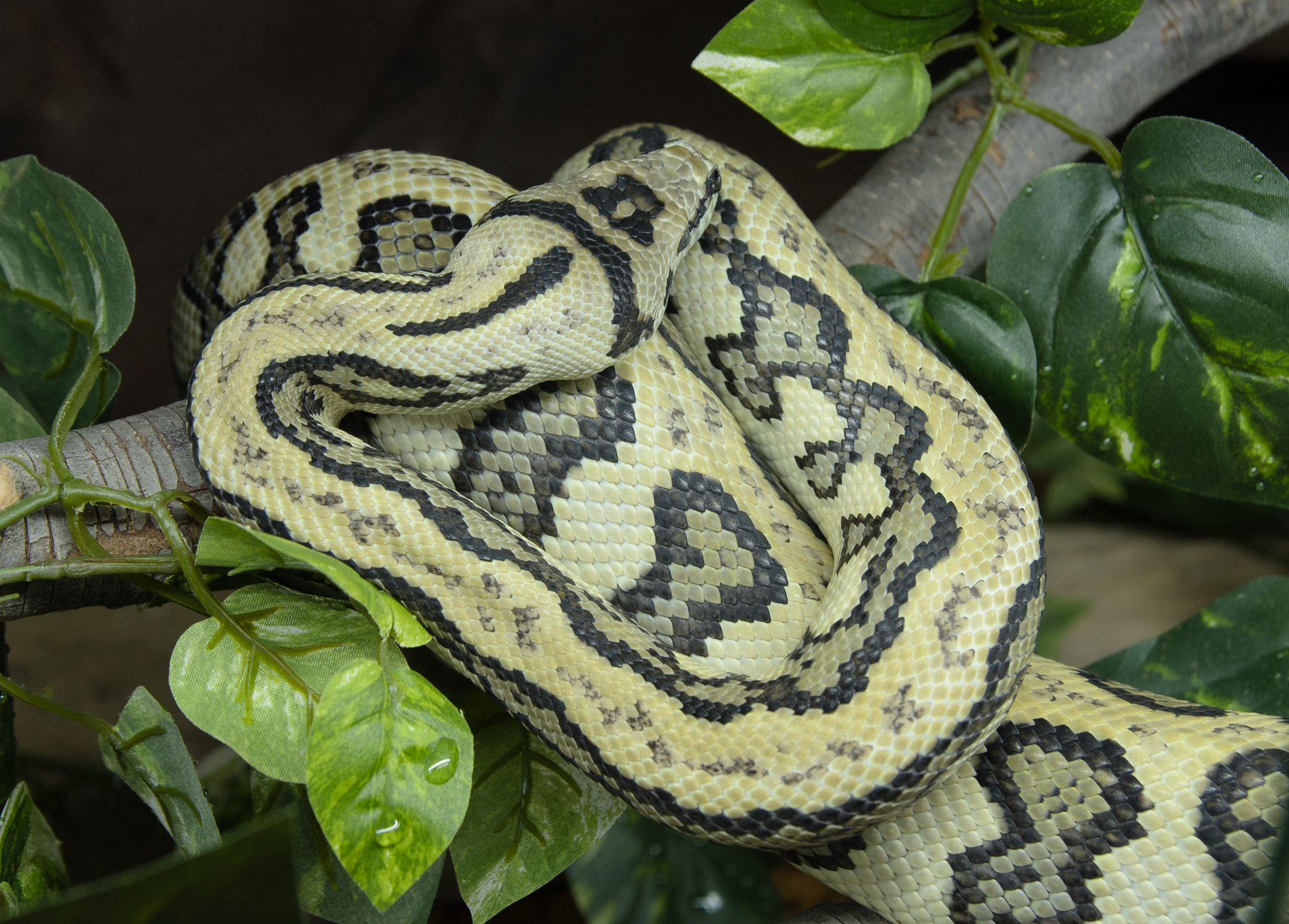 Ute, 2021
- Ute, 2021
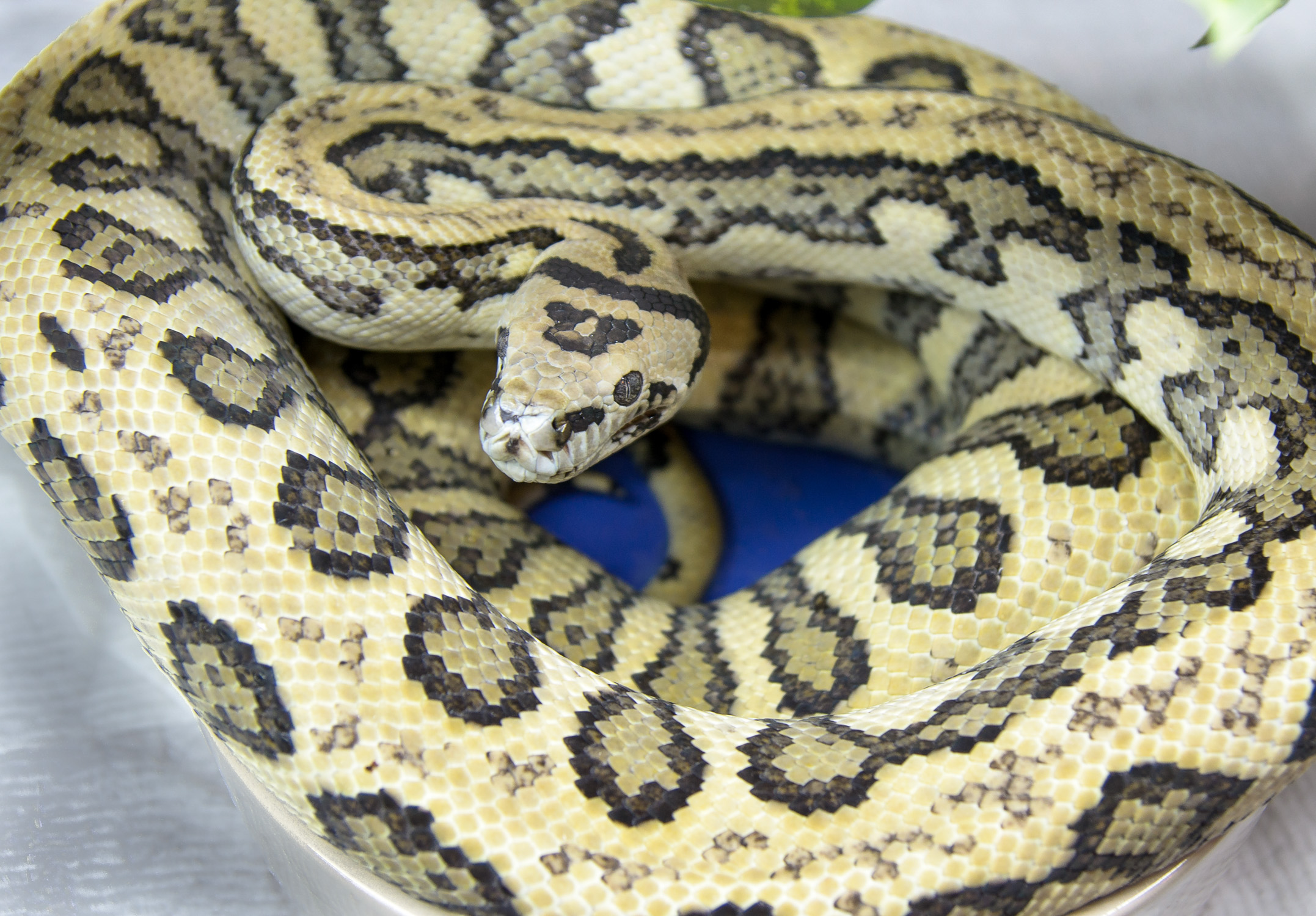 Ute, 2021
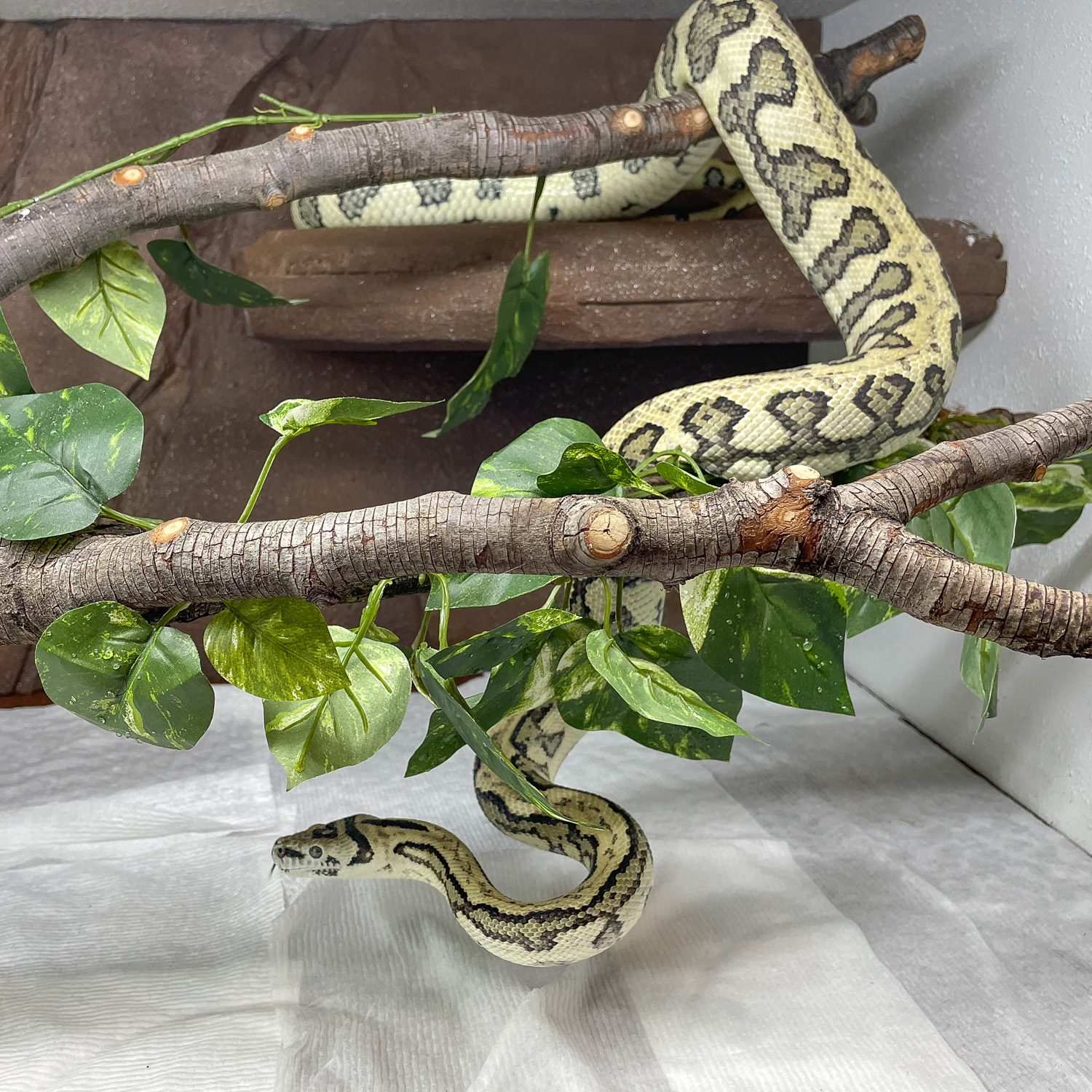 Ute, 2021
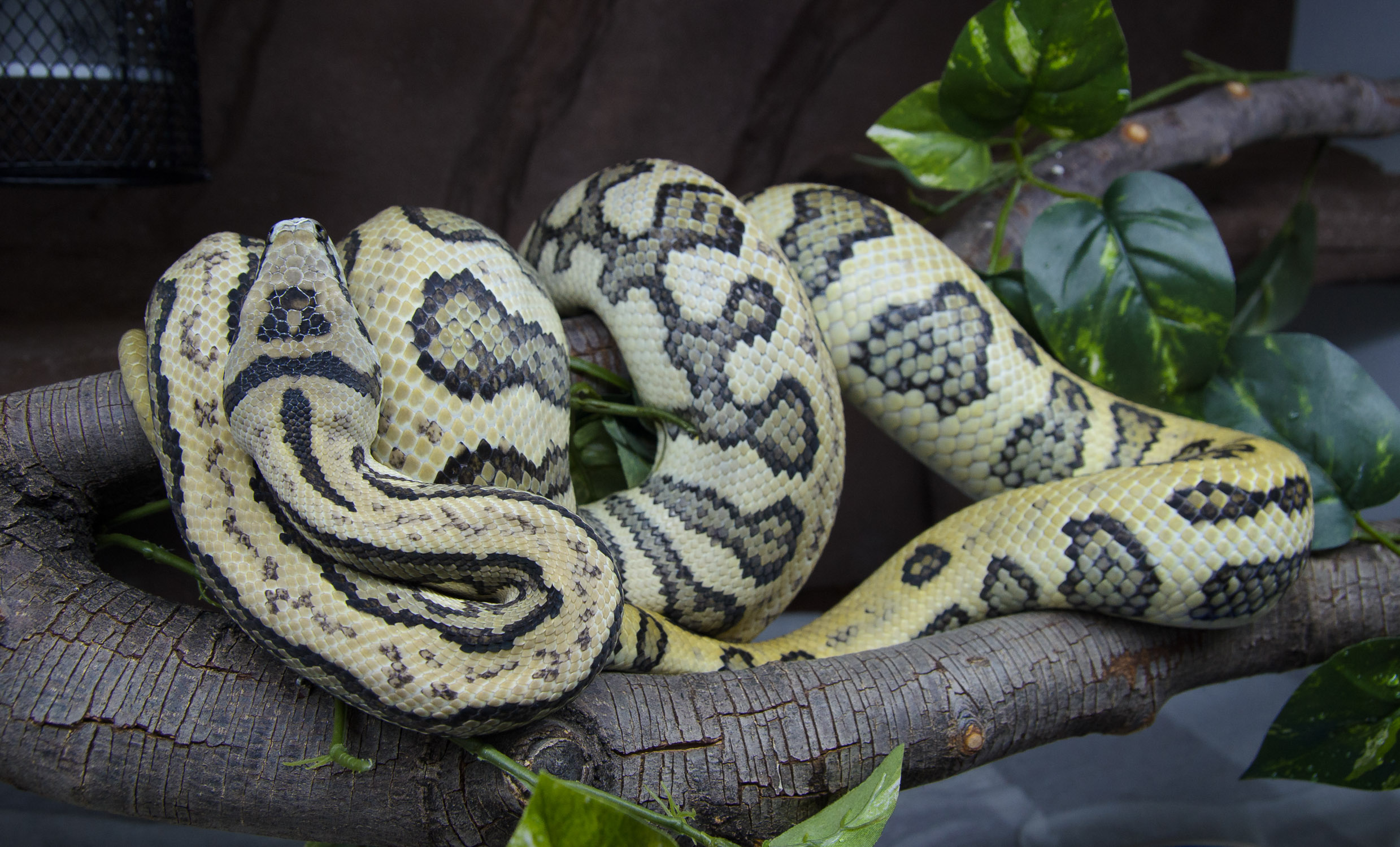 Ute, 2021
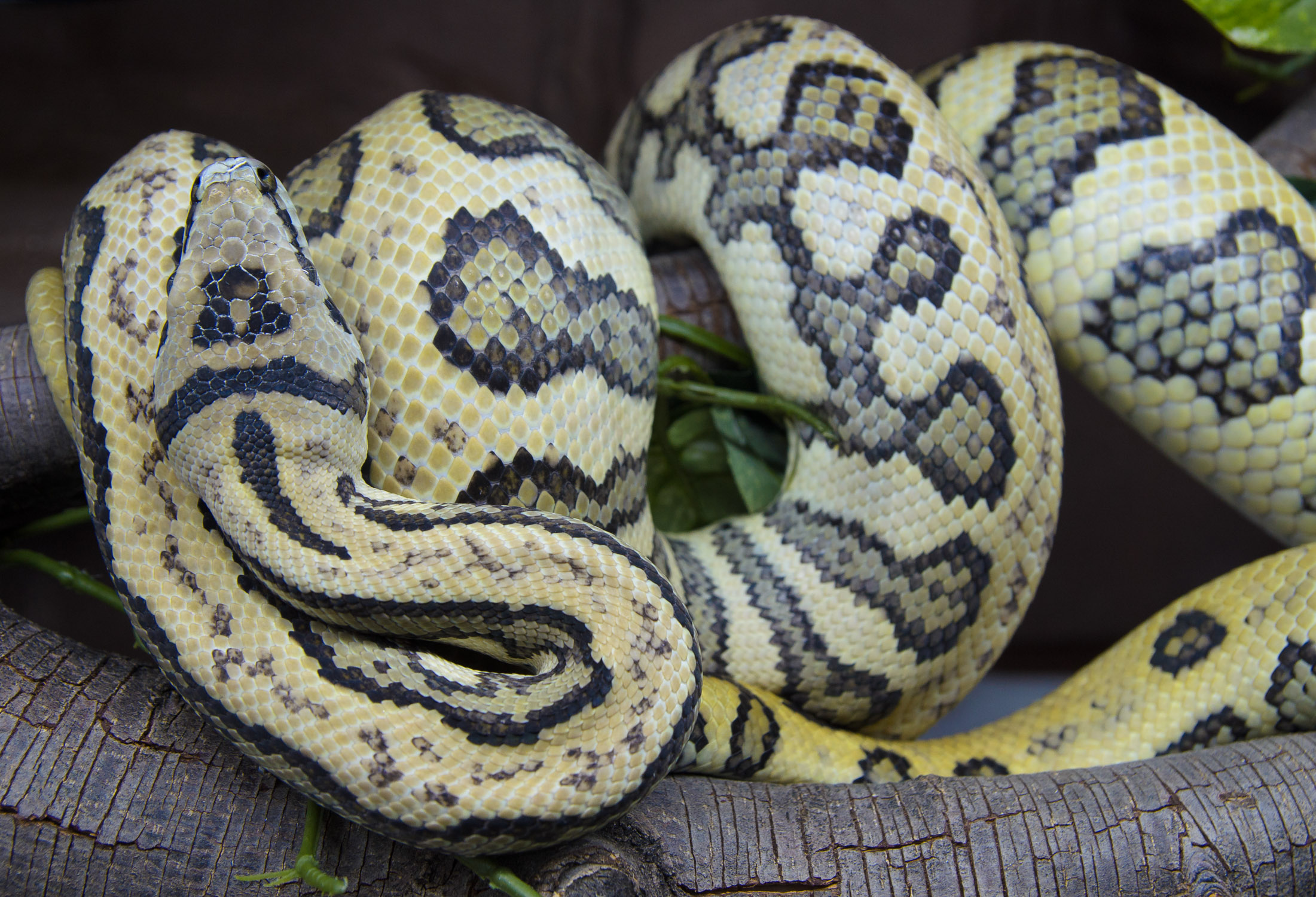 Ute, 2021
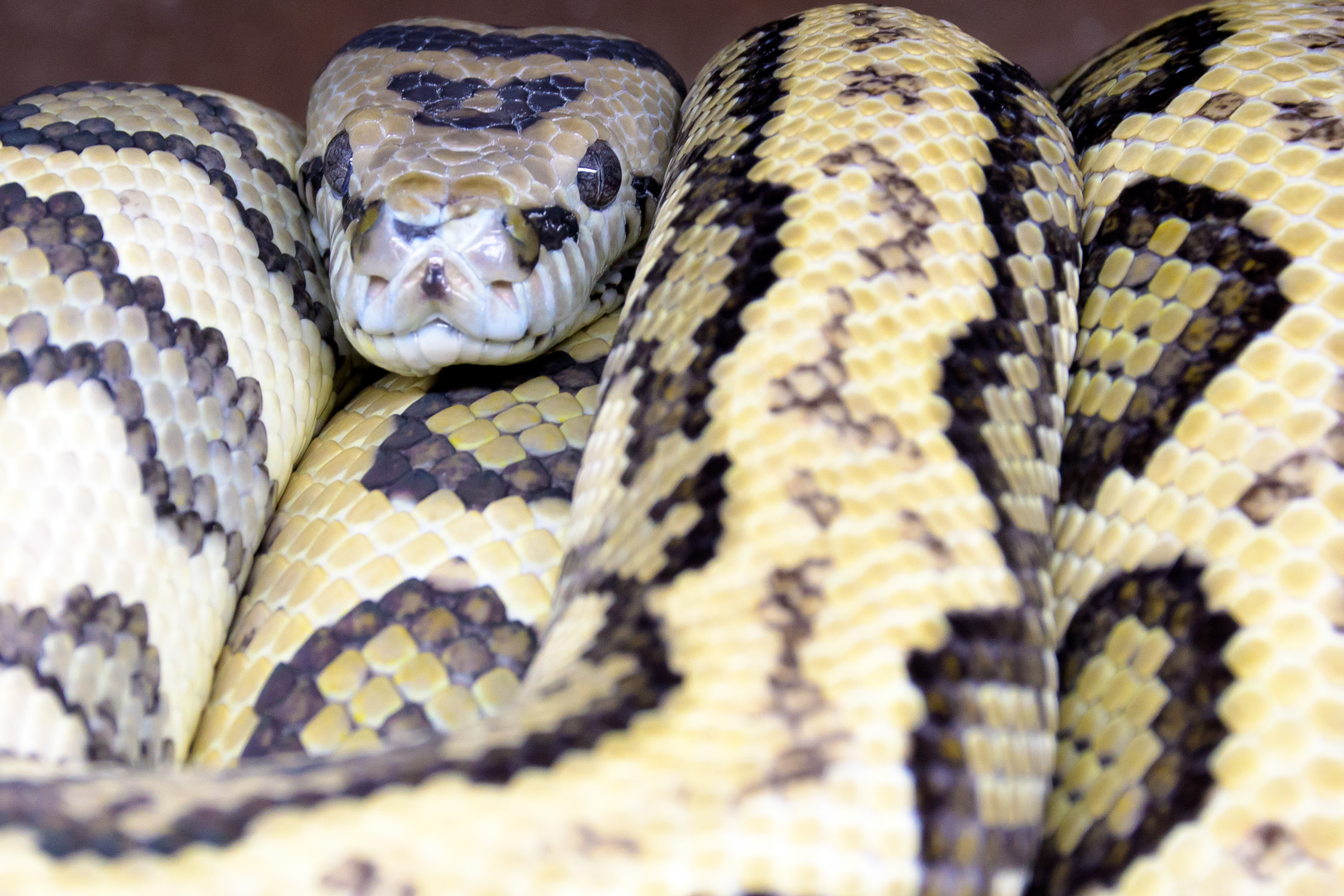 Ute, 2021
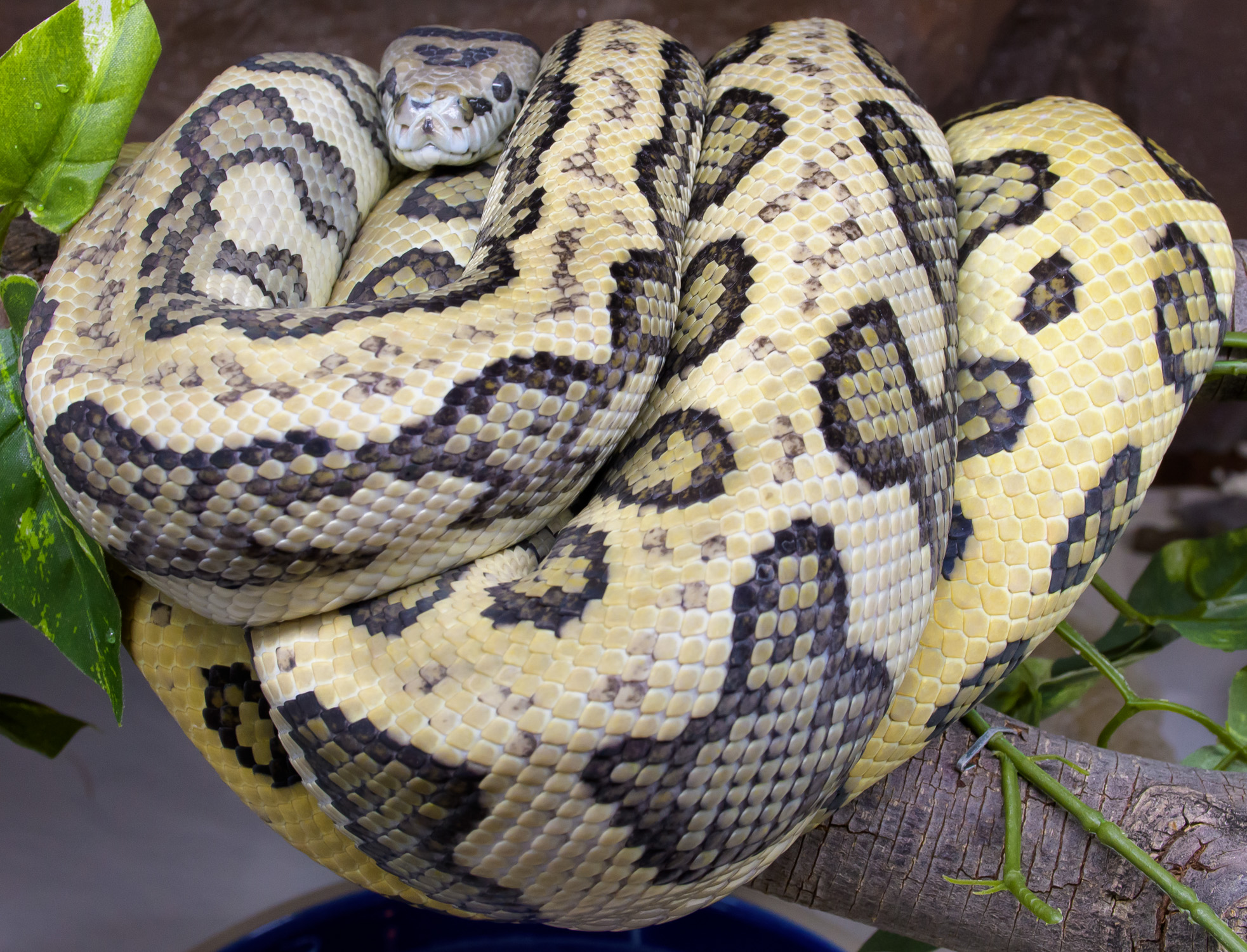 Ute, 2021
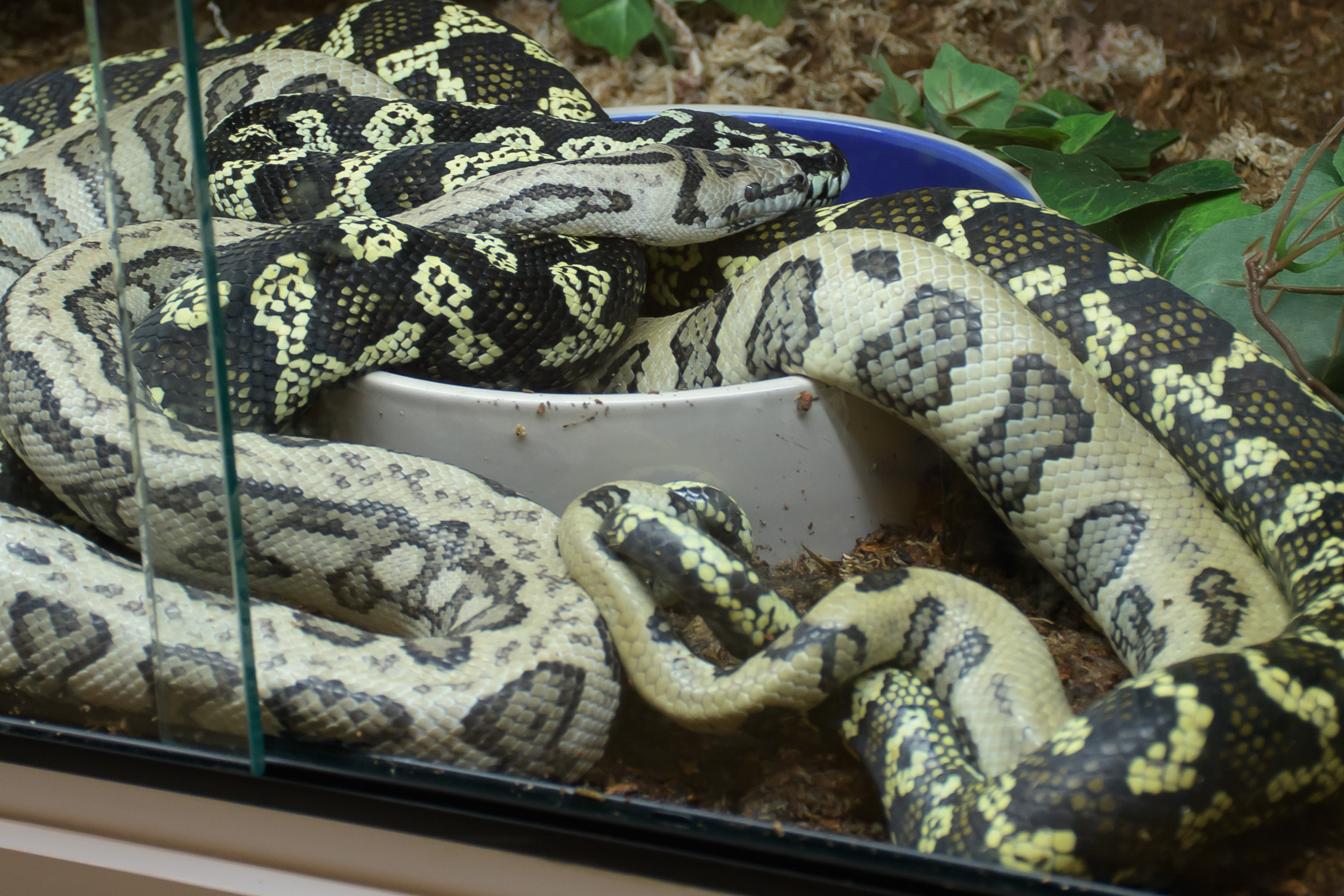 2022, Ute and Tarzan locked up
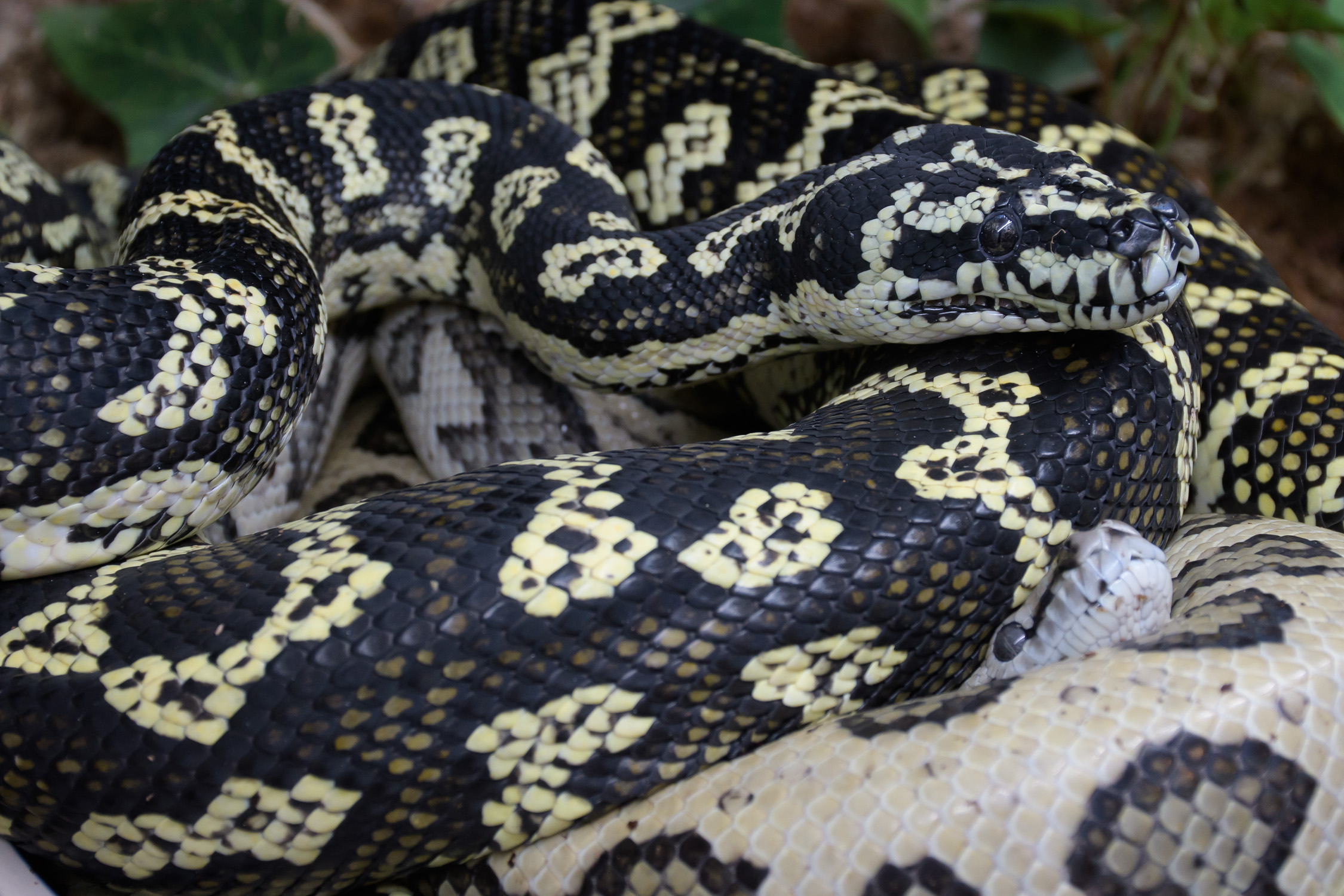 2022, Ute and Tarzan
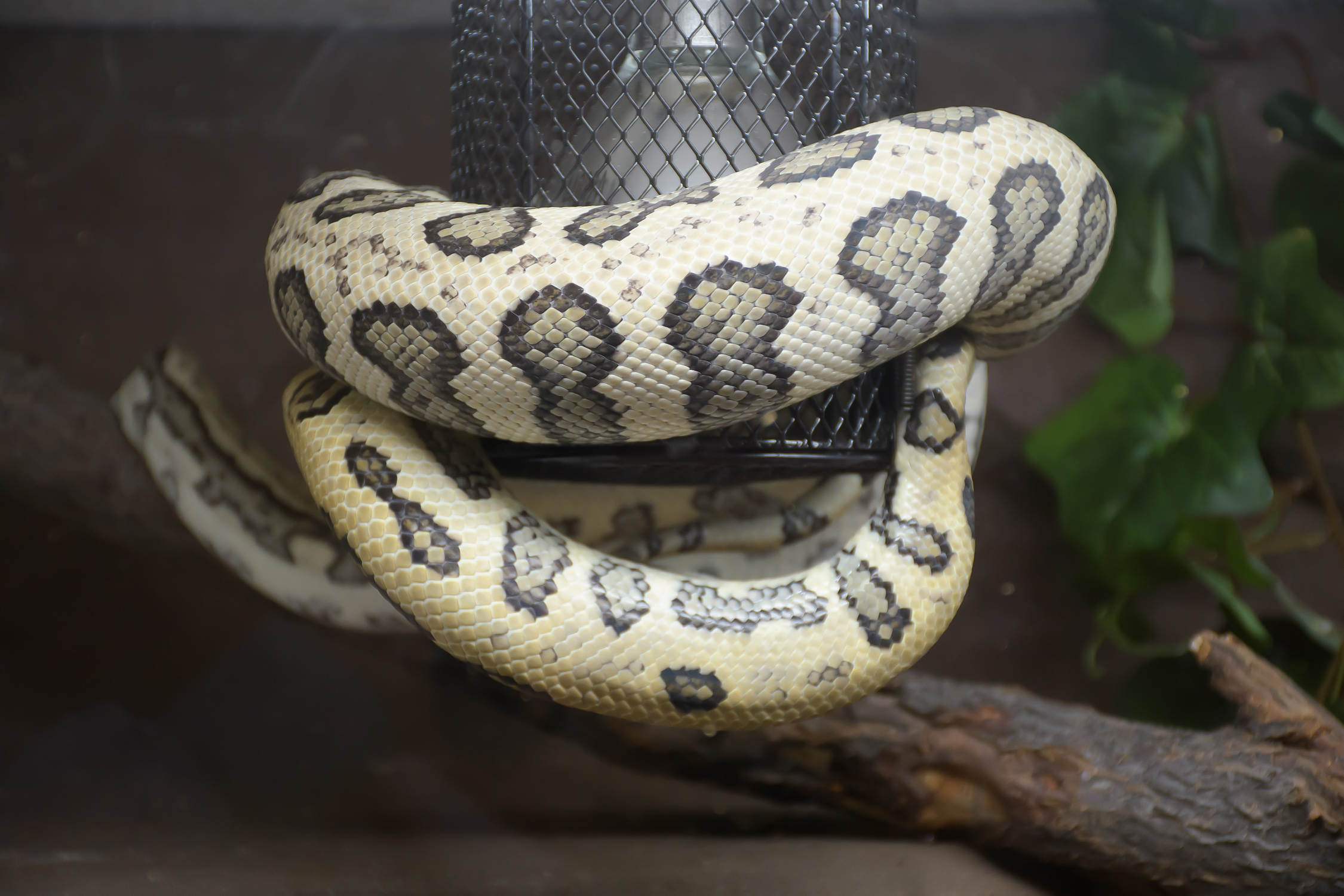 2022, Ute trying to get enough heat
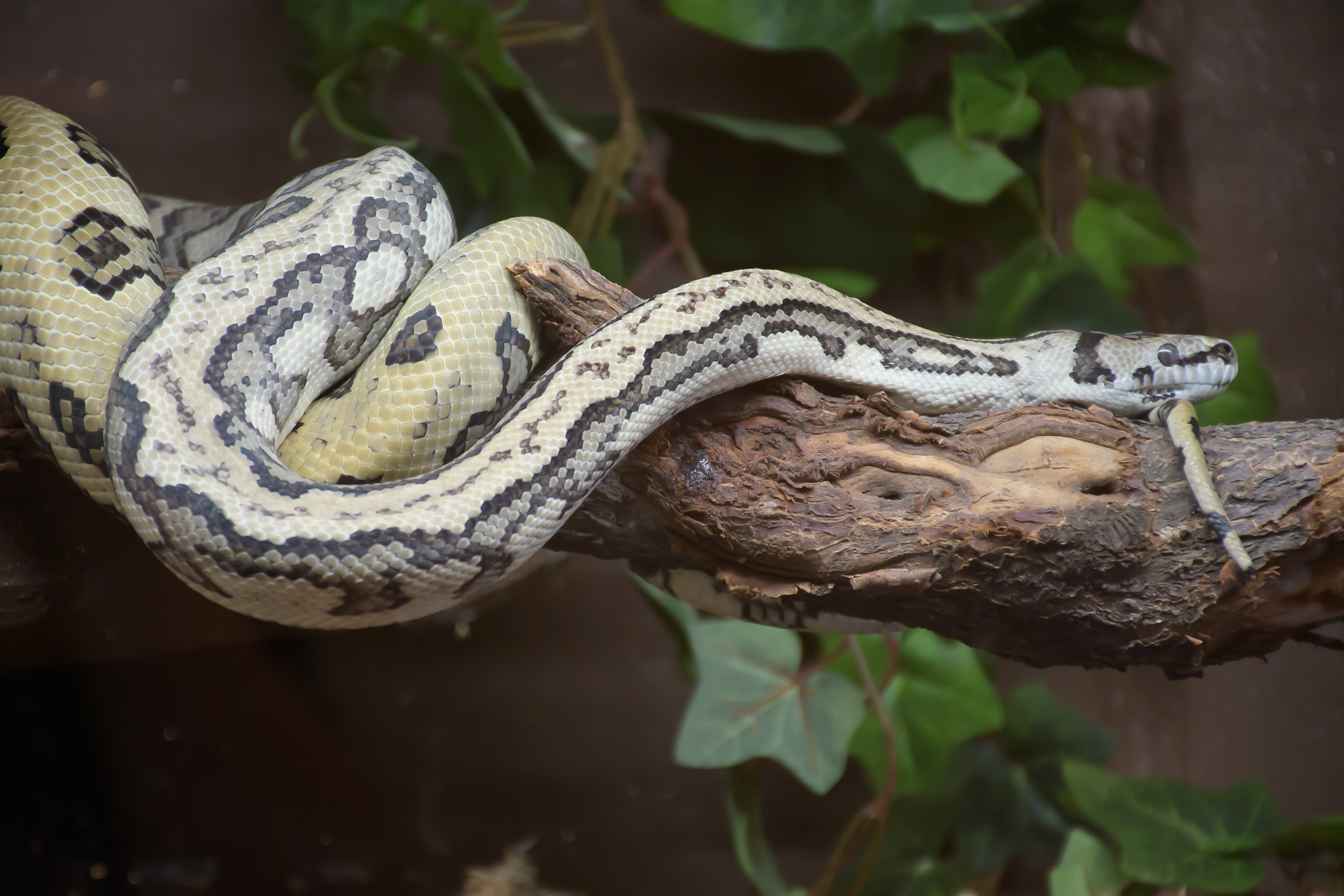 Ute, 2022
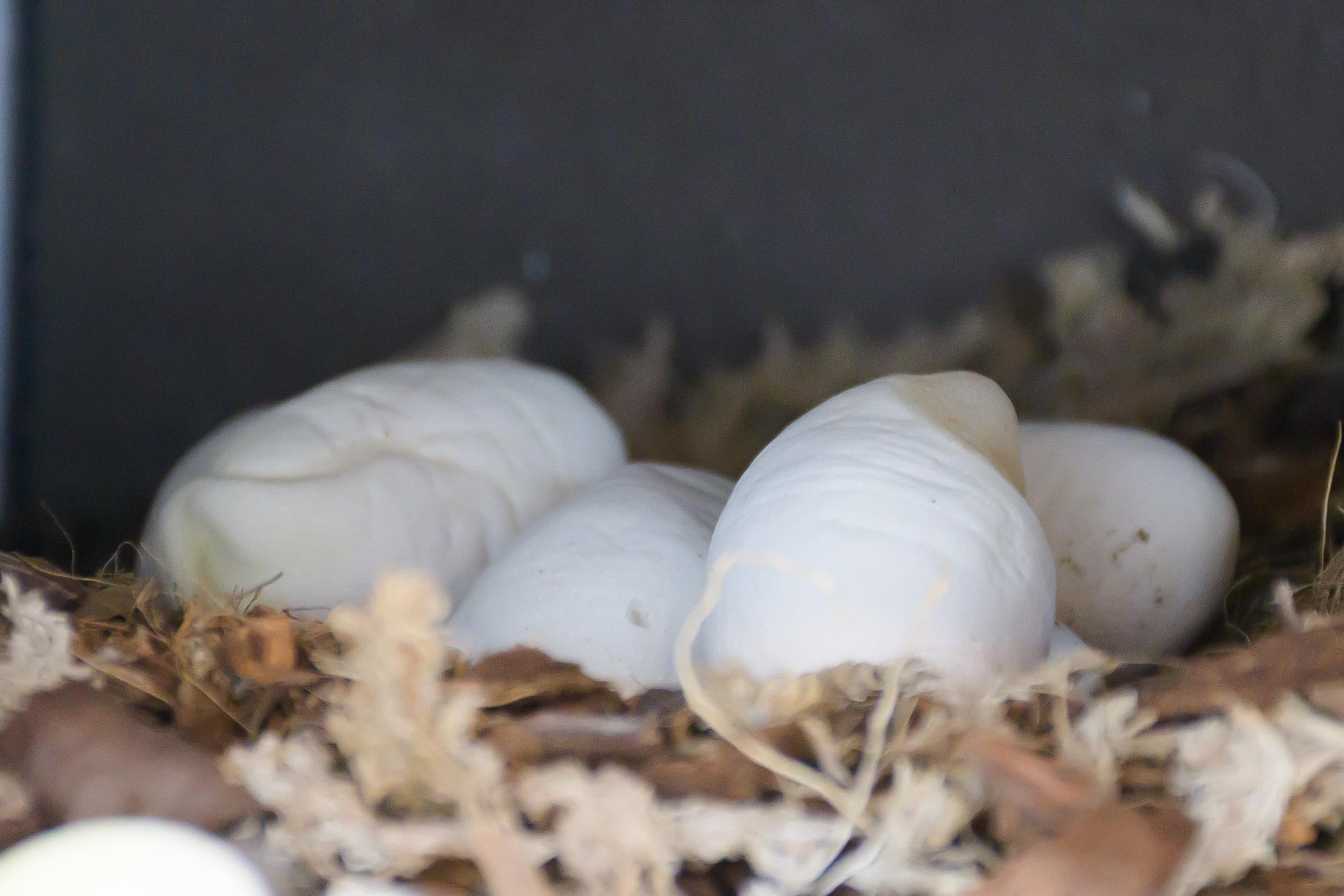 Ute, 2022 Clutch
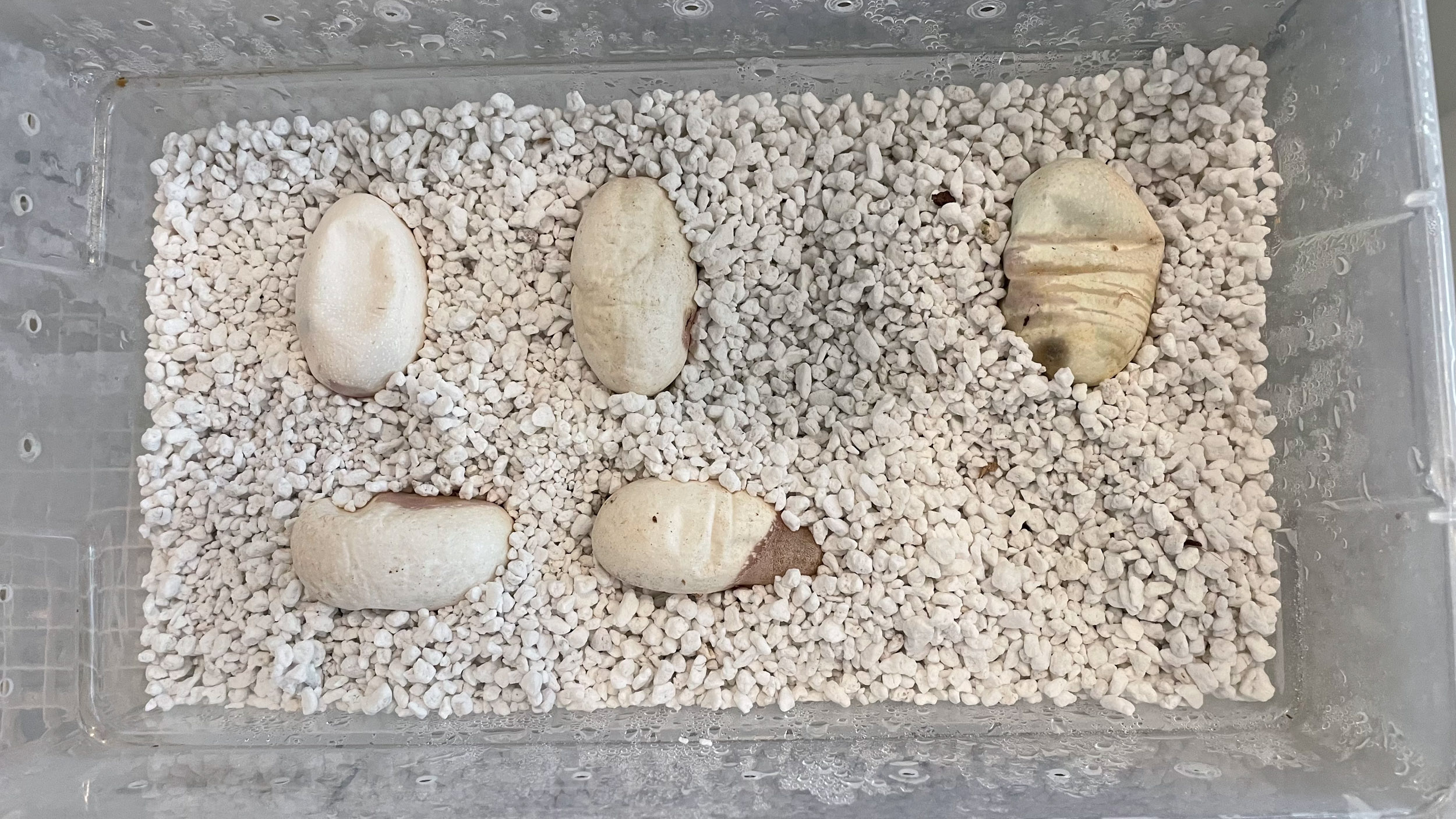 Ute, 2022 Clutch
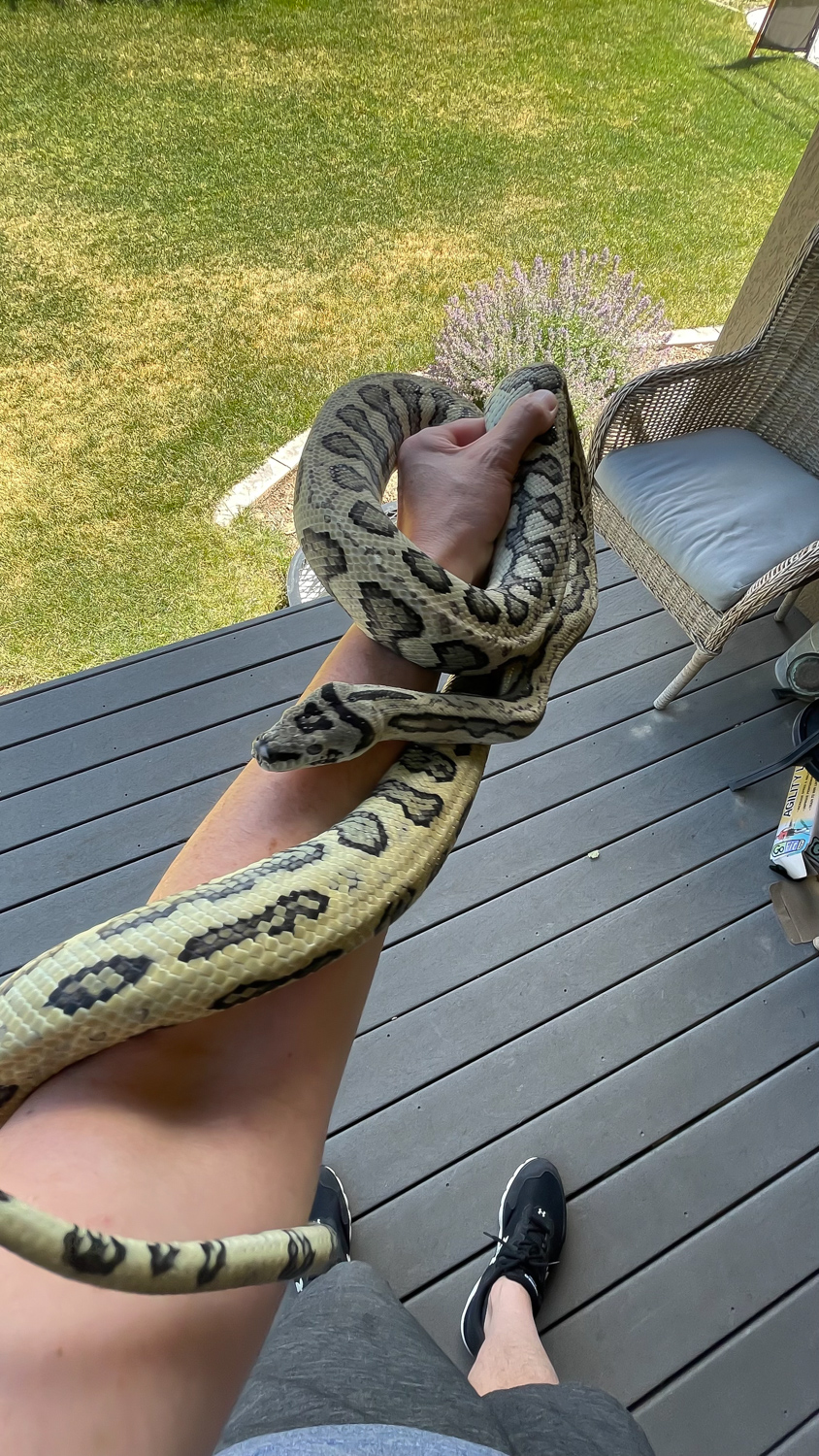 Ute, 2022
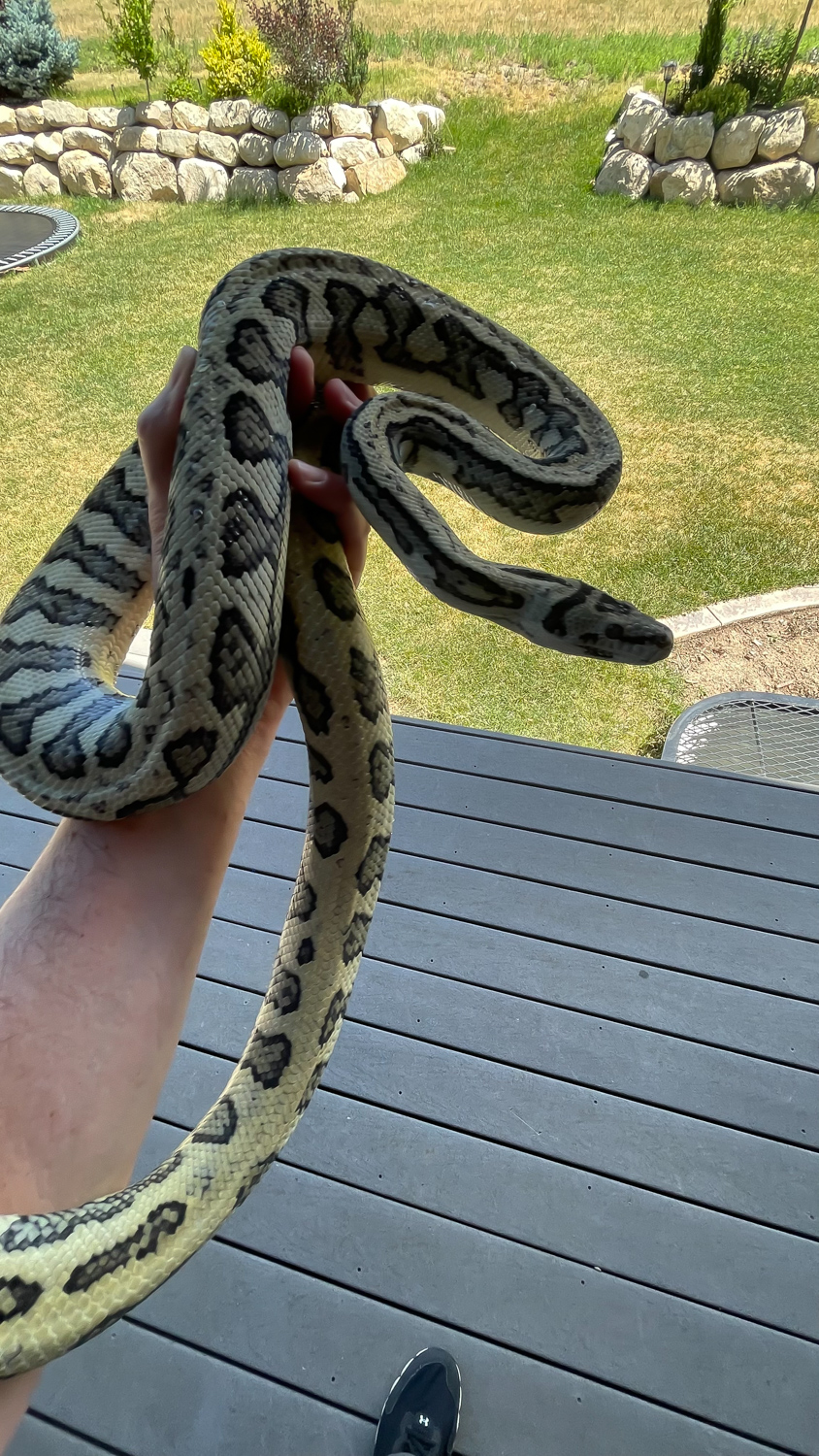 Ute, 2022
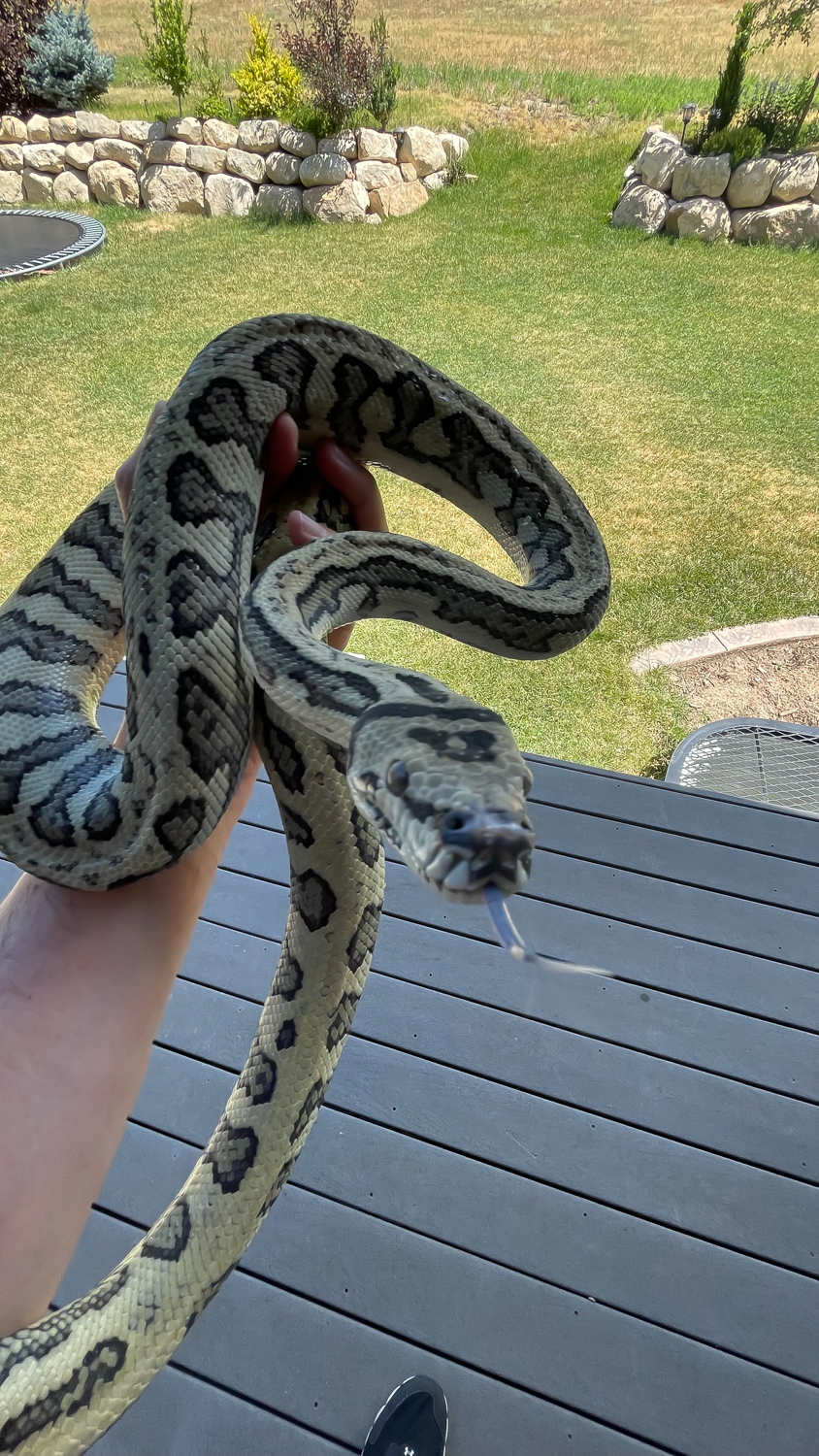 Ute, 2022
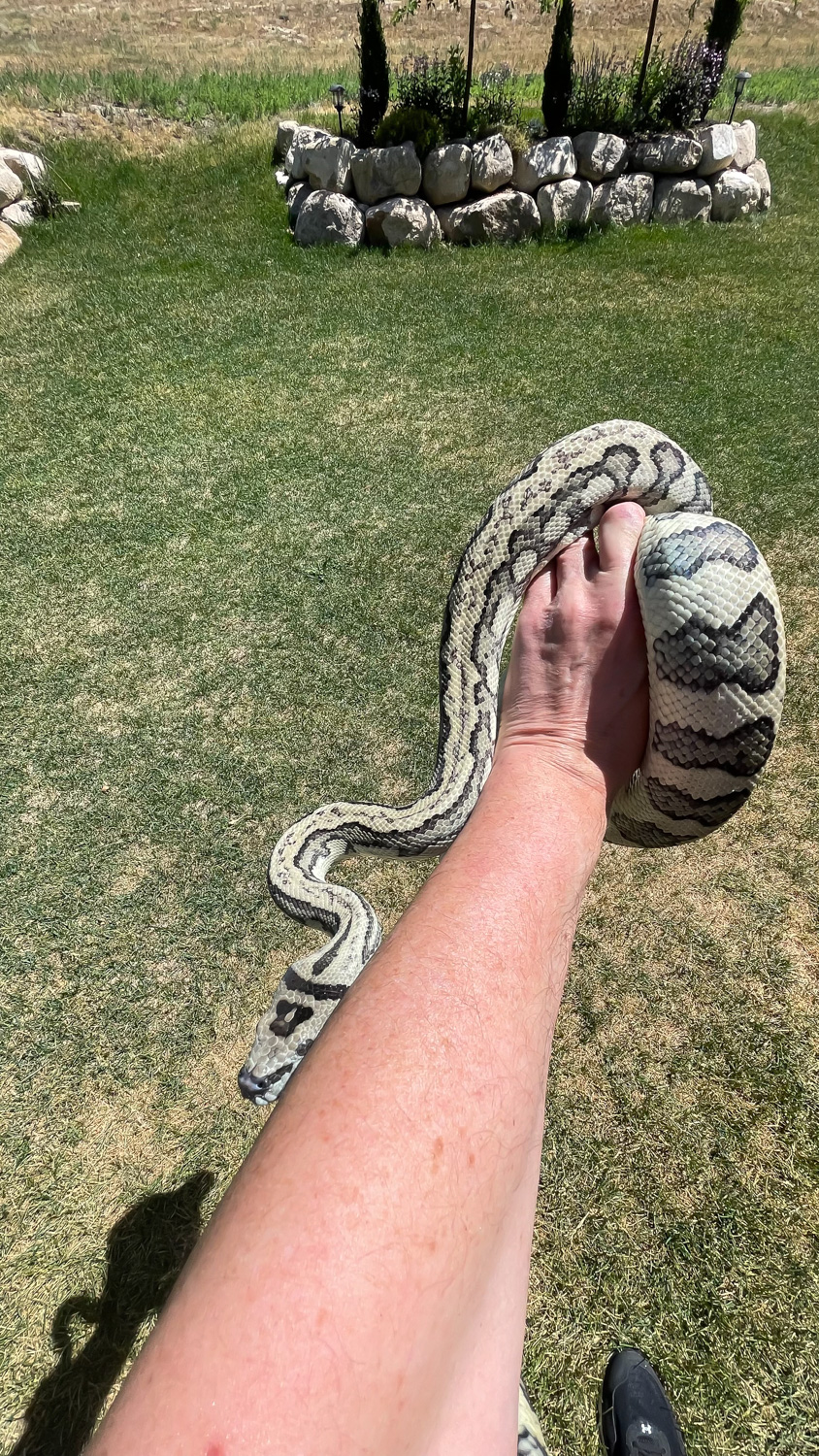 Ute, 2022
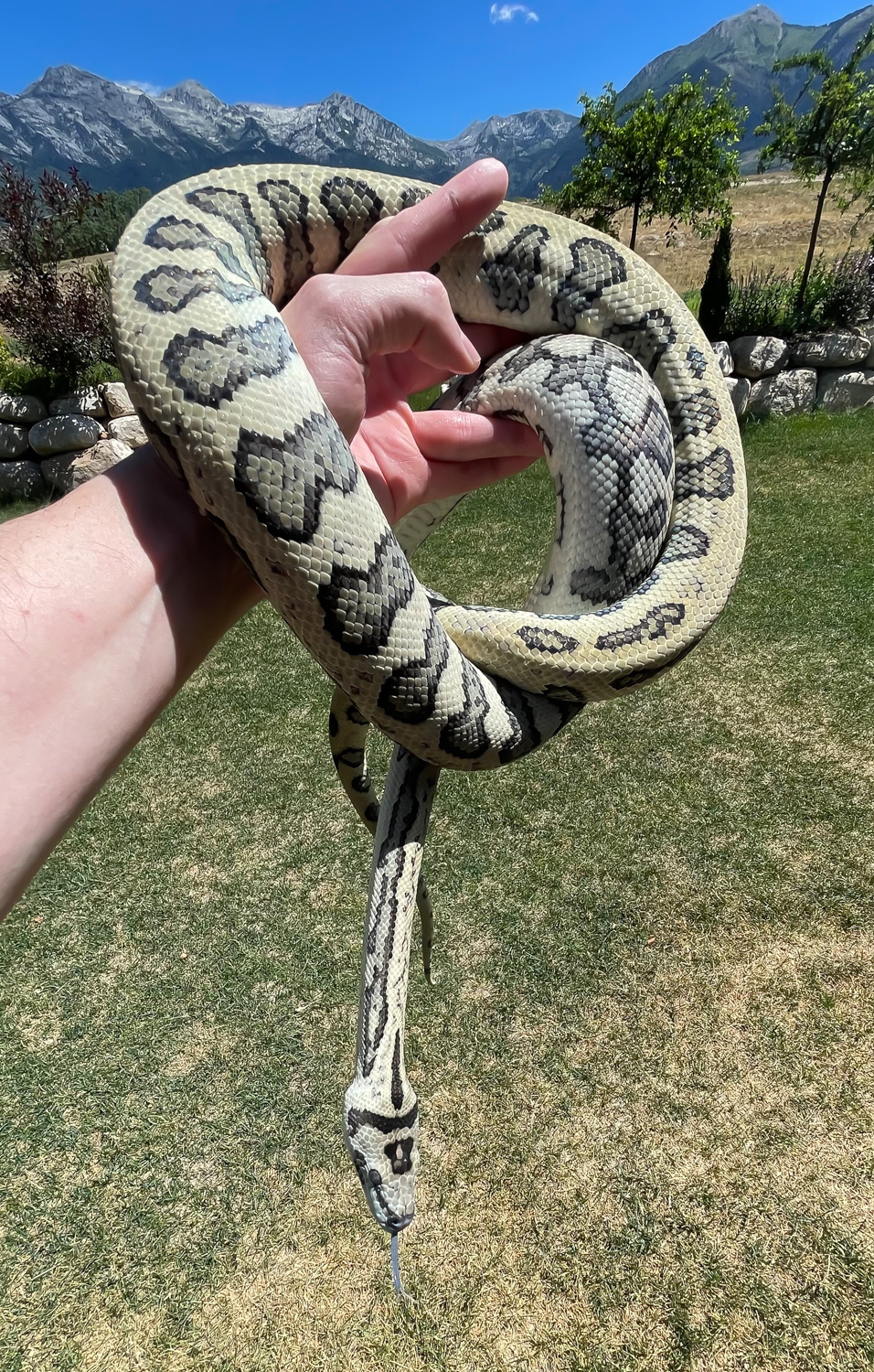 Ute, 2022
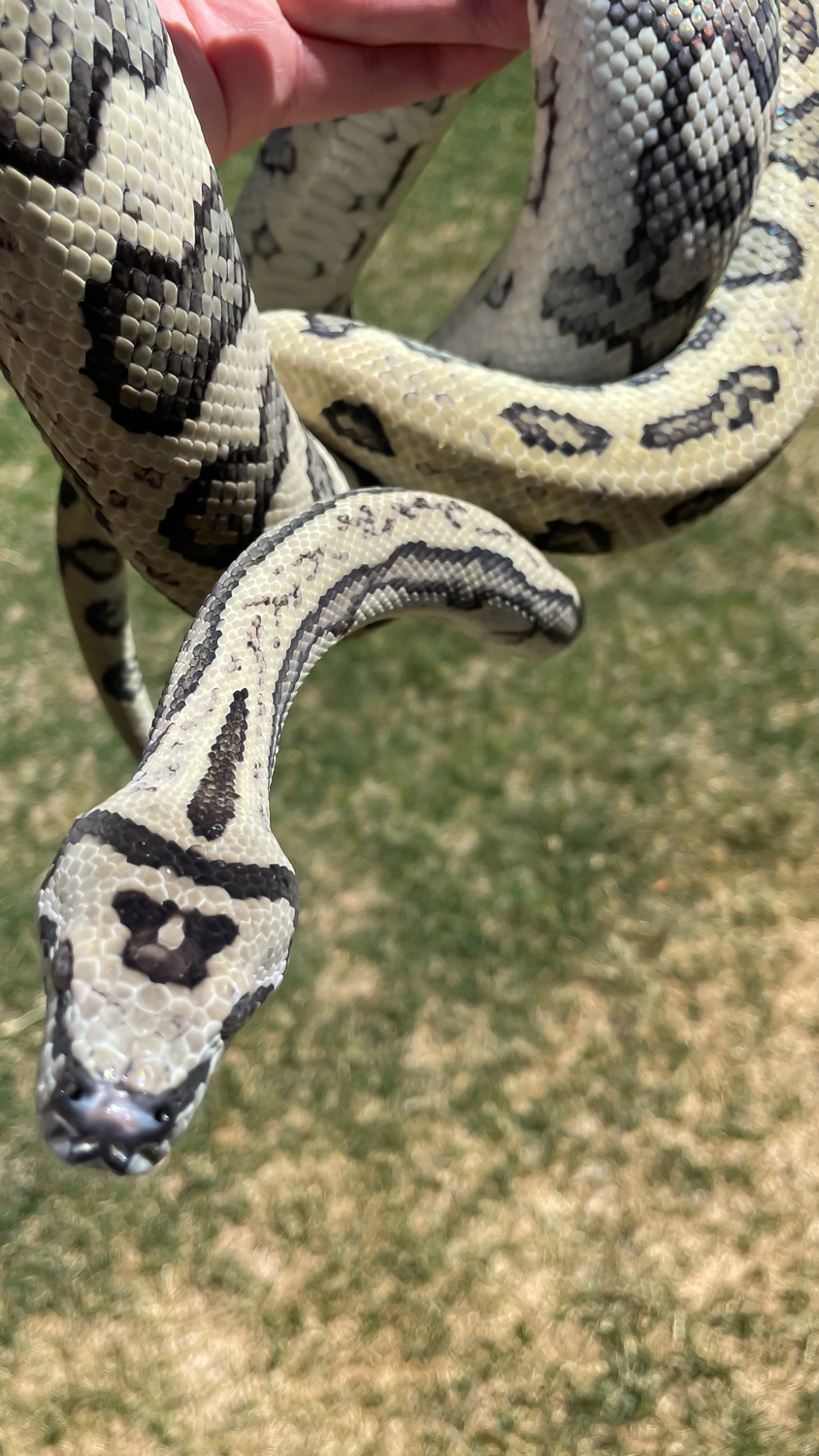 Ute, 2022
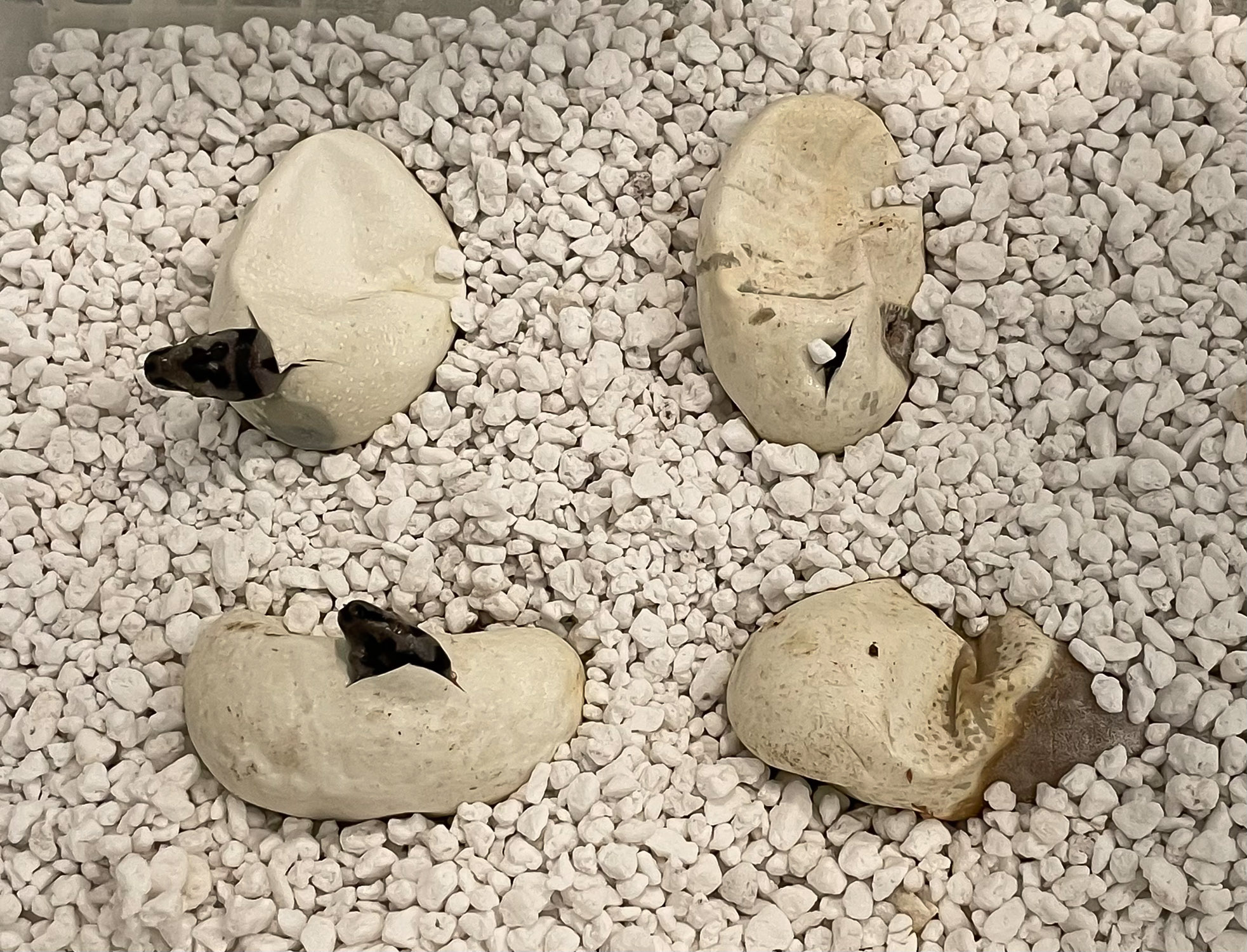 Ute, 2022 Clutch
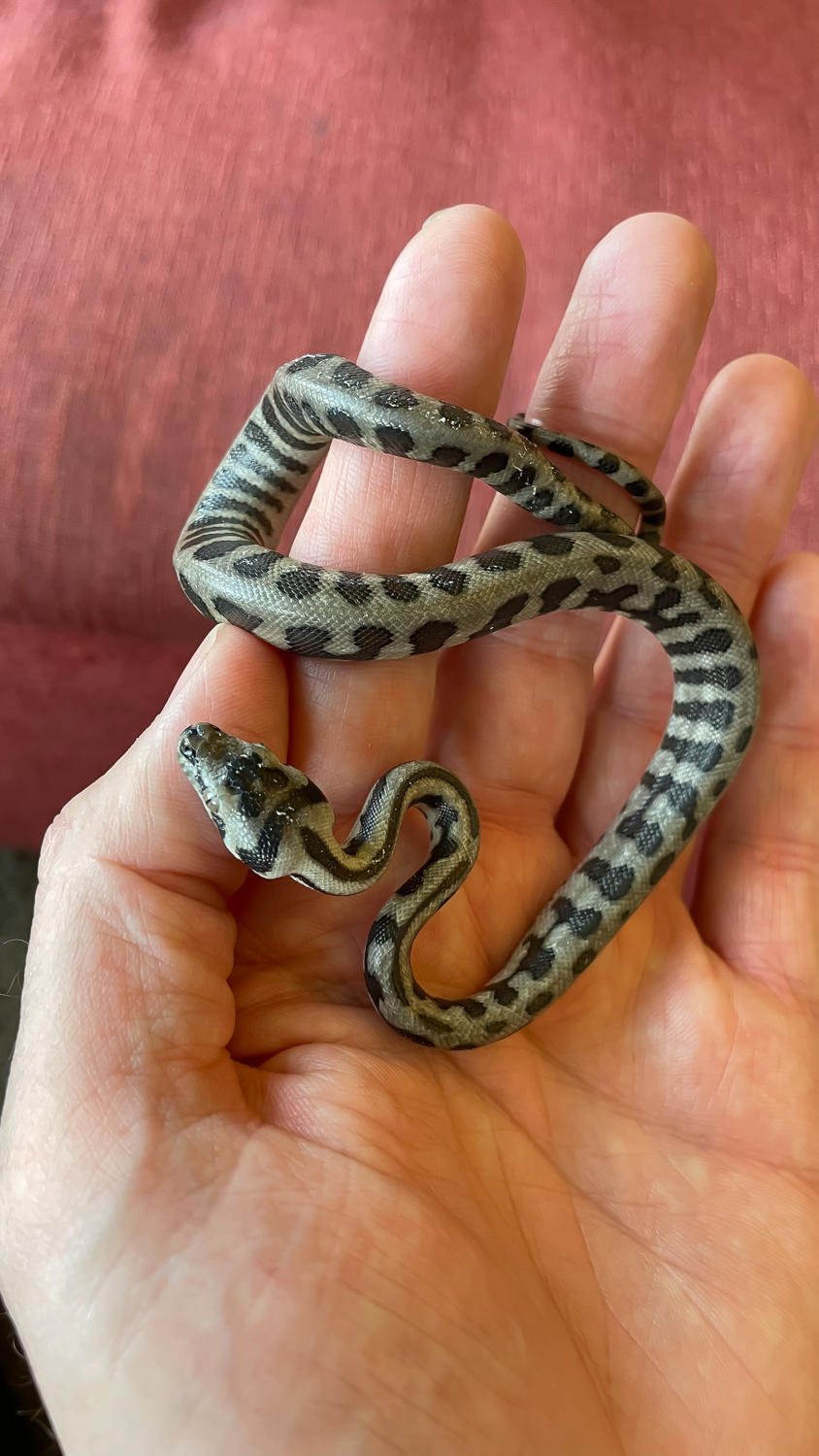 2022, Baby Jaguar Coastal
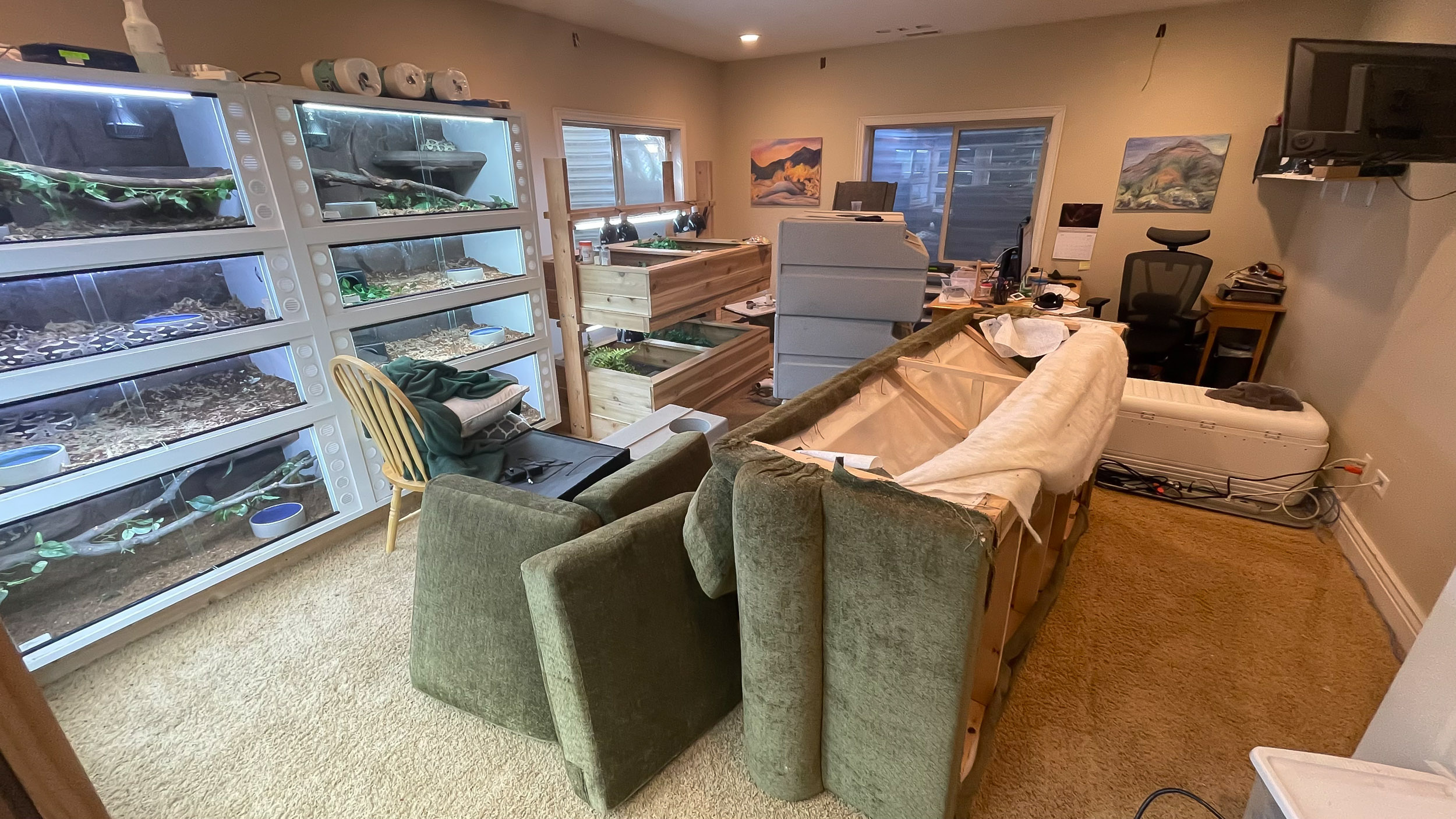 2022, Searching for a missing baby
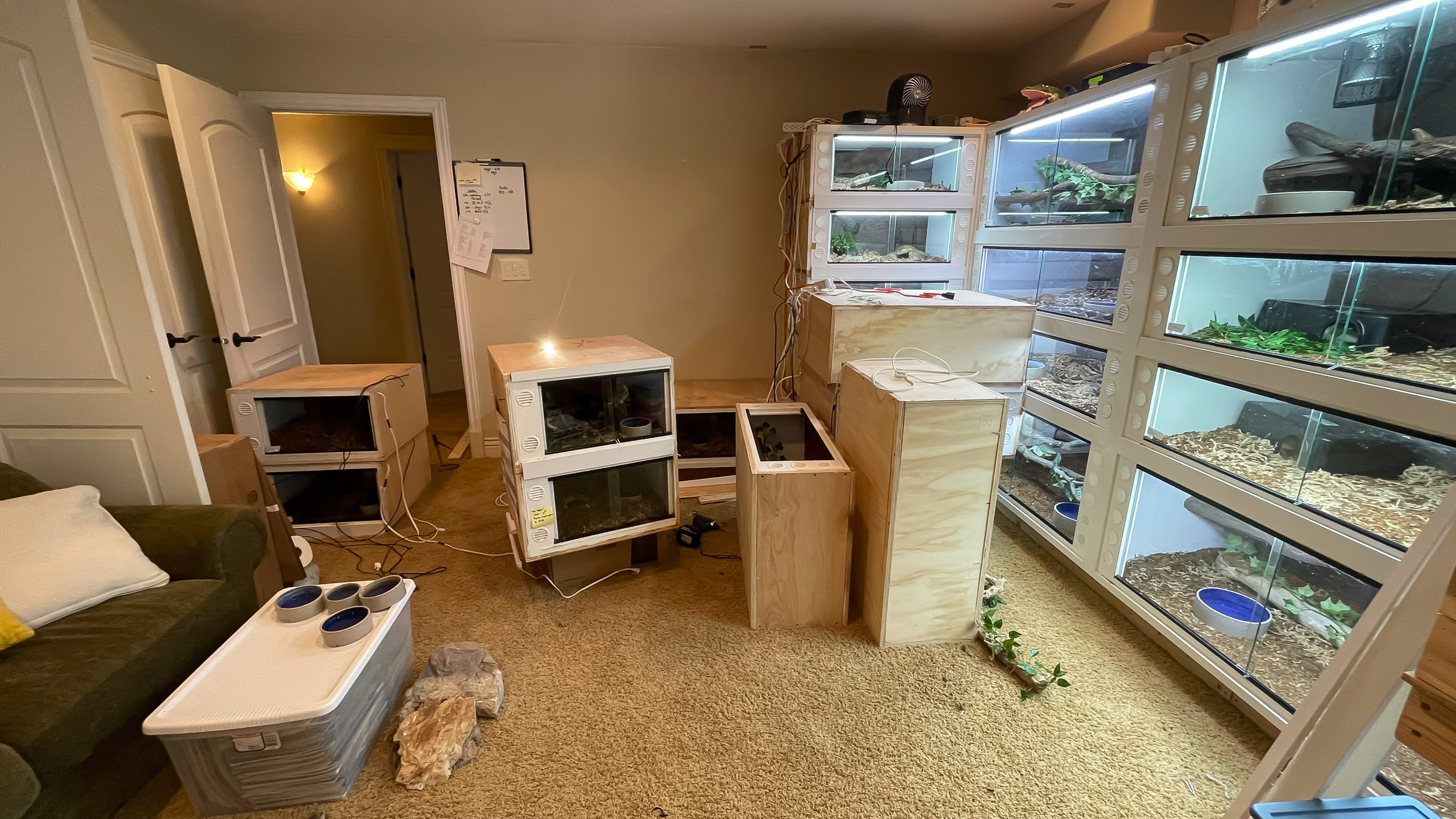 2022, Searching for a missing baby
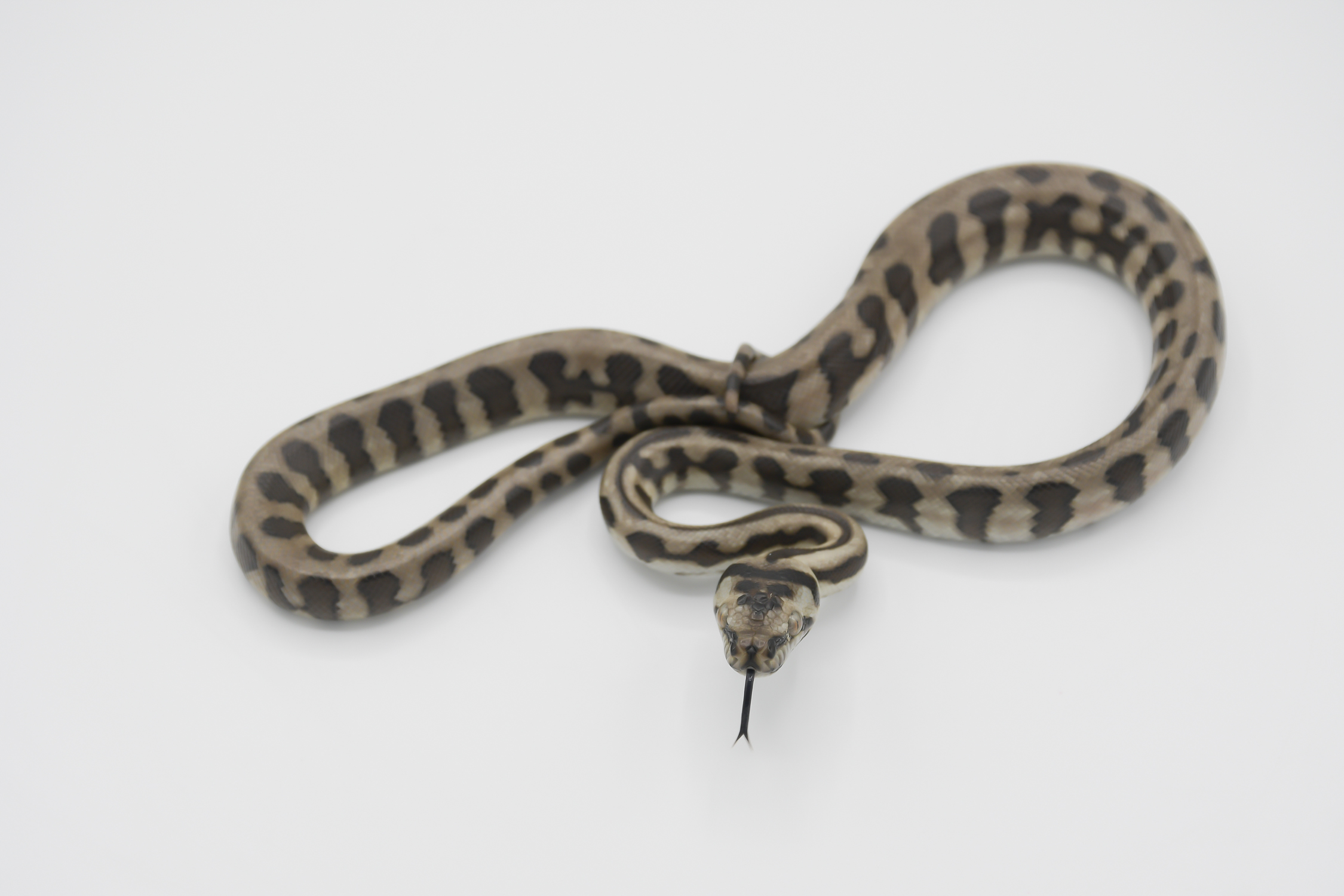 2022, Baby Jaguar Coastal
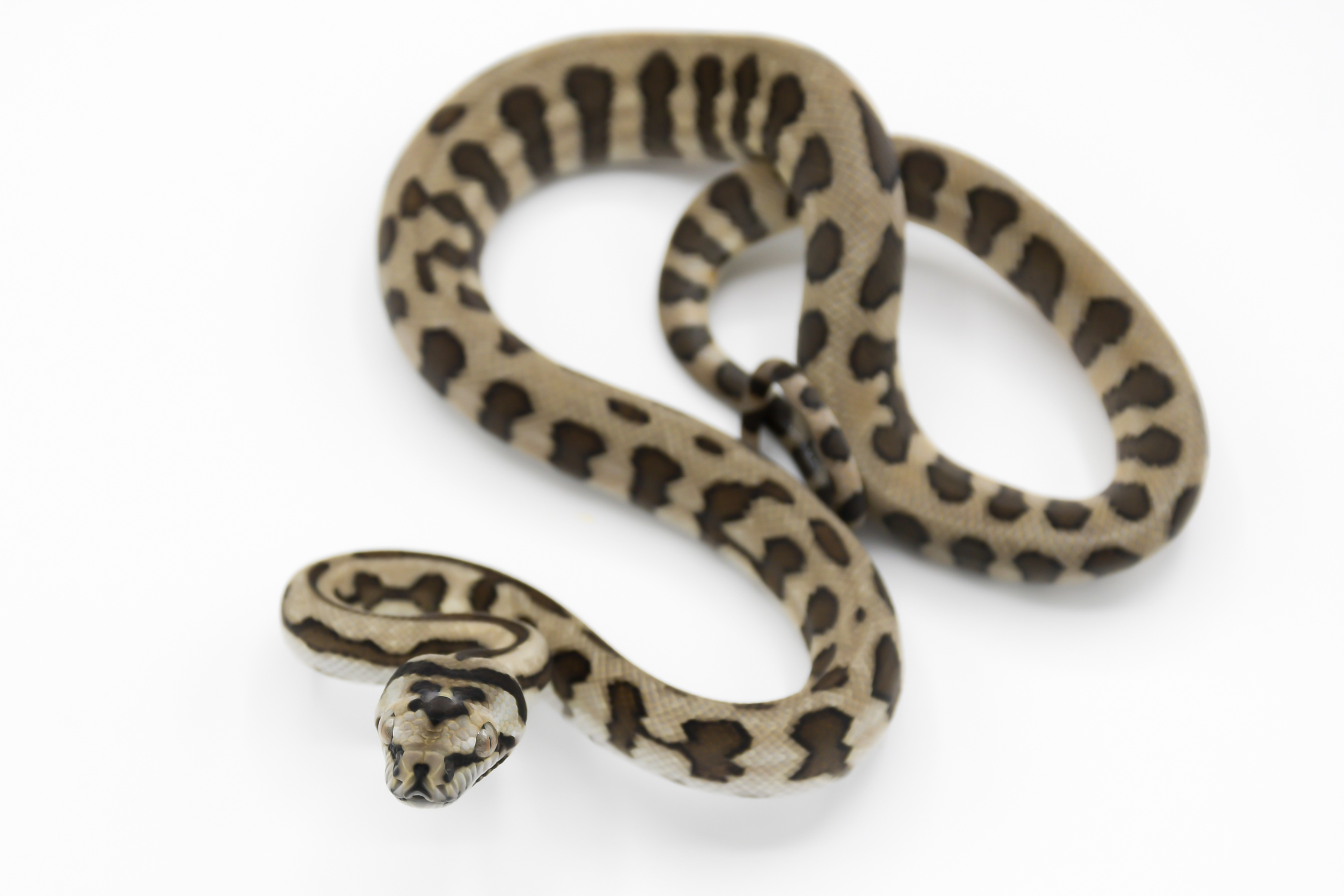 2022, Baby Jaguar Coastal
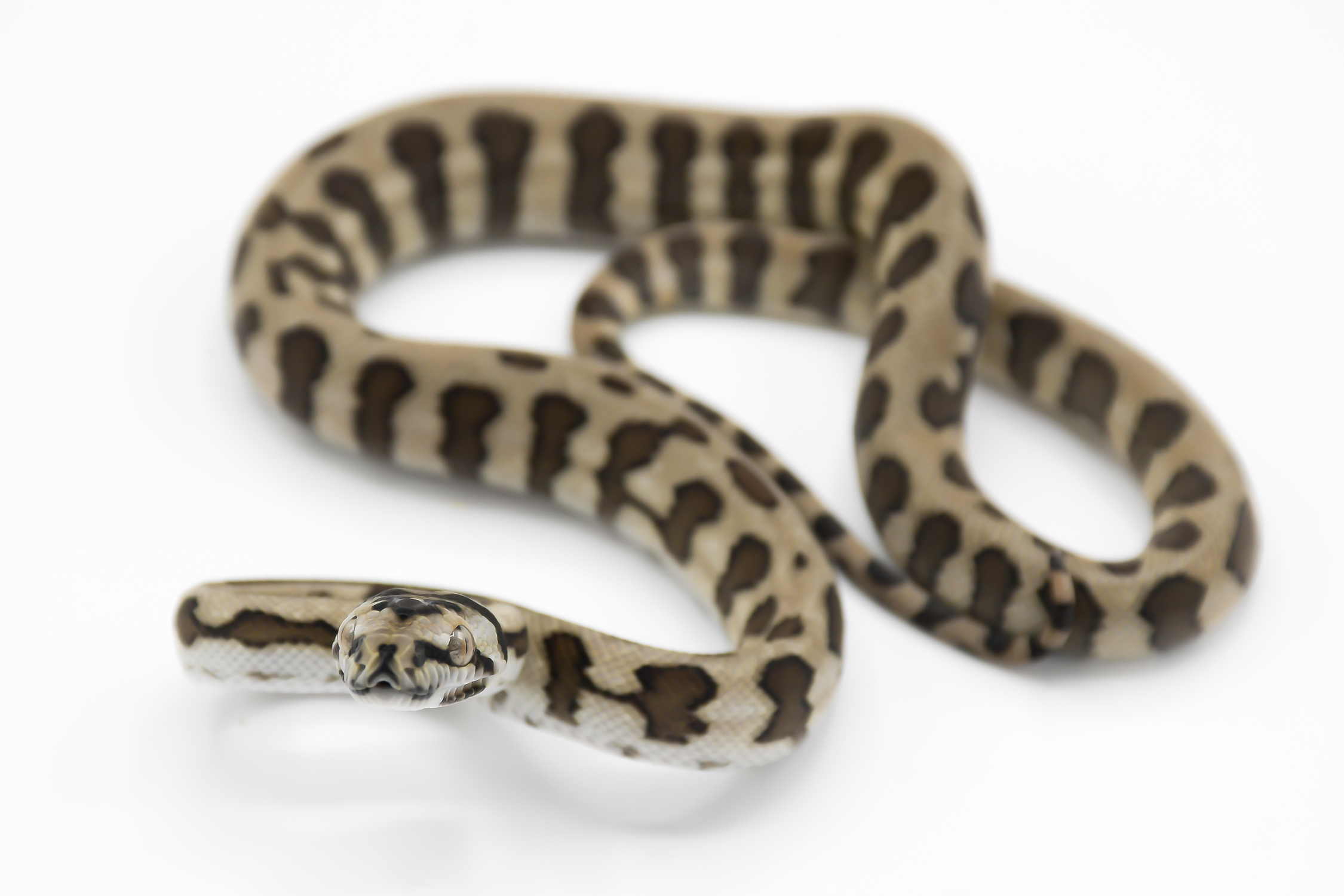 2022, Baby Jaguar Coastal
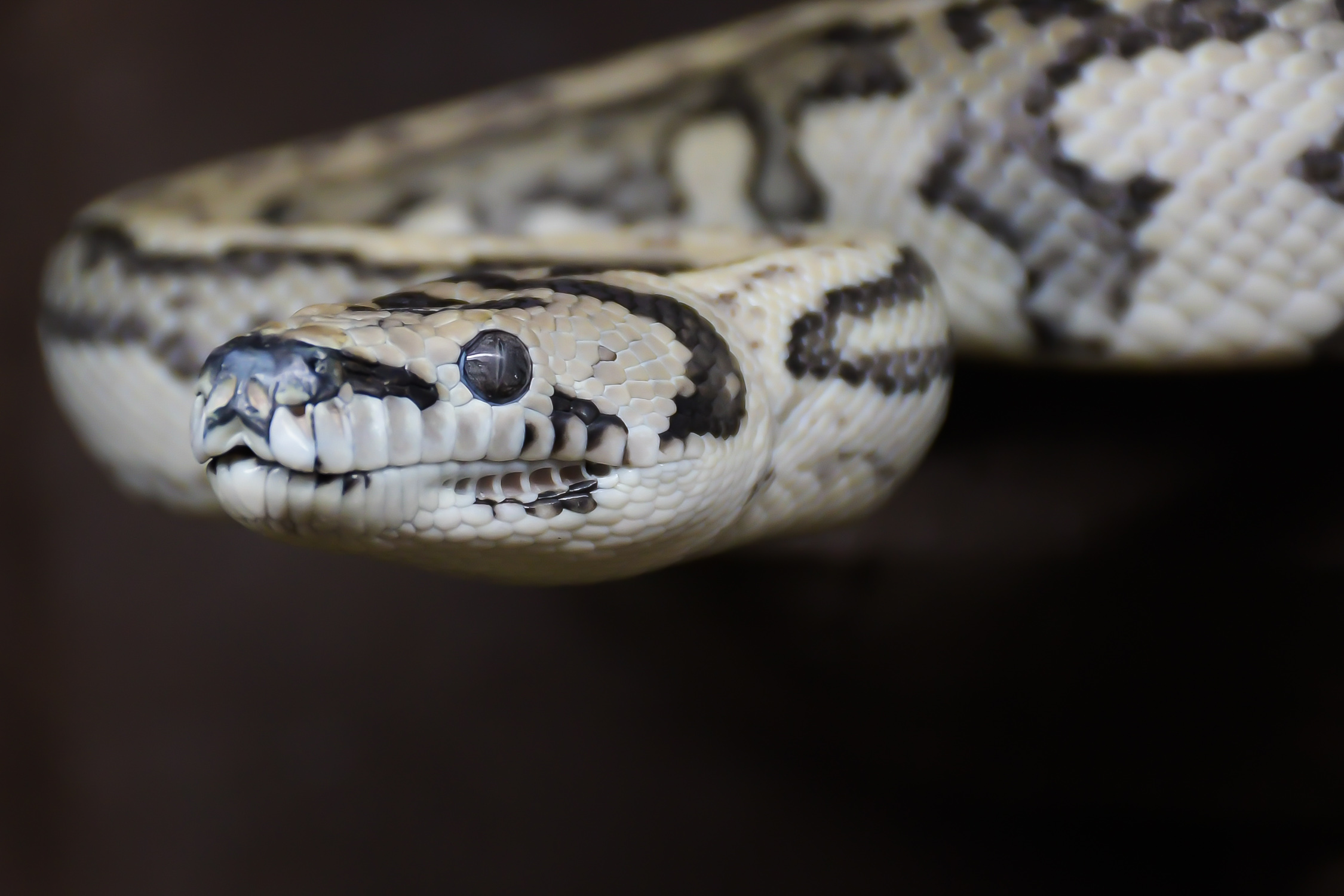 Ute, 2022
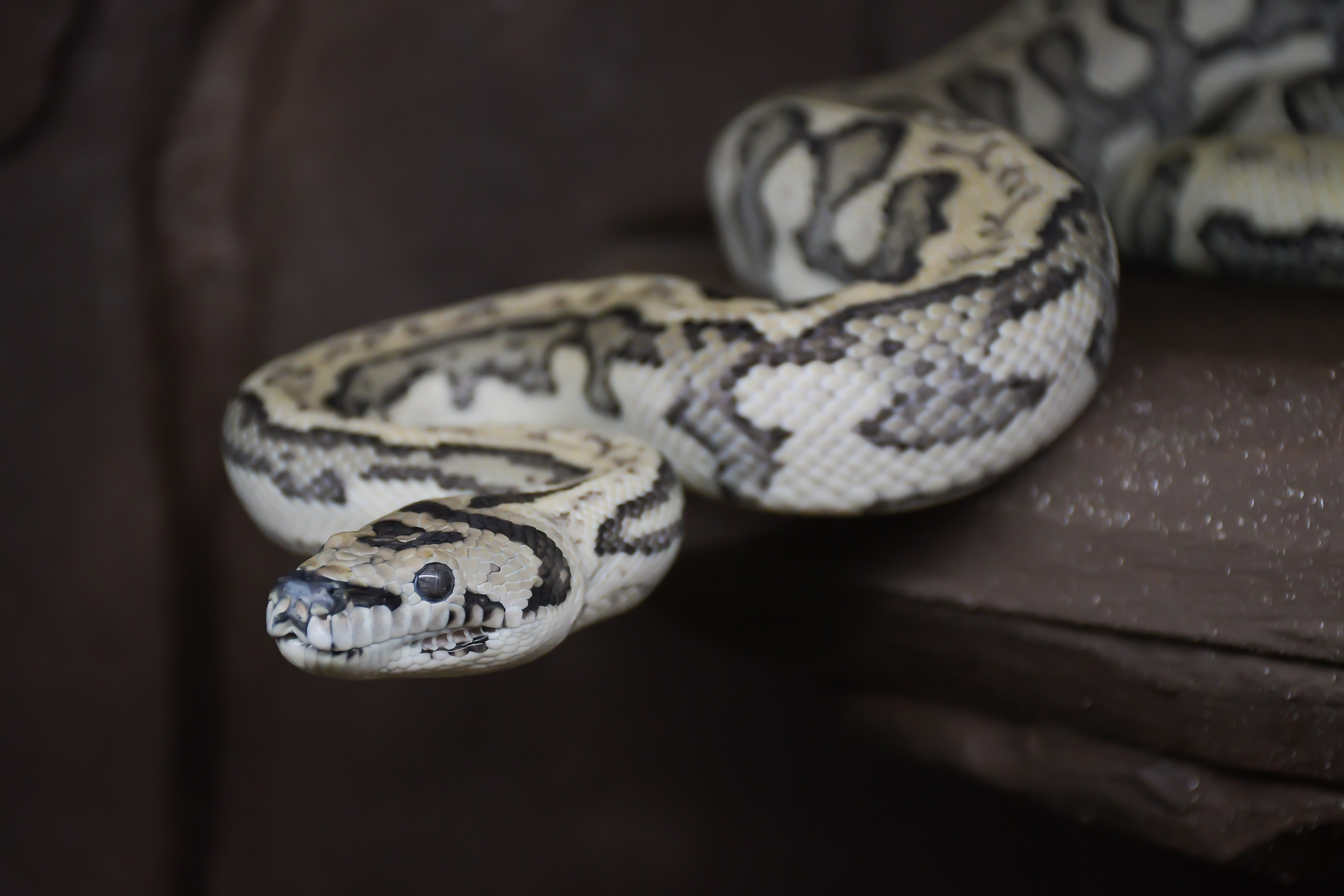 Ute, 2022
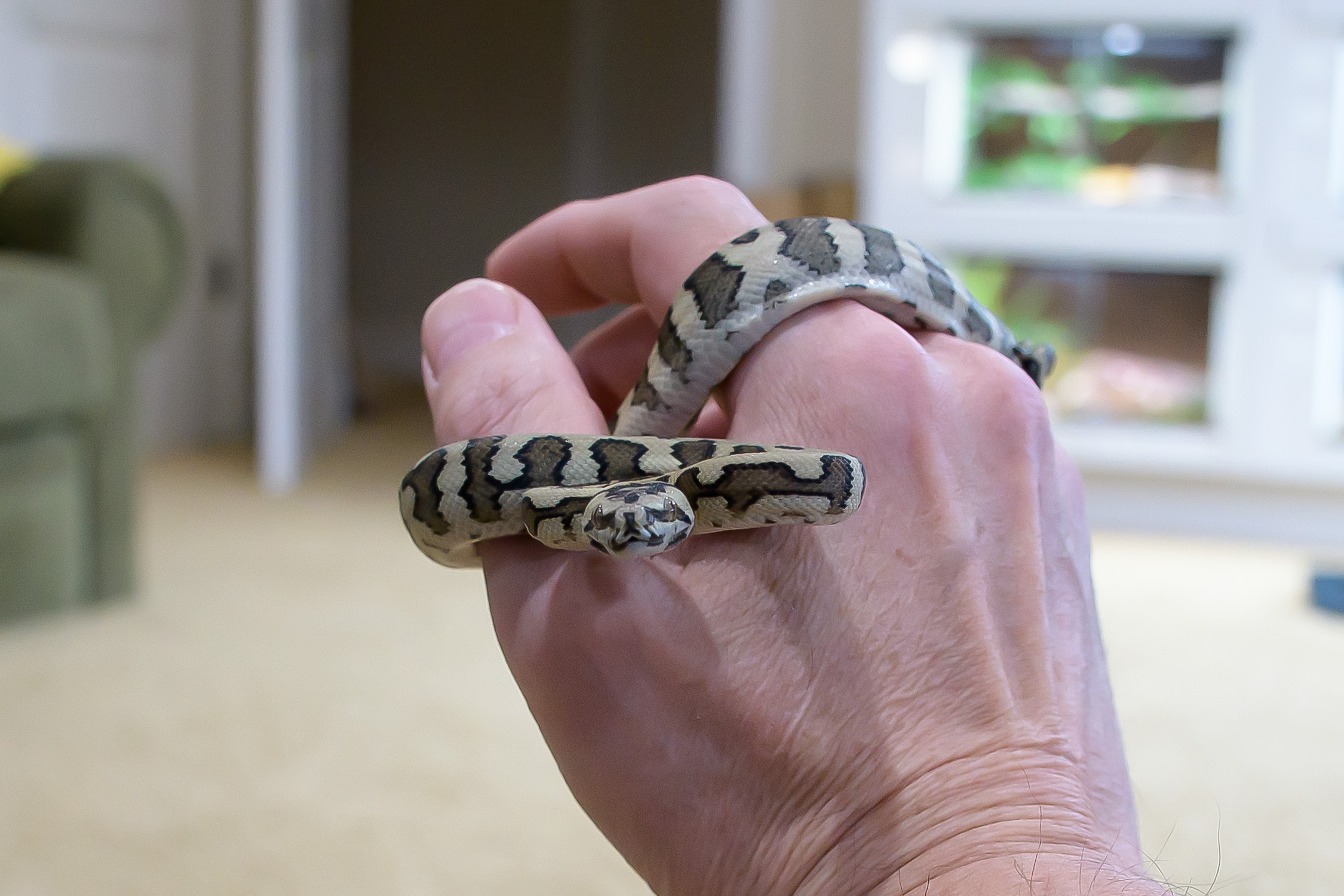 2022, Baby Jaguar Coastal
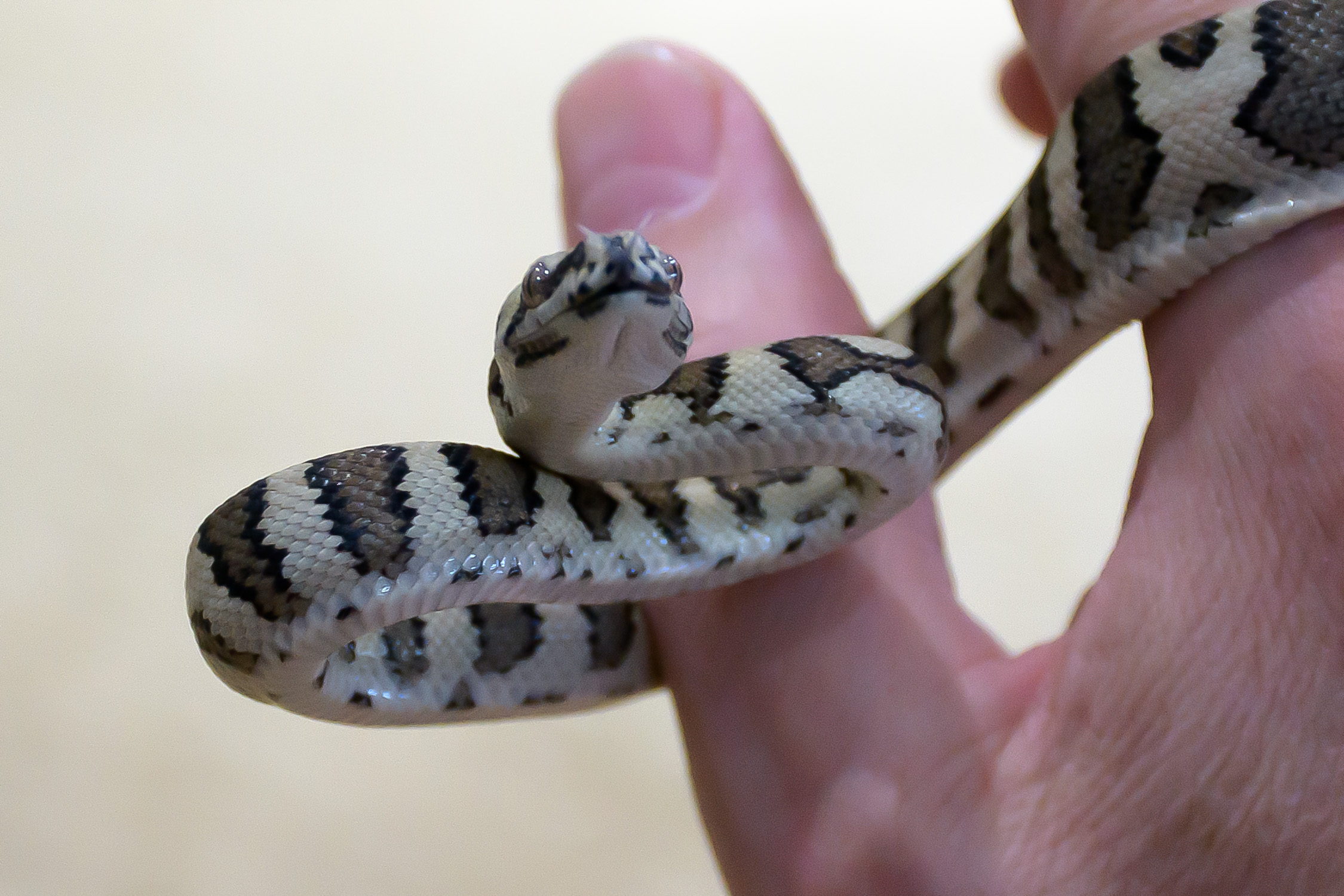 2022, Baby Jaguar Coastal
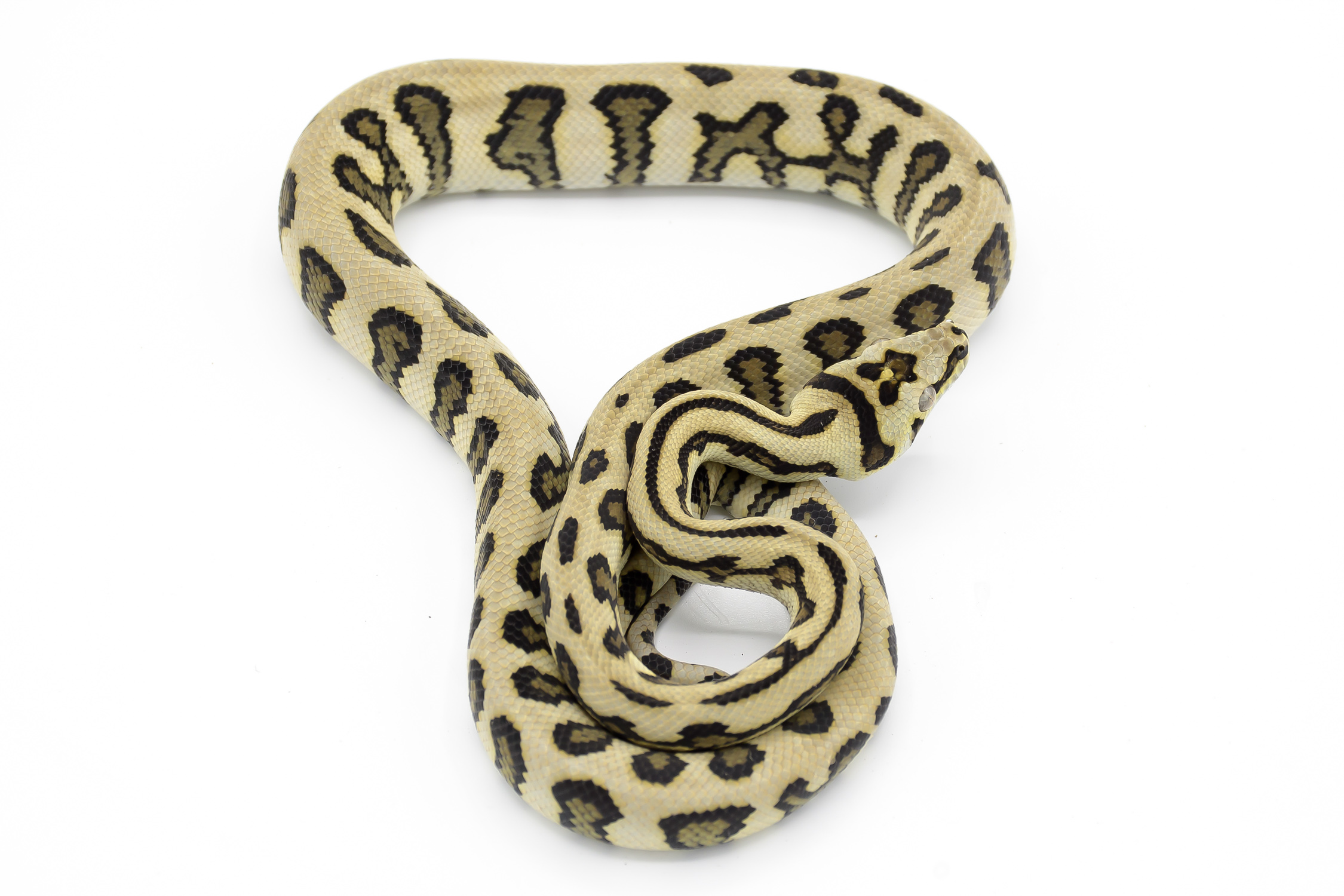 2023, Baby Jaguar Coastal
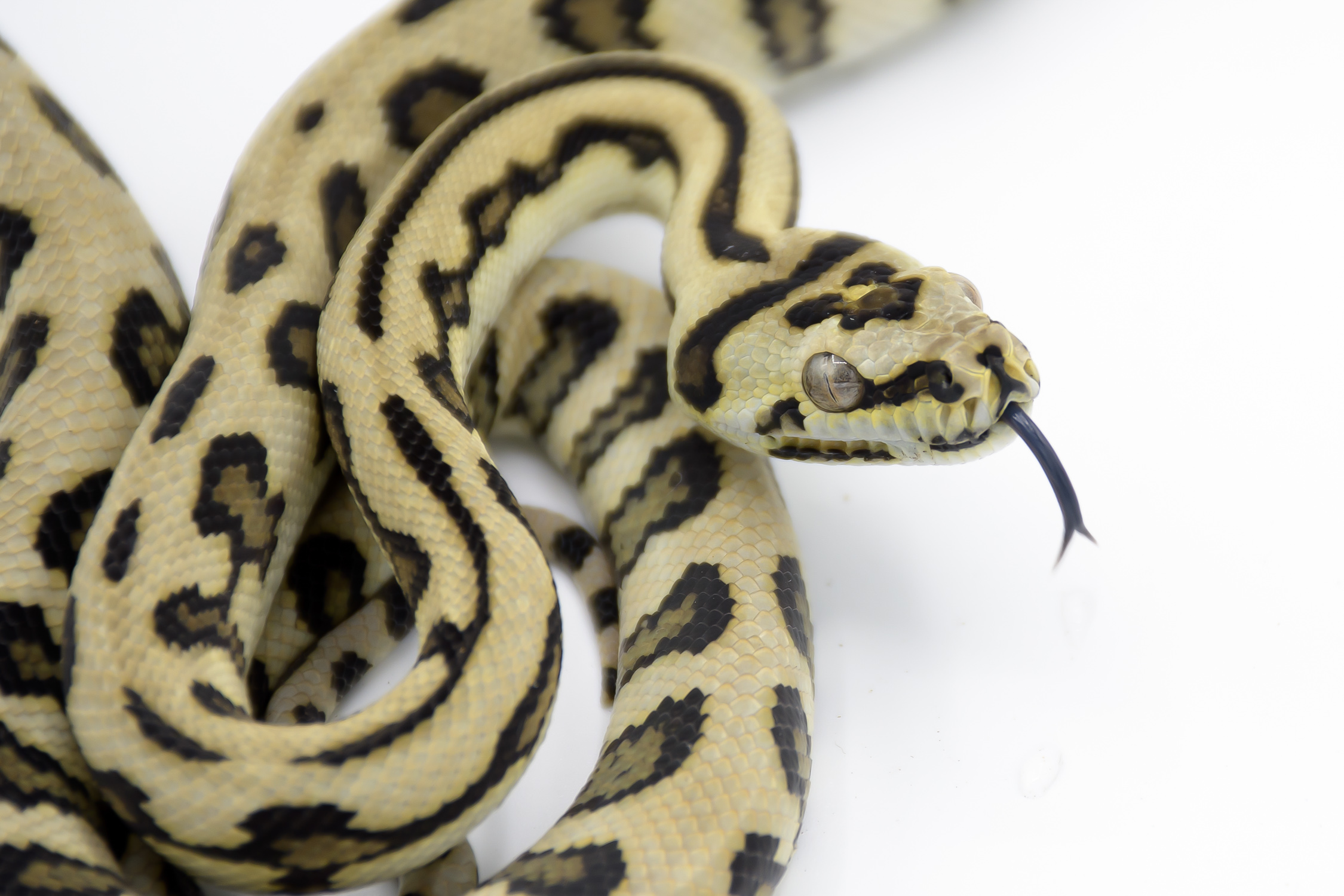 2023, Baby Jaguar Coastal
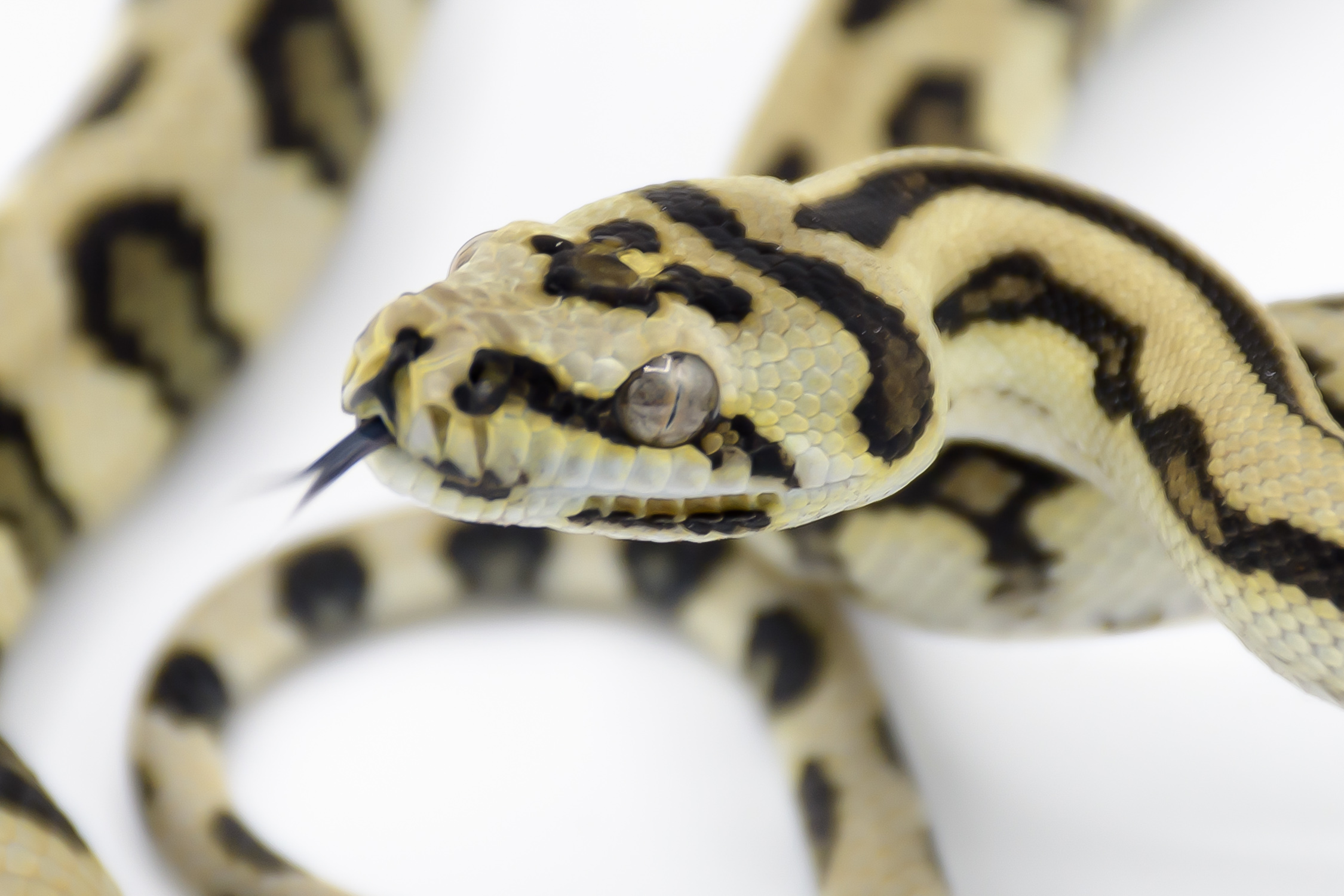 2023, Baby Jaguar Coastal
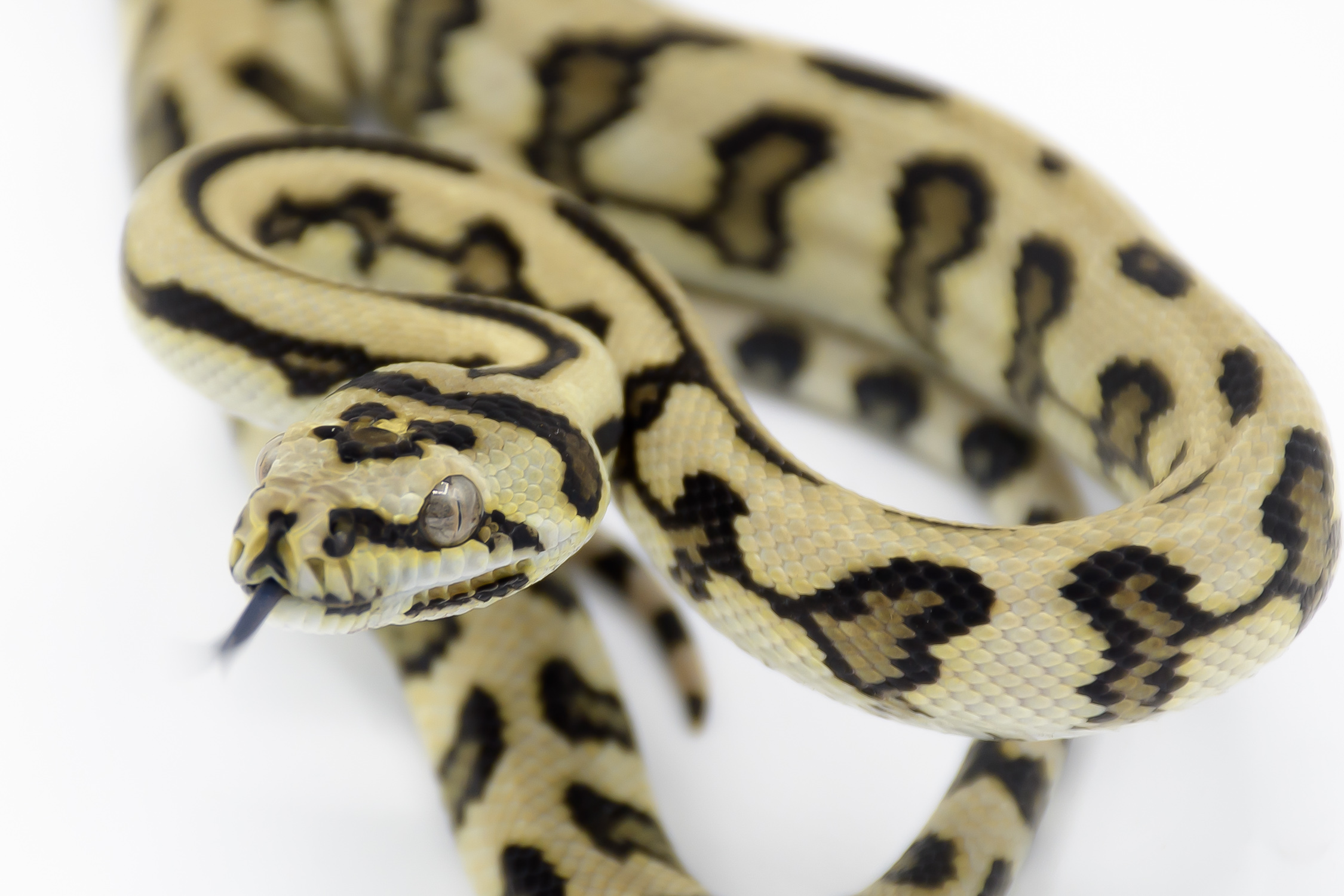 2023, Baby Jaguar Coastal
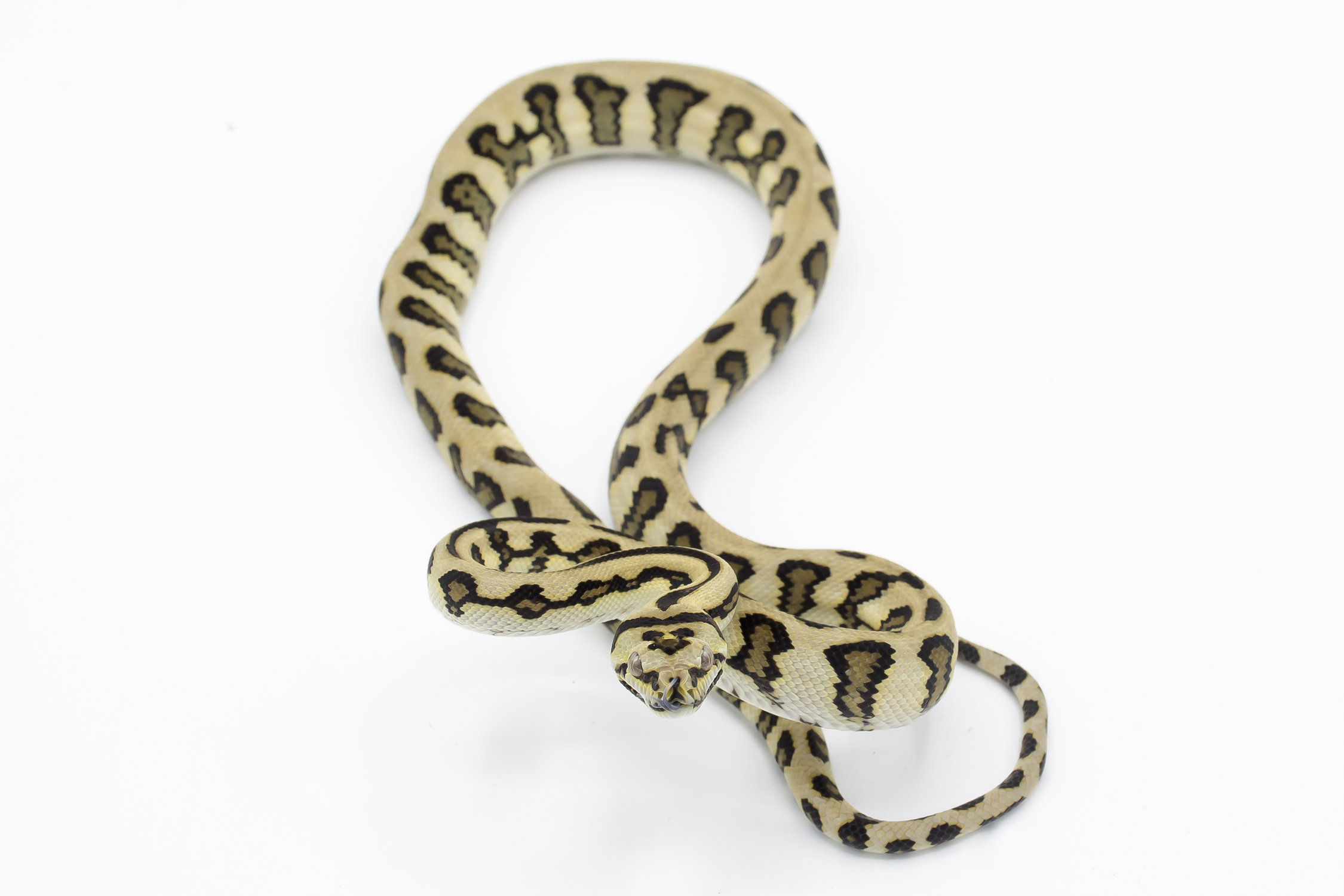 2023, Baby Jaguar Coastal
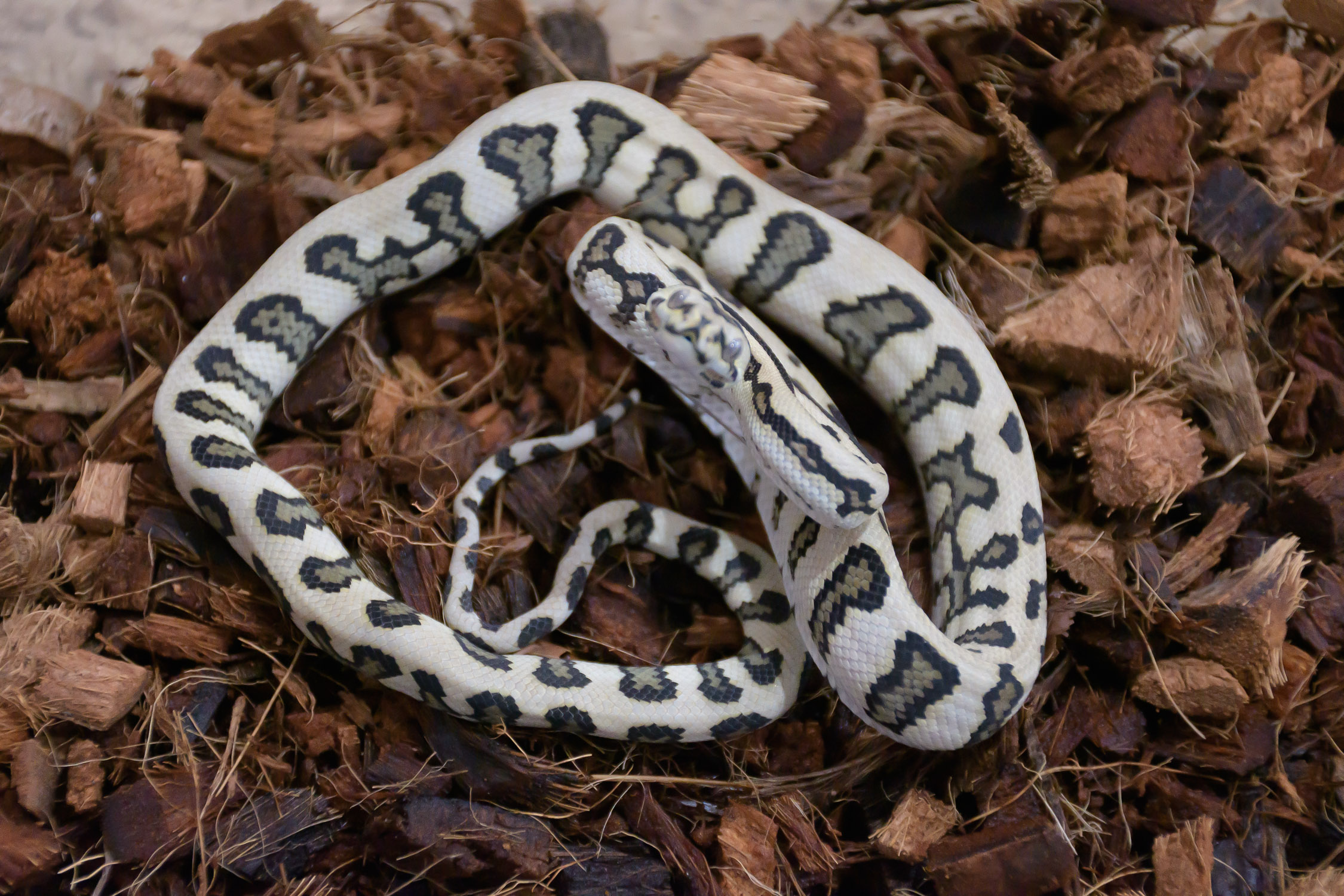 2023, Baby Jaguar Coastal
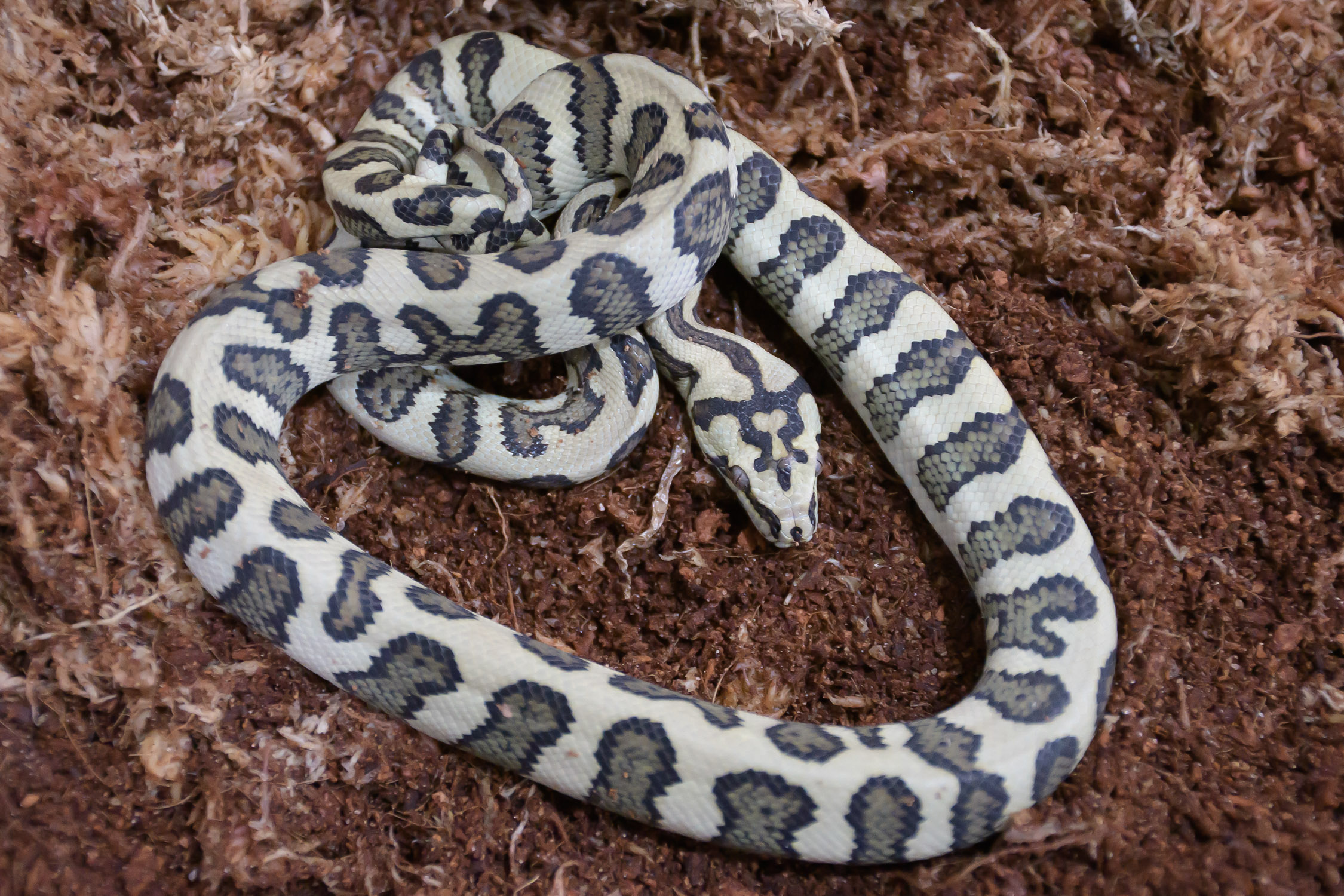 2023, Baby Jaguar Coastal
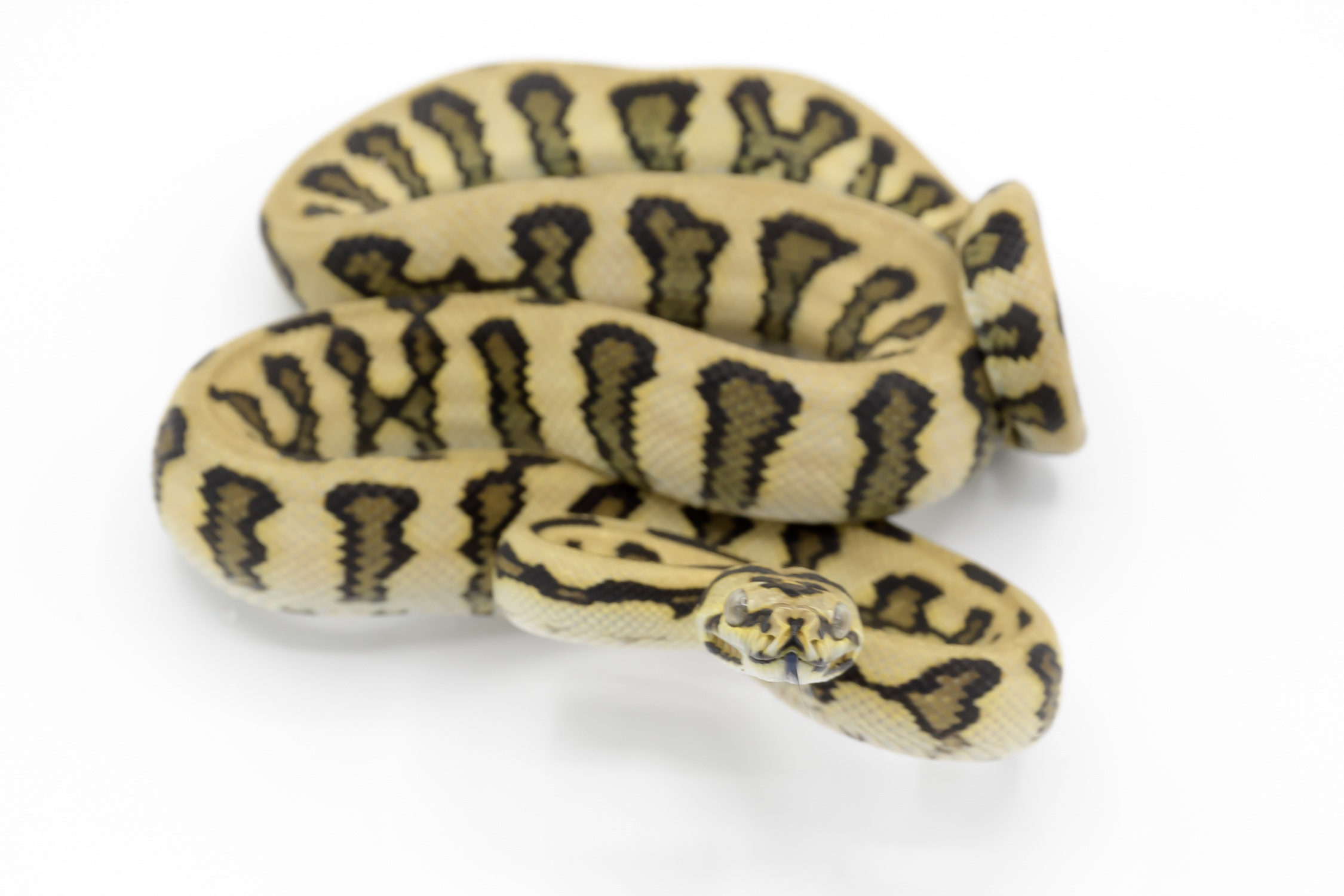 2023, Baby Jaguar Coastal
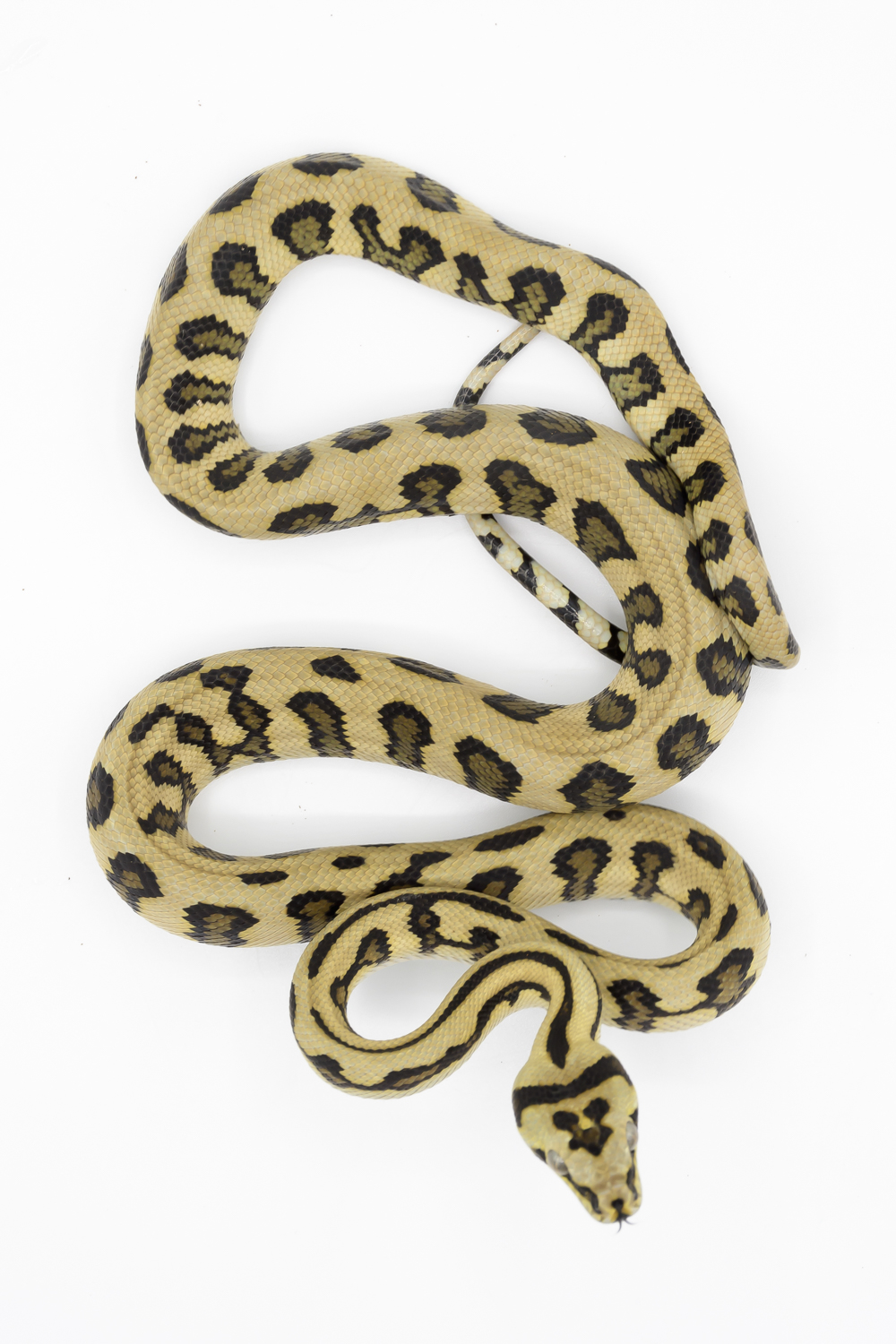 2023, Baby Jaguar Coastal
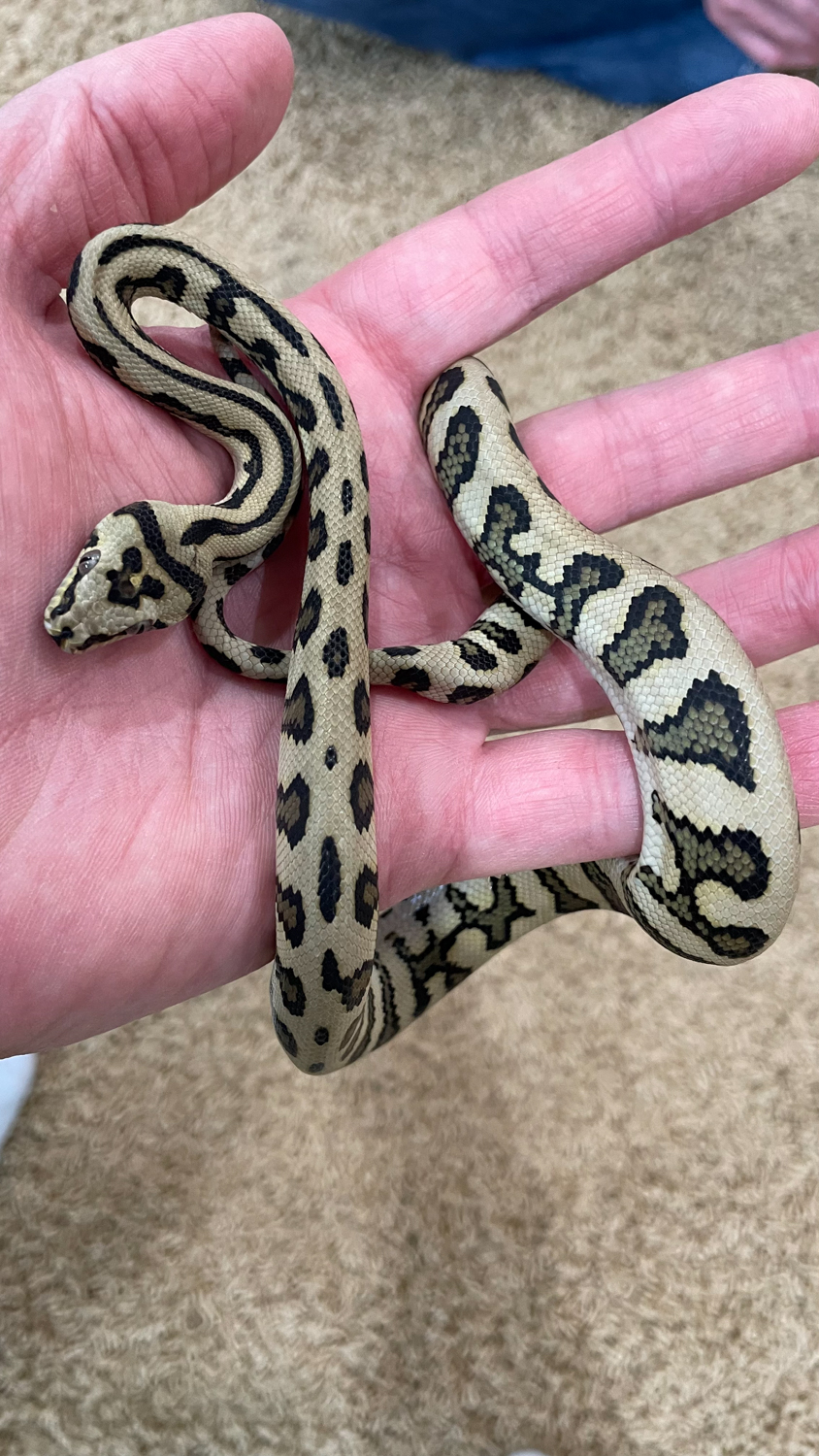 2023, Baby Jaguar Coastal
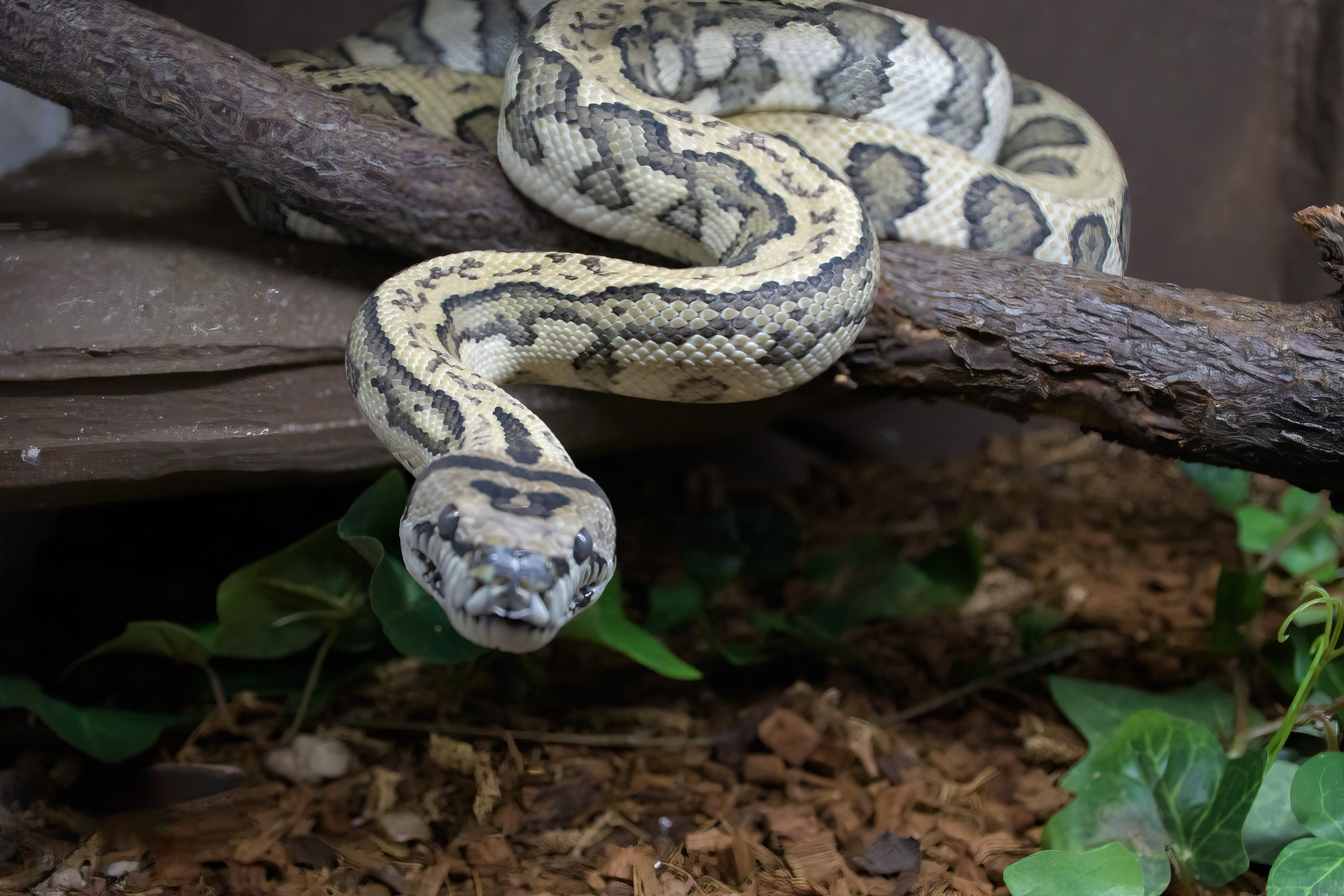 Ute, 2023
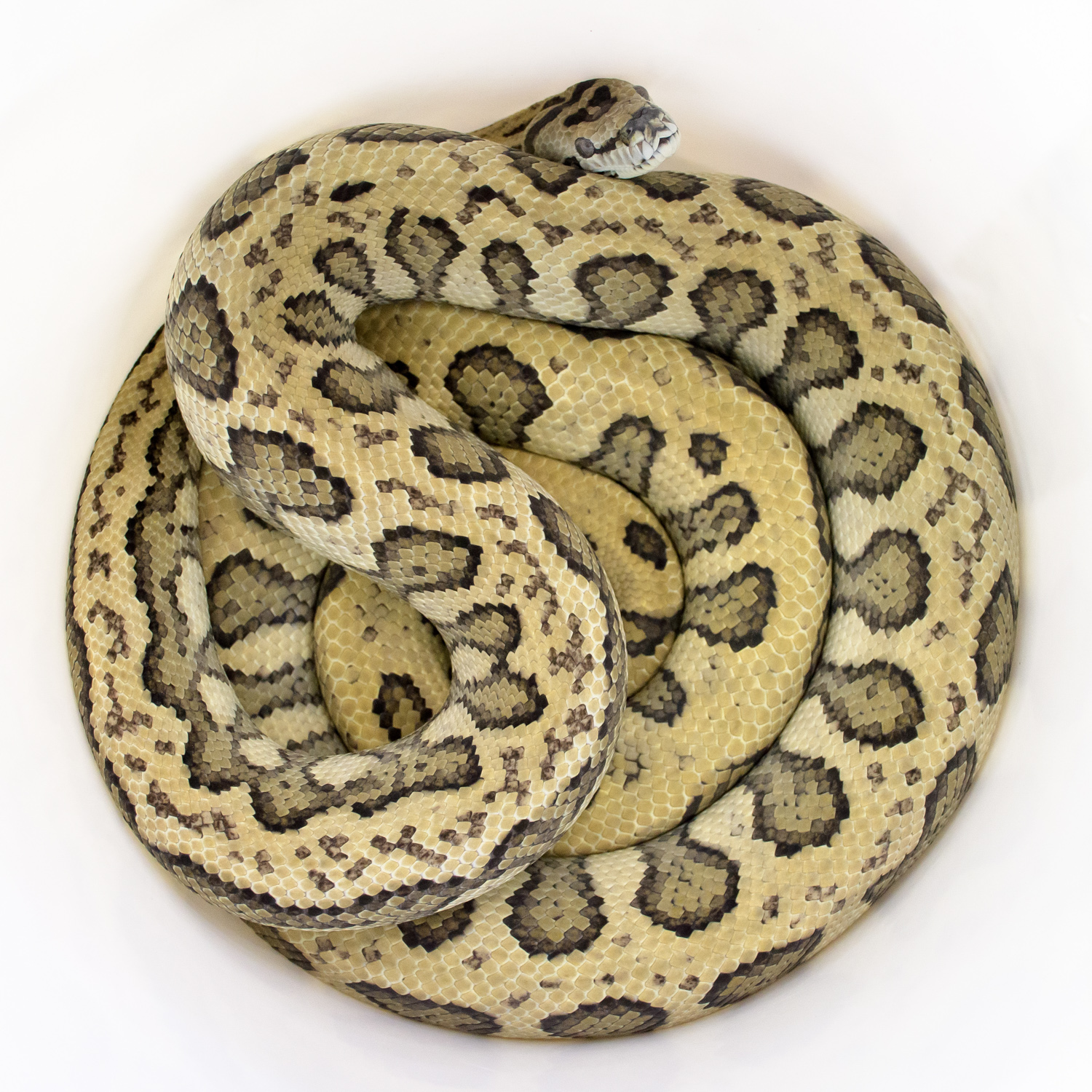 Ute, 2023
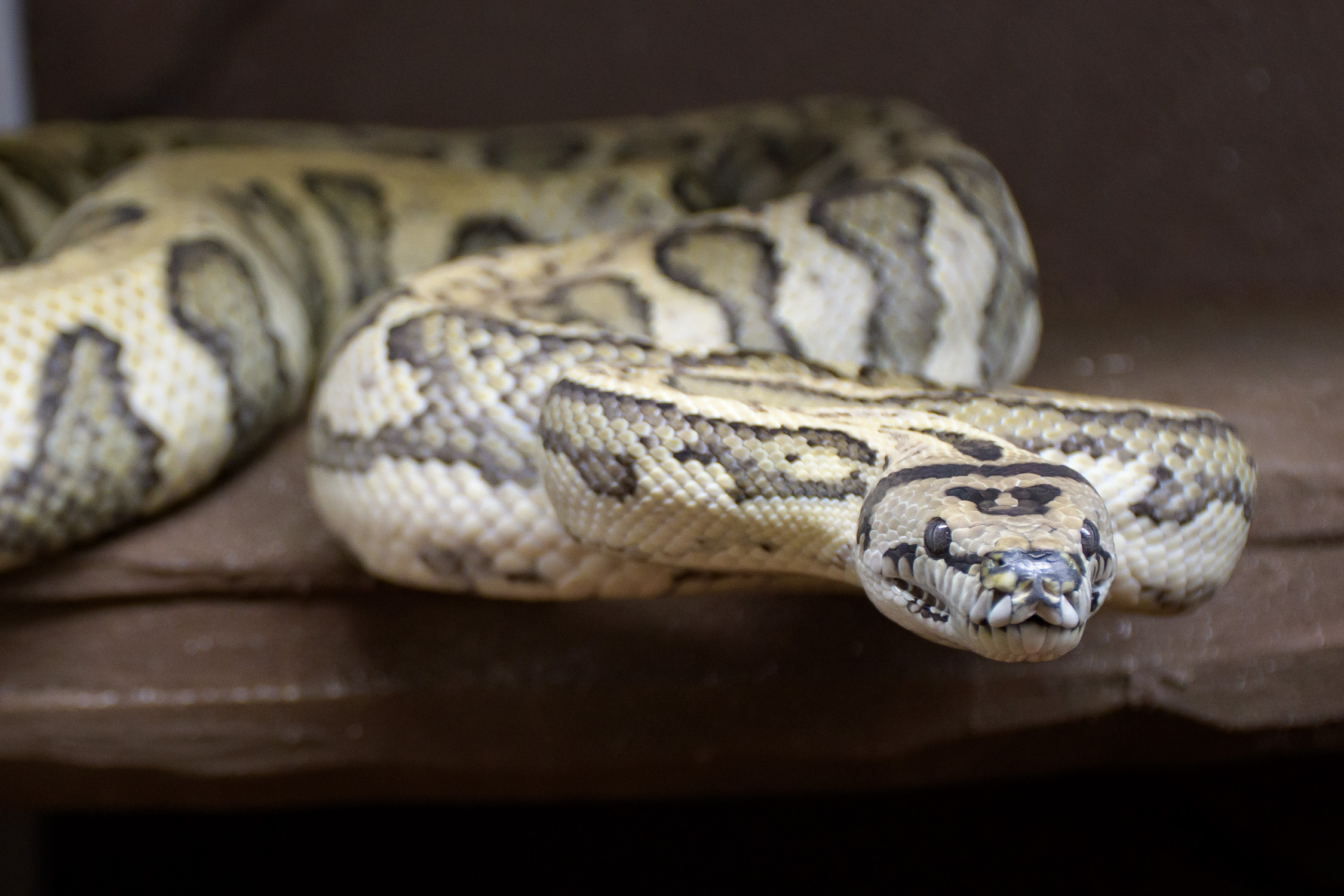 Ute, 2023
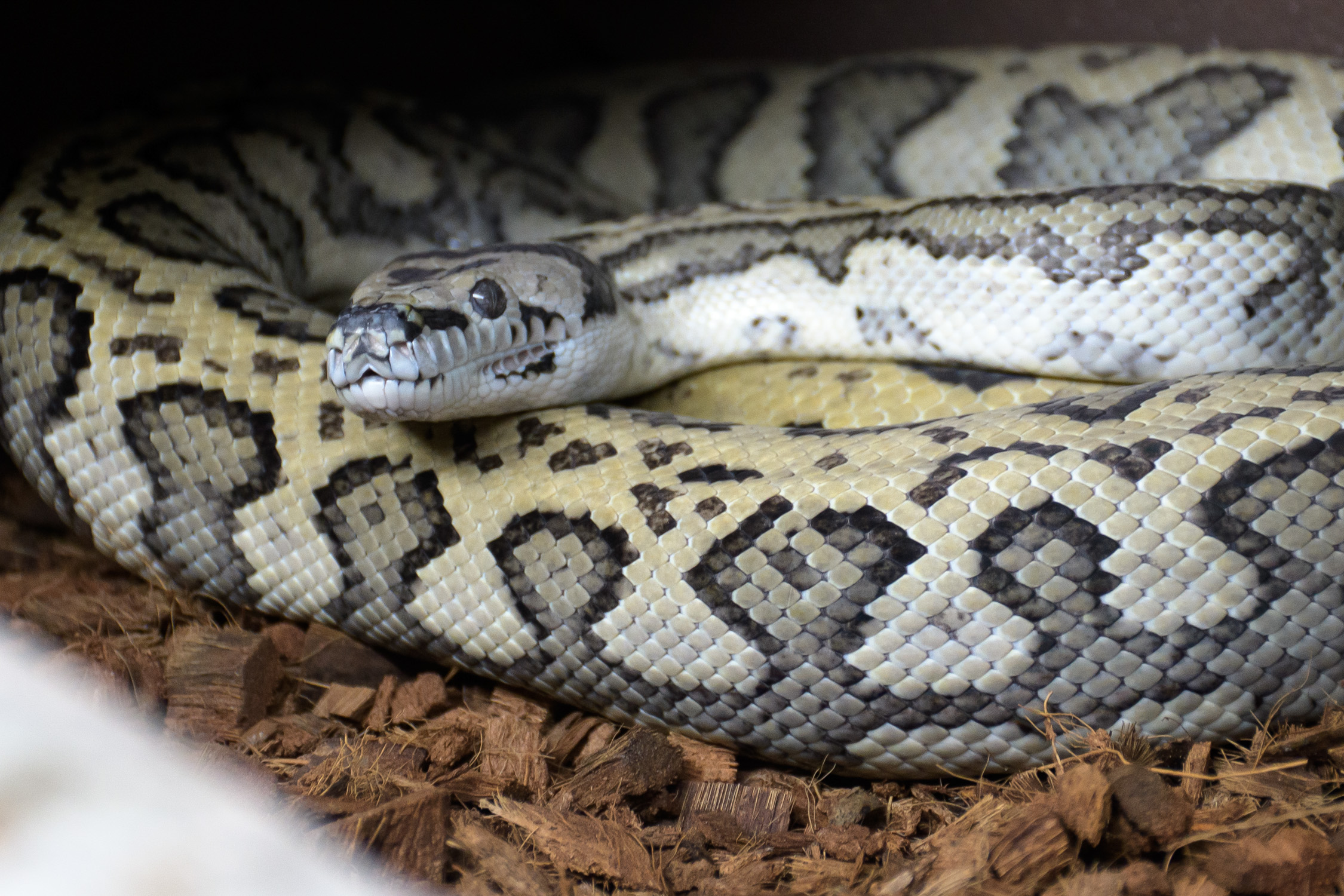 Ute, 2024
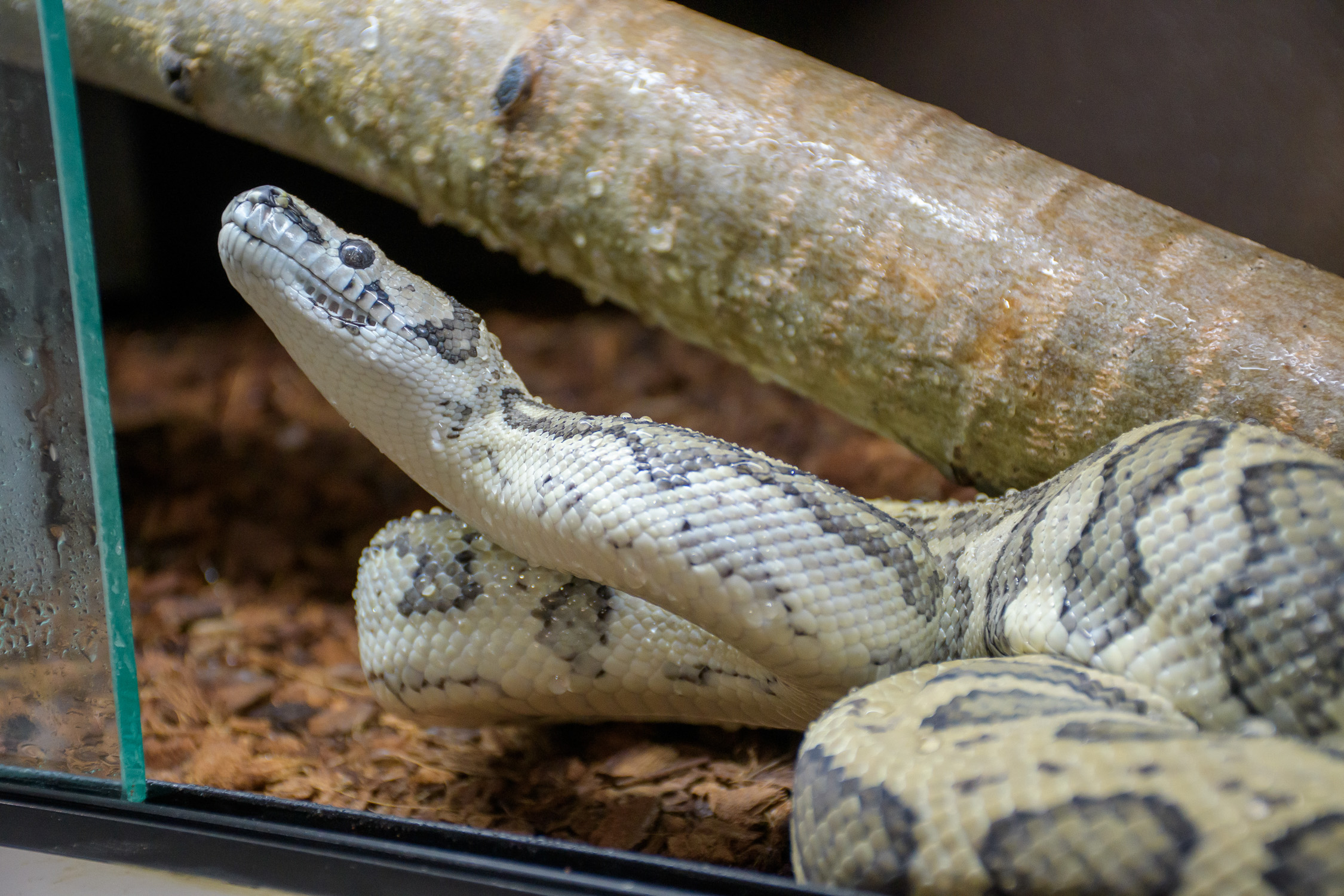 Ute, 2024
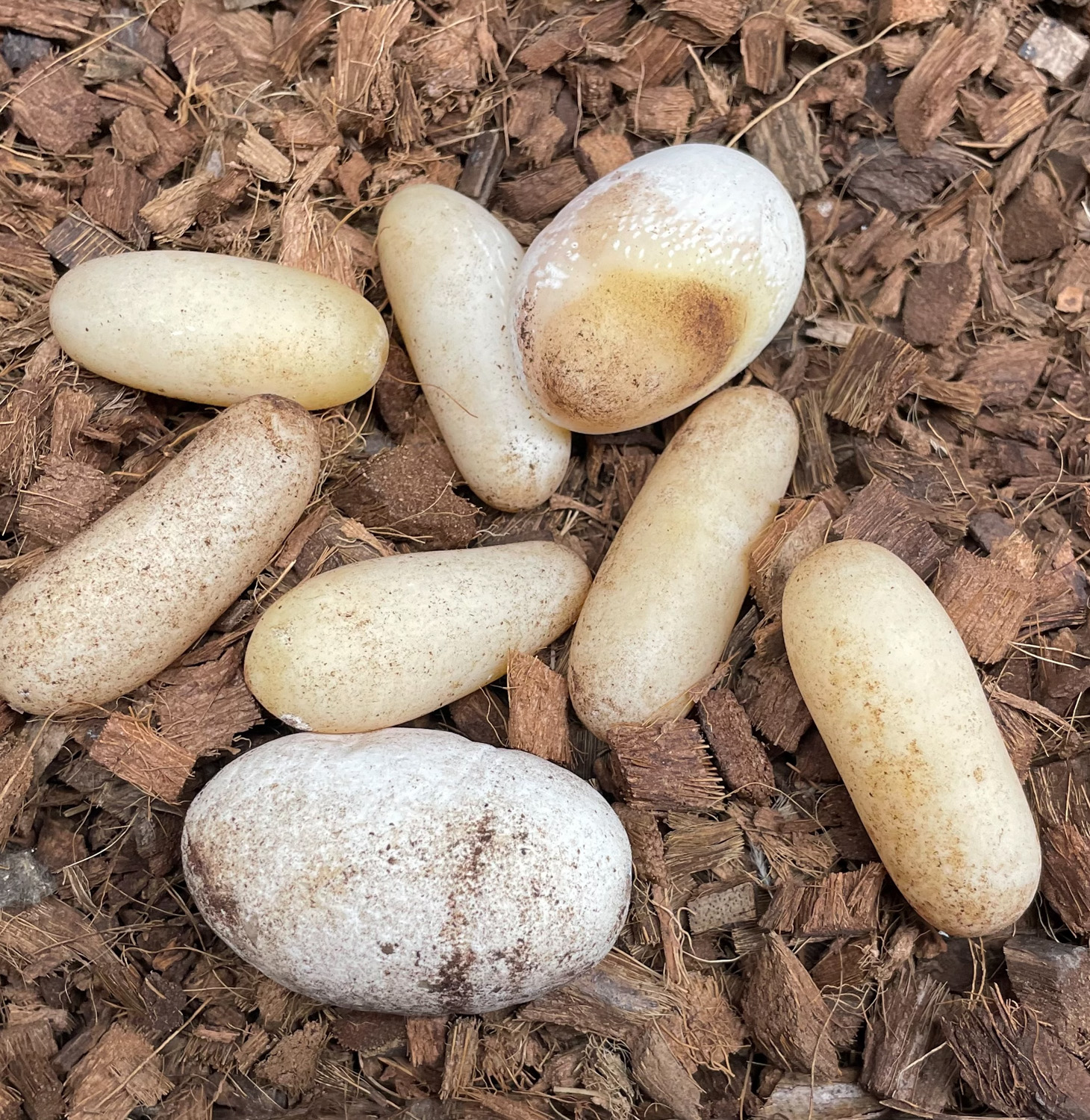 2025 Clutch
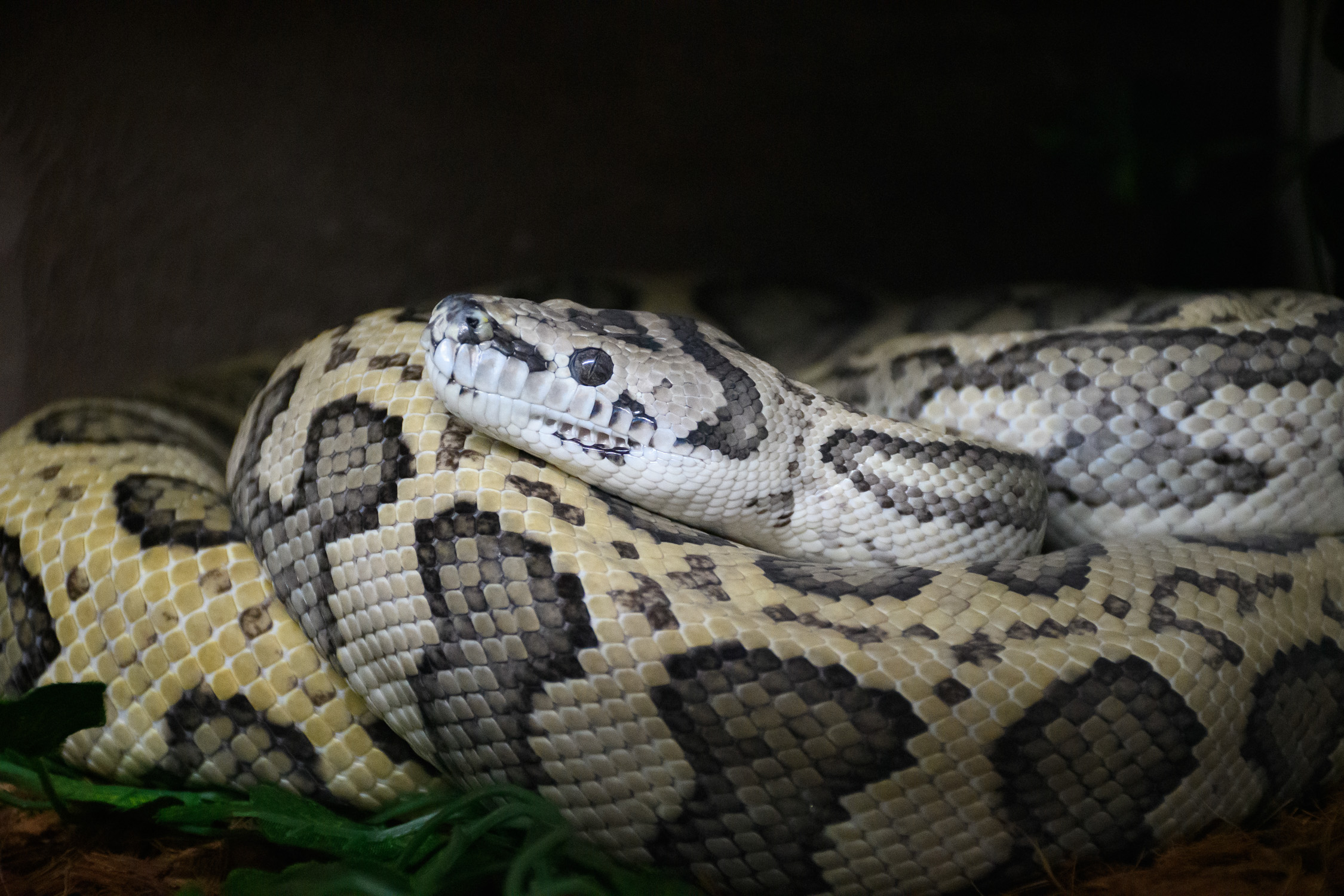 Ute, 2025
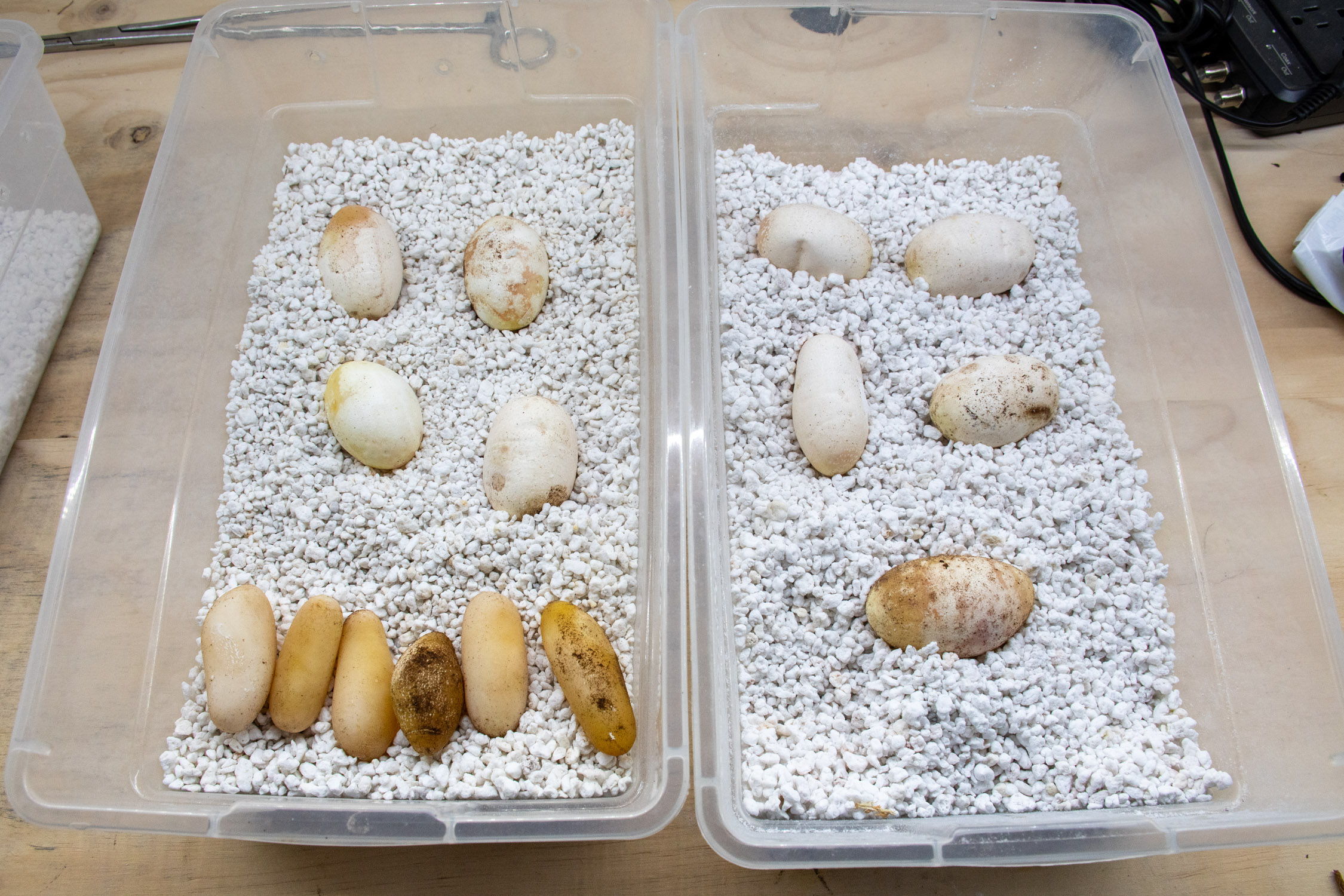 2026 Clutch
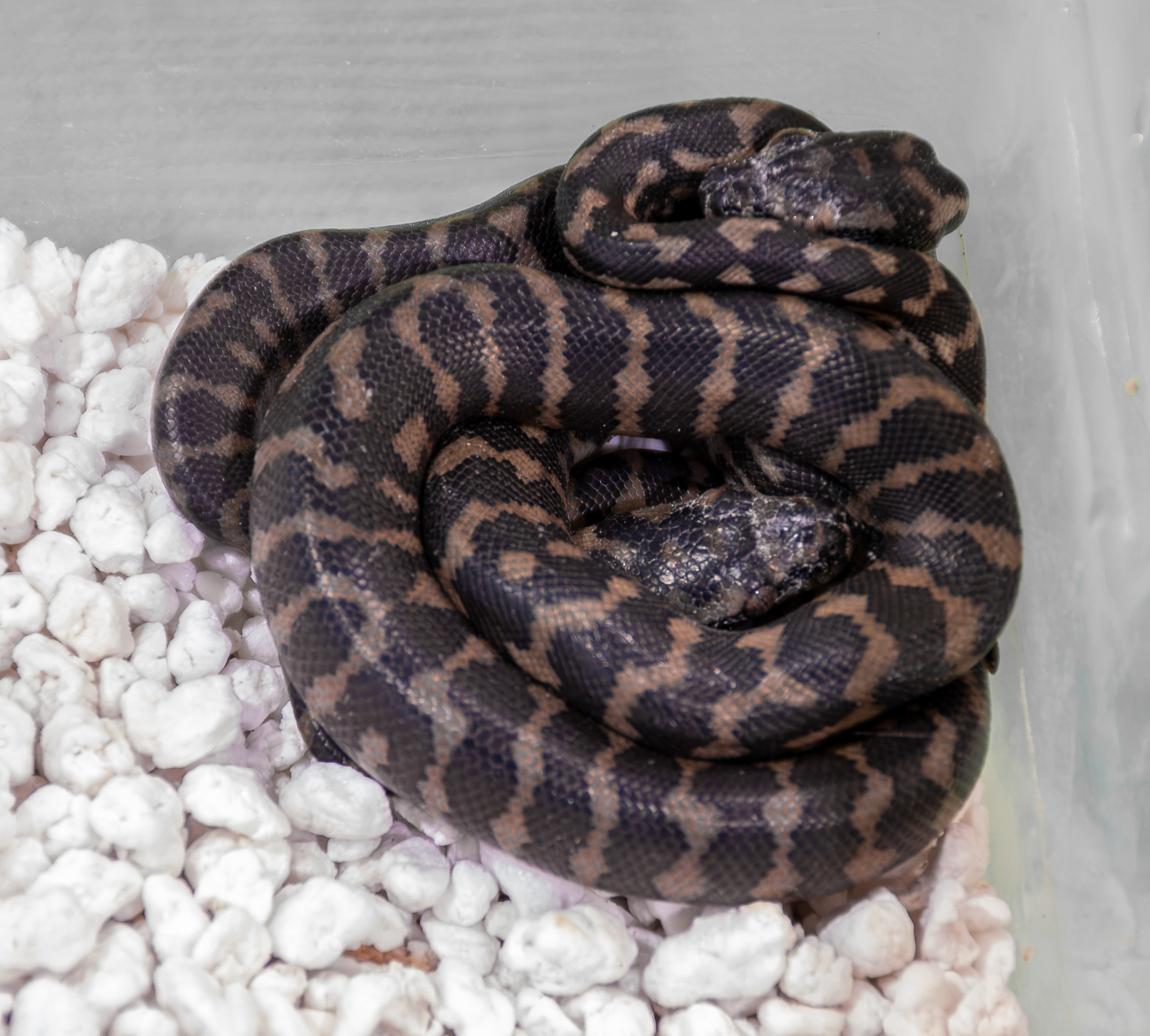 2026 Clutch
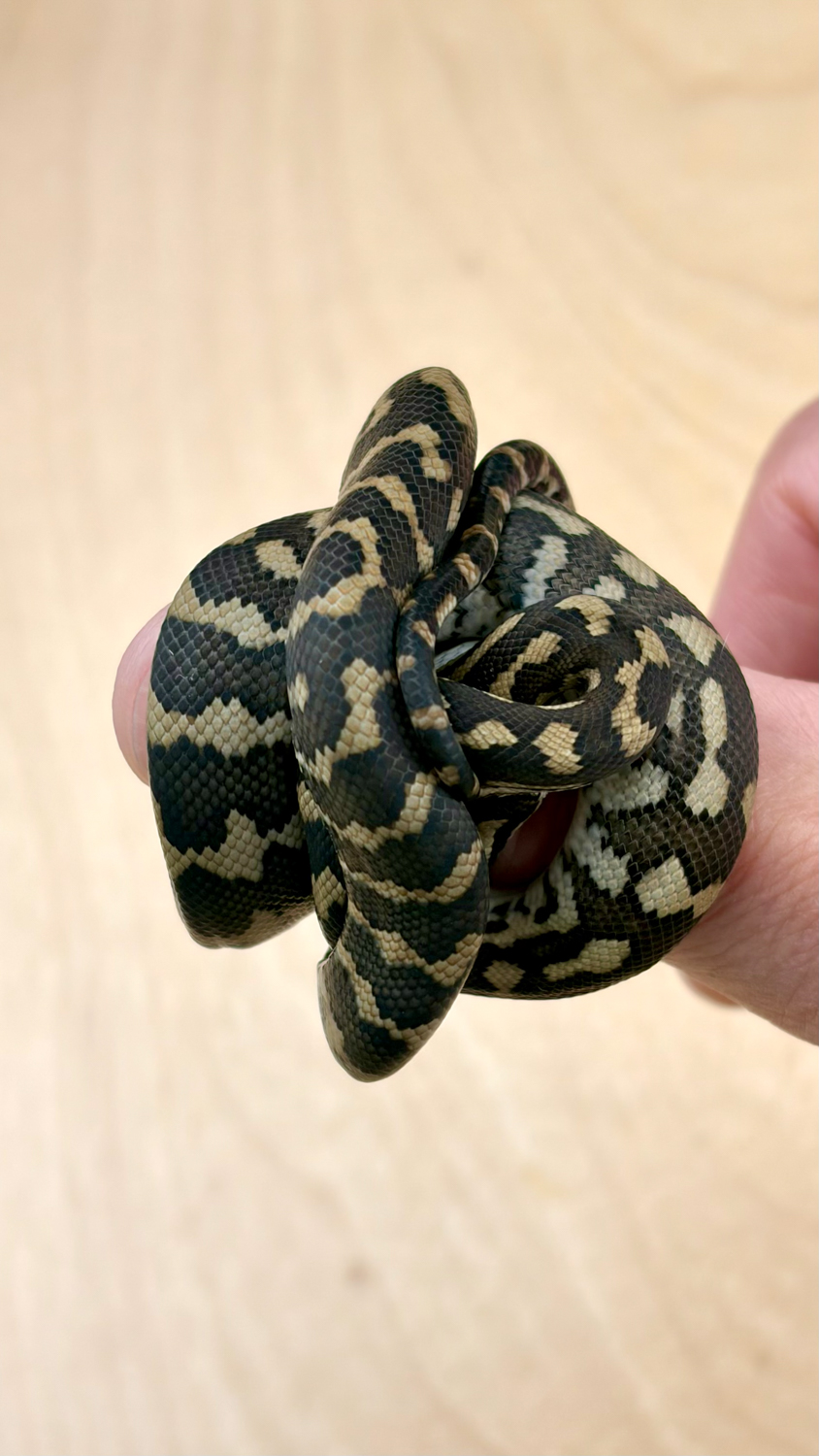 2026 Baby Carpet
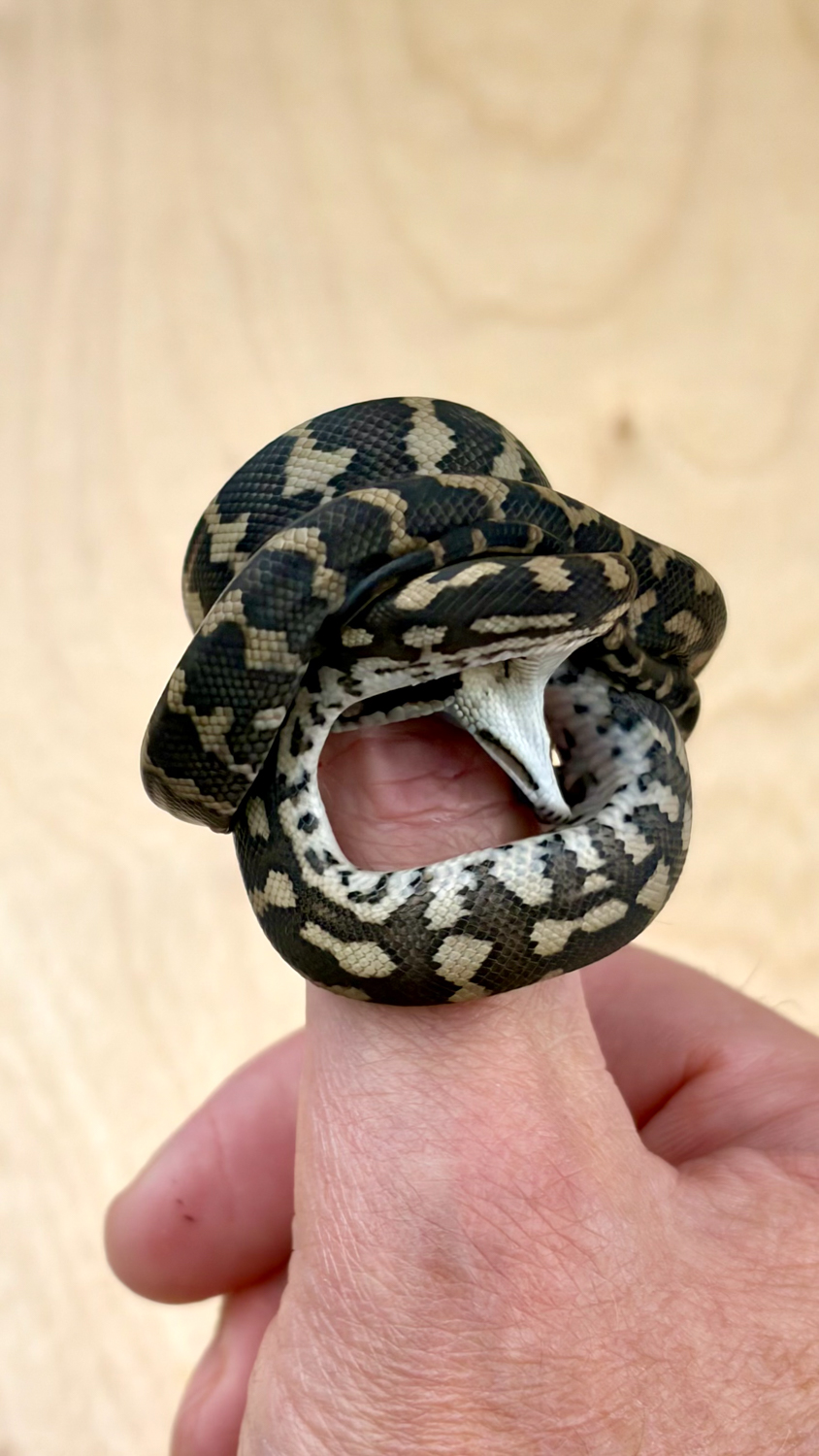 2026 Baby Carpet eating my thumb
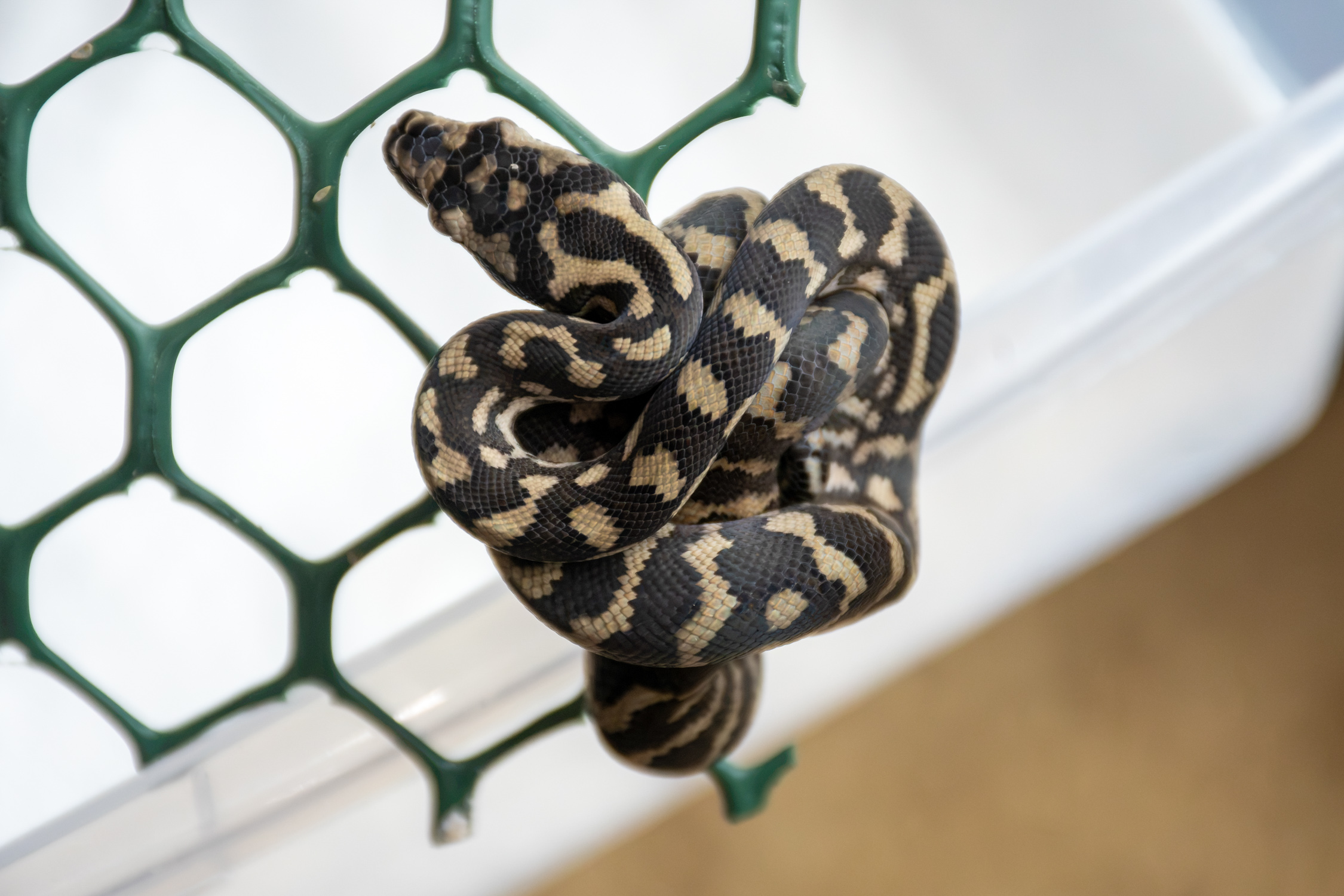 2026 Baby Carpet
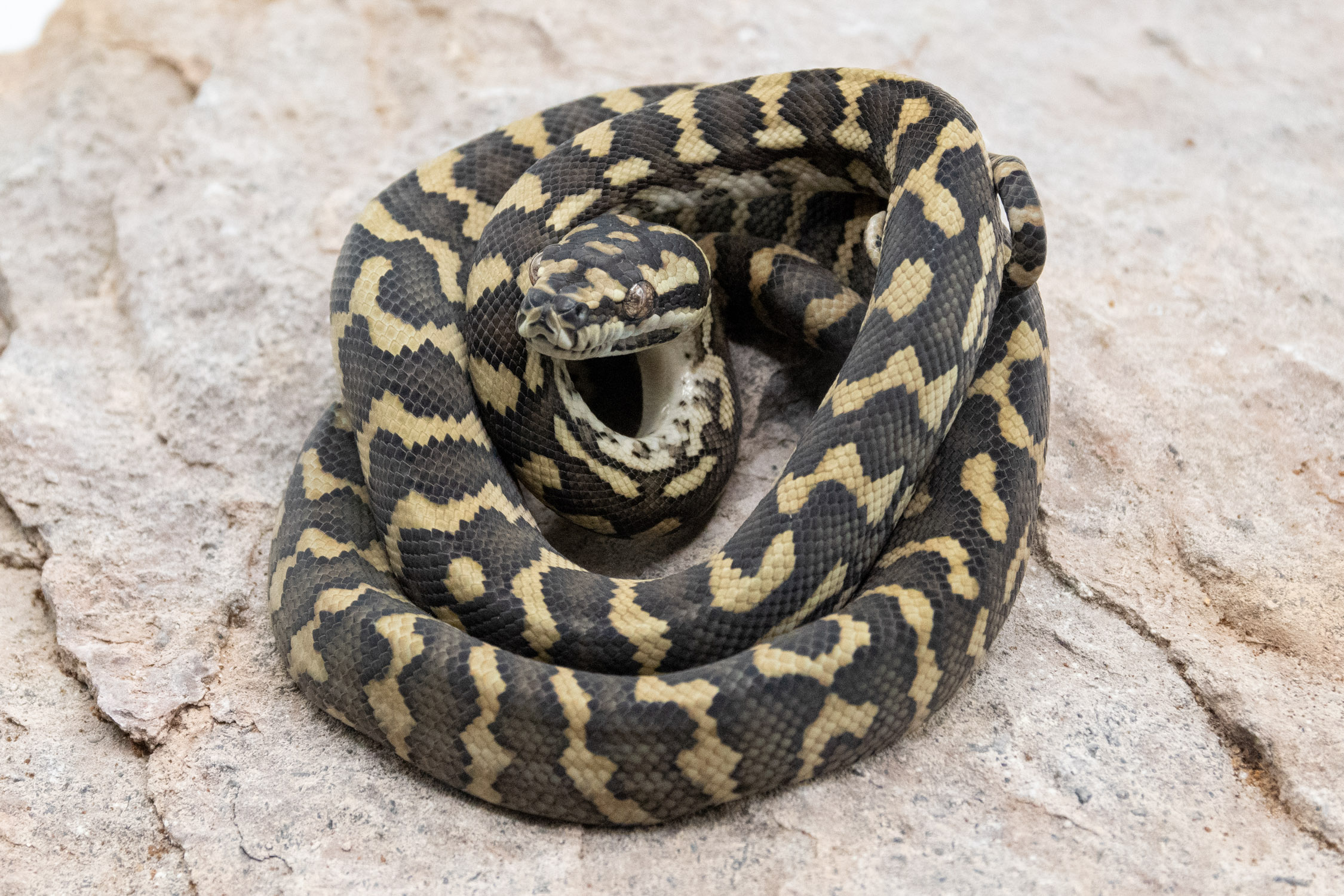 2026 Baby Carpet
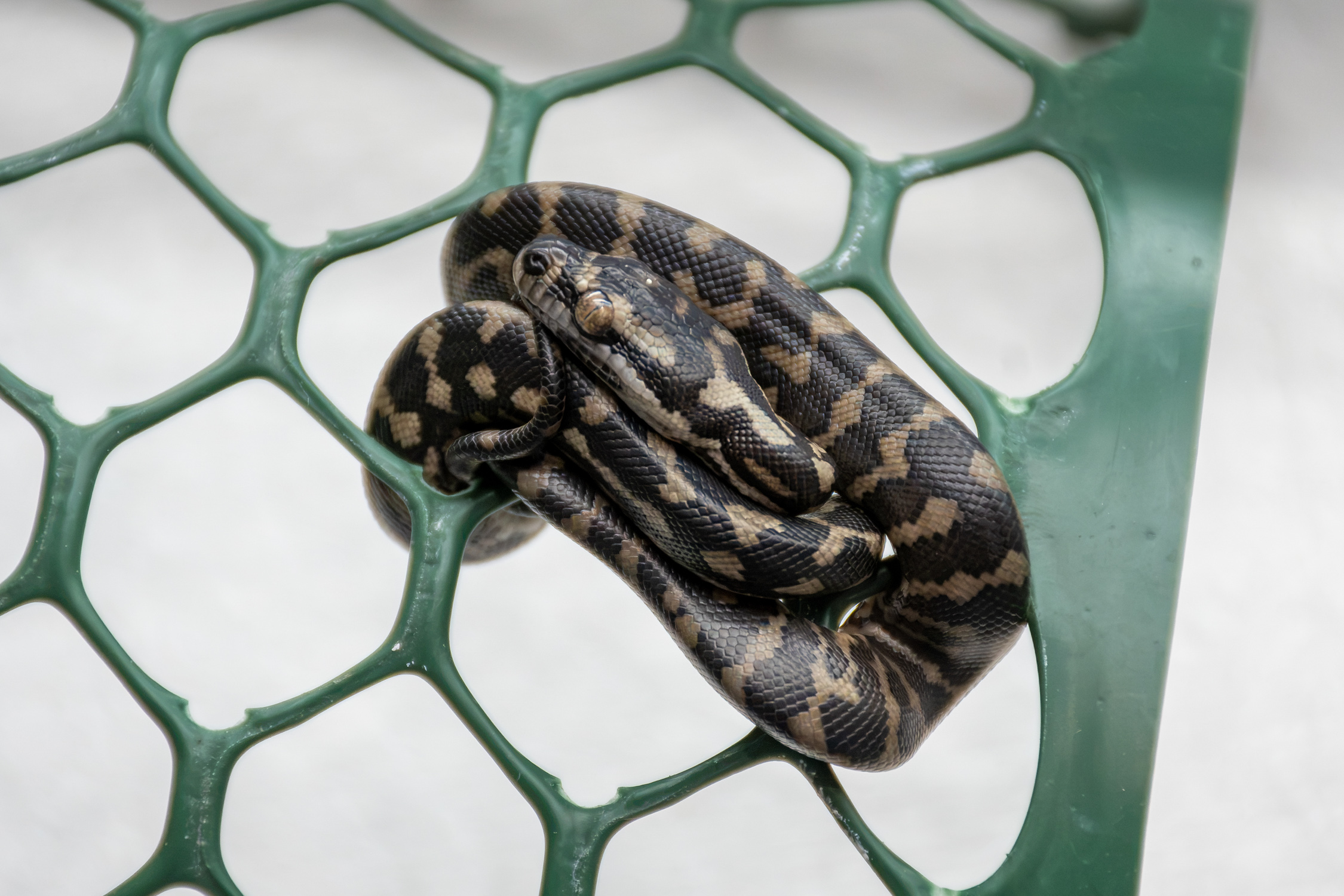 2026 Baby Carpet
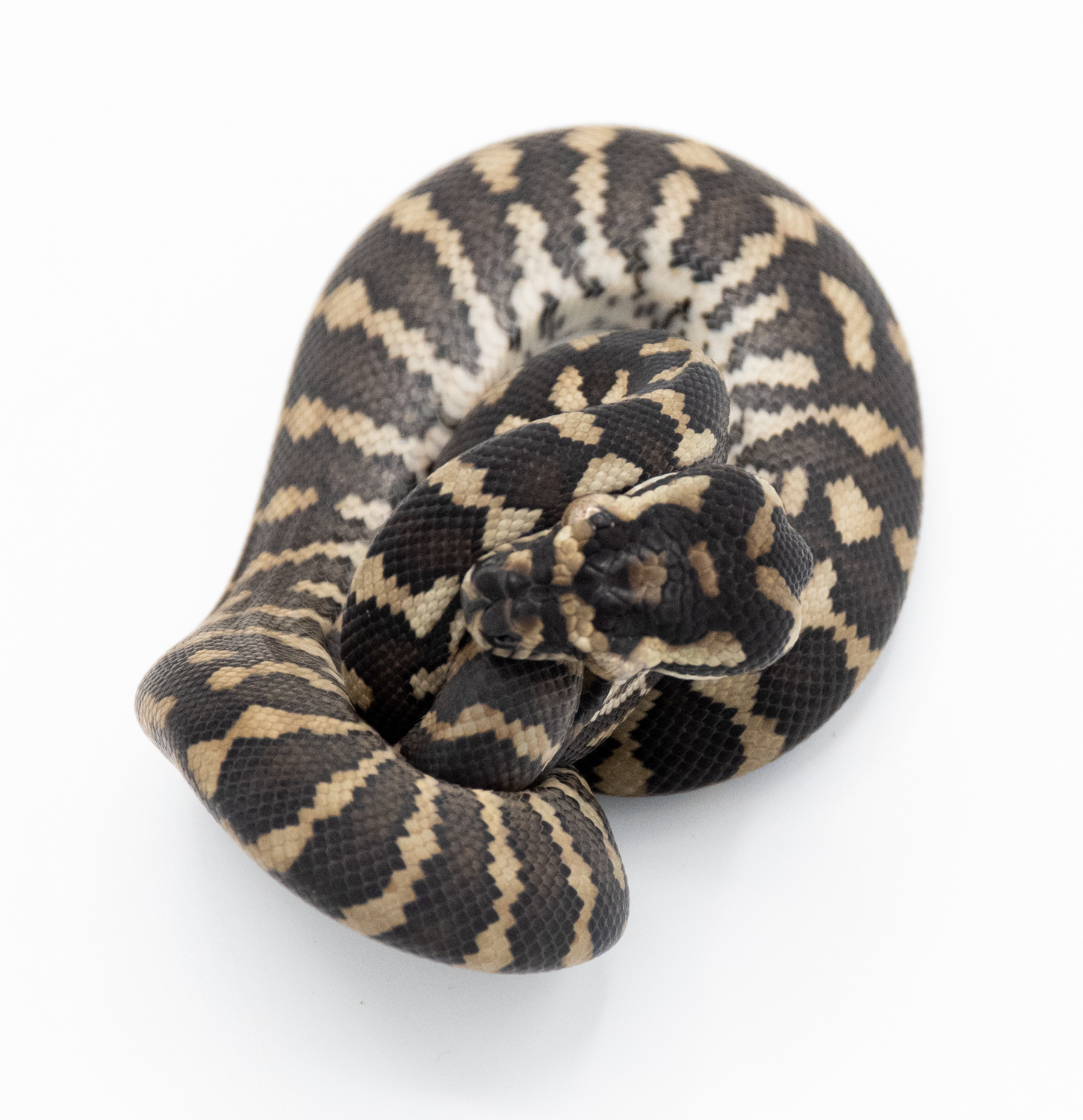 2026 Baby Carpet
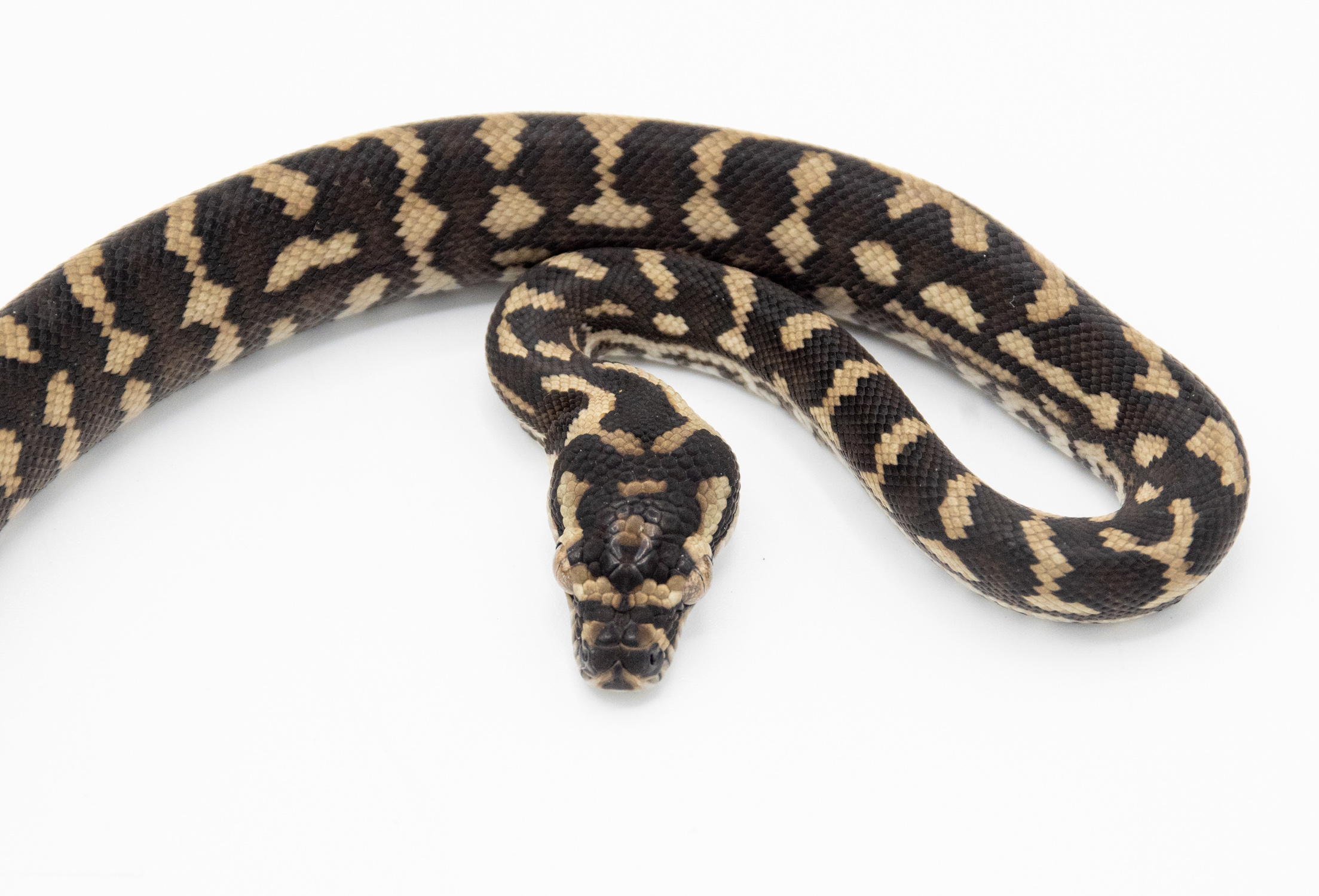 2026 Baby Carpet
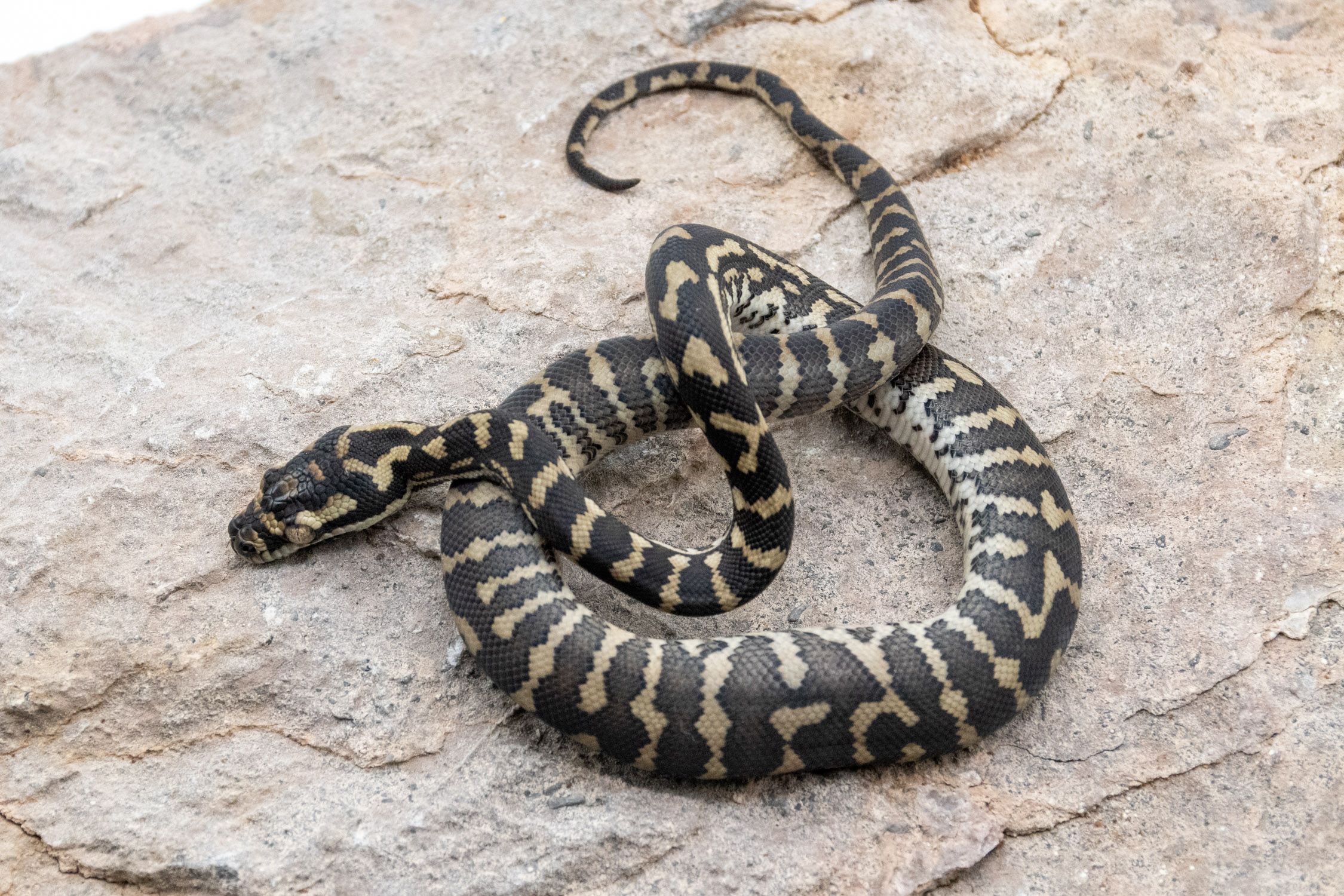 2026 Baby Carpet