Honduran Milksnakes
Lampropeltis triangulum hondurensis
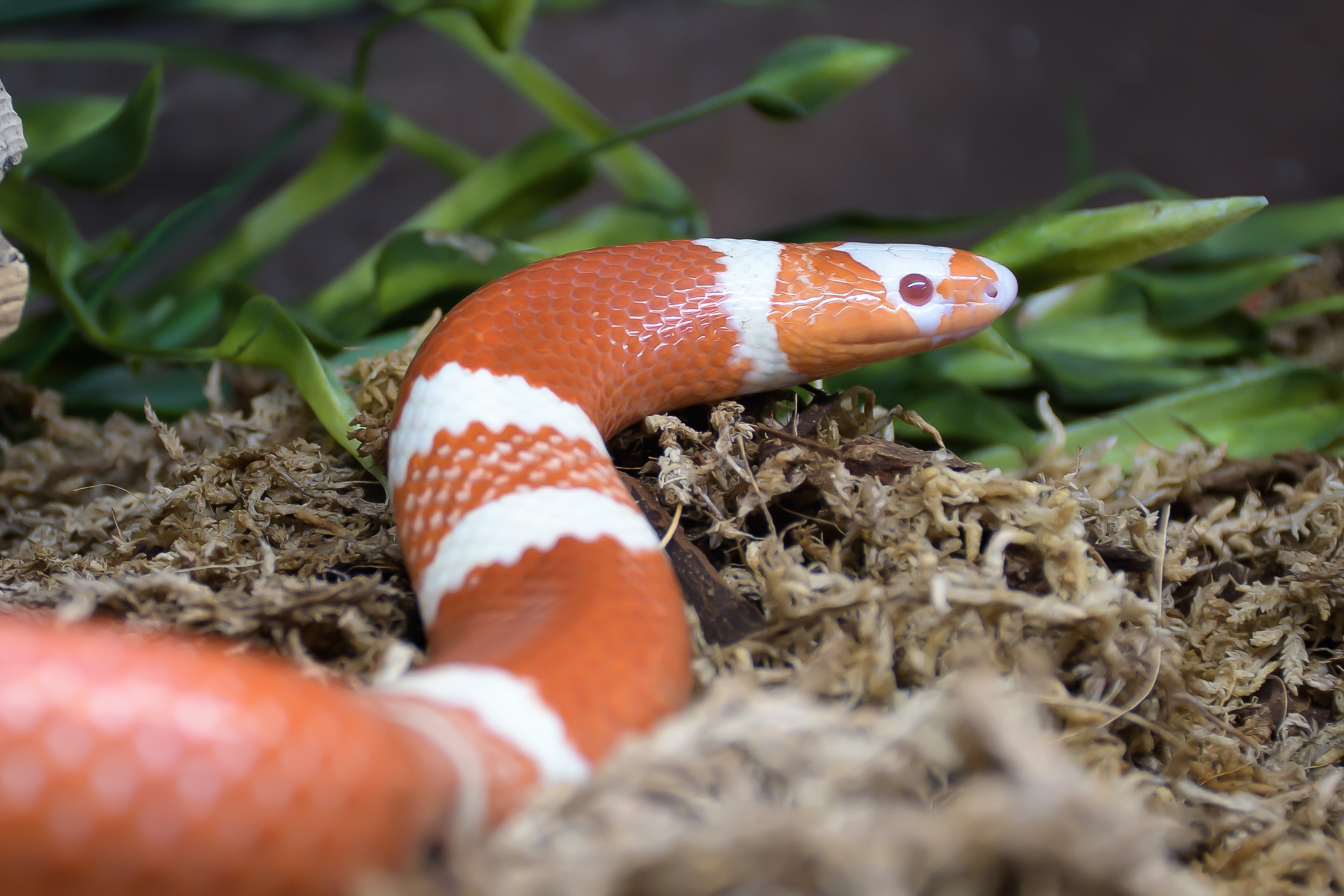
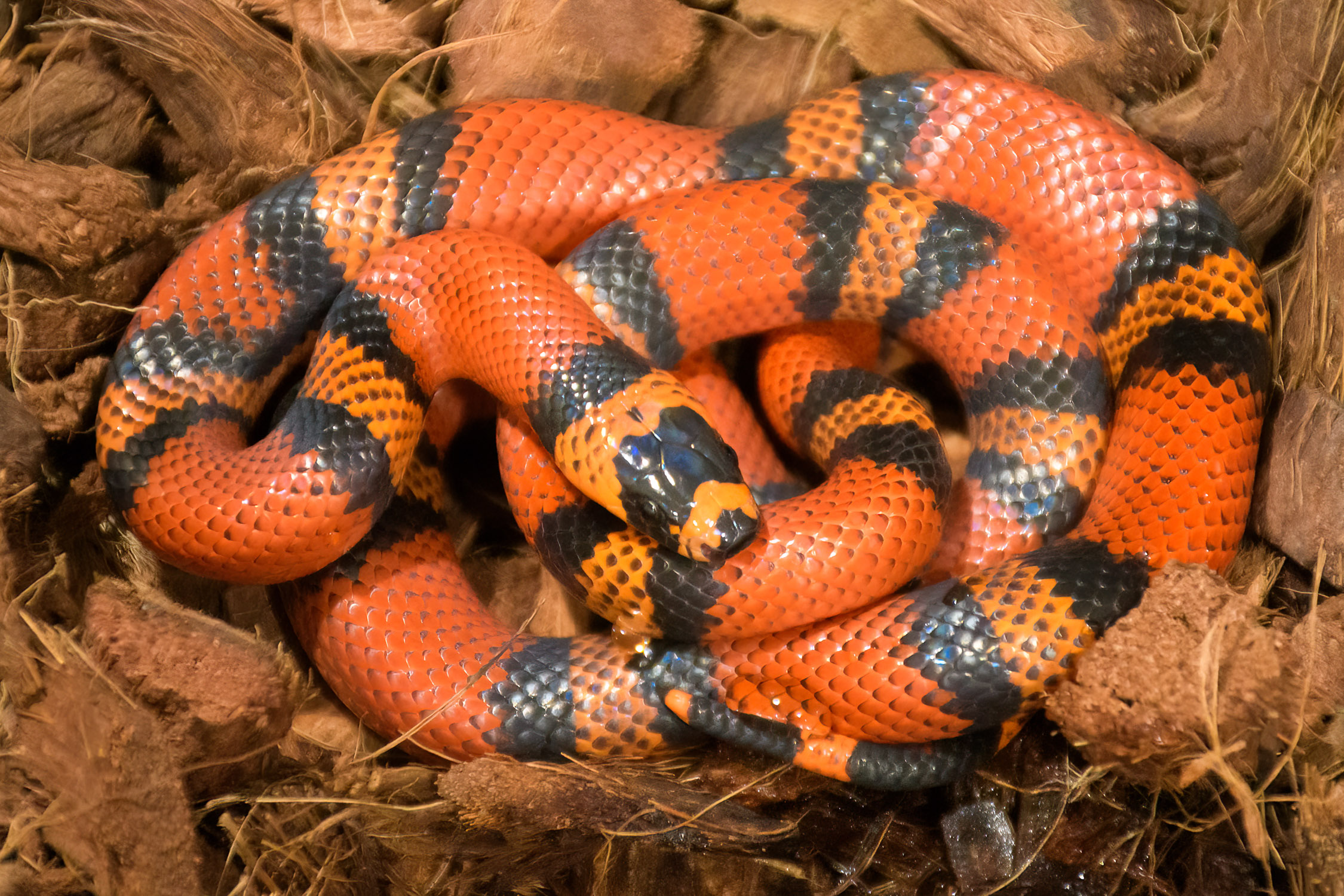
I love all snakes that have red or orange on them so of course I love Honduran Milksnakes. The wild phenotypes - tricolors and tangerines - are amazing, and I like the albino version of each of them as well. And this kind of goes against what I just said but the anerythristic version is on my wish list too.
I bought Saturcka when she was a baby and then it took almost 8 years for me to find a suitable partner for her with the genetics that I wanted. I finally found Suncka in 2023 and have bred them together several times.
Honduran milksnakes are beautiful animals that are easy to handle once they grow out of their baby stage. Mine have never bitten me but I have heard of occasional reports that they bite.
Husbandry
See how to read the husbandry charts.
Temperatures, Humidity, and Light
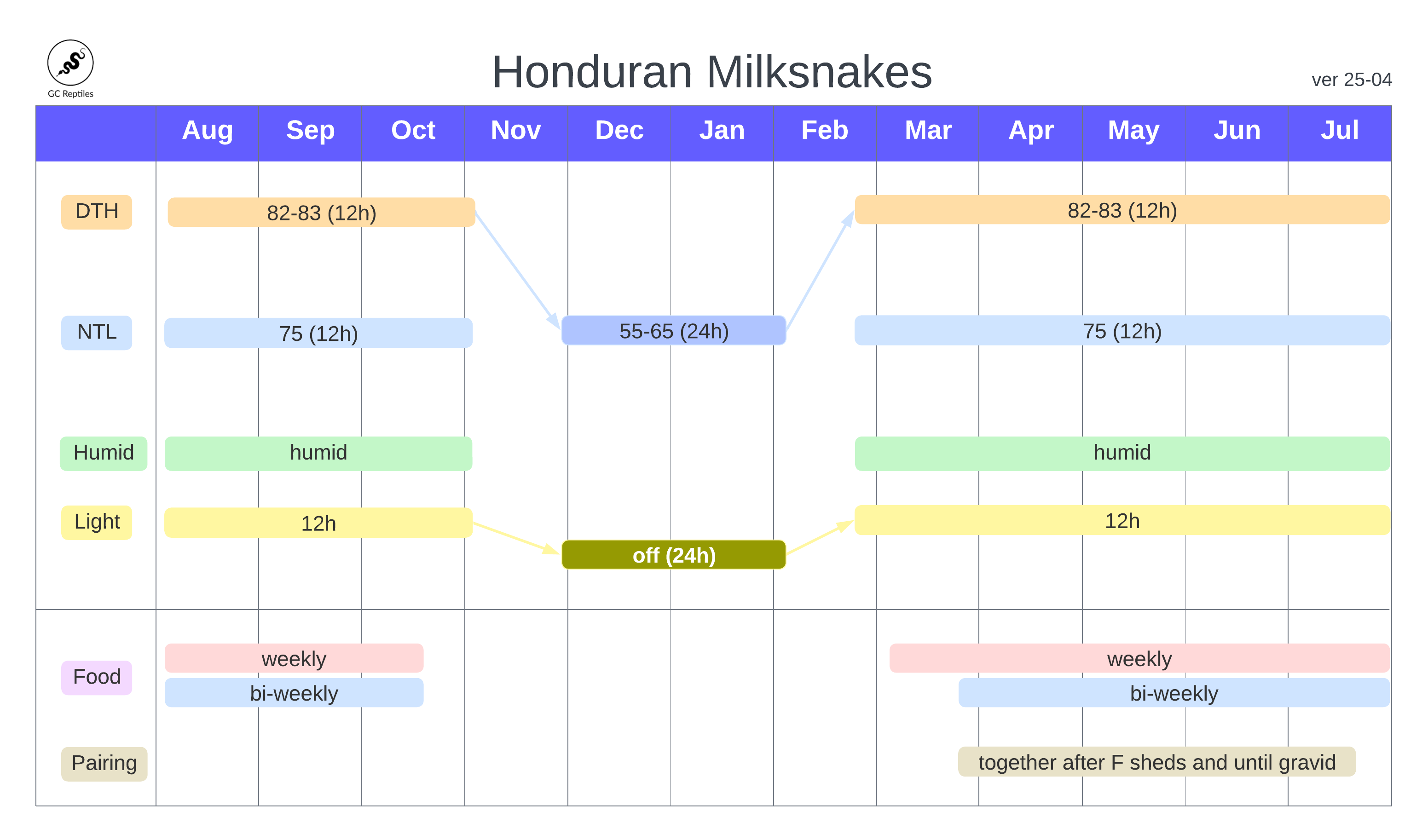
As you can see in the husbandry chart above, I keep my Honduran milksnakes in the low 80s during the year during the daytime, and I drop them to the mid 70s at night. They don't like it to be hot. As tropical animals, they definitely need higher than normal humidity. I keep mine with a relative humidity of about 70-80%.
Feeding
I feed my female weekly but she isn't getting a prey item that is much larger than the thickest part of her body. She would probably love to eat more often and have larger prey but I want to avoid making her fat. The male only eats every other week. So he is a bit smaller than her but he has good body mass for his length so I am happy with his food regimen.
Breeding
I have bred mine several times so far. The primary thing that I do is I have them go through a cooling period for several months in the winter time. I stop feeding them at about the third week of October and then I don't feed them again until the cooldown is over. During the month of November I gradually decrease their daytime and nighttime temperatures, and at the end of the month I move them to a cool, dark room where they will stay for December and January. The room stays a constant 50-55. But I make sure they have a water bowl and every other week during the winter I change the water in the bowl.
In February I slowly bring the temperatures back up to their normal range. I begin feeding the female in March, and then towards the end of March I start feeding the male. I also pair them together at this time, but I separate them when one or both of them is being fed.
My female, Saturcka, has laid her eggs in the latter part of May each year. The clutch size has been 9 each time. I incubate the eggs at 79F and the eggs hatch in early August.
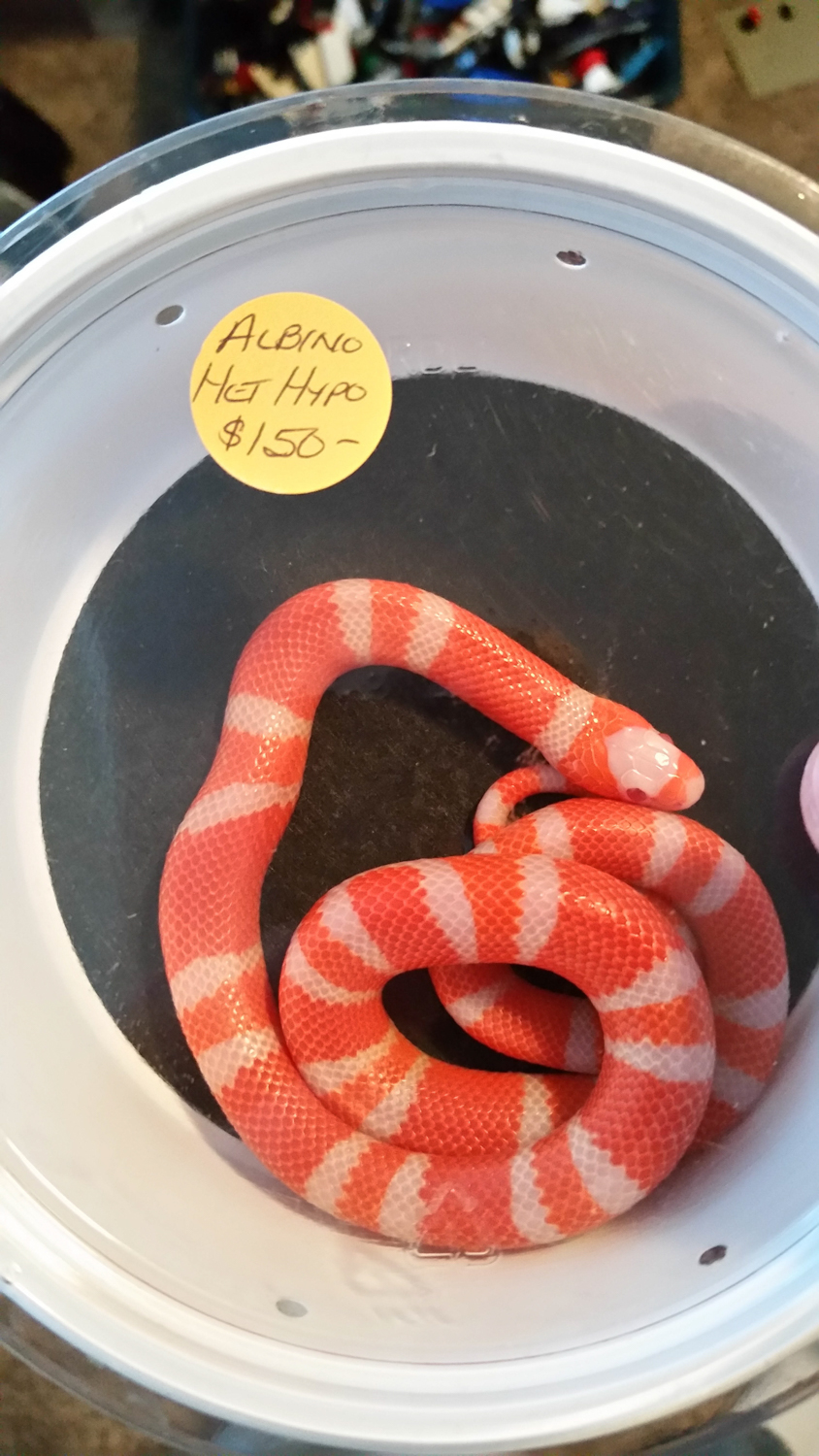 Saturcka, 2015
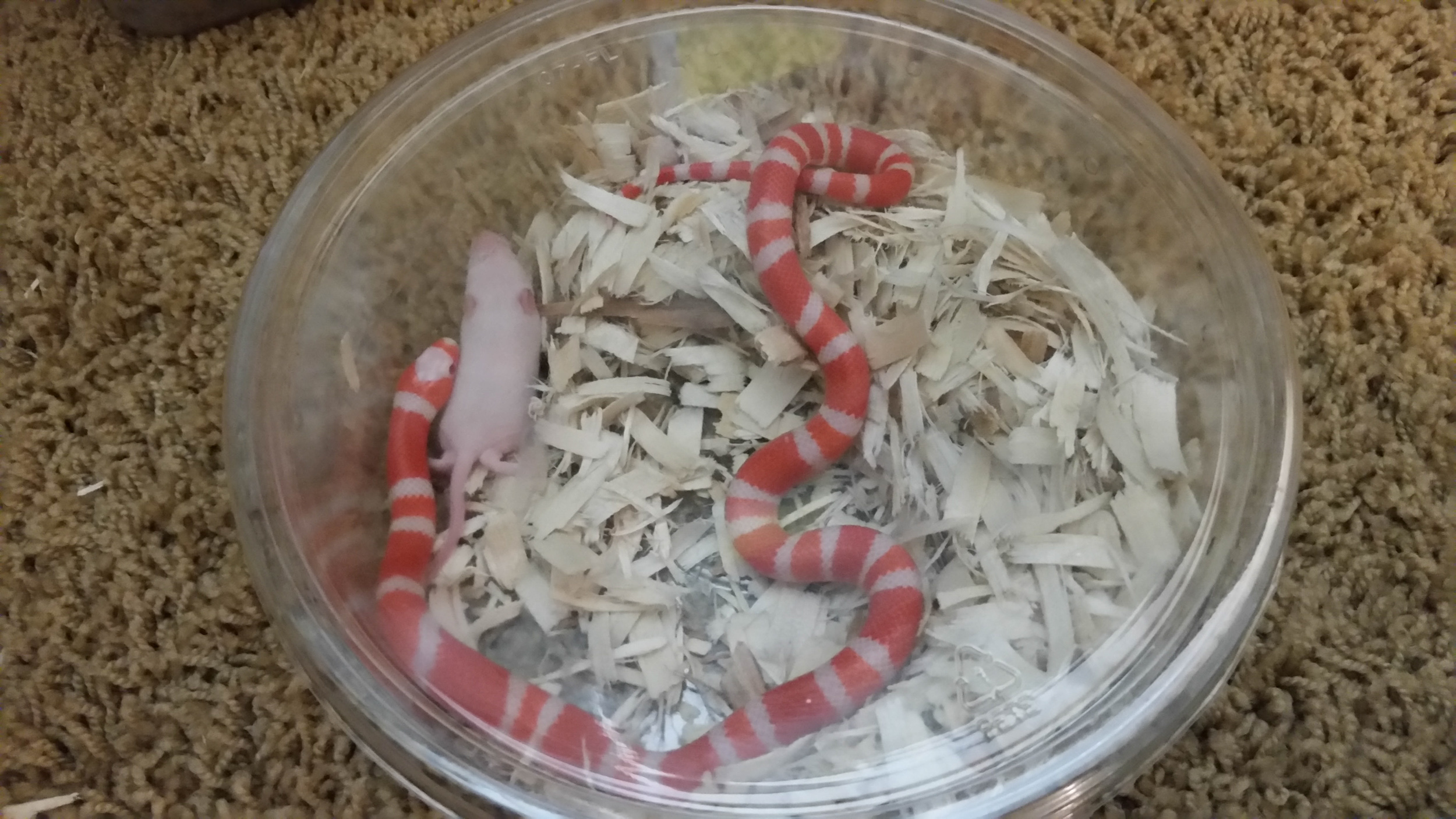 Saturcka, 2015
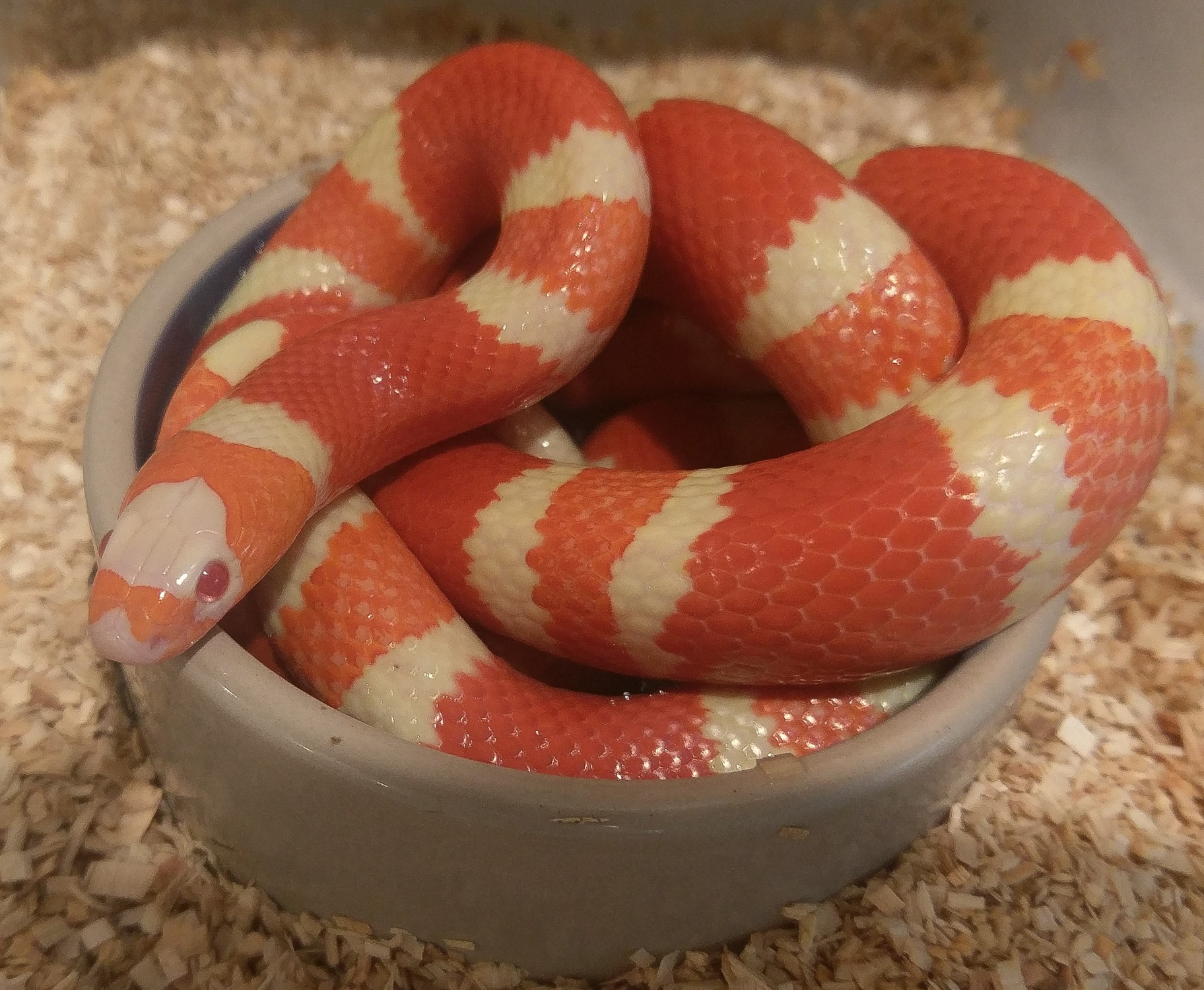 Saturcka, 2017
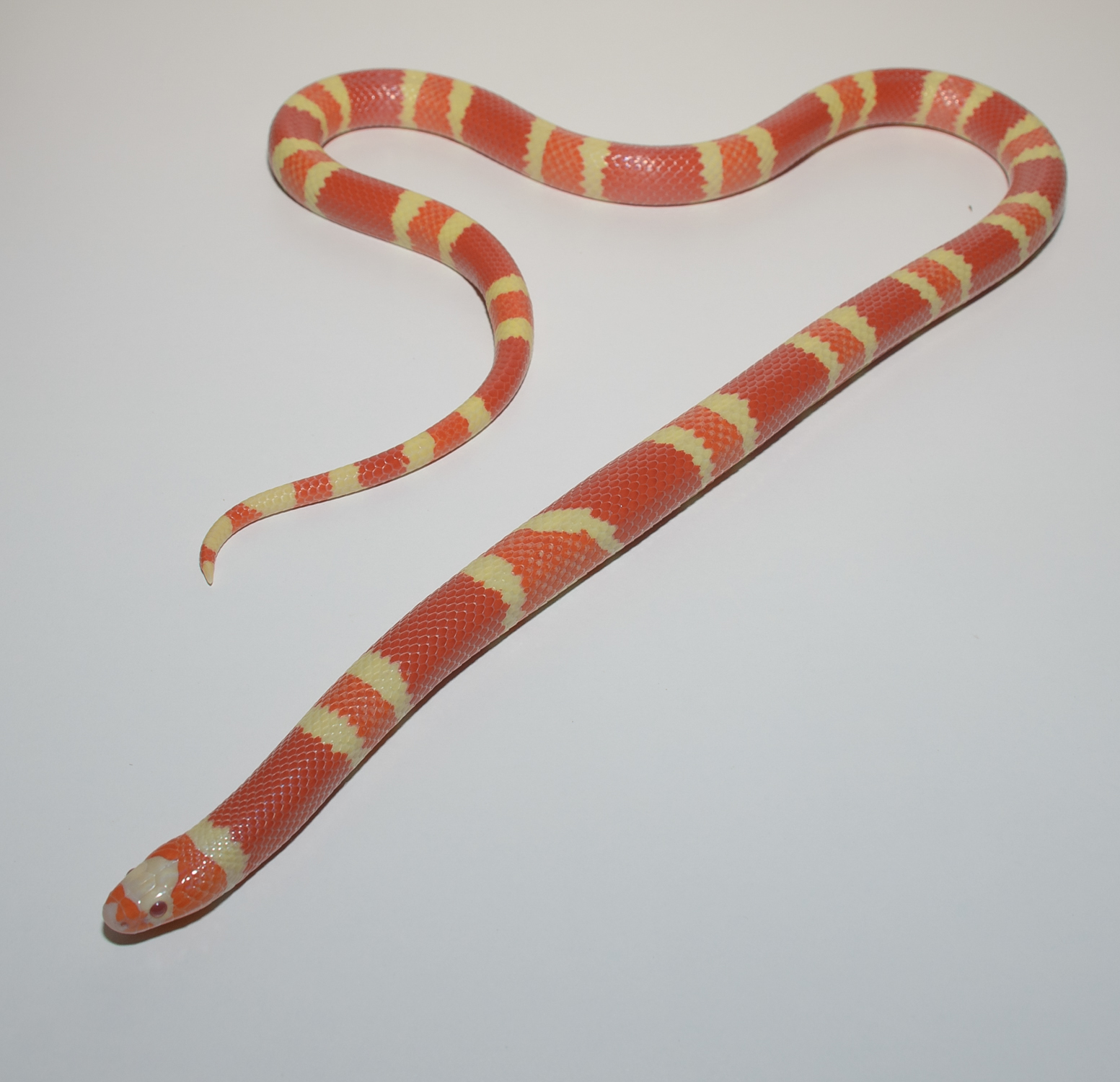 Saturcka, 2018
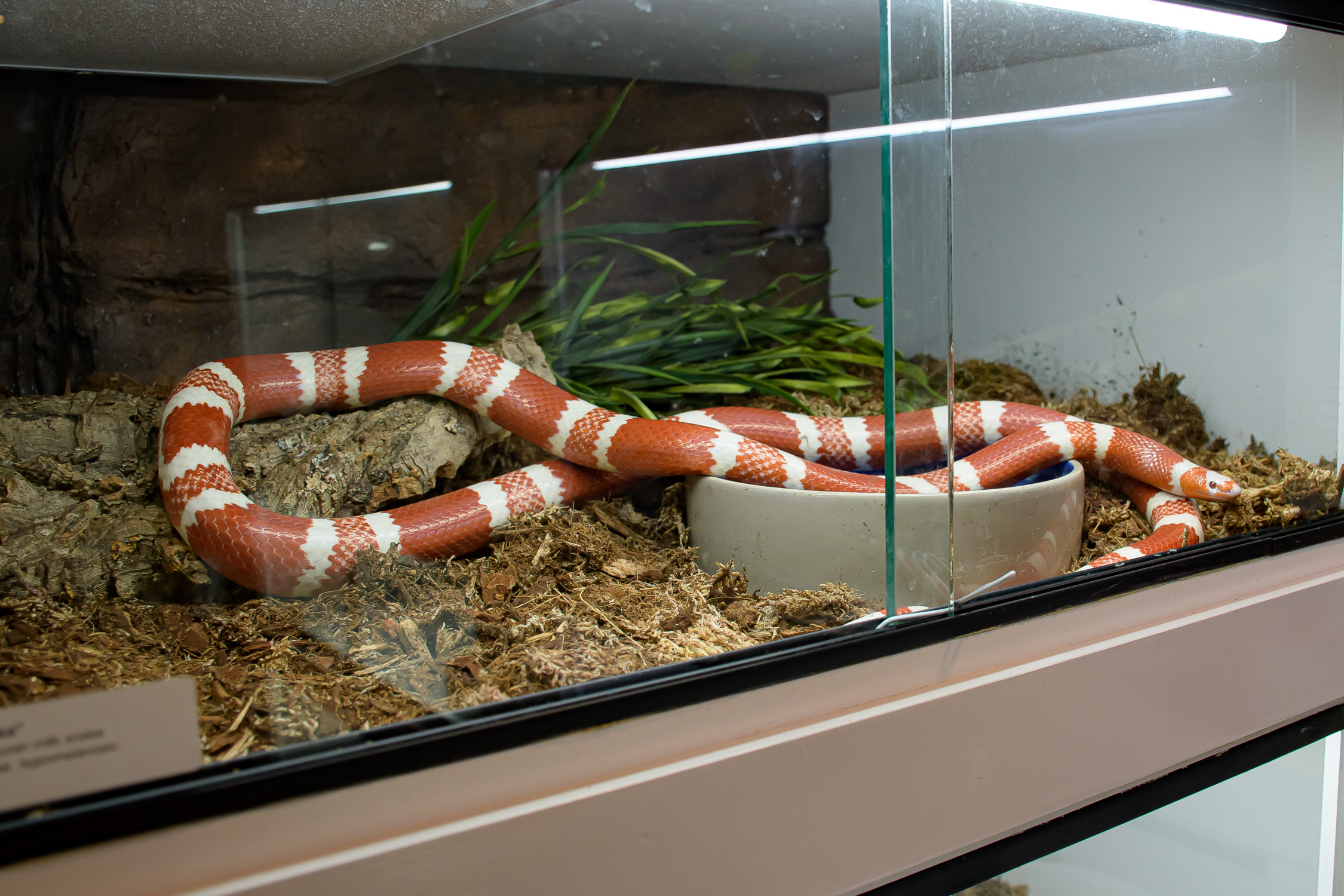 Saturcka, 2022
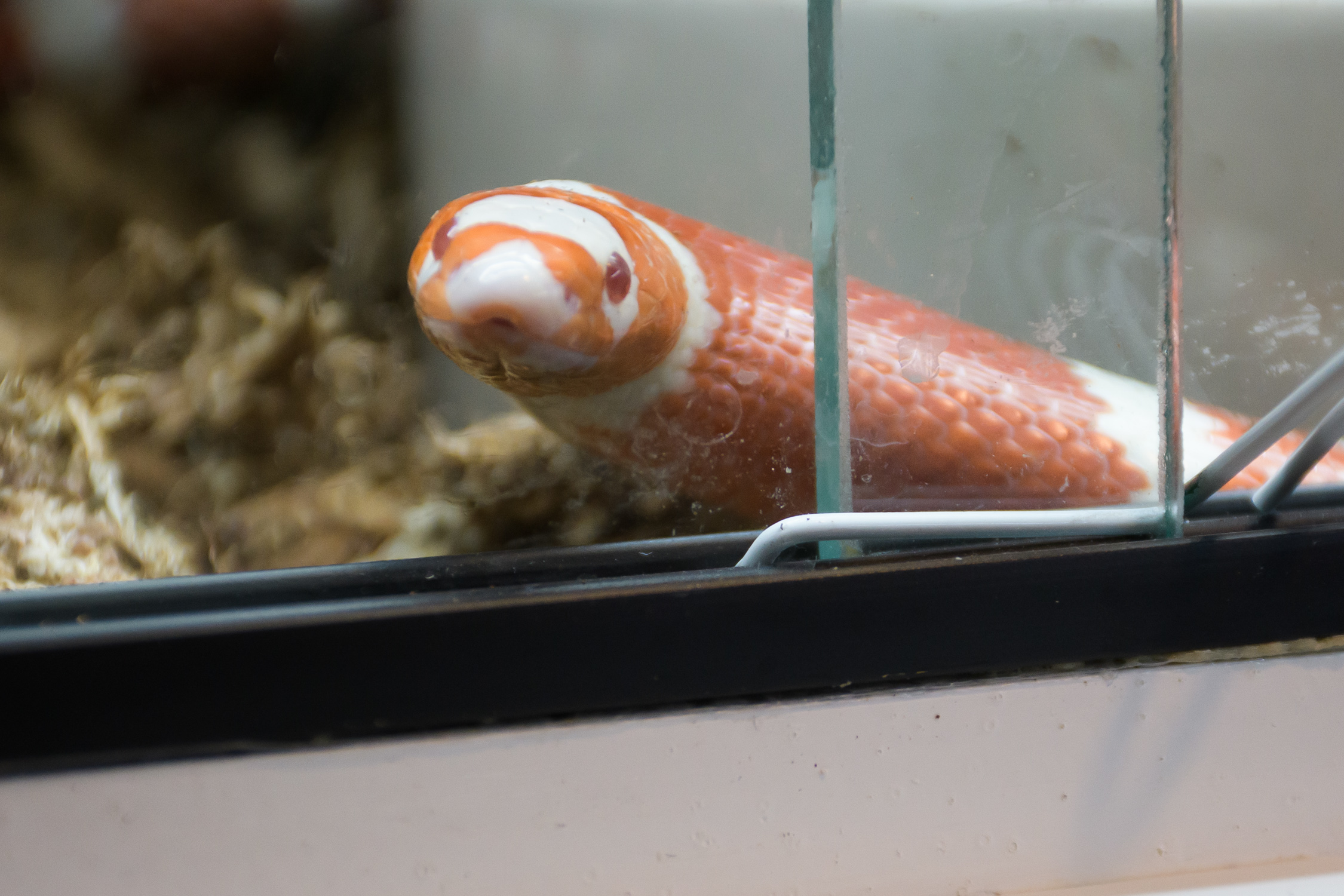 Saturcka, 2022
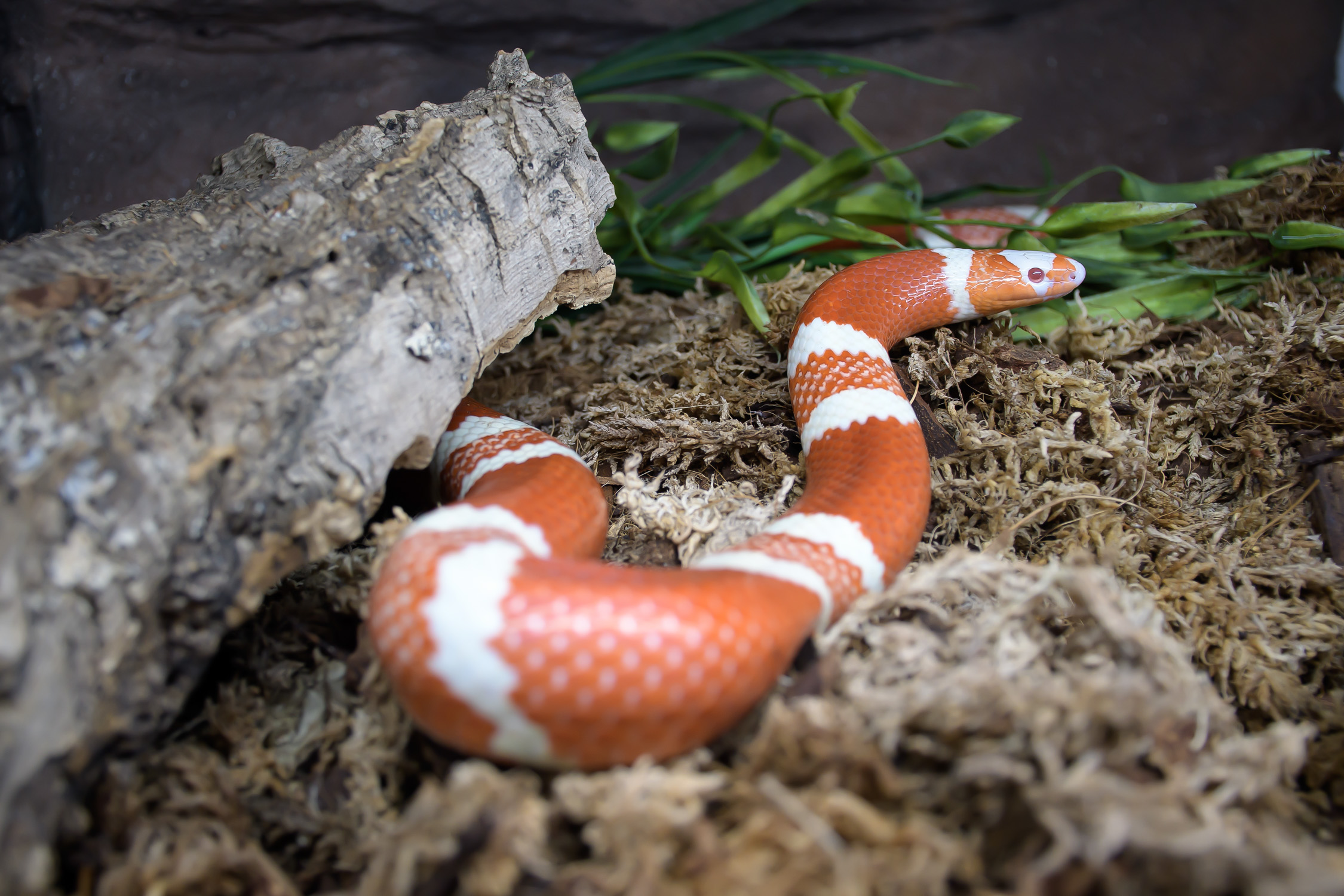 Saturcka, 2022
- Suncka, 2023
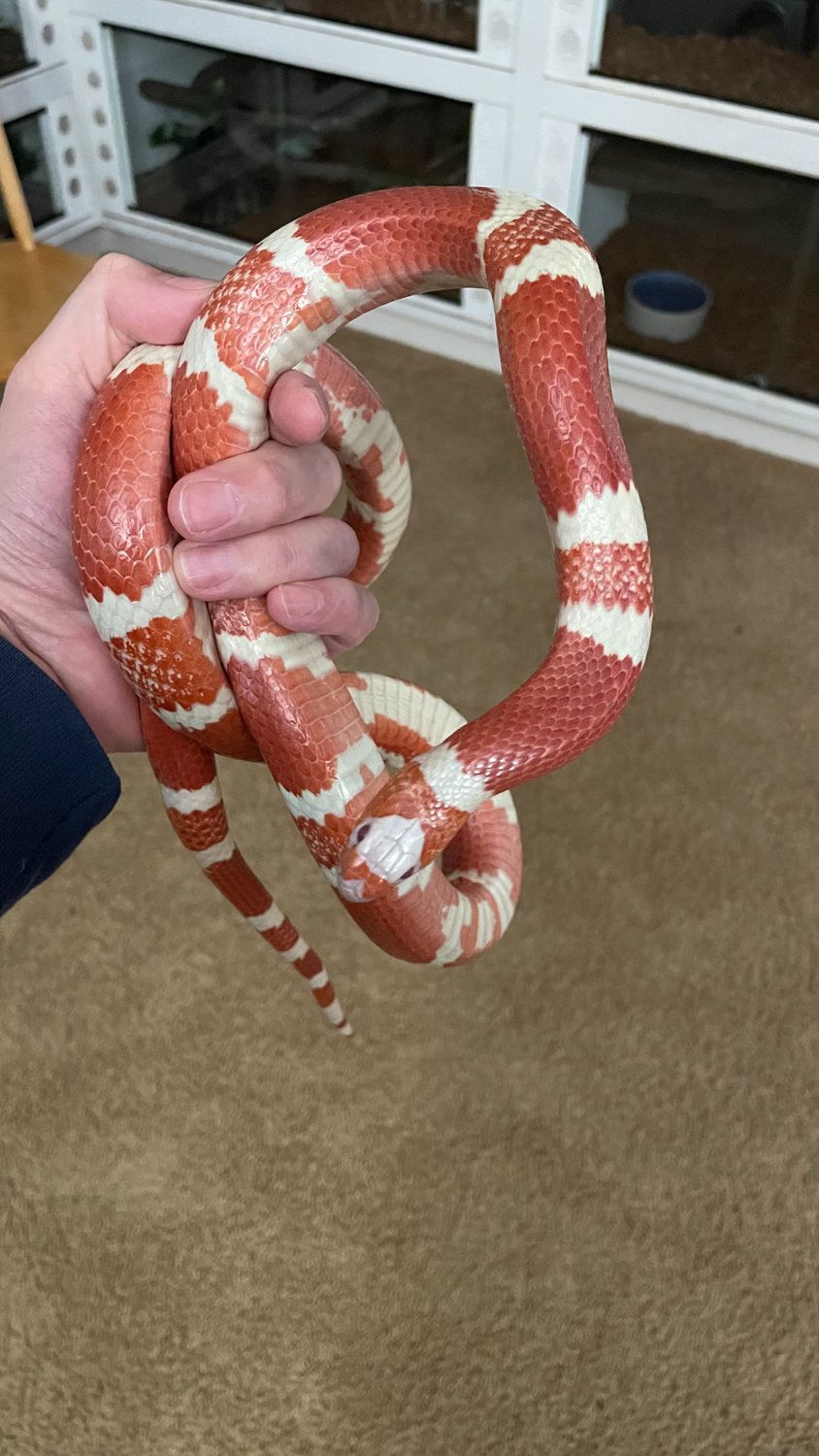 Saturcka, 2023
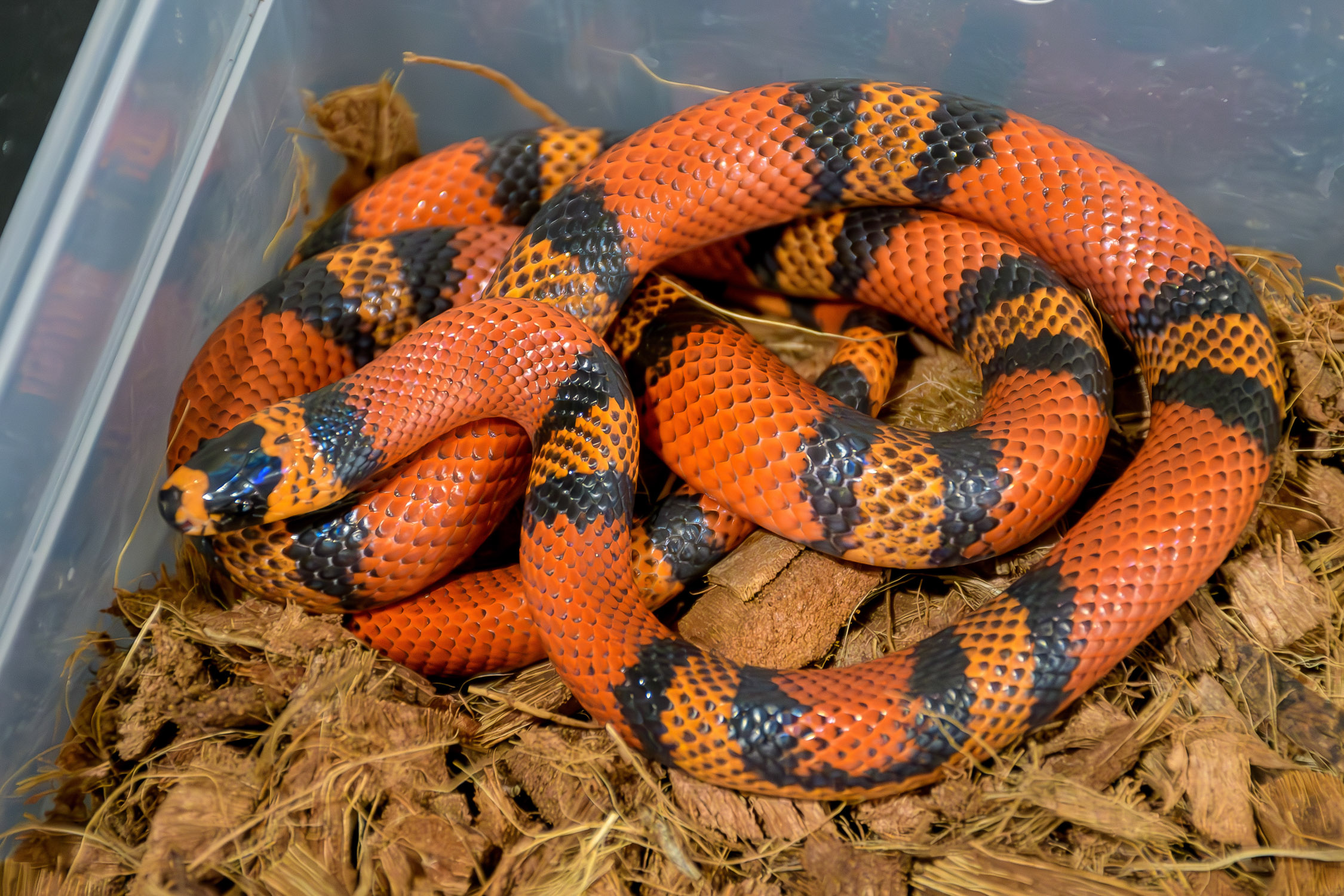 Suncka, 2024
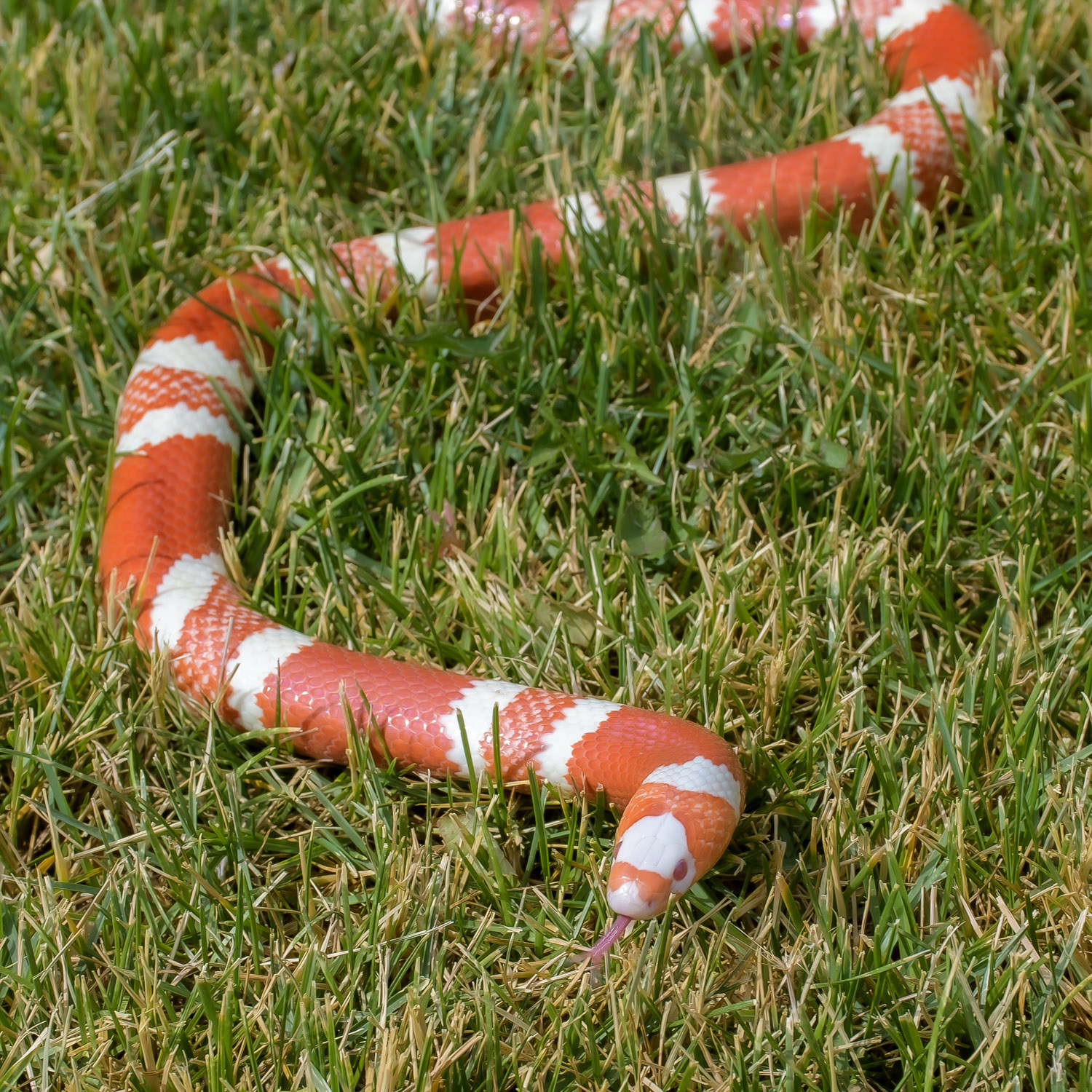 Saturcka, 2024
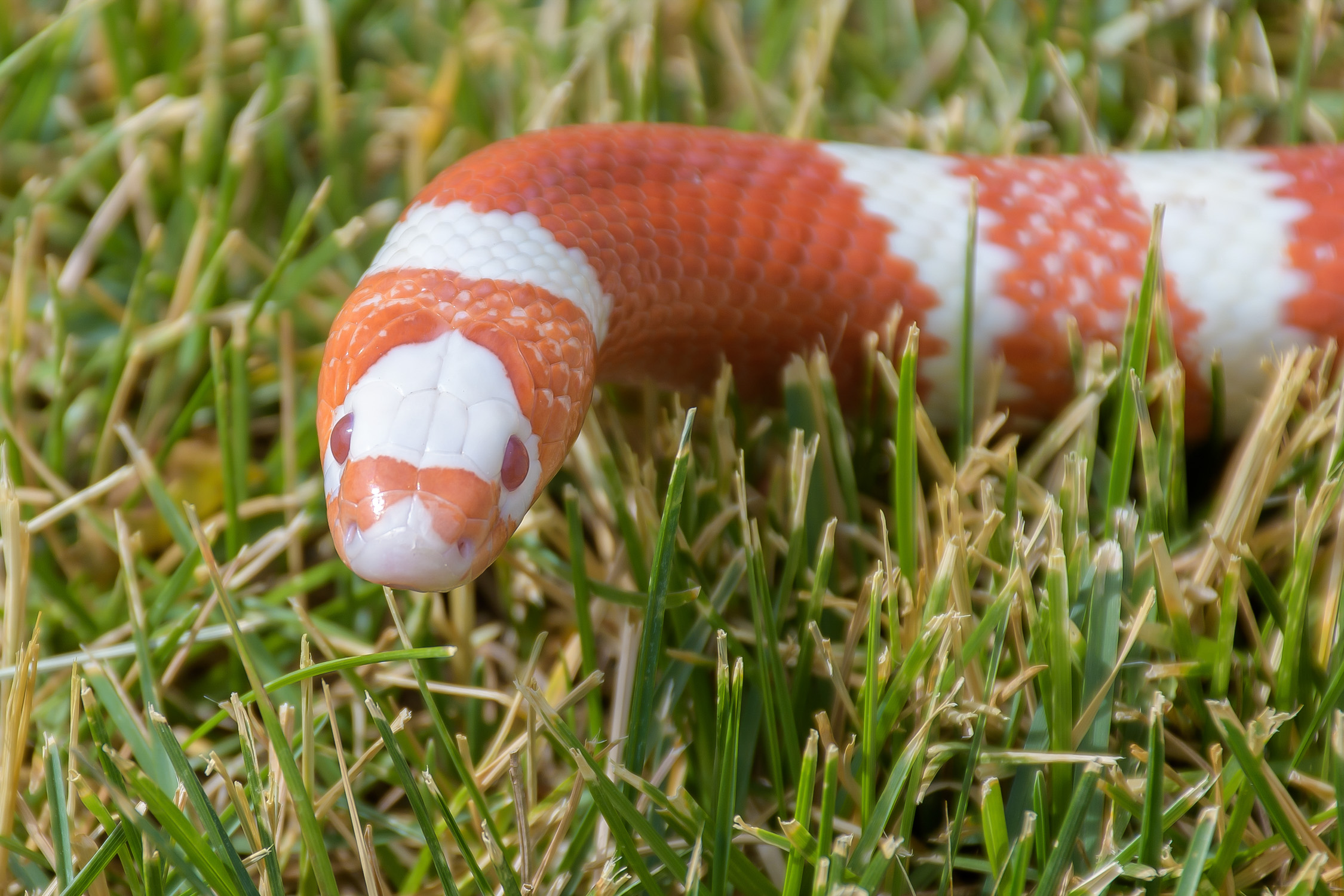 Saturcka, 2024
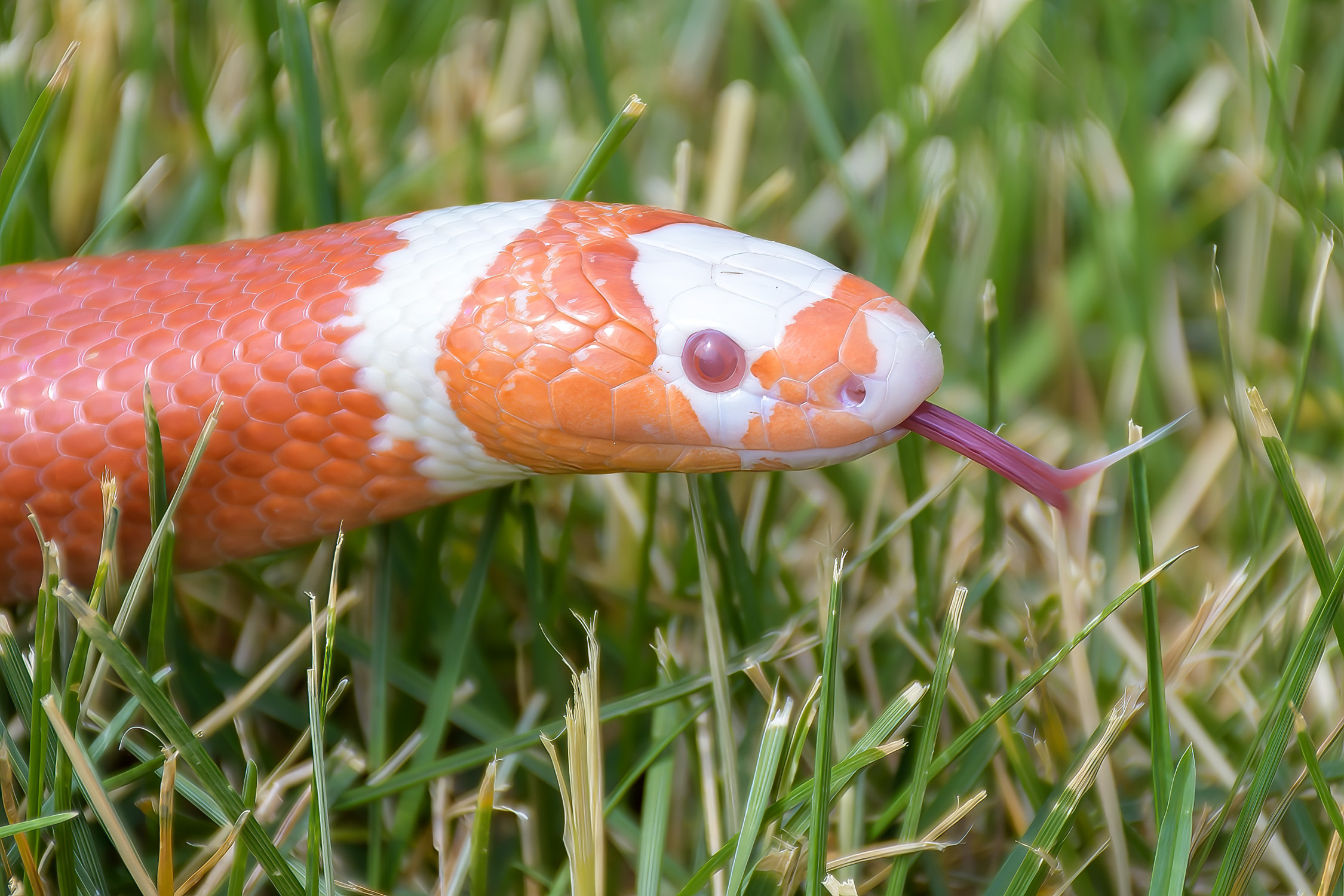 Saturcka, 2024
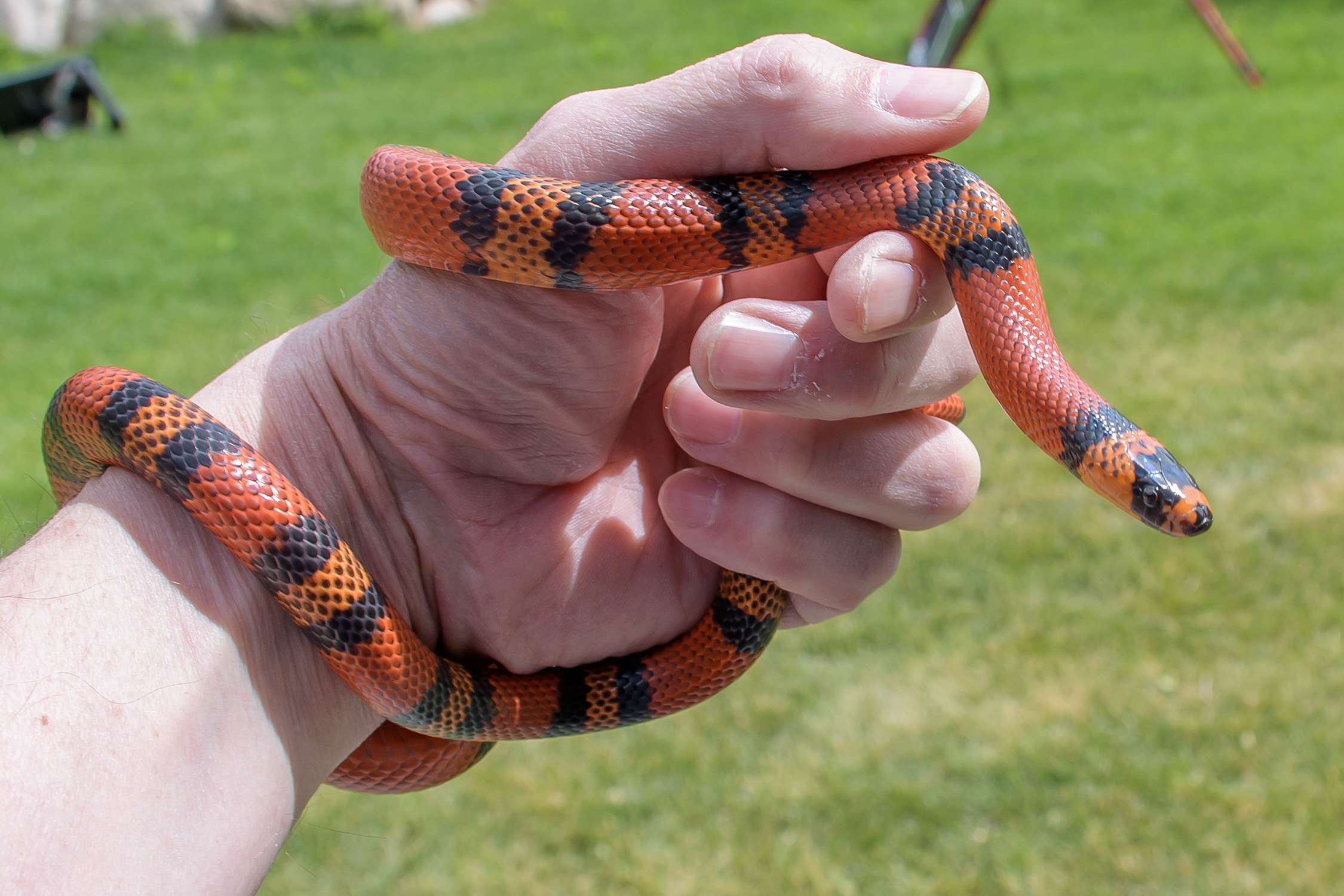 Suncka, 2024
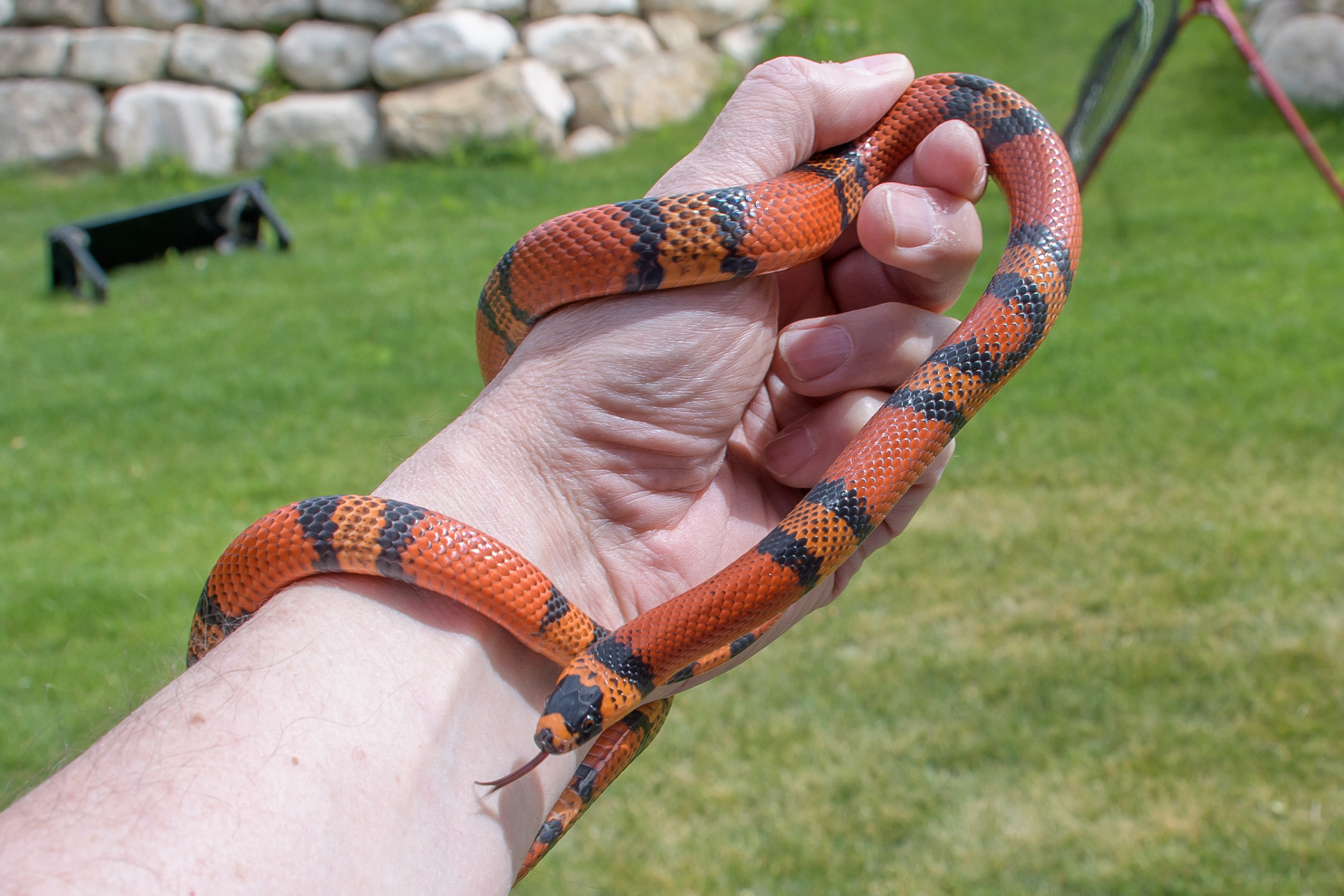 Suncka, 2024
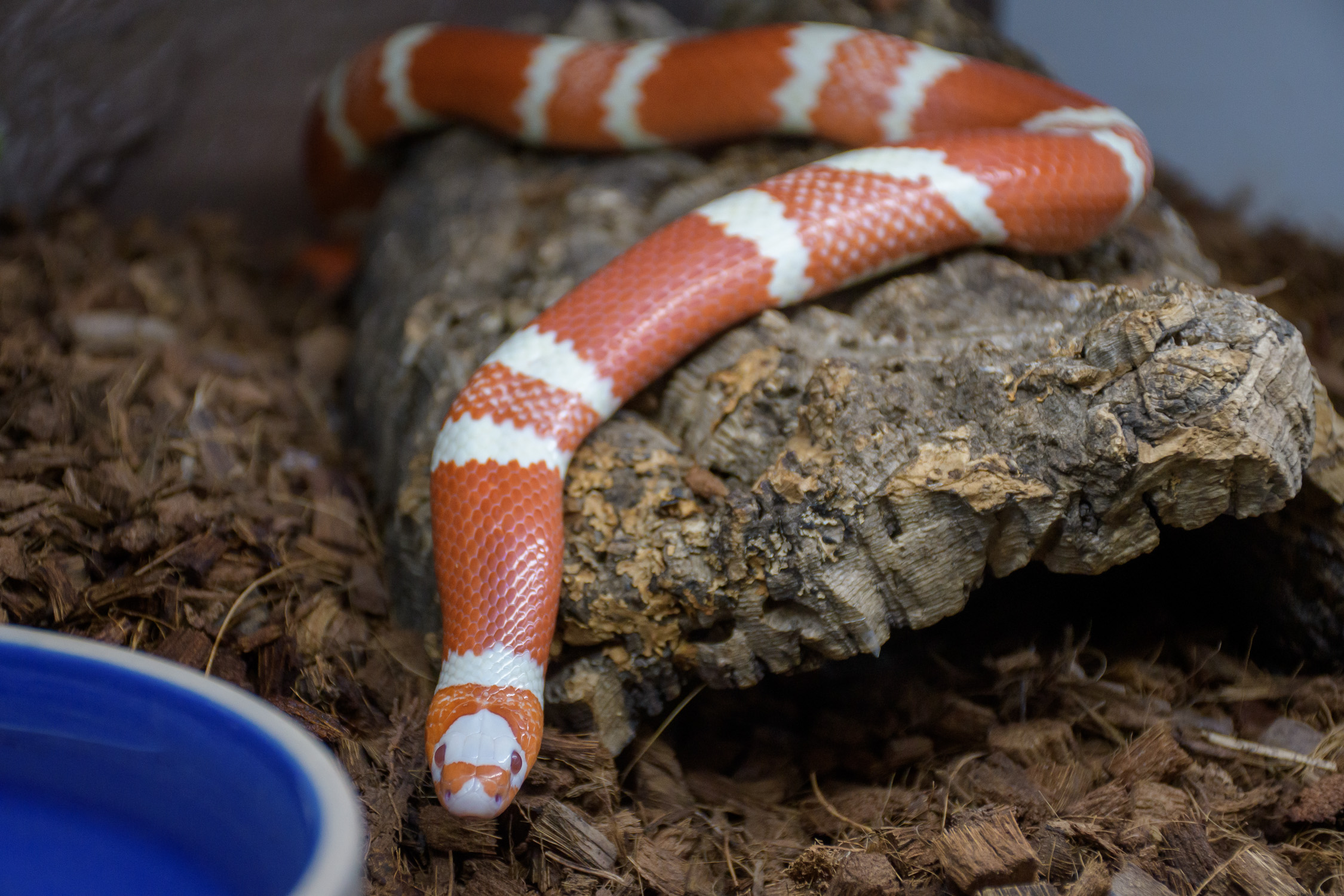 Saturcka, 2024
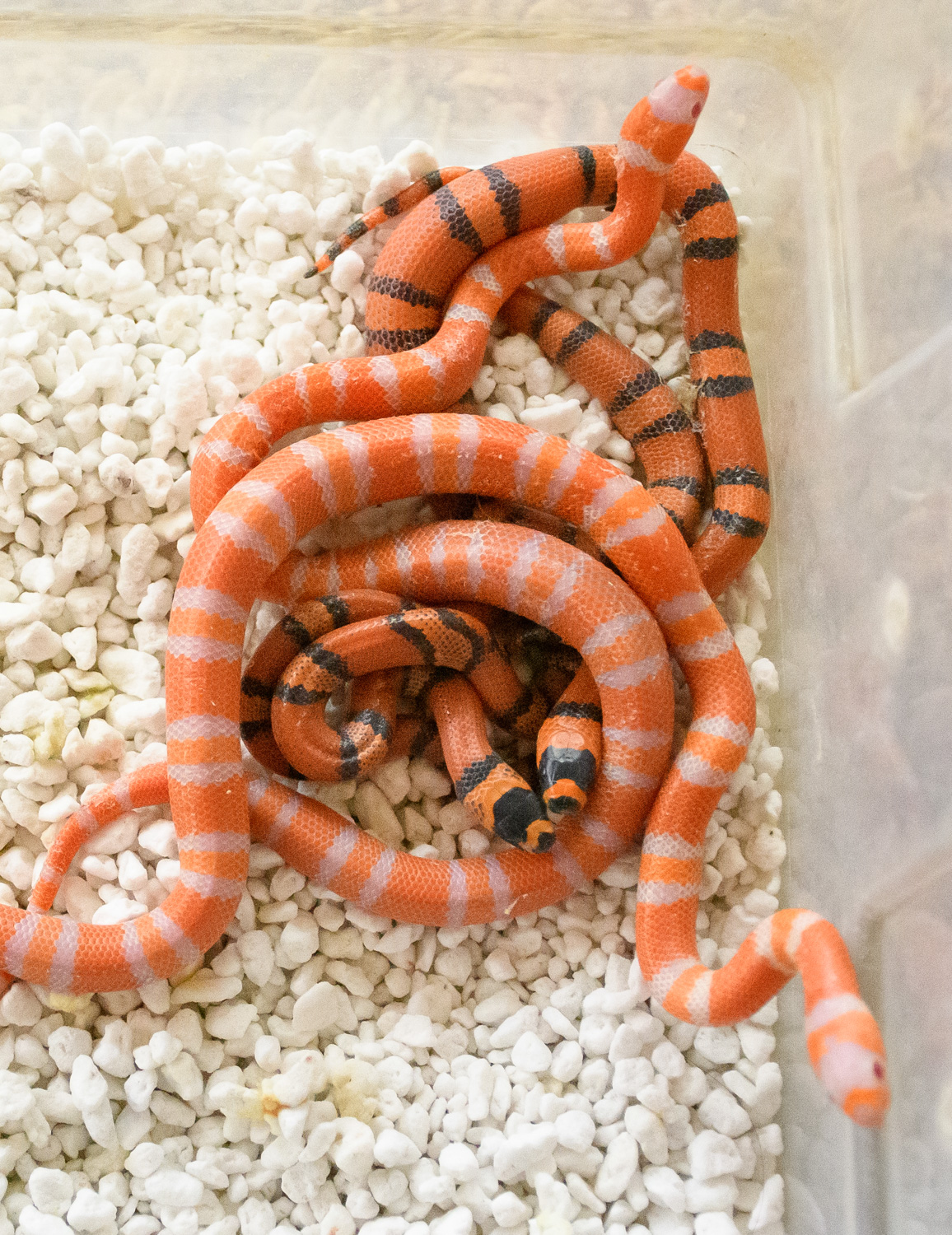 Babies, 2025
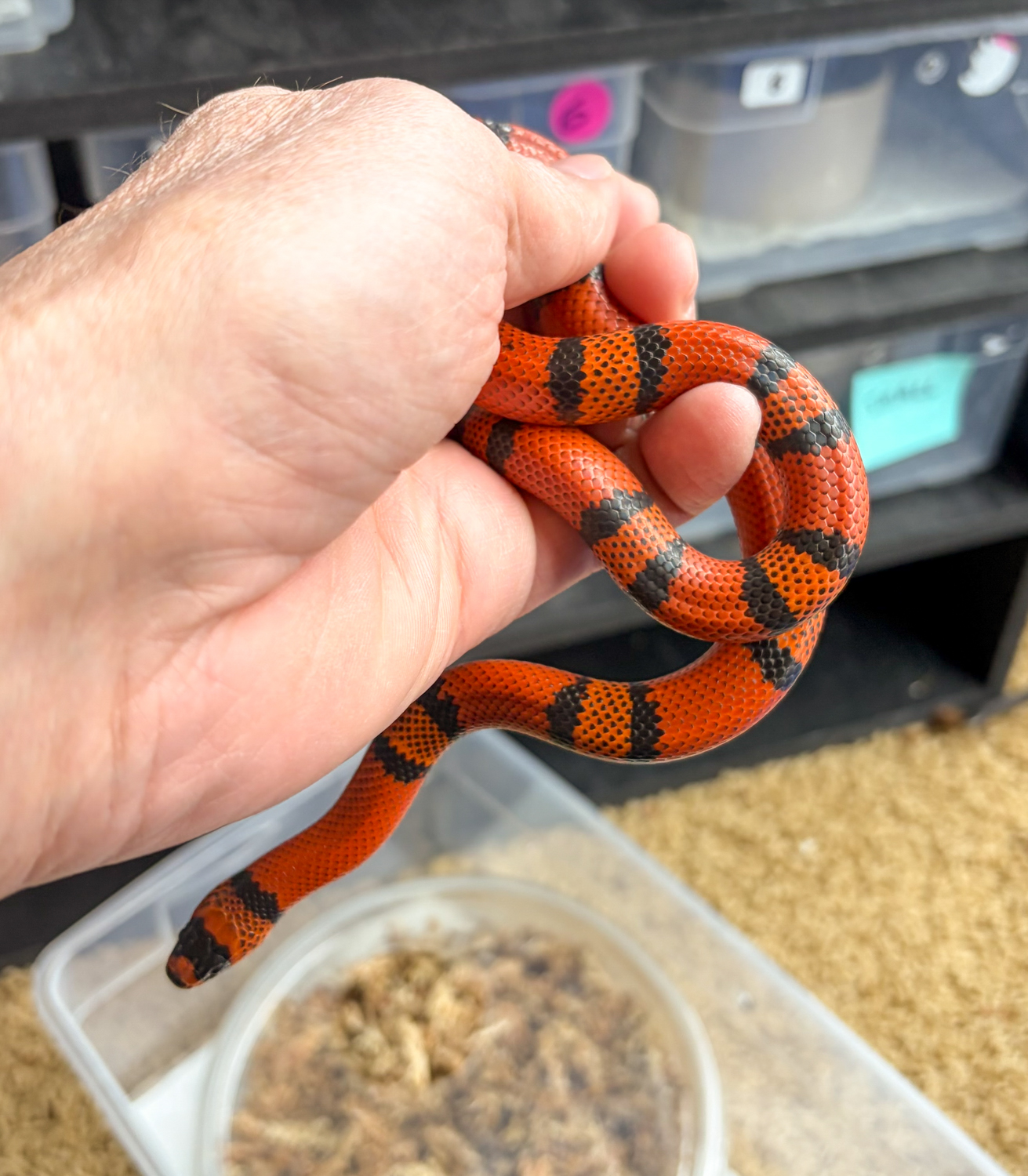 Baby Tangerine Honduran Milksnake, 2025
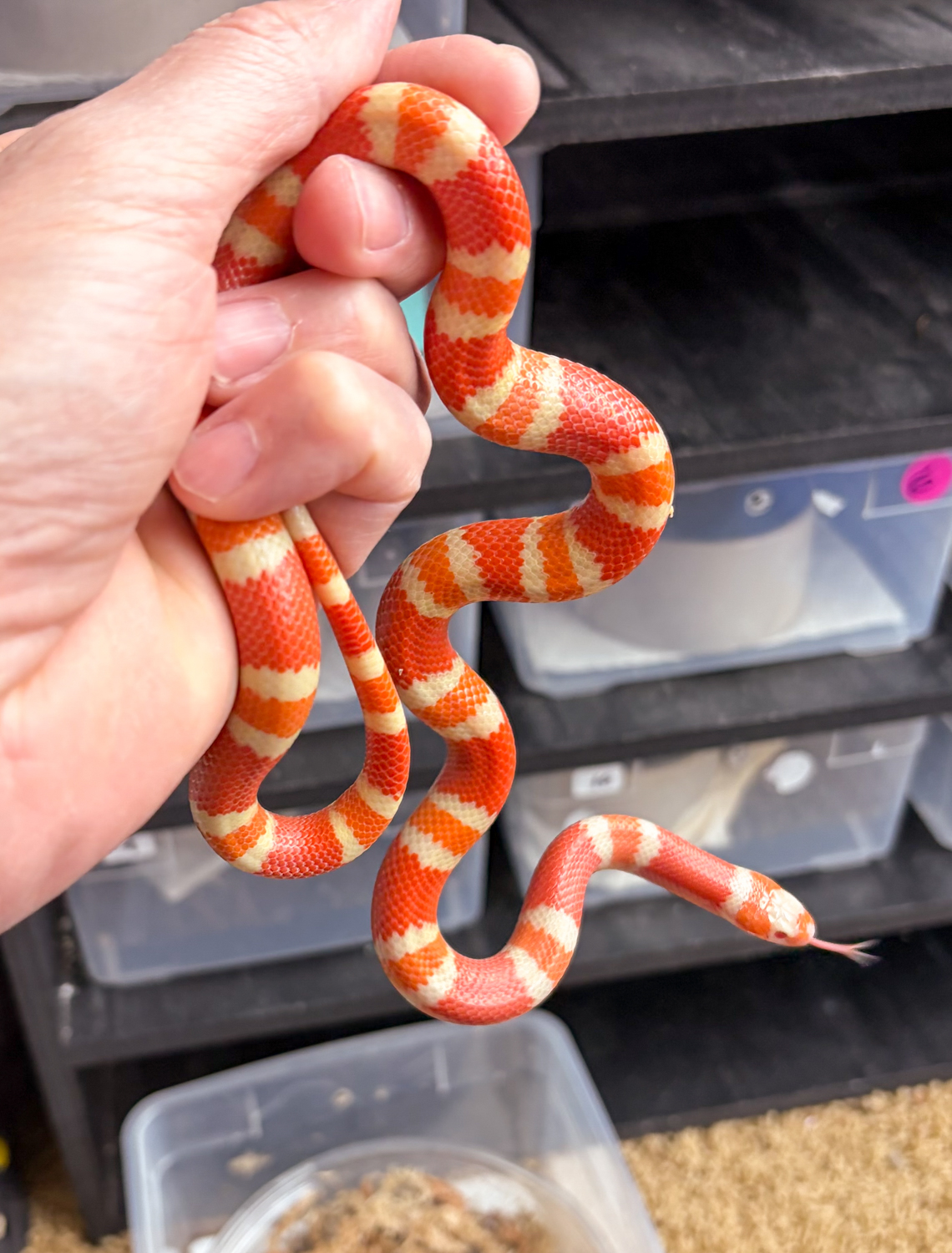 Baby Albino Tangerine Honduran Milksnake, 2025
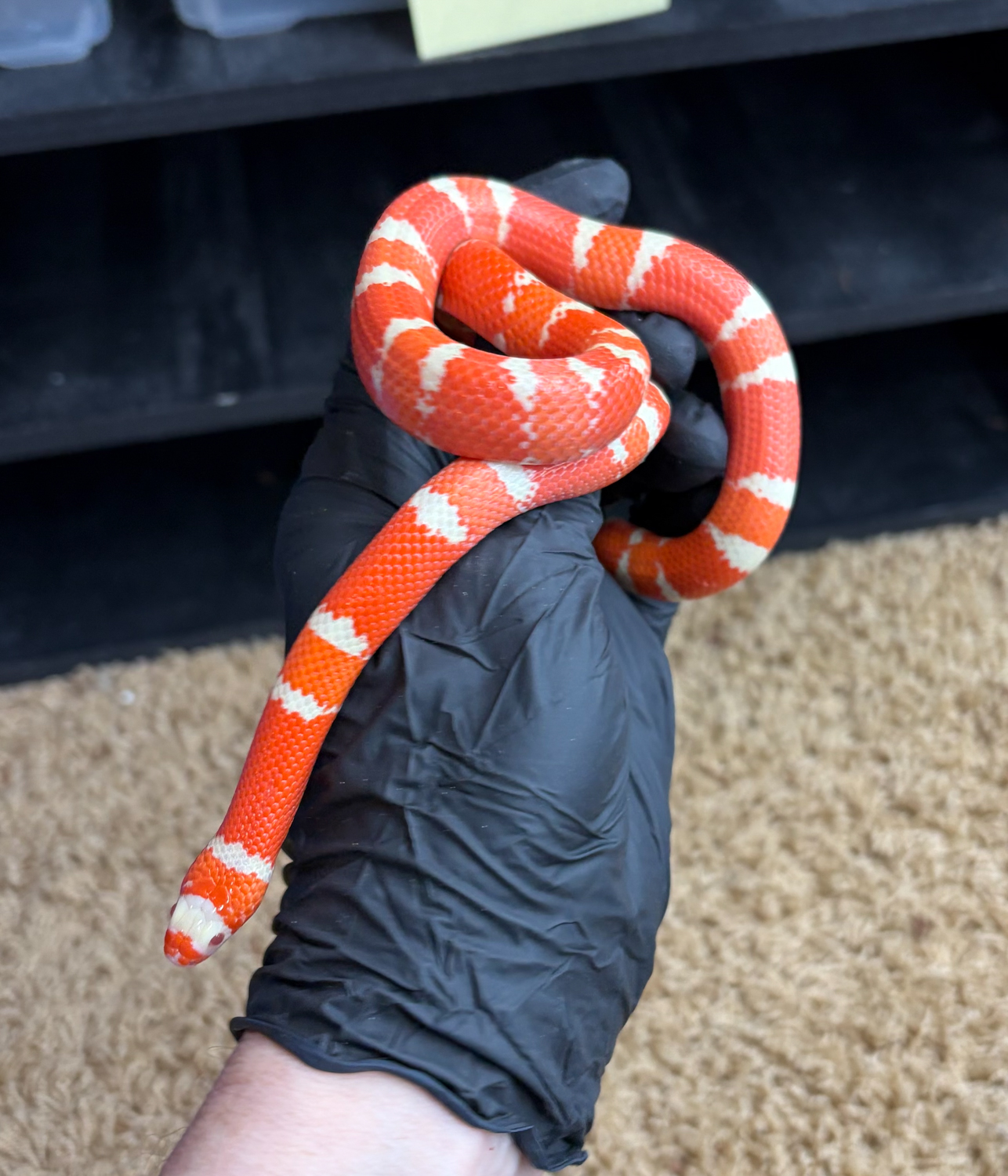 Baby Albino Tangerine Honduran Milksnake, 2025
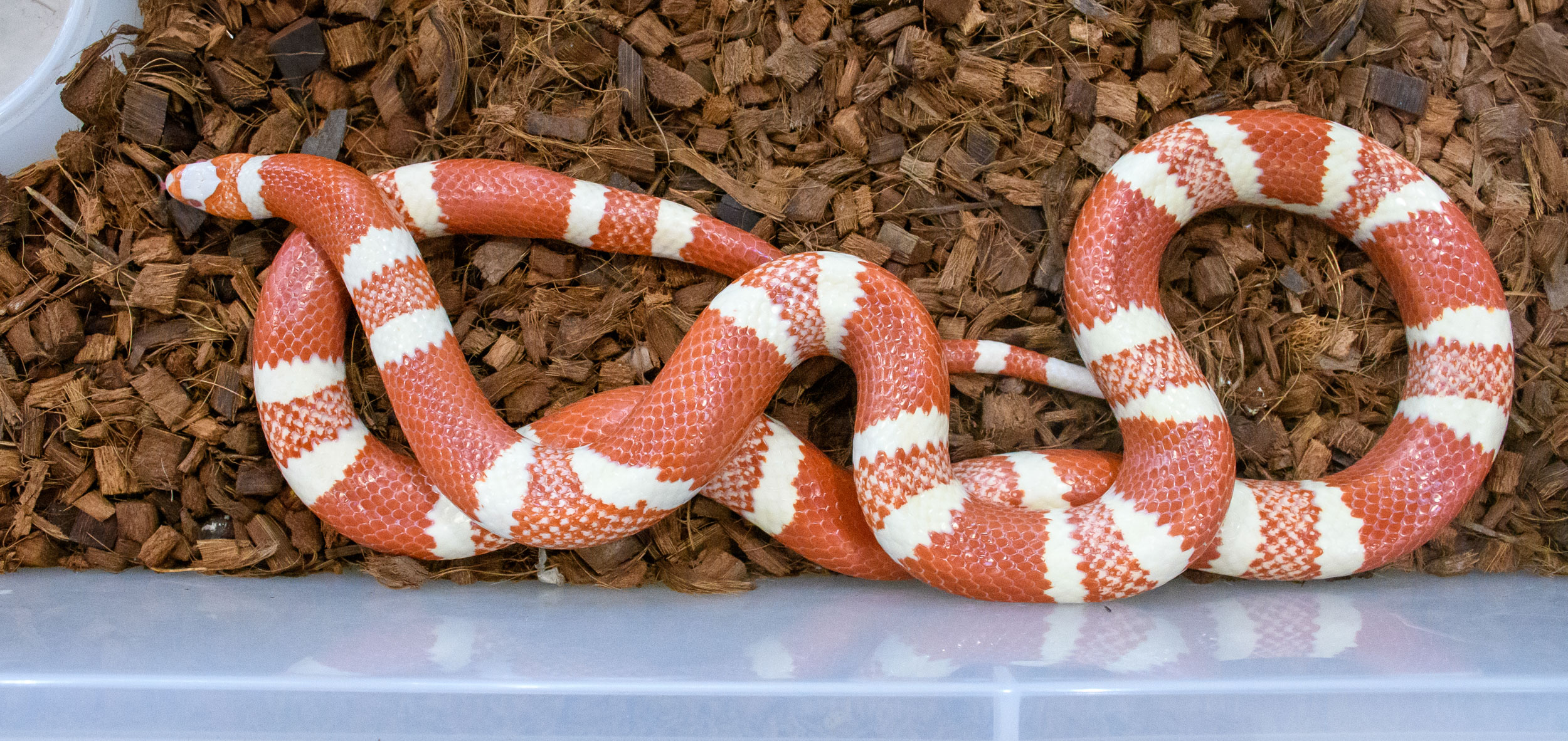 Saturcka, 2025
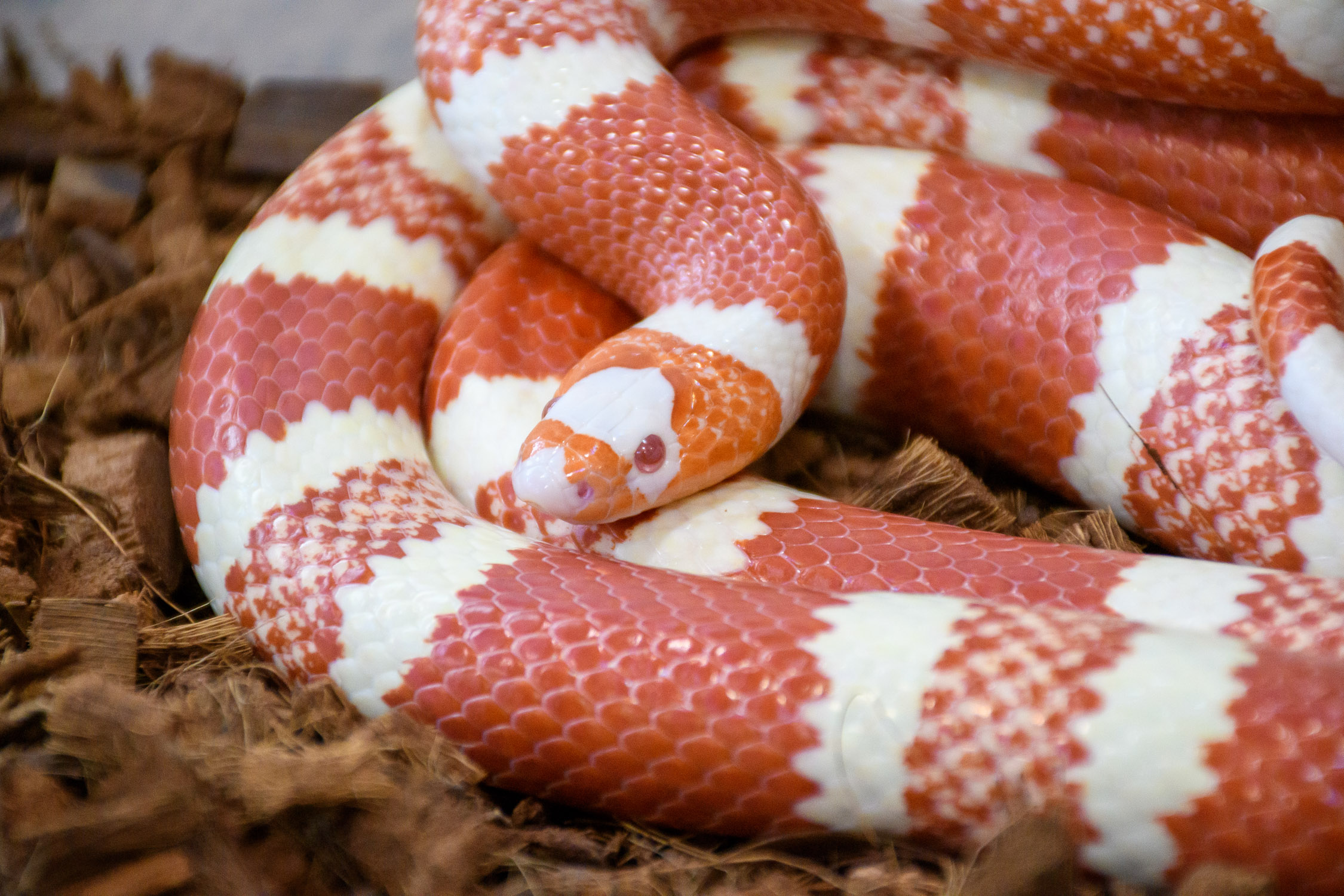 Saturcka, 2025
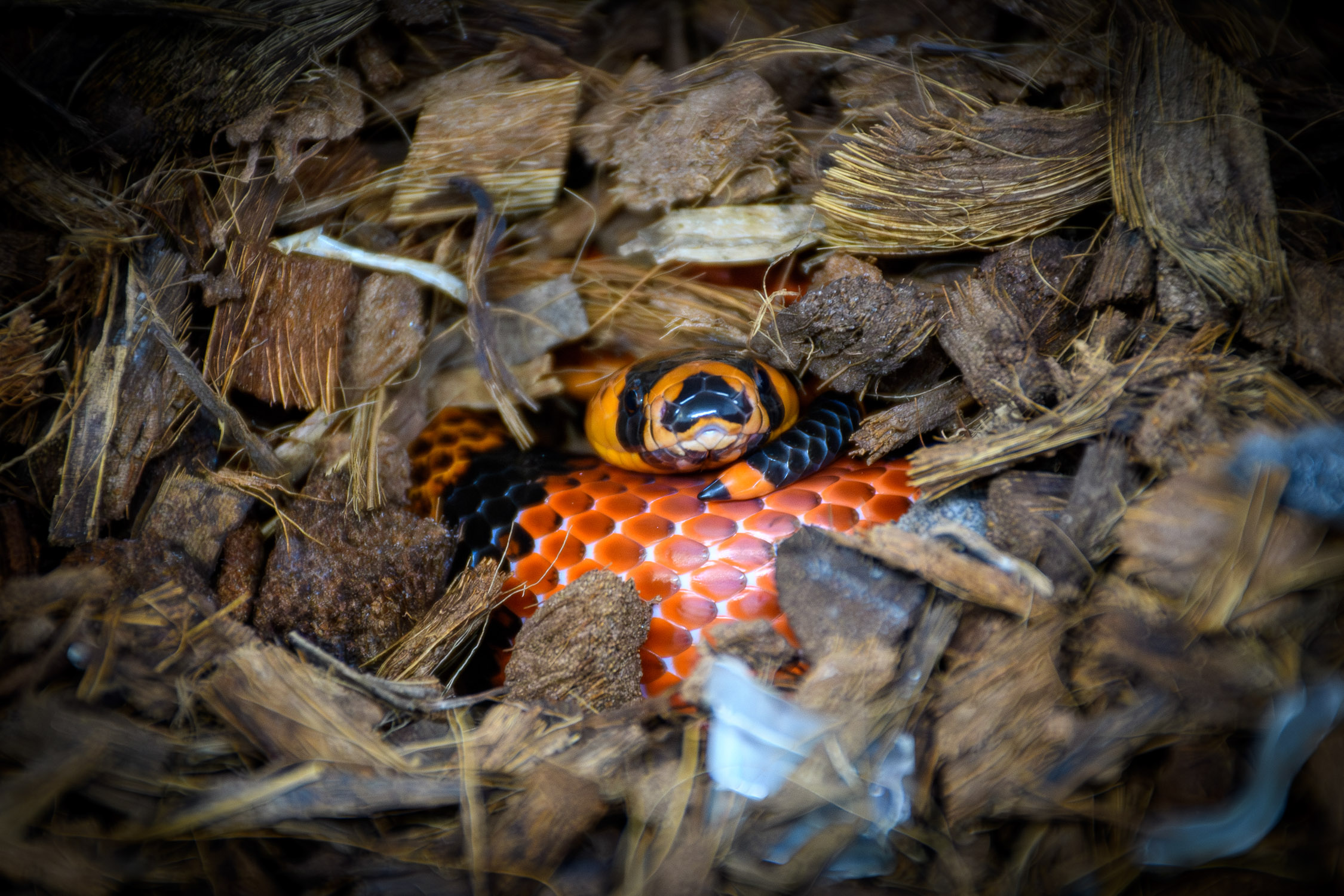 Suncka, 2025
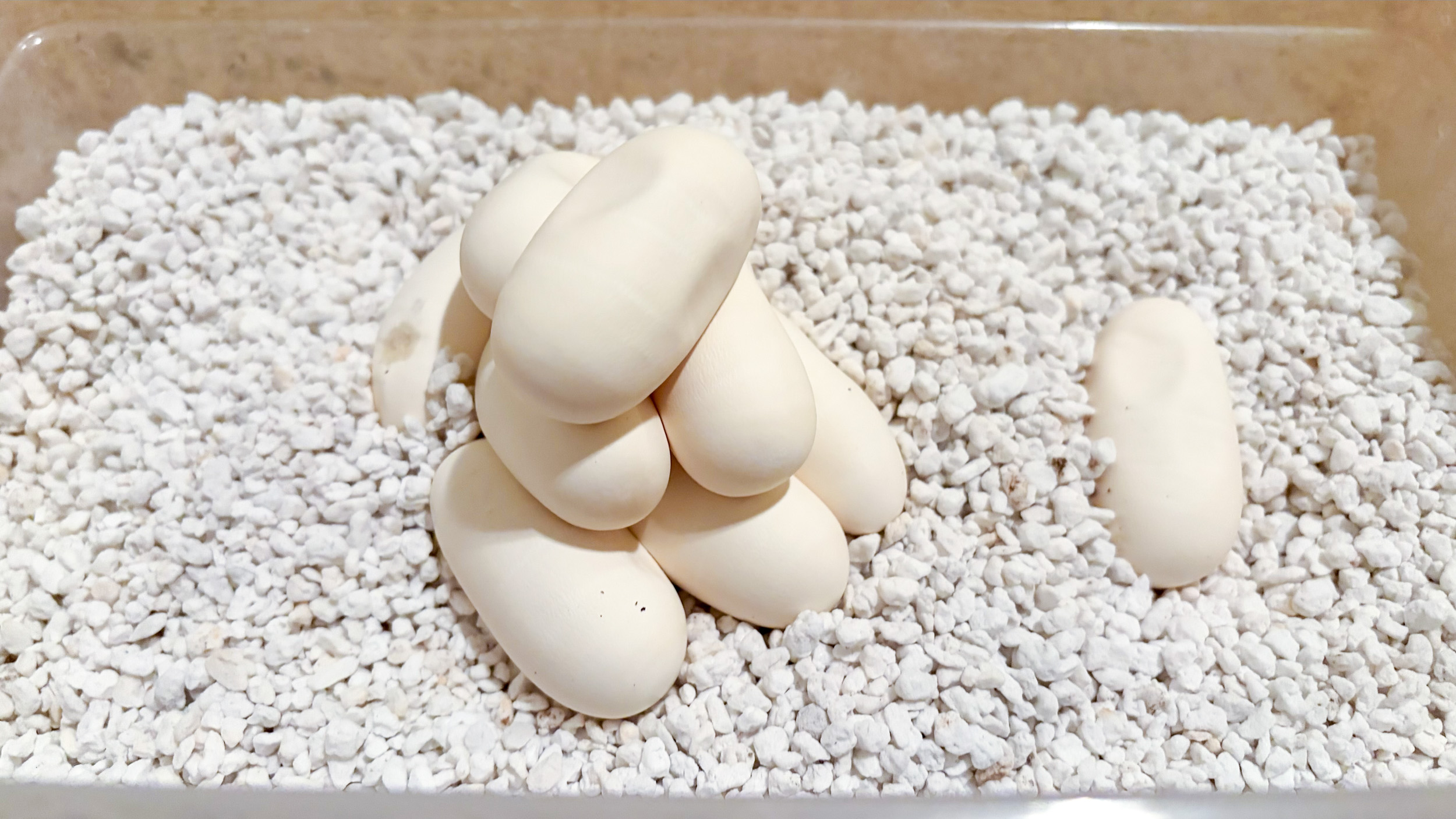 Clutch, 2026
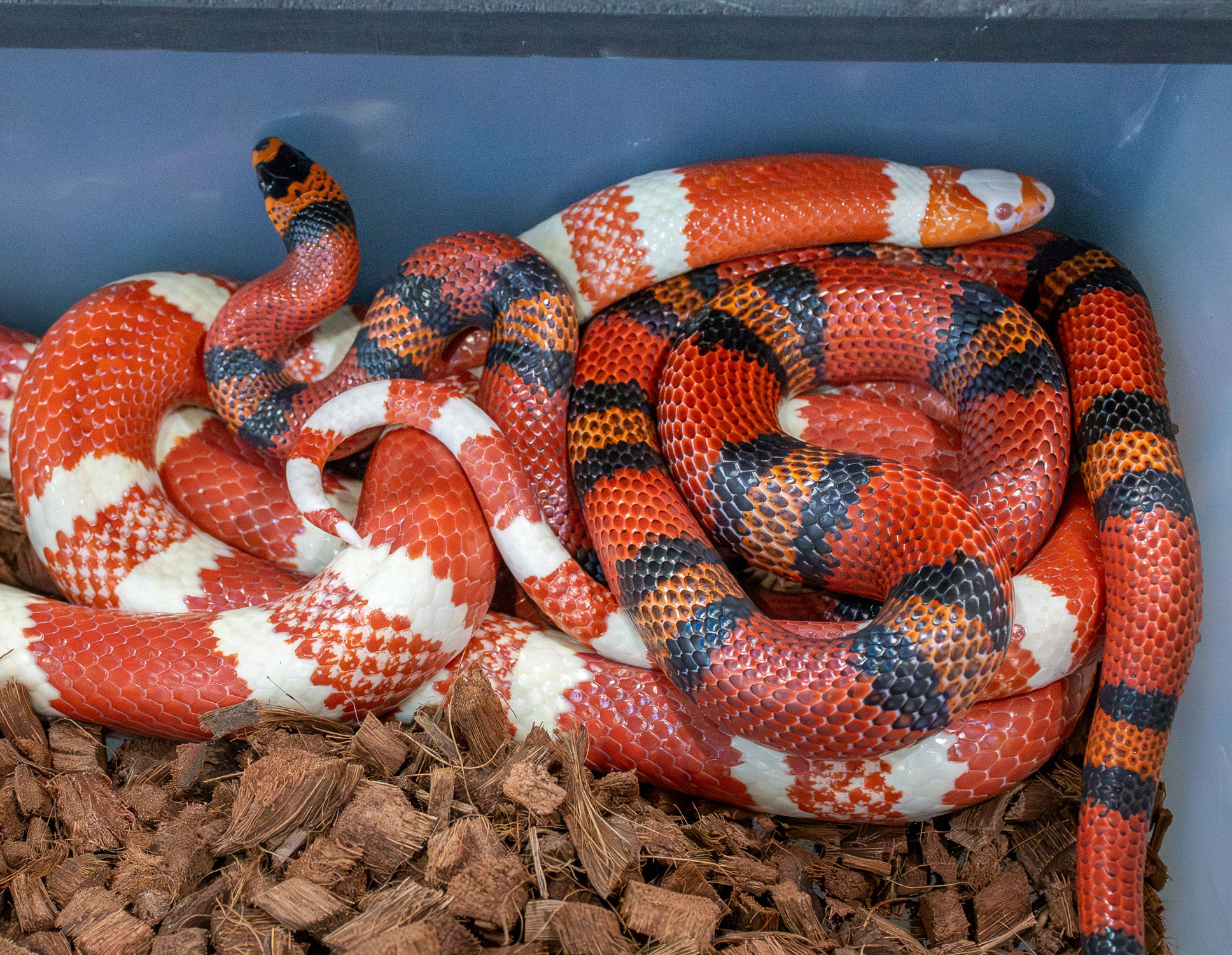 Saturcka and Suncka having a cuddle, 2026