Chinese King Ratsnakes
Elaphe carinata
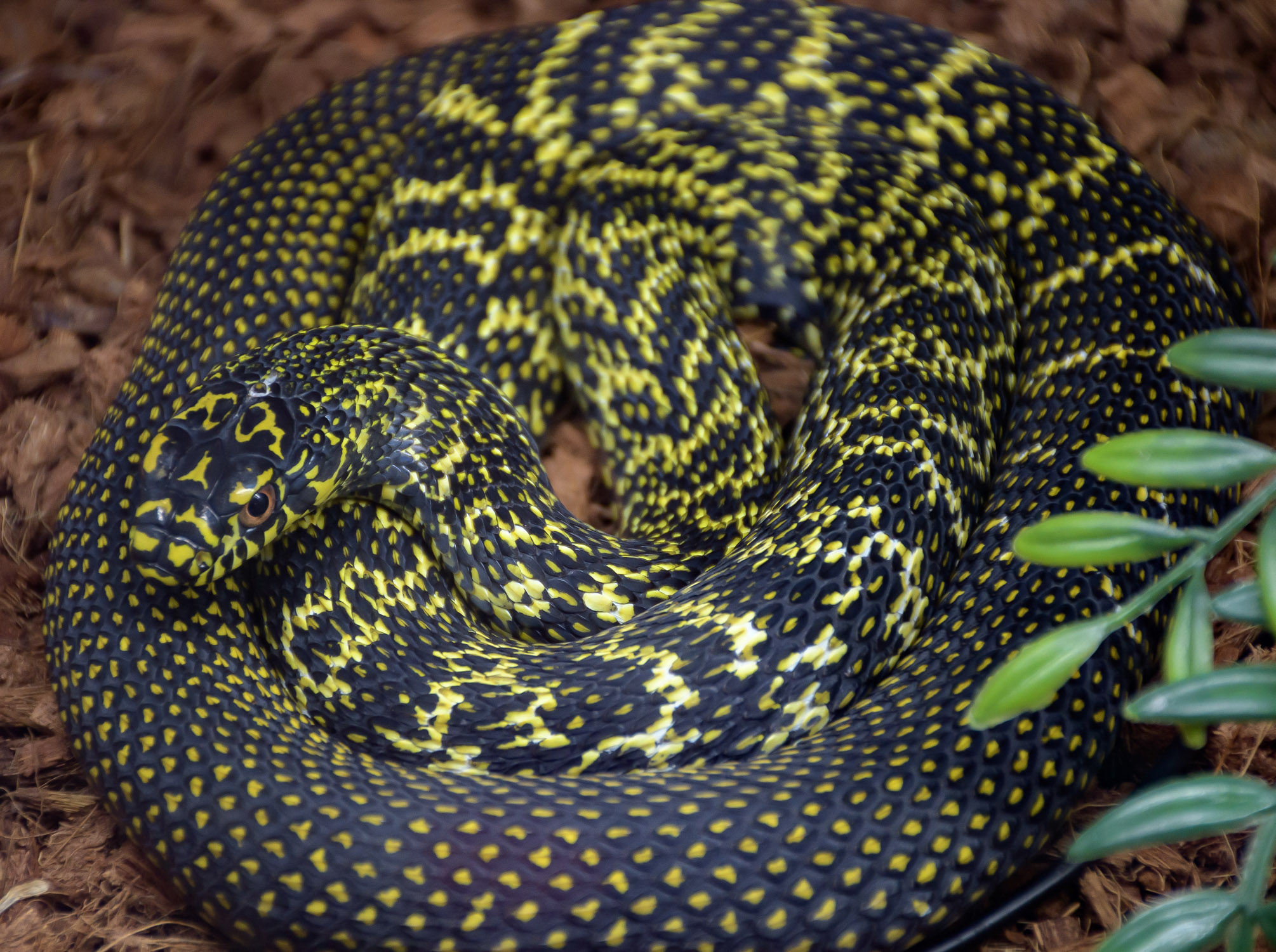
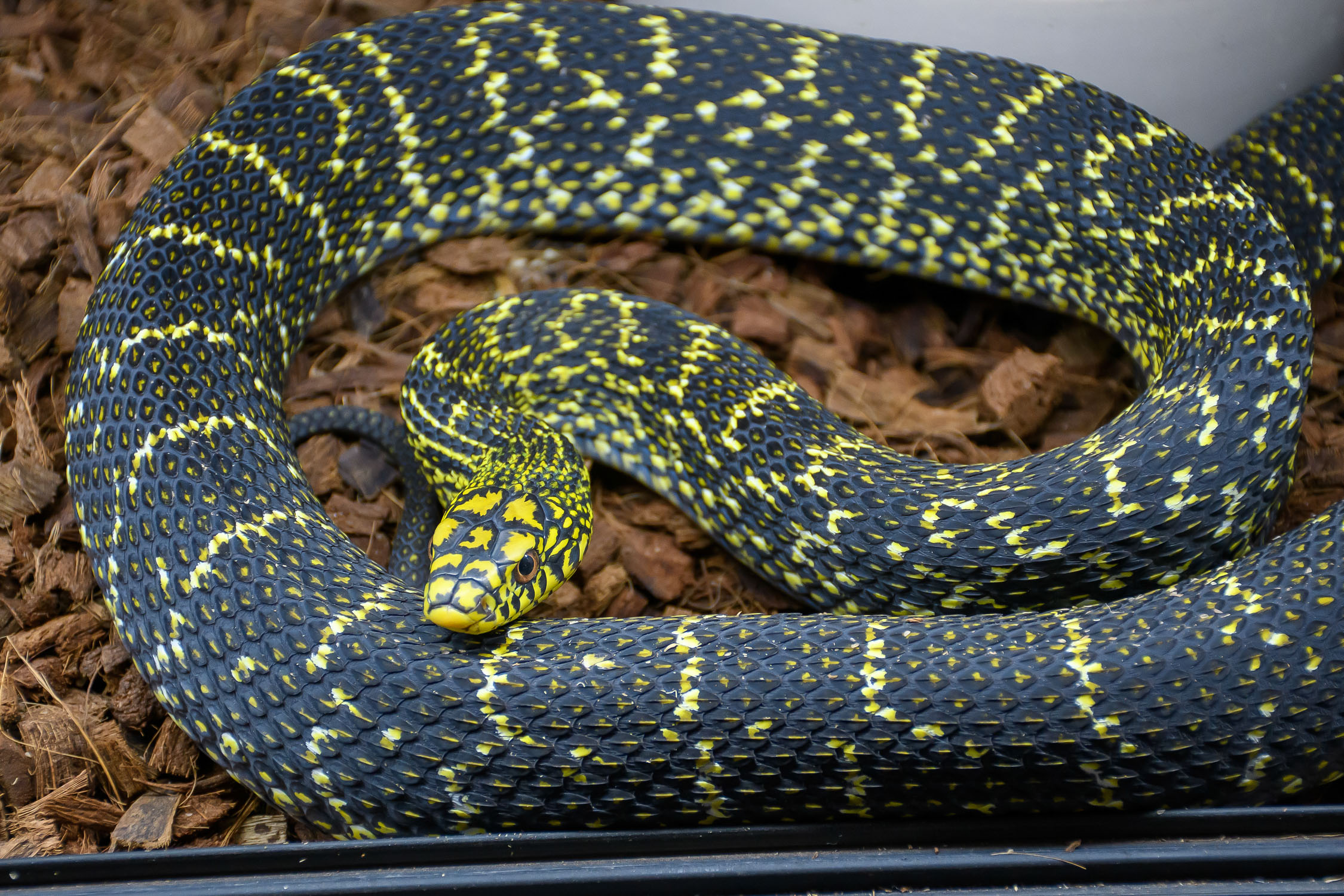
For a long time I have had the urge to get at least one species of Asian colubrid, so I decided on "the Stinking Goddess", aka the Chinese King Ratsnake. I sort of blame Dan Mulleary for this. He made this video where he is unboxing several of these and a couple of the snakes are especially big, beautiful, and of course, very calm. So that became my target species. (I ignored the fact that the animals were probably cold, and thus calm, from the shipping process.) Dan is great to watch by the way since he does so much work with Asian species.
 Dan Mulleary with a large Chinese King Ratsnake
I bought a pair of CKRs and they quickly showed me their true personalities. First of all they don't smell particularly bad like I was expecting. I mean it's not as good as the smell of baked bread, but it's not worse than the other stinky colubrids that I keep. The Black ratsnakes that I used to keep a long time ago were particularly foul-smelling.
In terms of handleability the male is slightly easier to handle in that I don't get bitten by him every two seconds like I do when handling the female. The male just tries to squirm away which is not surprising. But at least he only bites occasionally.
The female, who quickly earned the name Malice, doesn't stop biting when she's in my hands. I've tried things like getting her out once or twice a week consistently for a few minutes at a time to try and have some positive handling experiences with her so that she can learn that I'm not here to hurt her but so far I haven't noticed any changes in her behavior. When we have these handling sessions I talk out loud to her hoping that she becomes accustomed to my sight and sound. I sarcastically announce, "Malice, it's playtime!" and maybe she senses the sarcasm and it just angers her more. I don't know. Playtime has become her nickname though and I'm sure that she hates that name, which encourages me to use it often.
Here is a great book to get to learn more about Asian ratsnakes. I got it and was surprised at how many species of Asian ratsnakes I wanted after reading it. So consider yourself warned. Books like this should come with a 10% off coupon that's good at breeders' online stores.
 The Asian Ratsnakes and Kin of Greater China, by Kevin R Messenger
Any ways, my Chinese King Ratsnakes are beautiful snakes and I love having them if for no other reason than getting that periodic adrenaline spike when I get them out. And when she is not being tormented by me, Malice will roam the plants and logs in her cage all day and poke her head out over the ledge and watch me as I work. It's both endearing and creepy to see her staring at me with those evil eyes. I am nervous about having 7- or 8-foot long death machines in my collection in a few years so I do hope eventually they get more tractable. For now, there is a lock on their cages so that no one accidentally opens their cages when I'm not around.
Husbandry
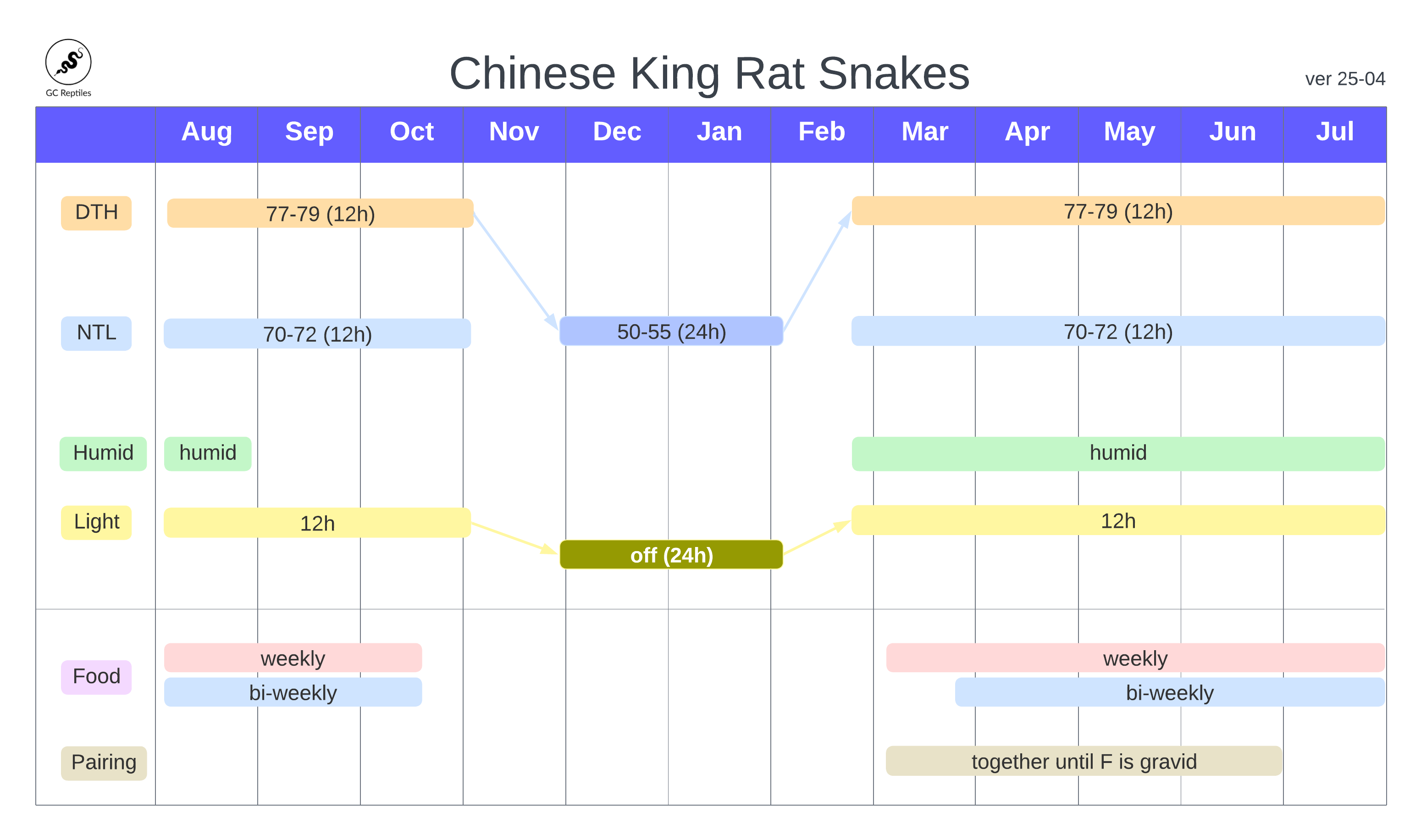
See how to read the husbandry charts.
Temperatures, Humidity, and Light
As you can see in the chart above, Chinese King Rat snakes do not like hot temperatures. They do very well with temperatures in the 70s during the day and low 70s or even upper 60s at night. I have observed mine basking under their heat panels during the day after they eat, so I make sure they have a place that is a bit warmer when they are trying to digest a meal.
For humidity, my room naturally stays in the 40-50% humidity range and this seems to be sufficient for them most of the time. However, when they are in shed, once a week or so I wet down the 4" of coconut bark that they have as bedding. I also give the female a humid hide box from March through August to help her feel secure, humid, and to have a place to lay here eggs.
Feeding
As the chart shows, I feed the female weekly from March through October. As a 6-7' long snake, I am feeding her medium rats. I know she could eat more, and more often too, but the one-medium-rat-per-week routine seems to keep her at the right girth without her getting fat. The male only gets fed a medium rat every other week.
Breeding
I've successfully bred my Chinese king rat snakes for several consecutive years using a cooling and brumation technique commonly used with colubrid species from cooler climates.
I stop feeding in the third week of October, then gradually lower their temperatures over the following month. By the end of November, I move them to a room in my basement that stays cool and completely dark throughout the winter. Temperatures remain fairly consistent at 50–55°F, with the lights kept off.
I keep the male and female separately during this period and minimize disturbances. Every two weeks, I briefly check their enclosures and replace their water with fresh water.
In February I remove them from the room in the basement and gradually increase the temperatures until they are back to their normal temperatures. I feed the female once, and then a day or two later I introduce the male to her cage. I keep them together for the next four months or until I can tell that she is gravid, but I separate them for a day or so when I feed them.
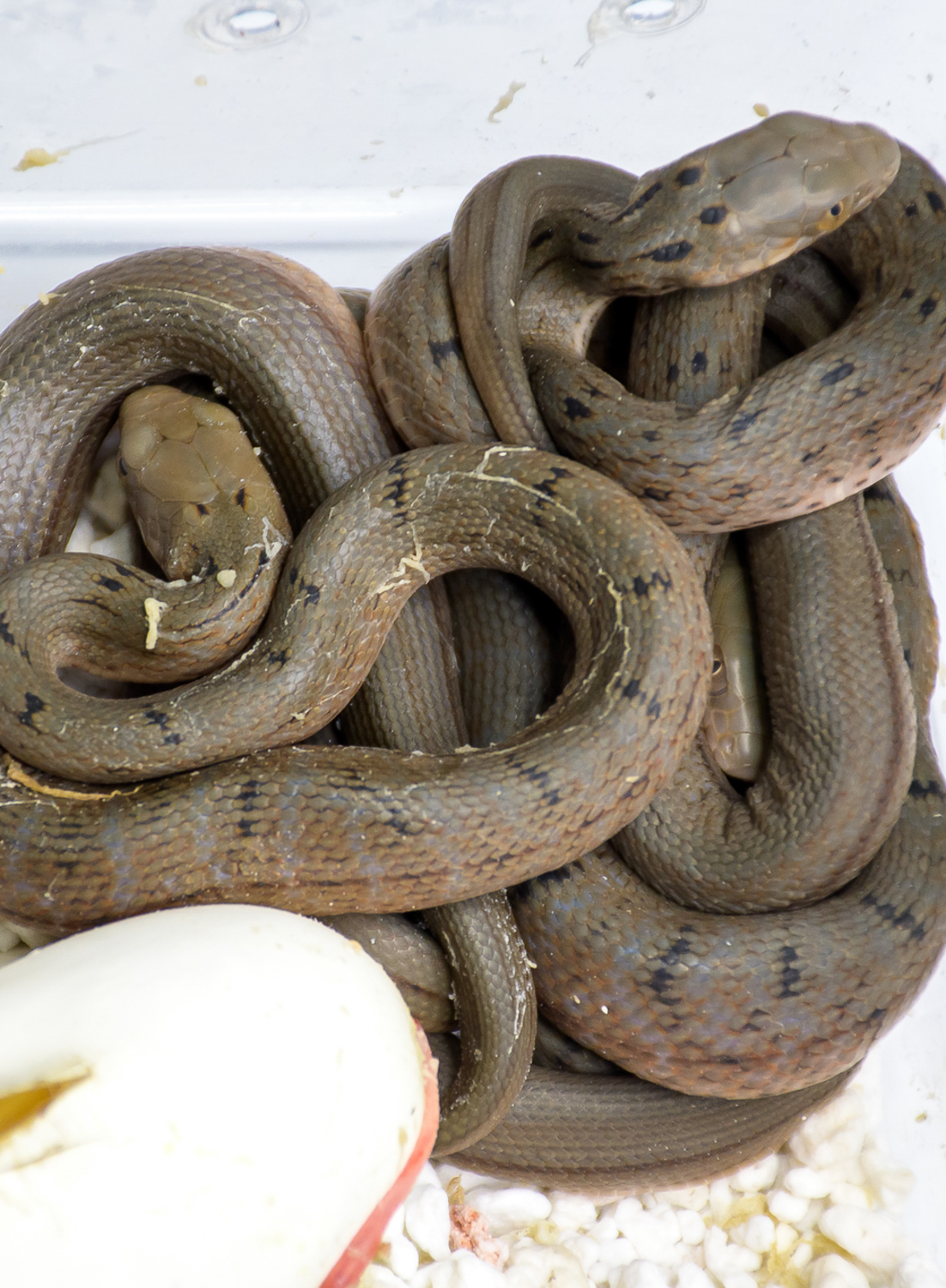
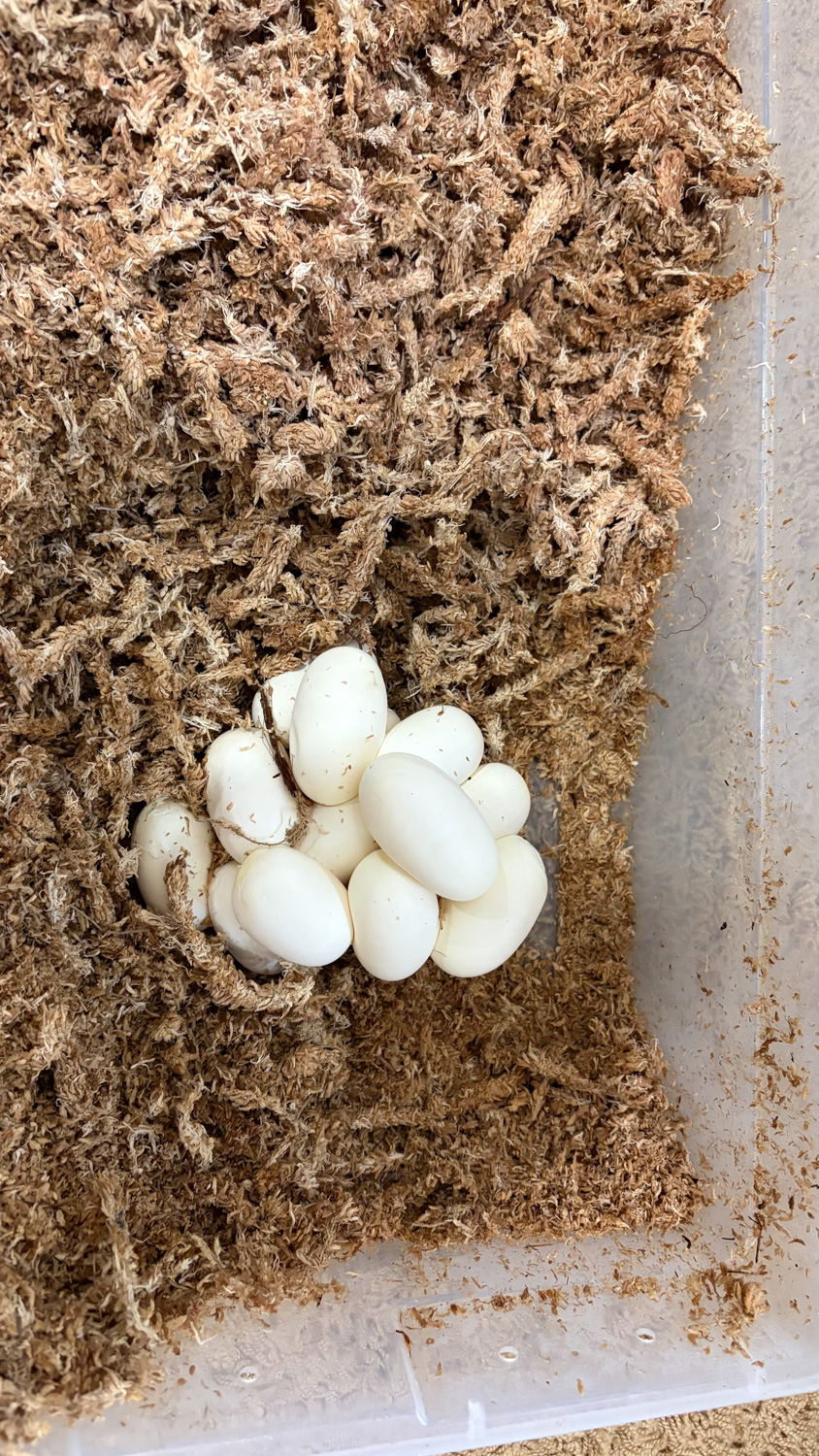
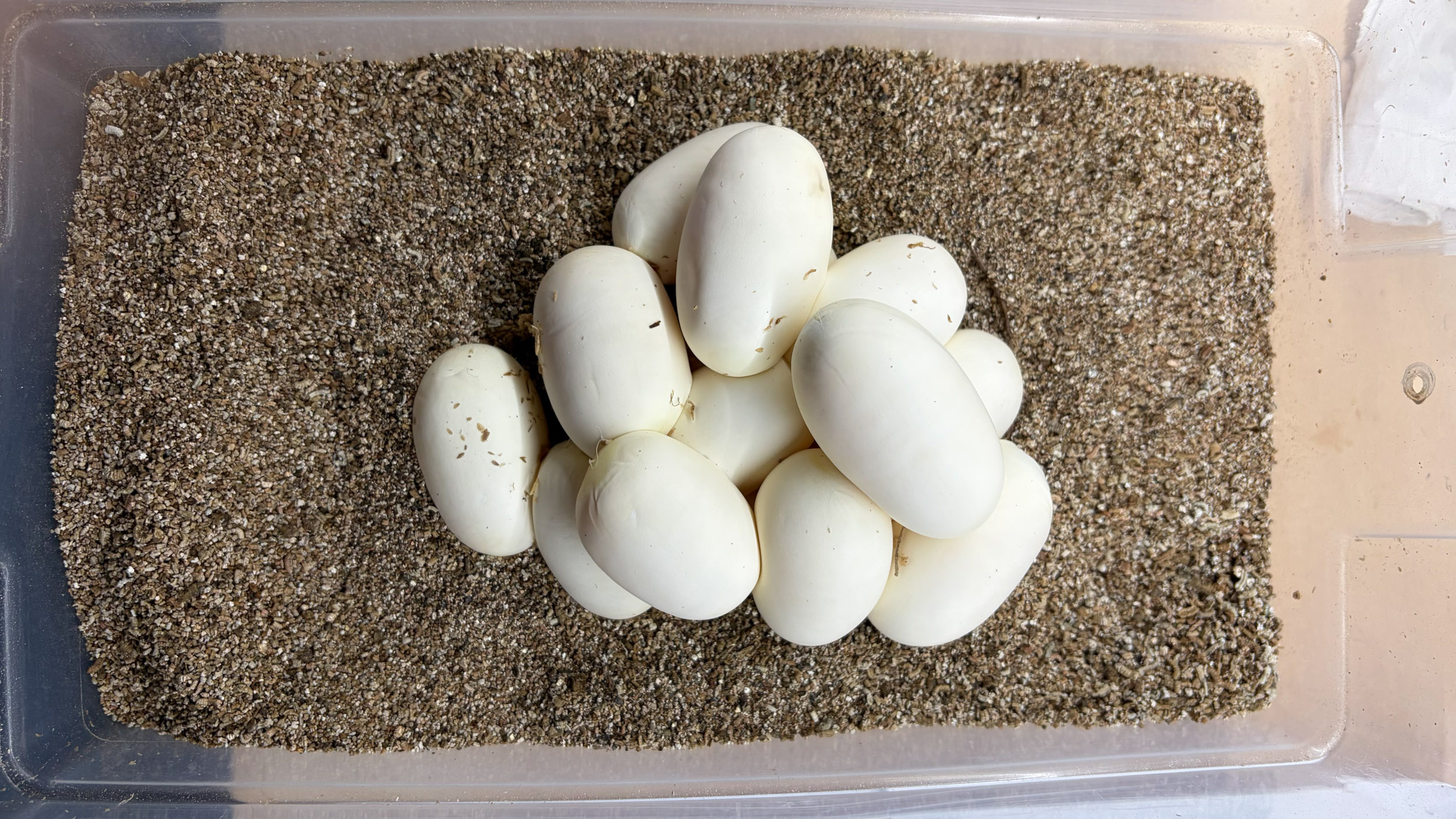
My female has been laying a clutch of 12-15 eggs in mid-May which I incubate at about 79-80 F. At this temperature, the eggs take 60 day to hatch. My female has also laid a second clutch of eggs each summer too but none of those eggs have been fertile.
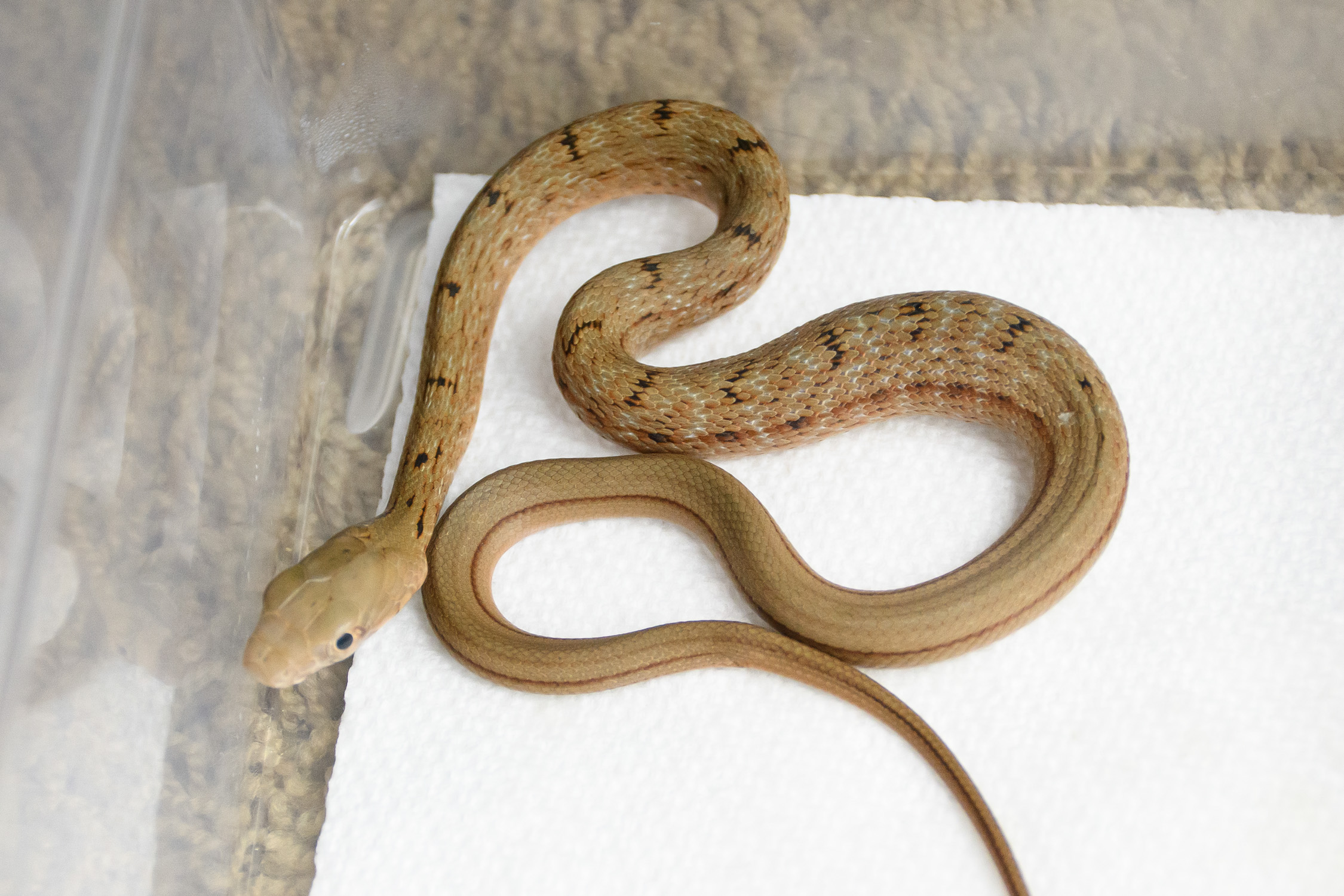
I start my baby Chinese king rat snakes on thawed fuzzy mice. I've found that their ontogenetic color change—from olive-green juvenile coloration to their striking black-and-yellow adult pattern—seems to be driven more by growth and s ize than by age alone.
For example, when raising clutch-mates, I've noticed that a baby that feeds more consistently and grows faster will typically develop its adult coloration sooner than a sibling of the same age that is a reluctant or inconsistent feeder.
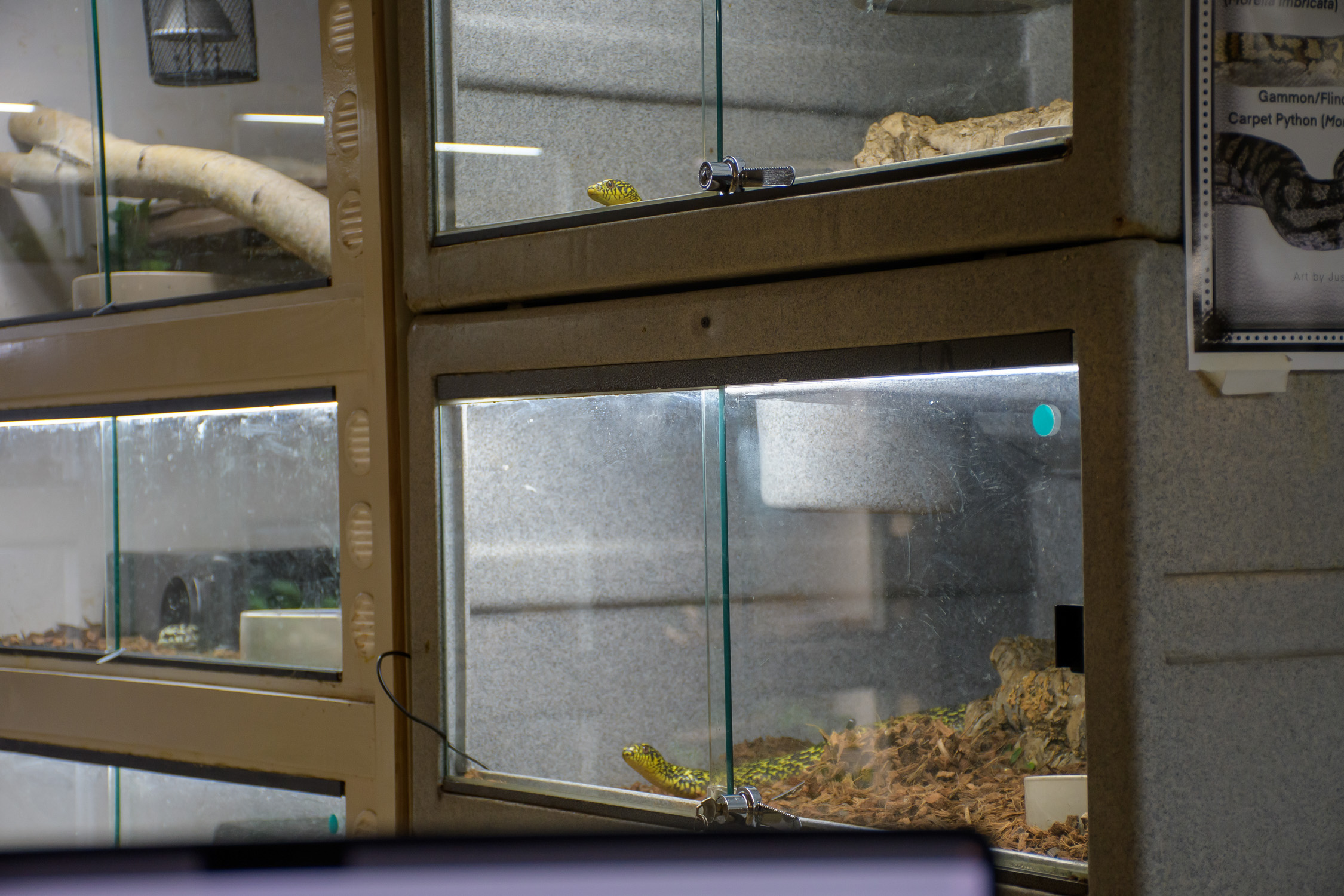 Cruelty and Malice watching me work, 2024
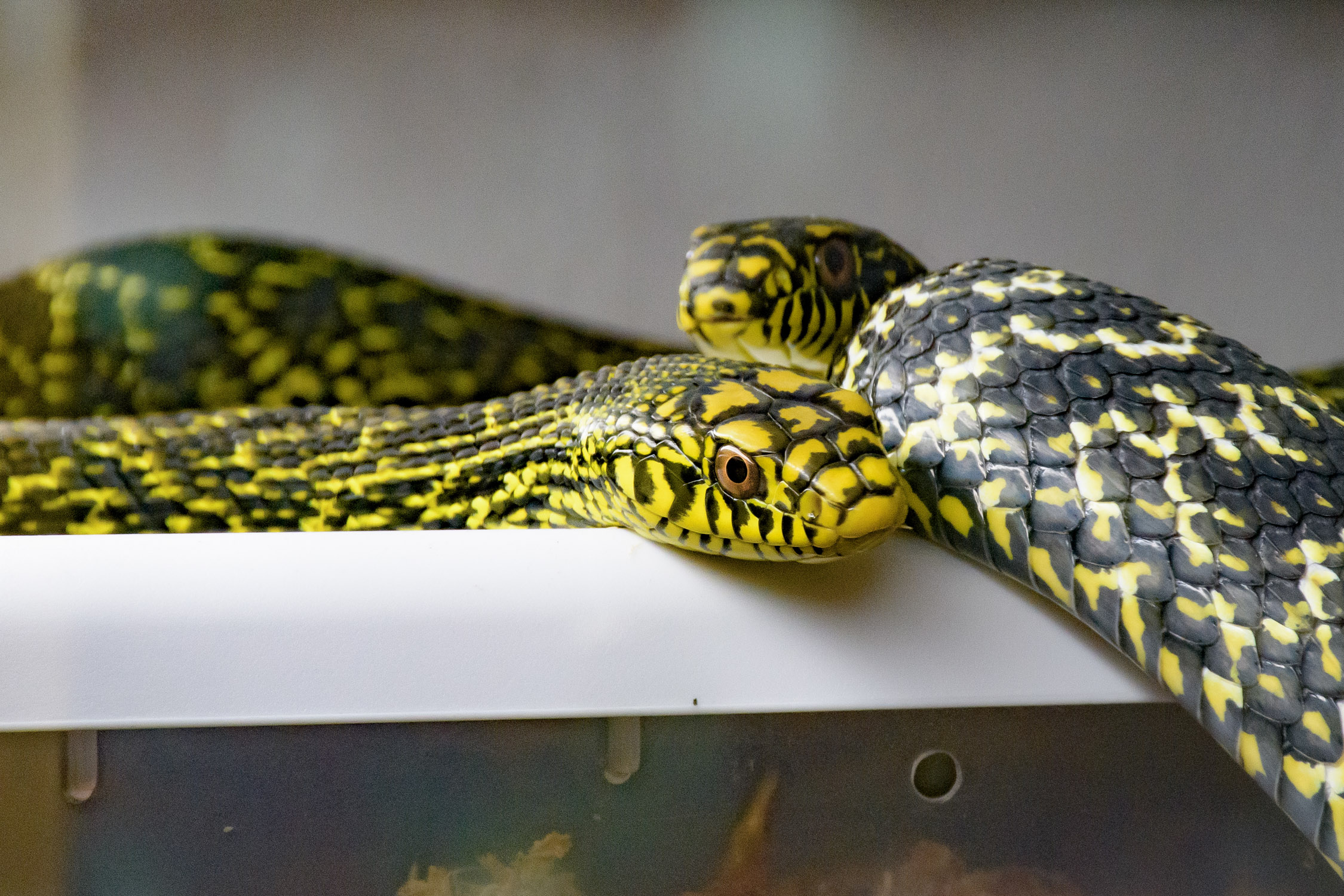 Cruelty and Malice, 2025
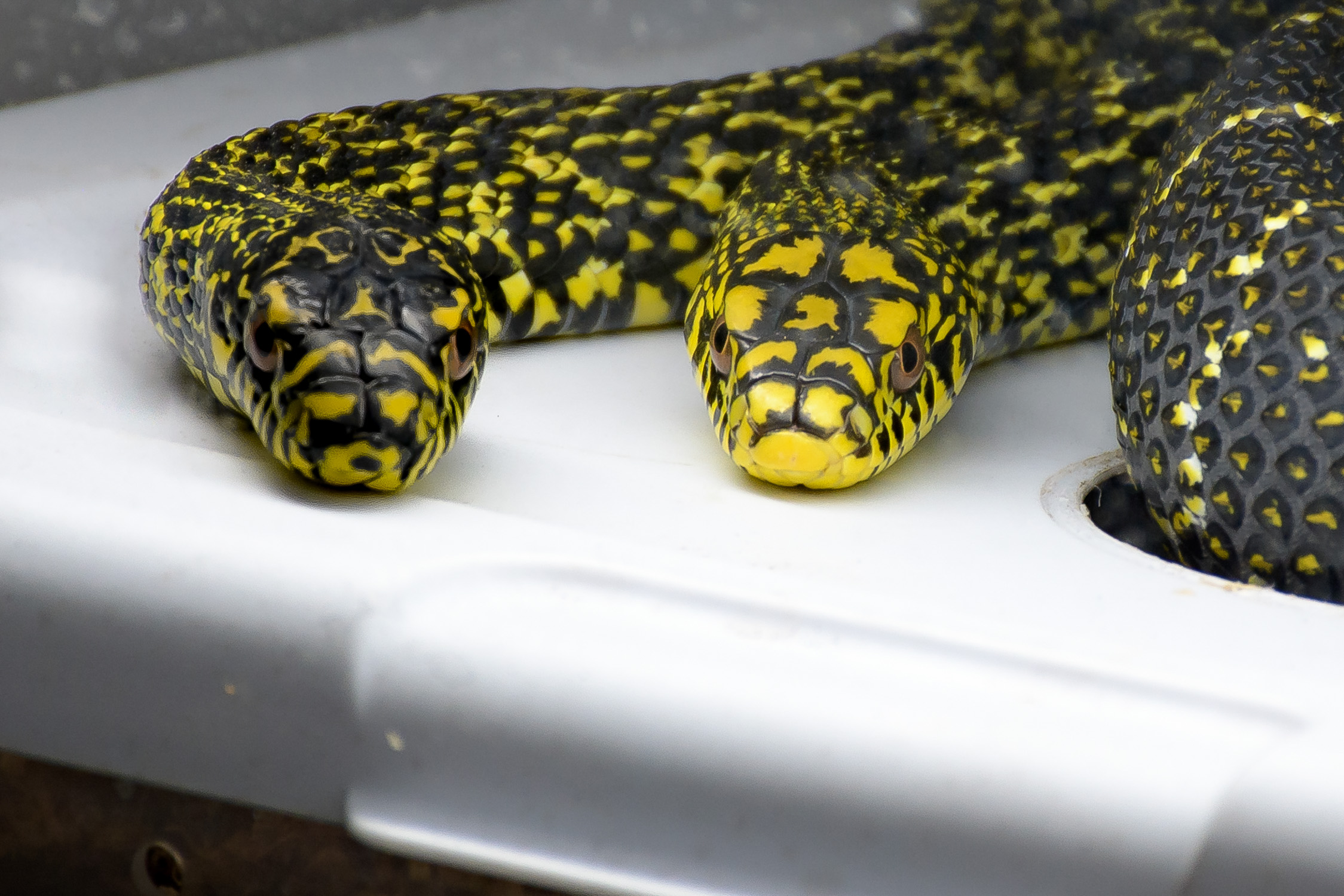 Cruelty and Malice, 2025
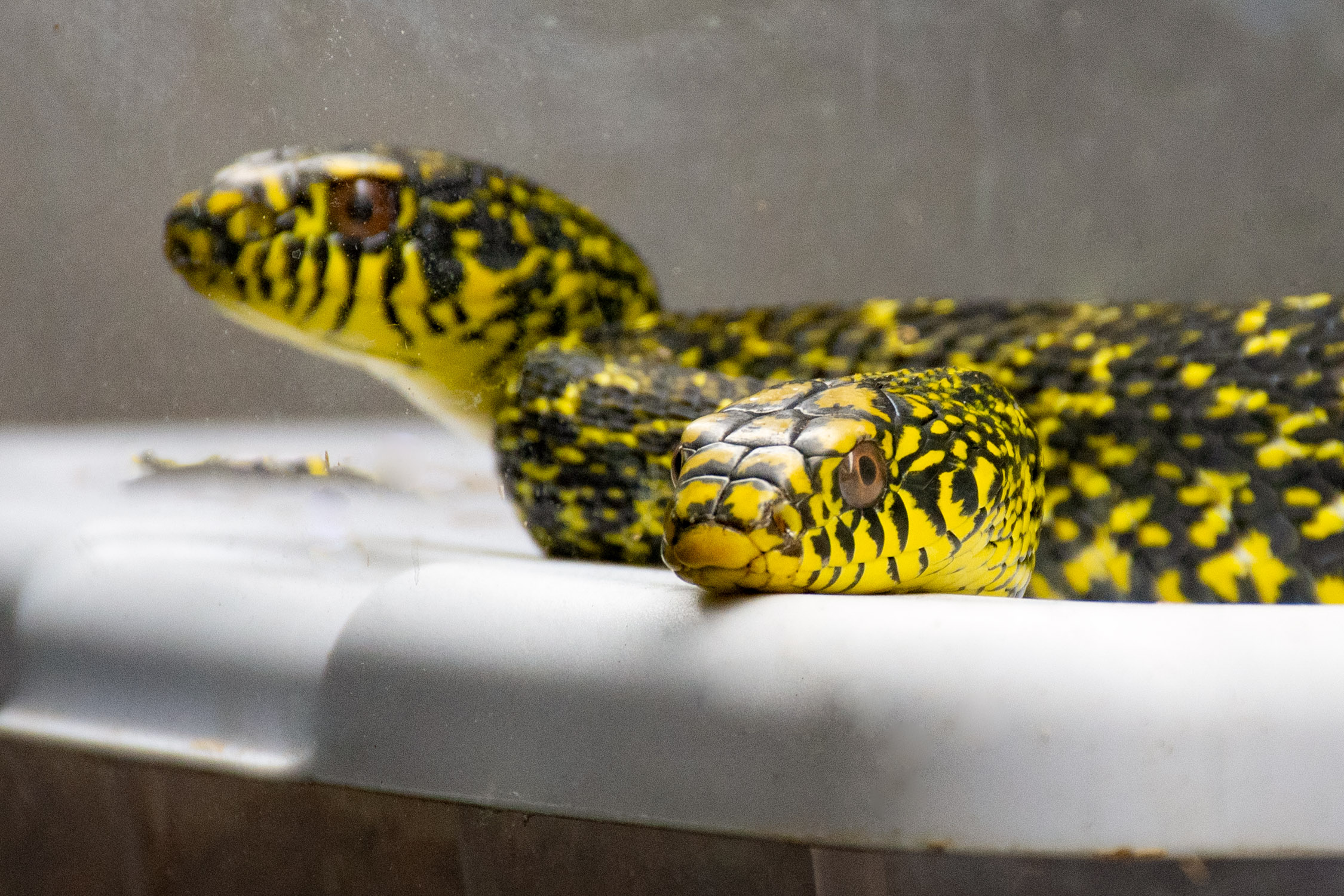 Cruelty and Malice, 2026
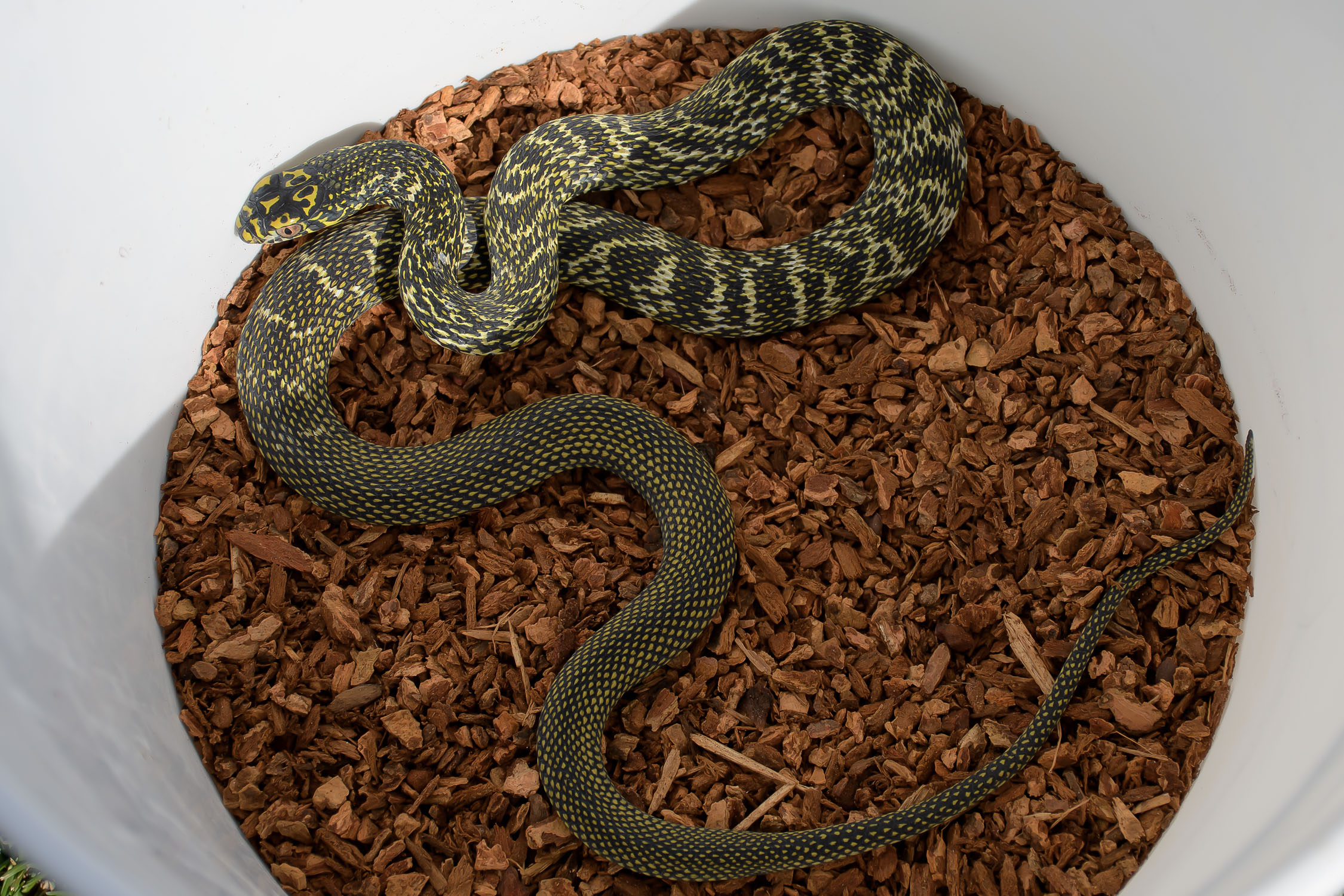 Cruelty, 2022
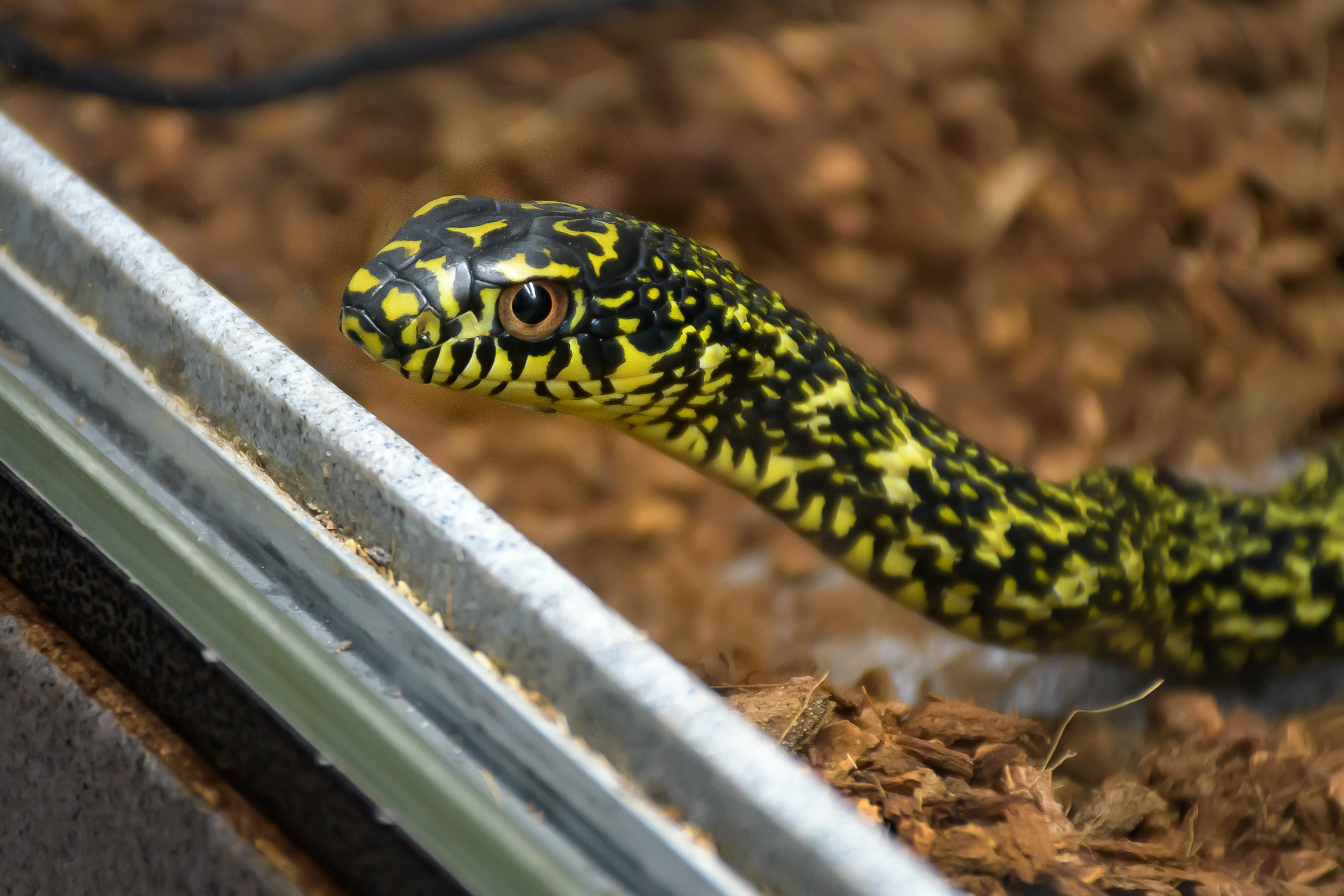 Cruelty, 2023
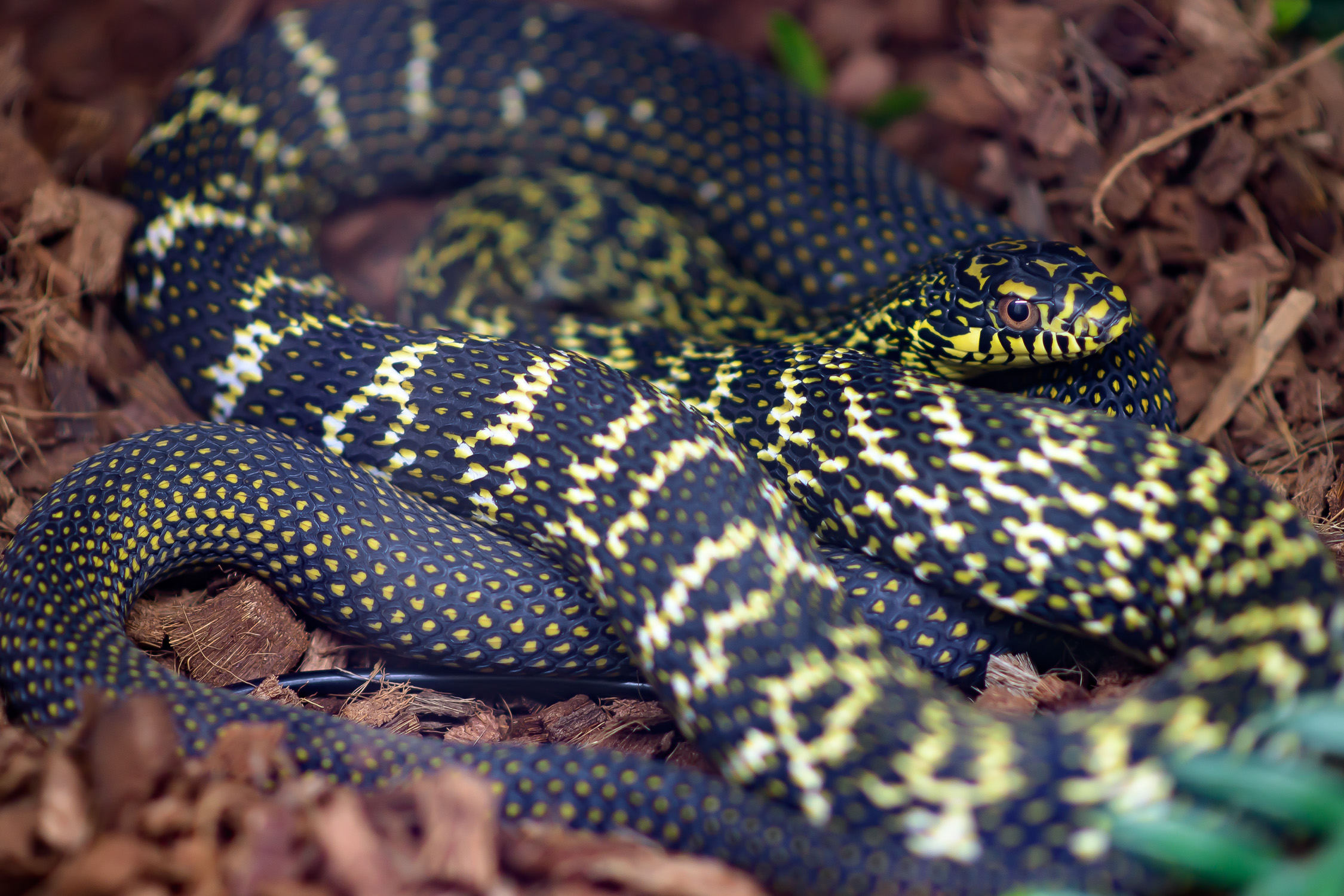 Cruelty, 2023
- Cruelty, 2023
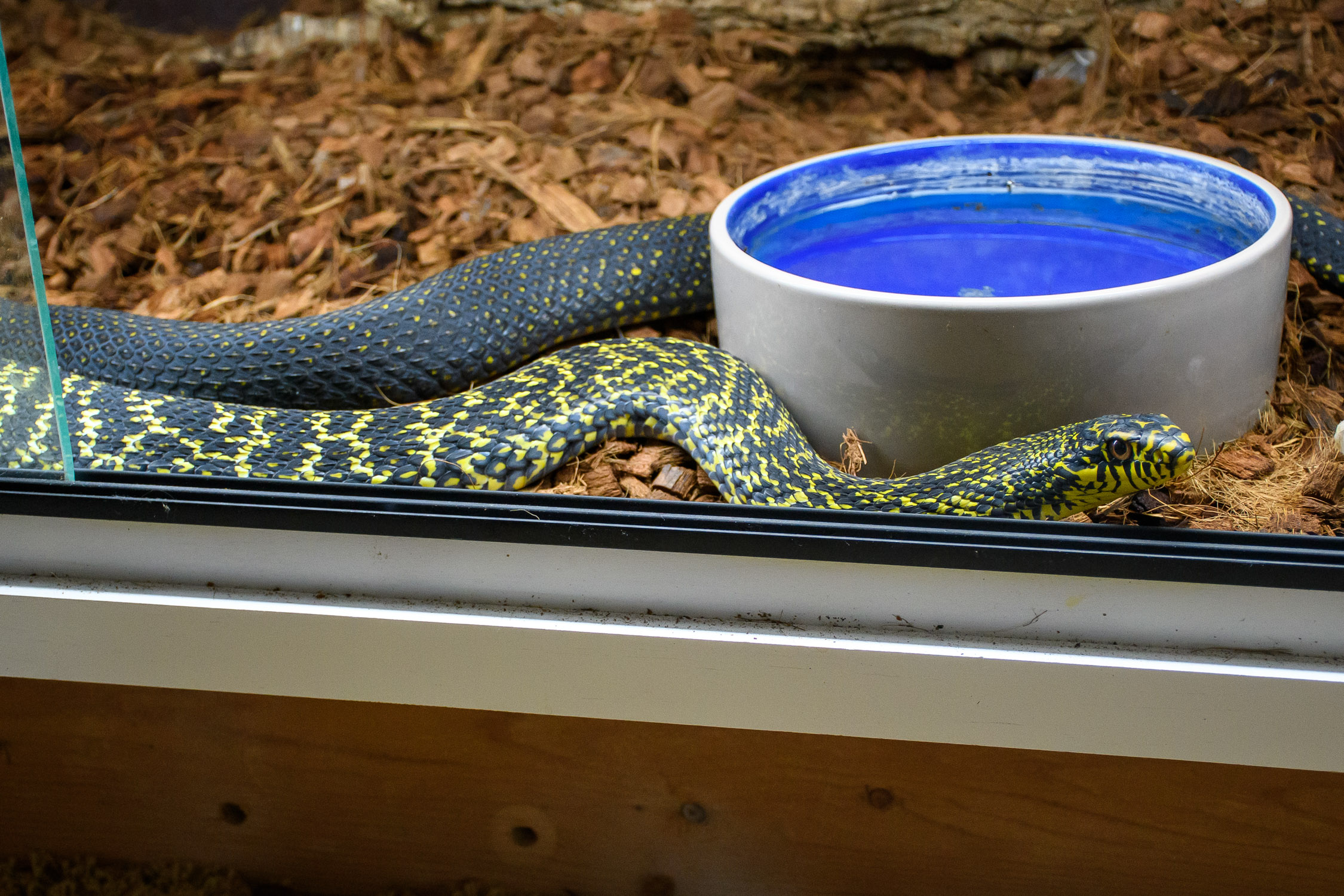 Cruelty, 2025
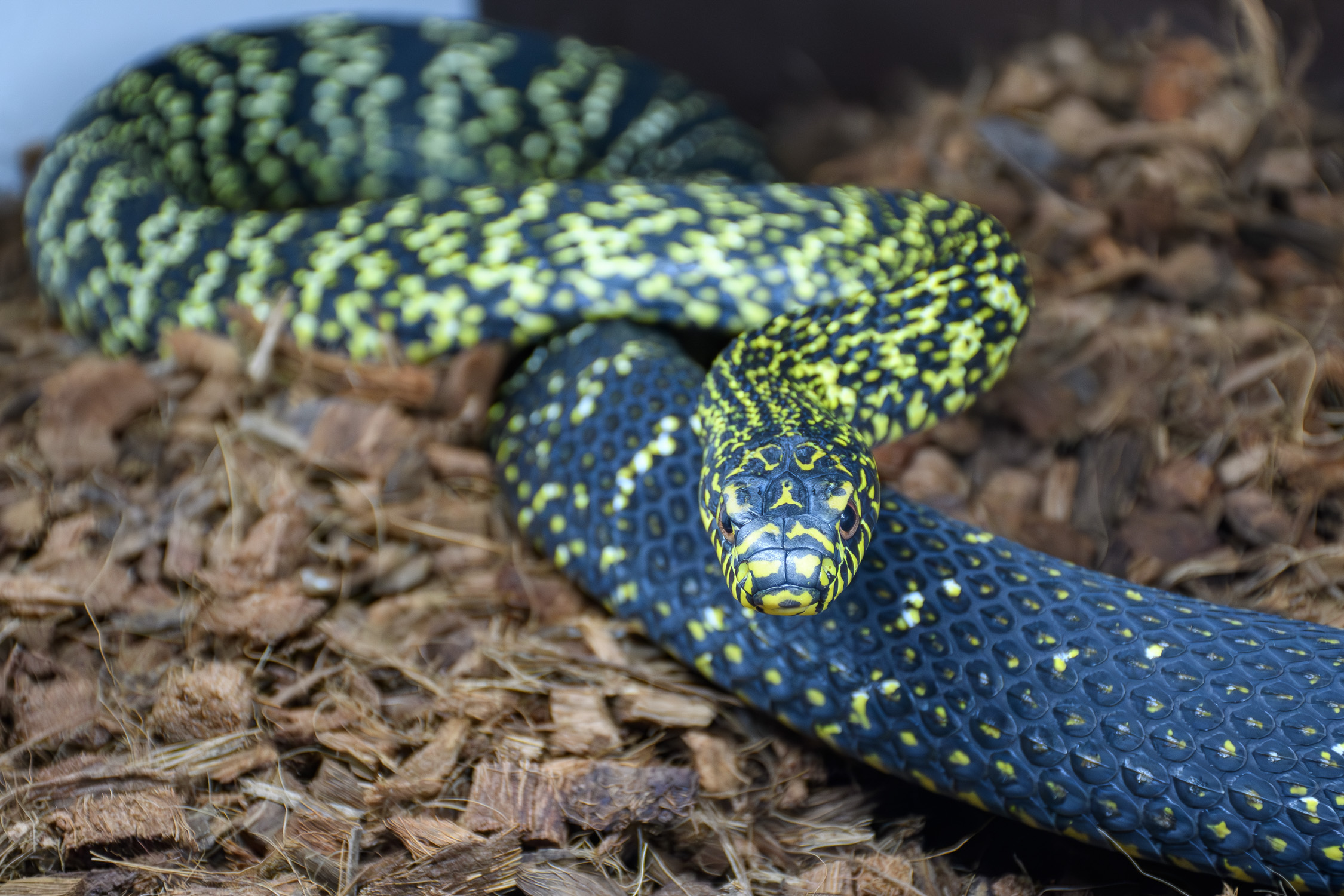 Cruelty, 2025
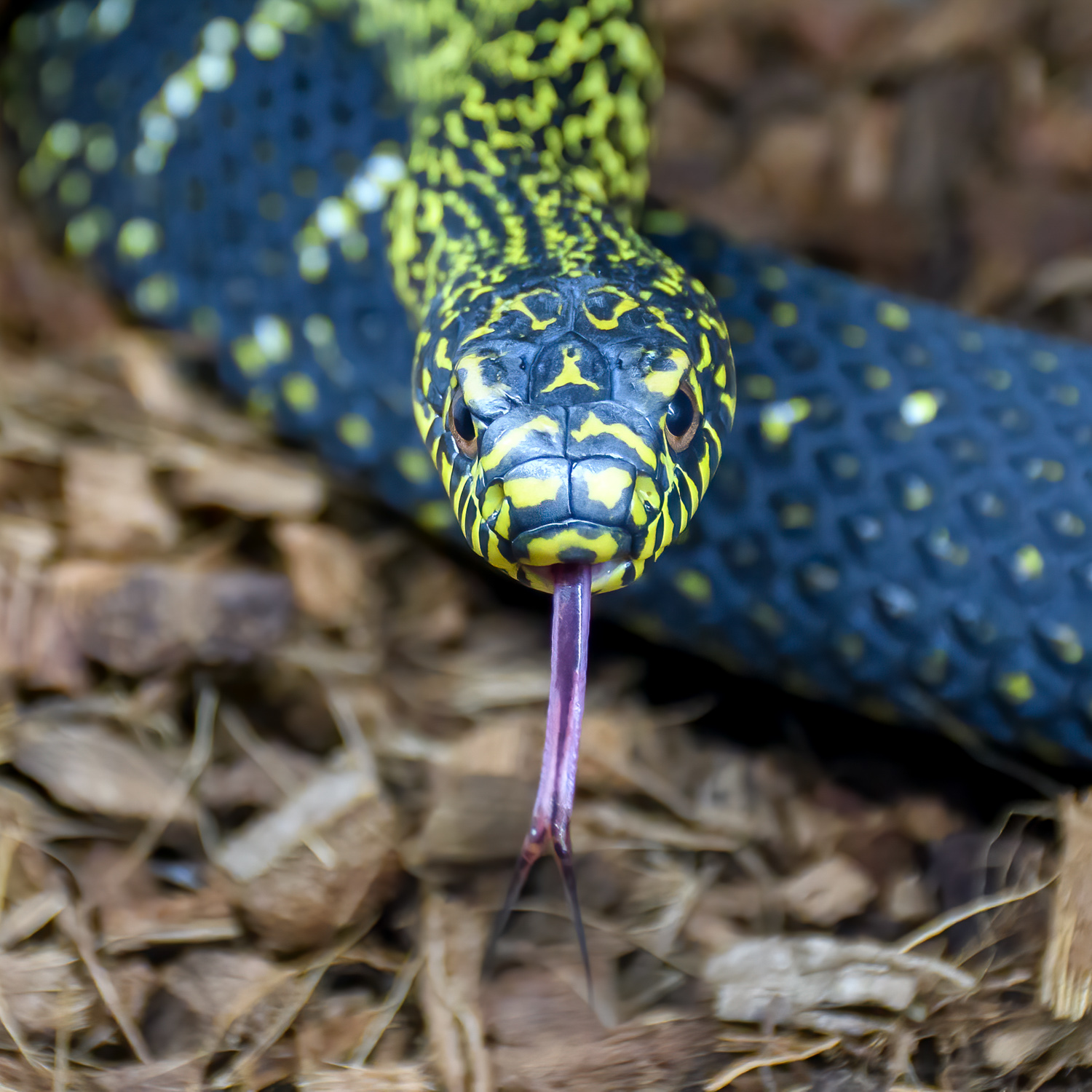 Cruelty, 2025
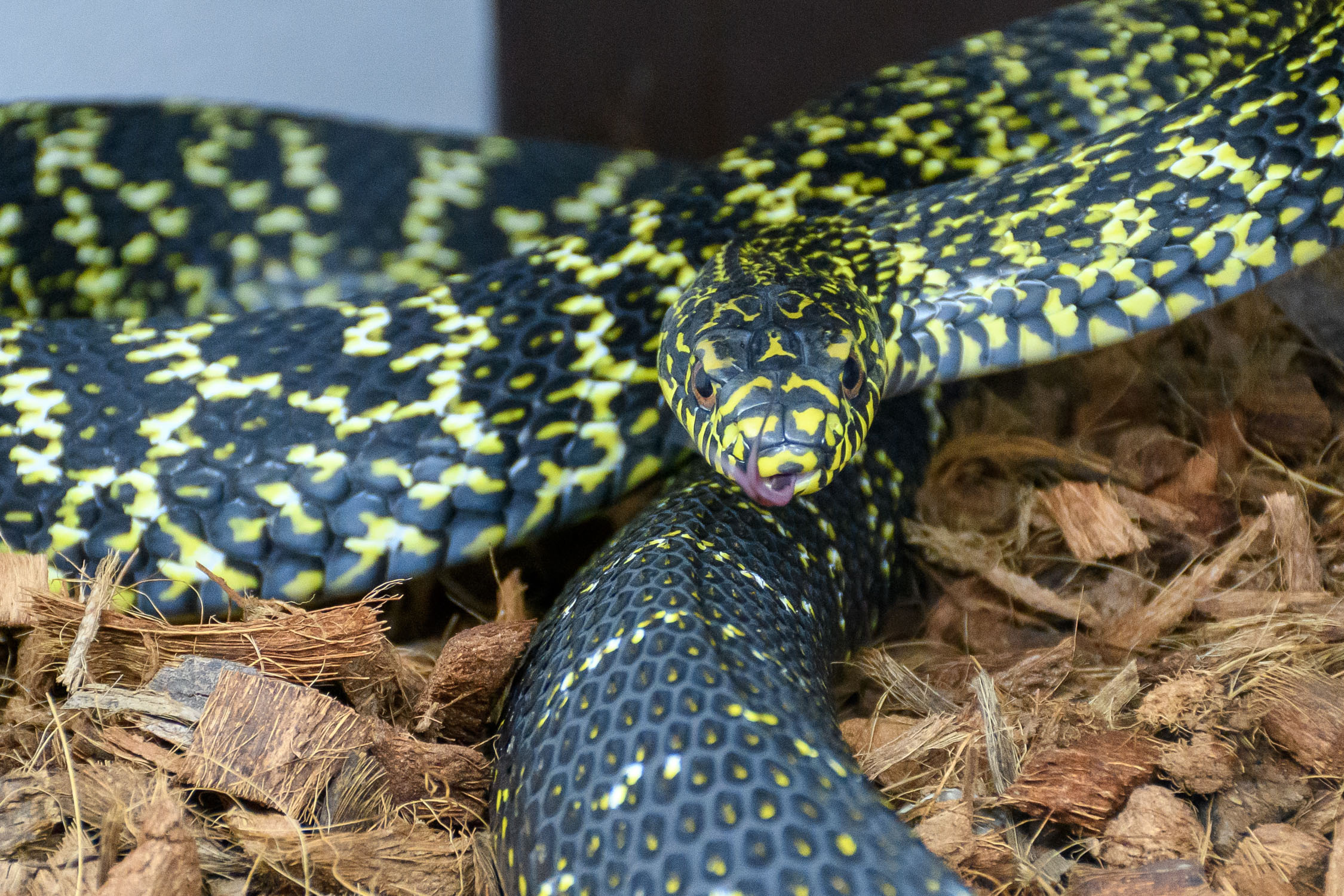 Cruelty, 2025
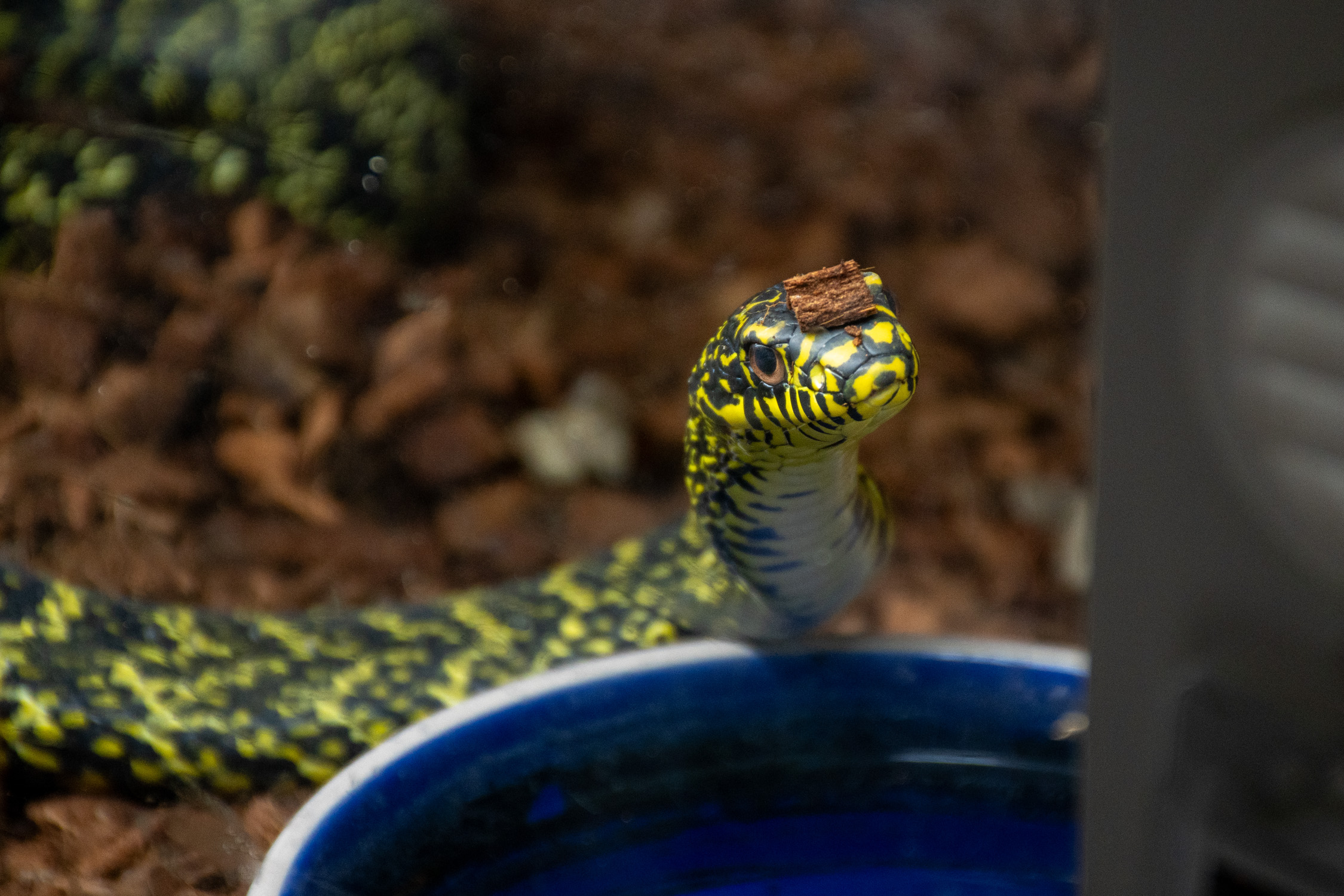 Cruelty, 2026
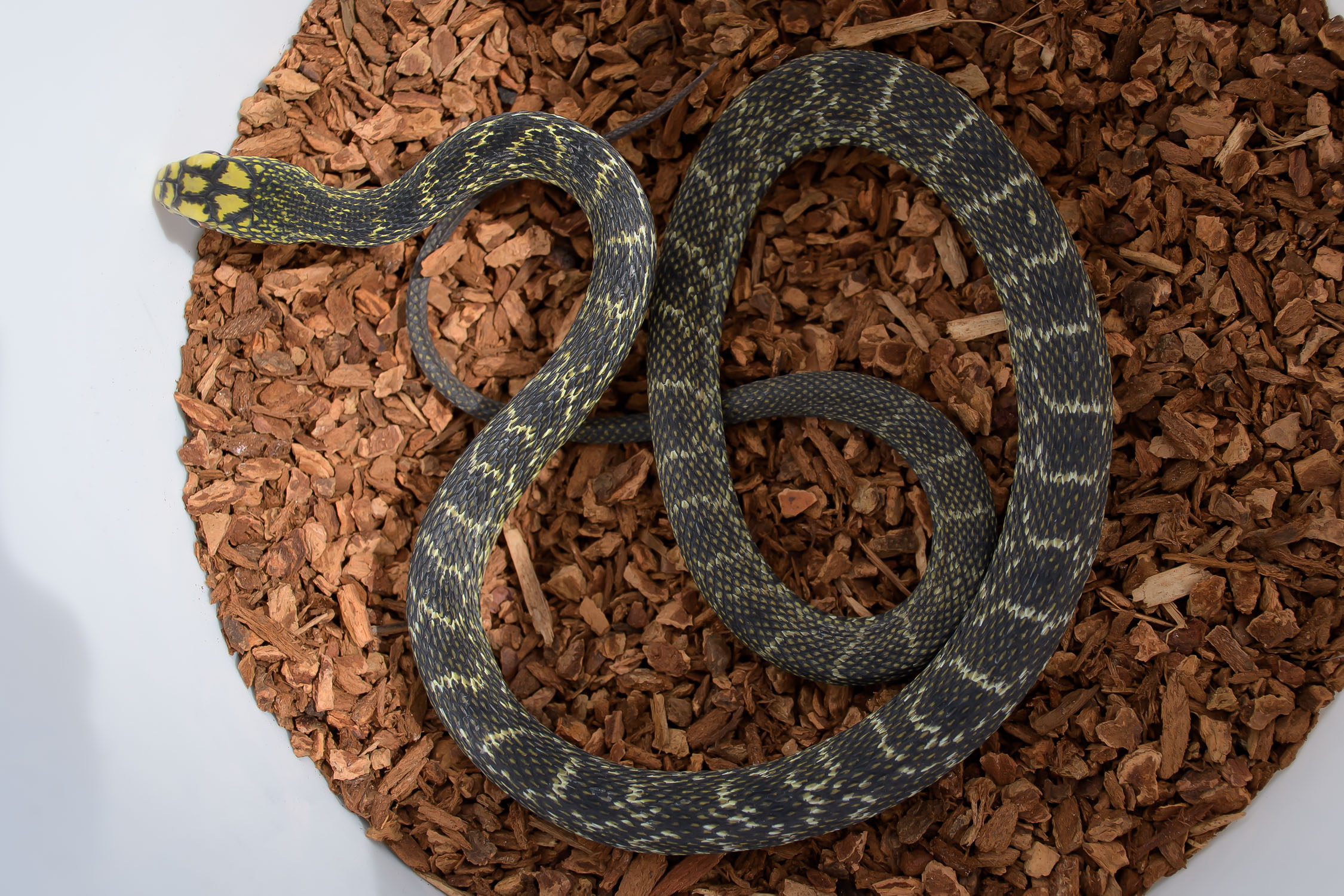 Malice, 2022
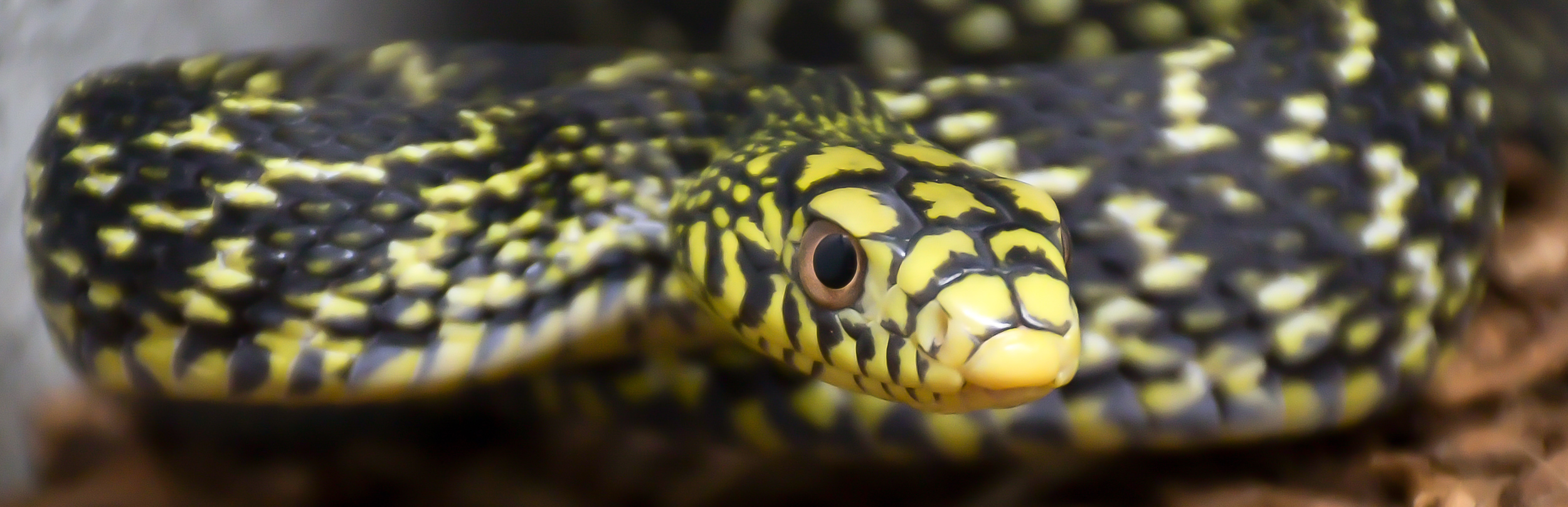 Malice, 2022
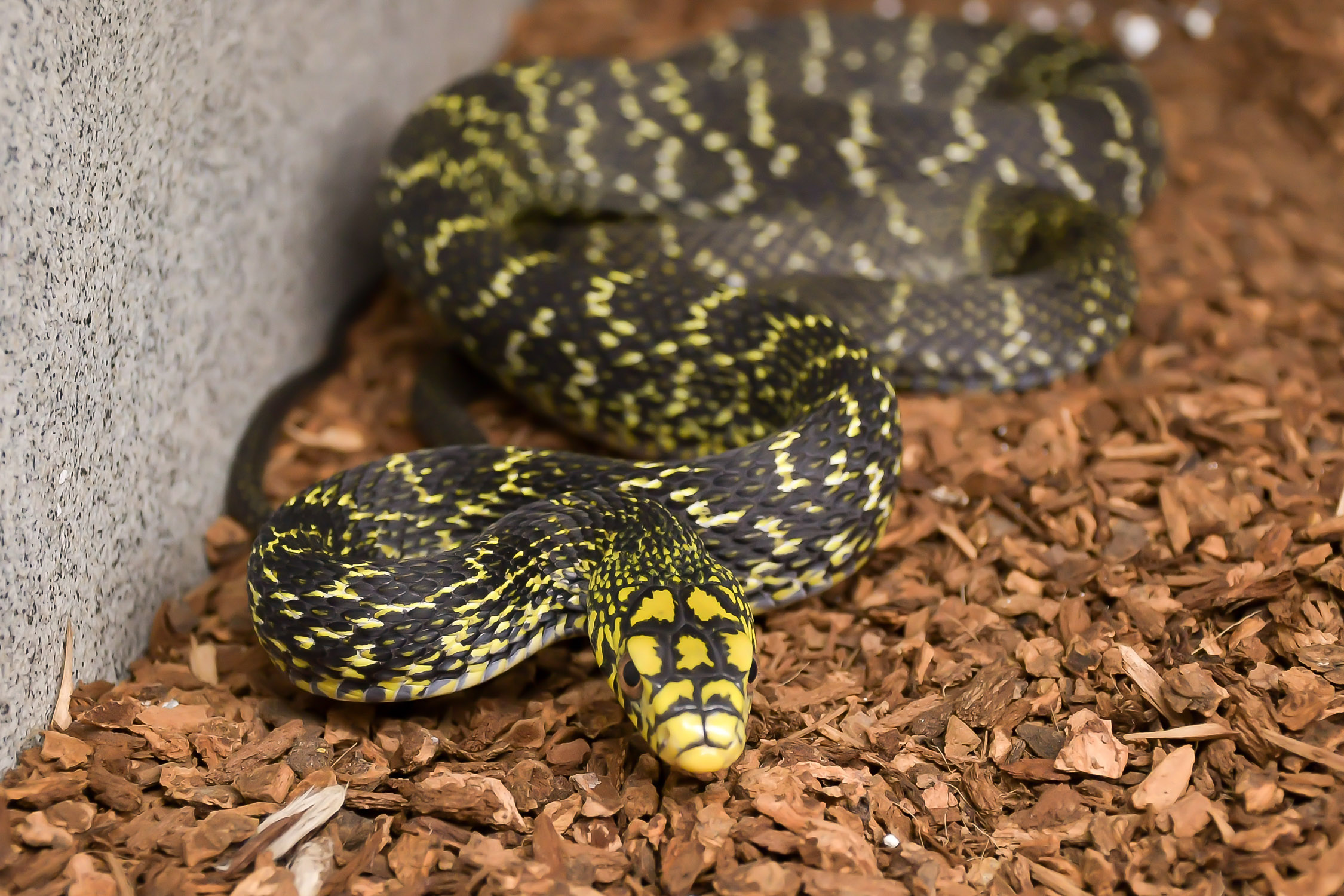 Malice, 2022
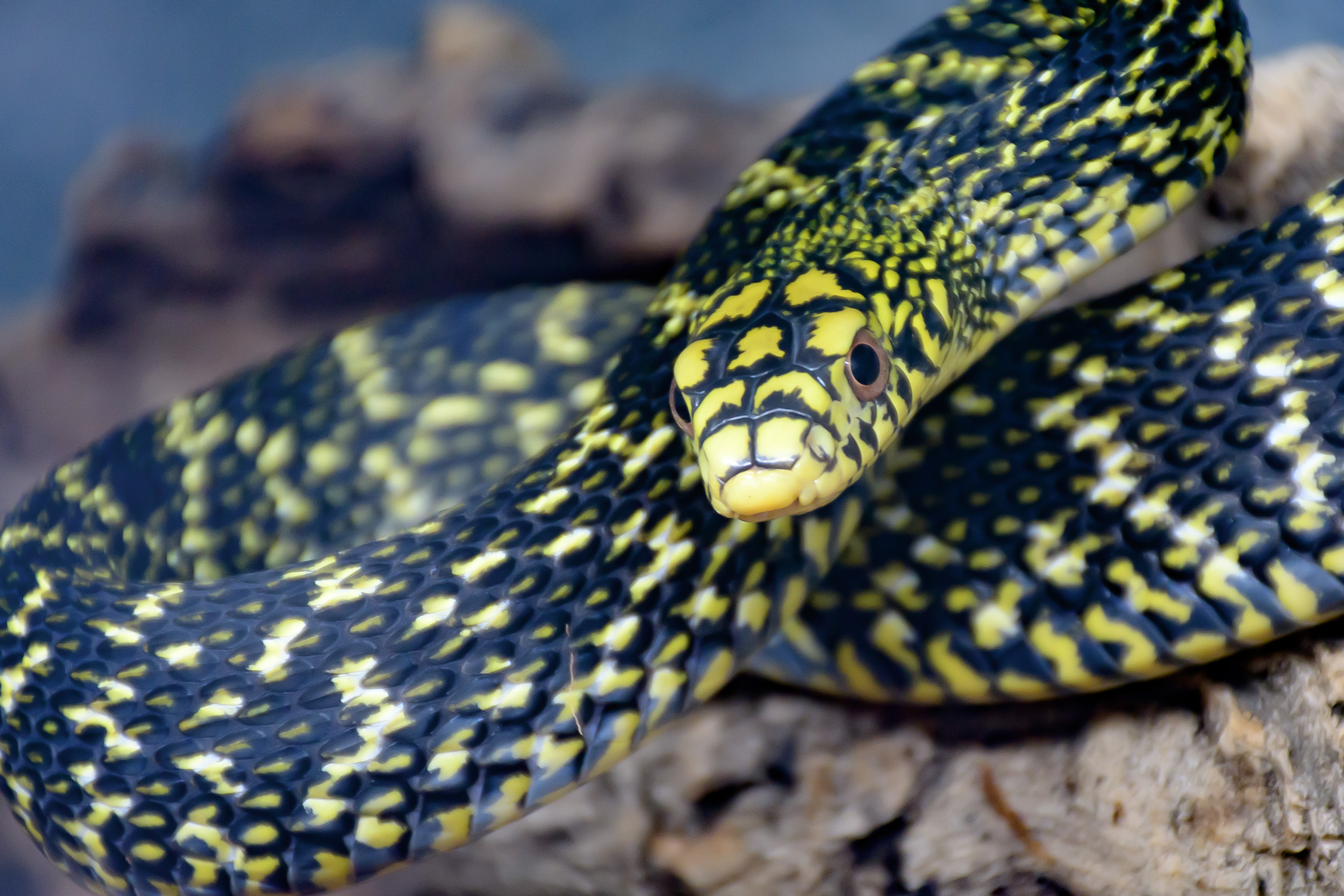 Malice, 2023
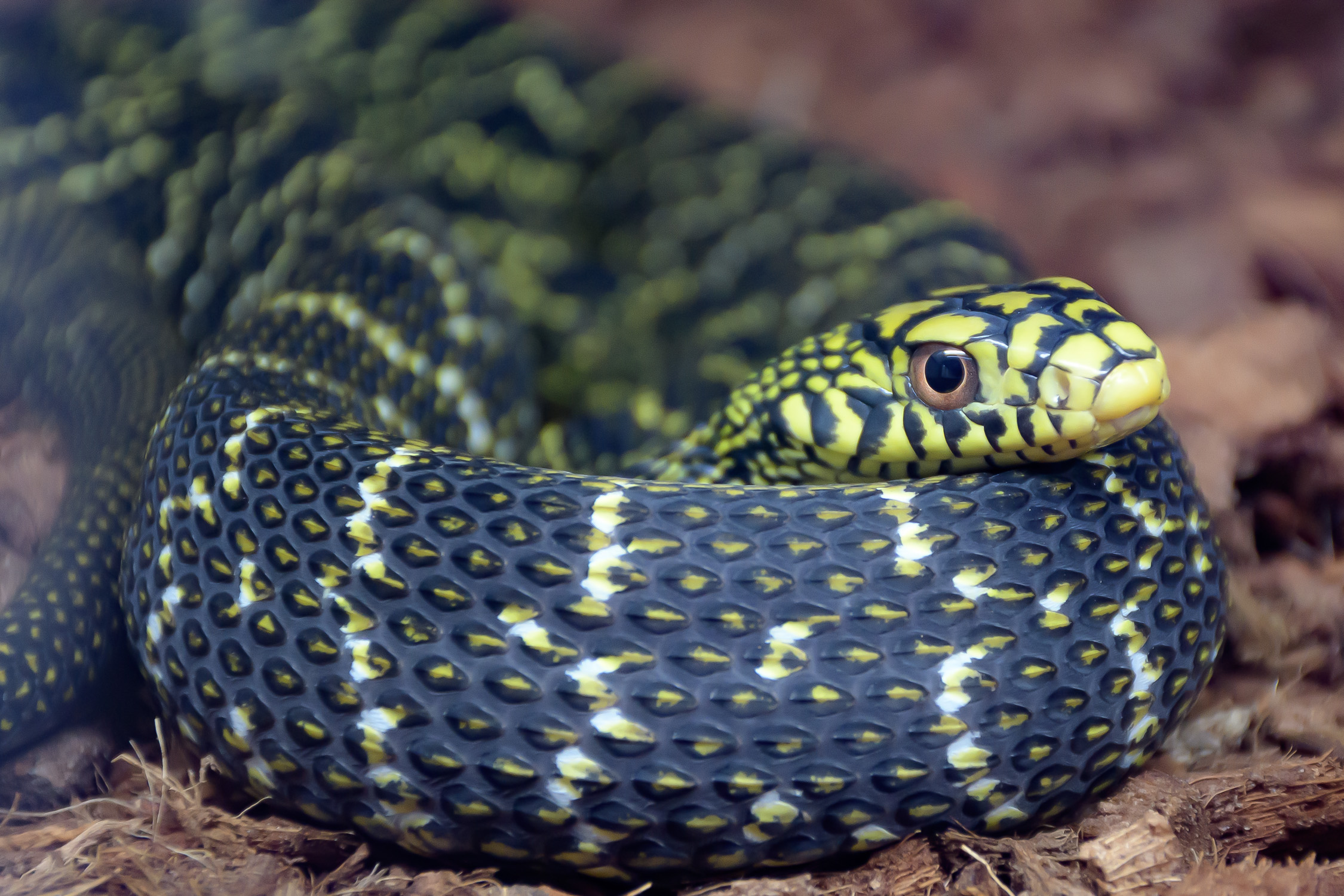 Malice, 2023
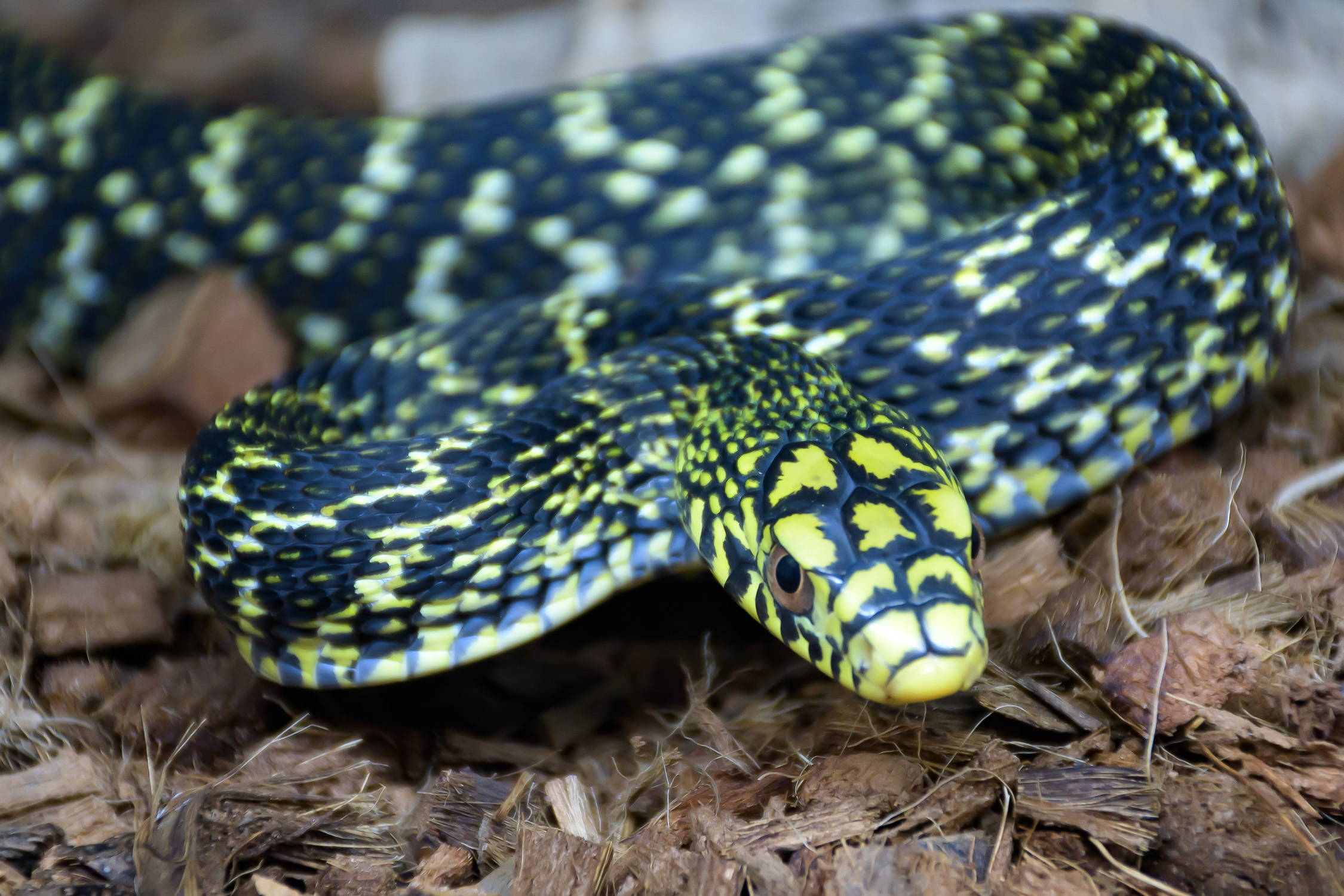 Malice, 2023
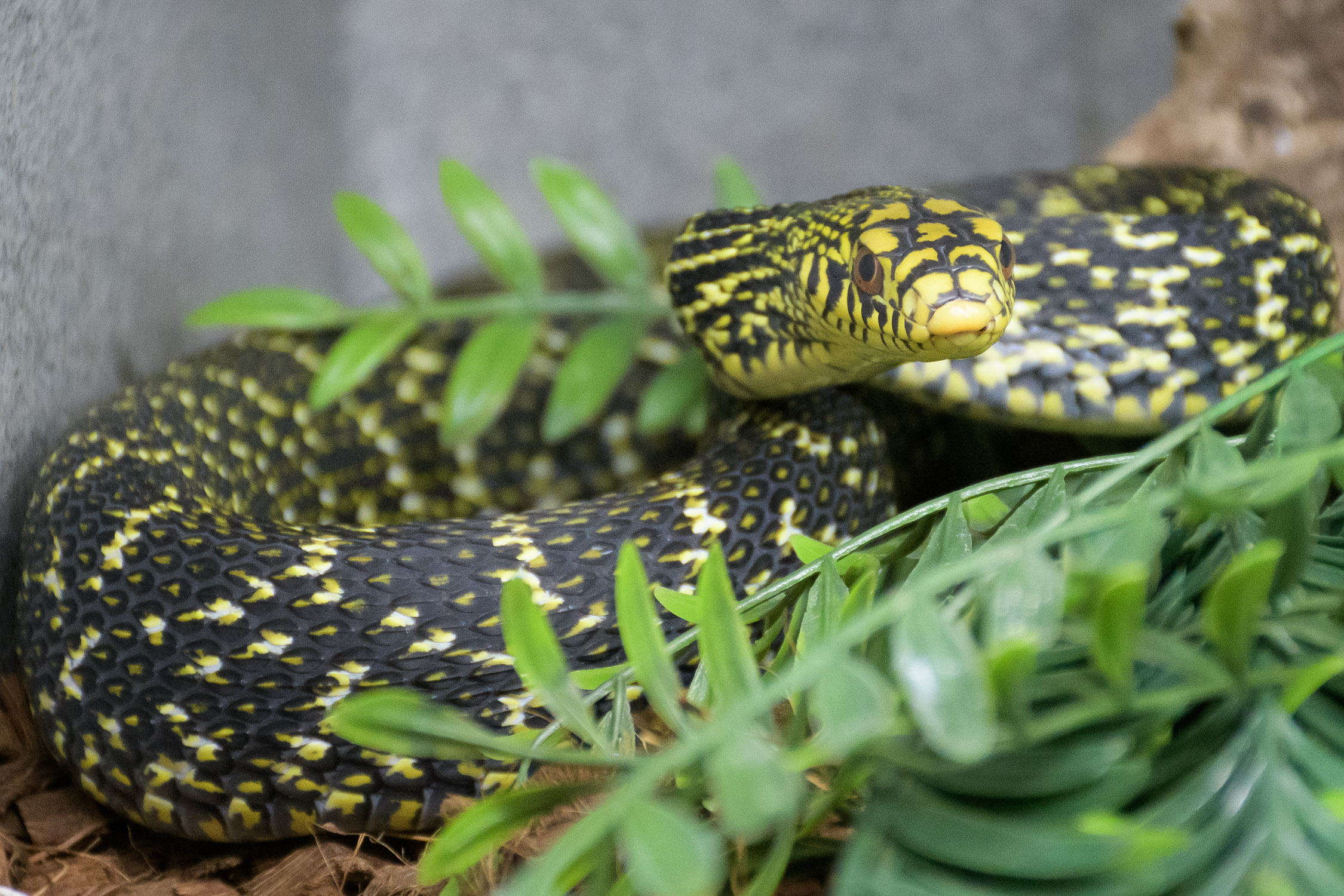 Malice, 2023
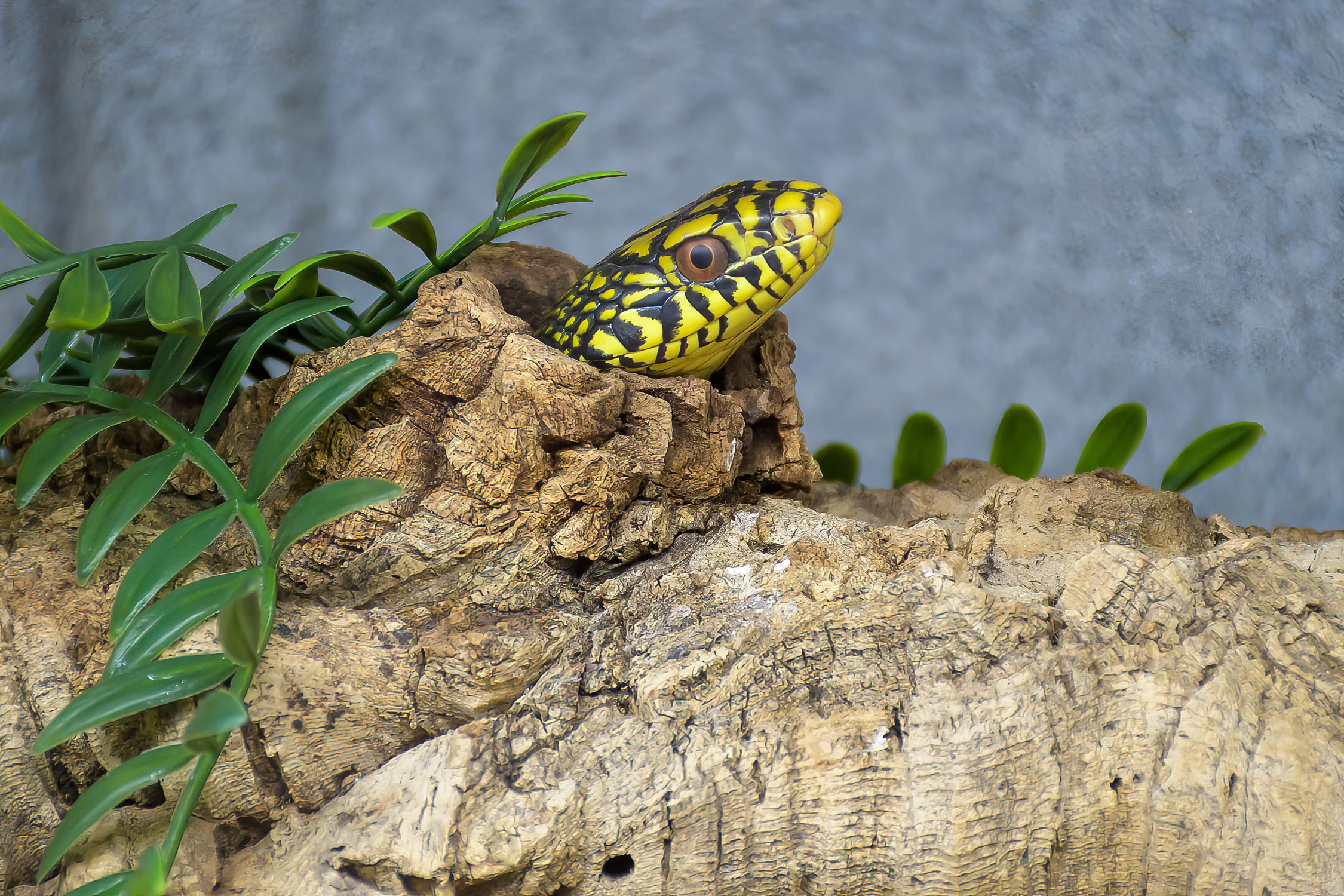 Malice, 2024
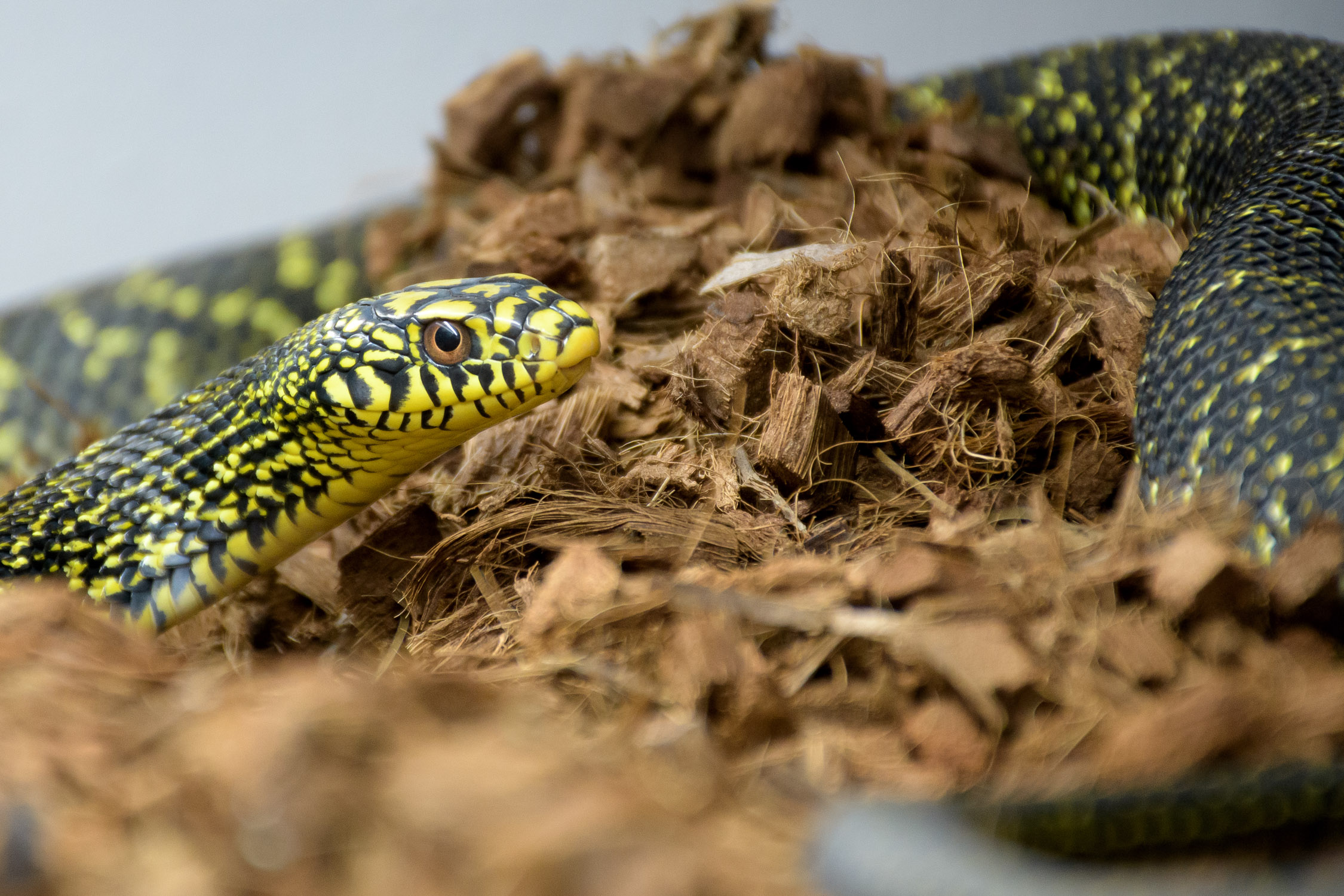 Malice, 2025
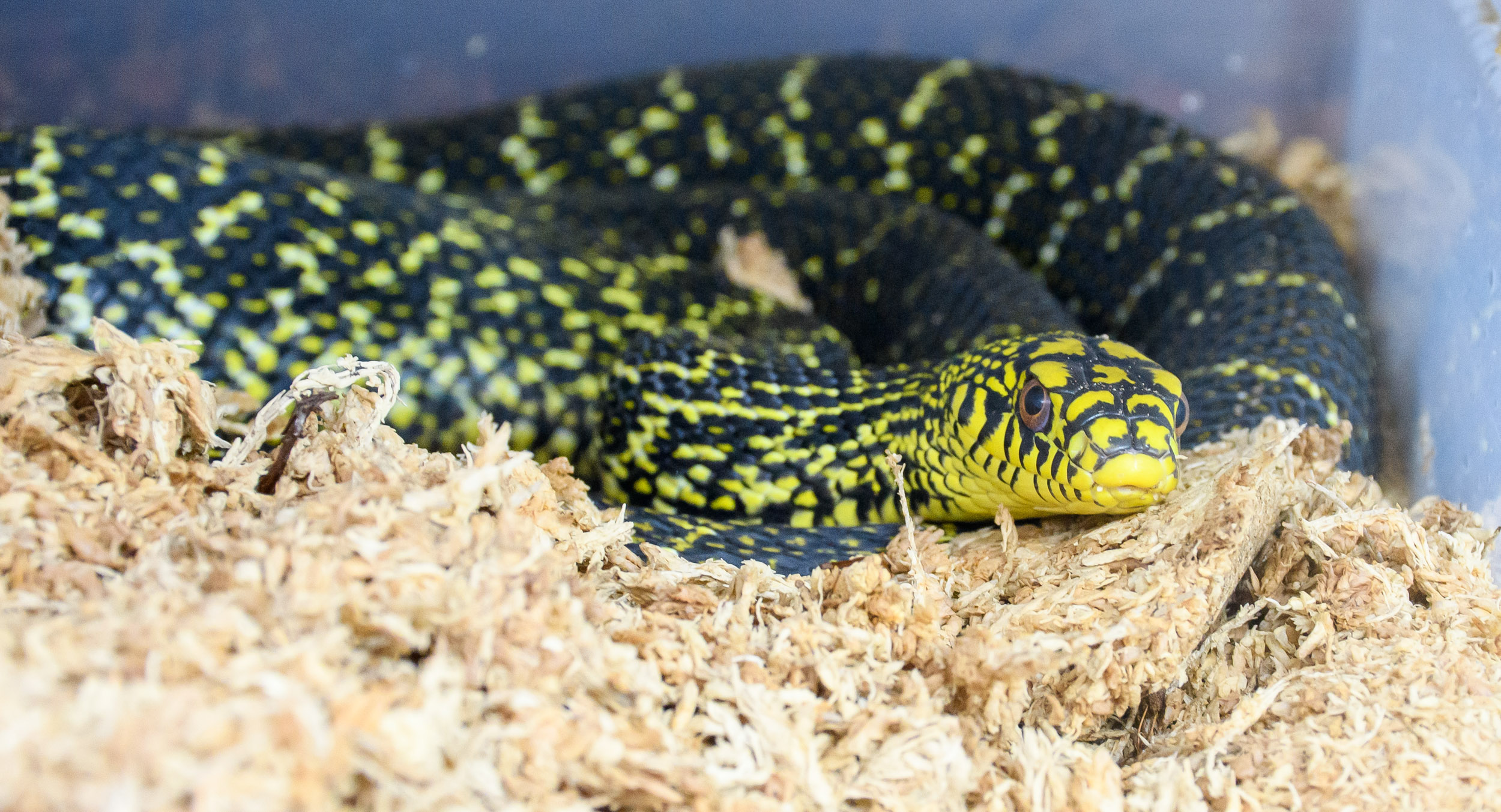 Malice, 2025
- Malice, 2025
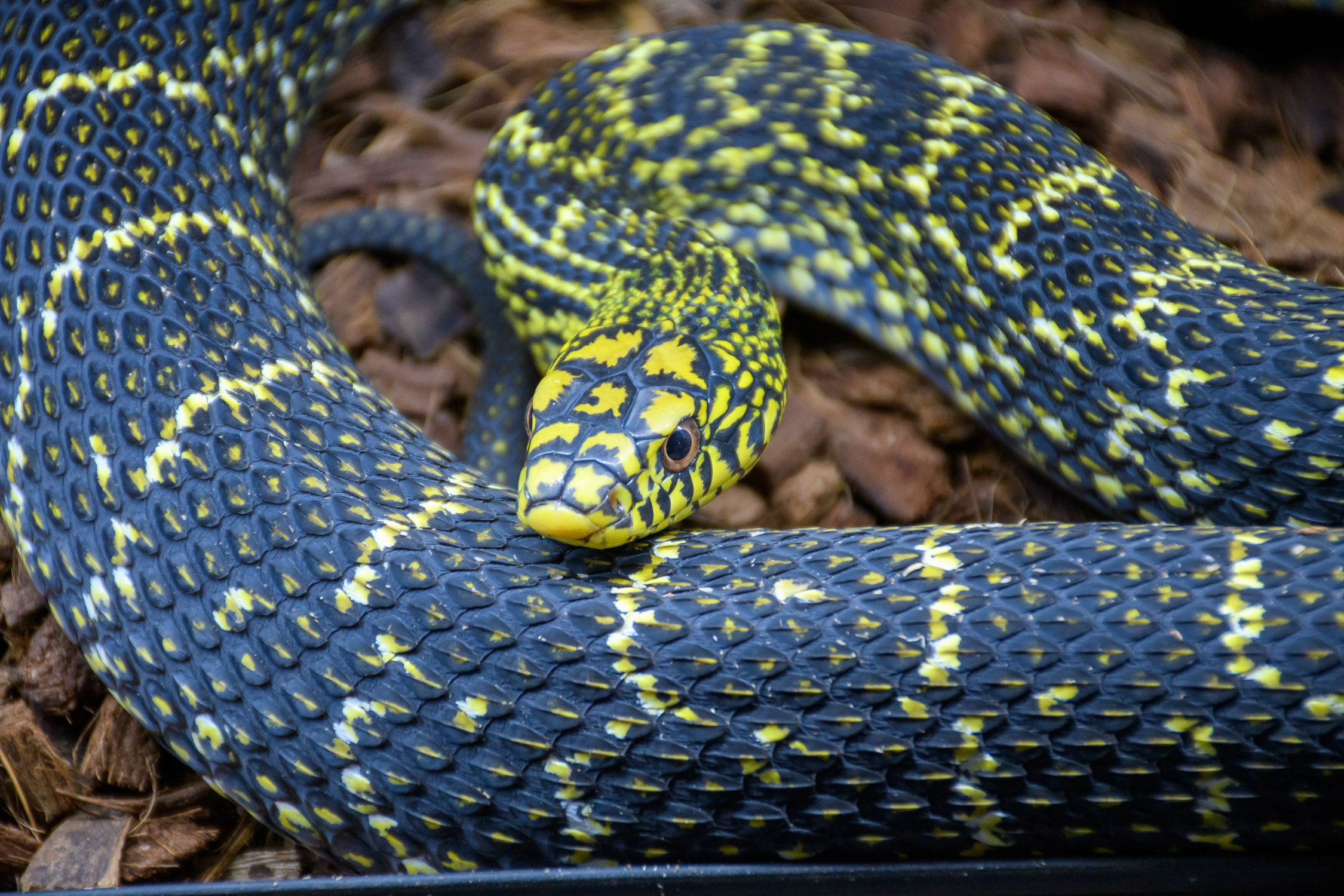 Malice, 2025
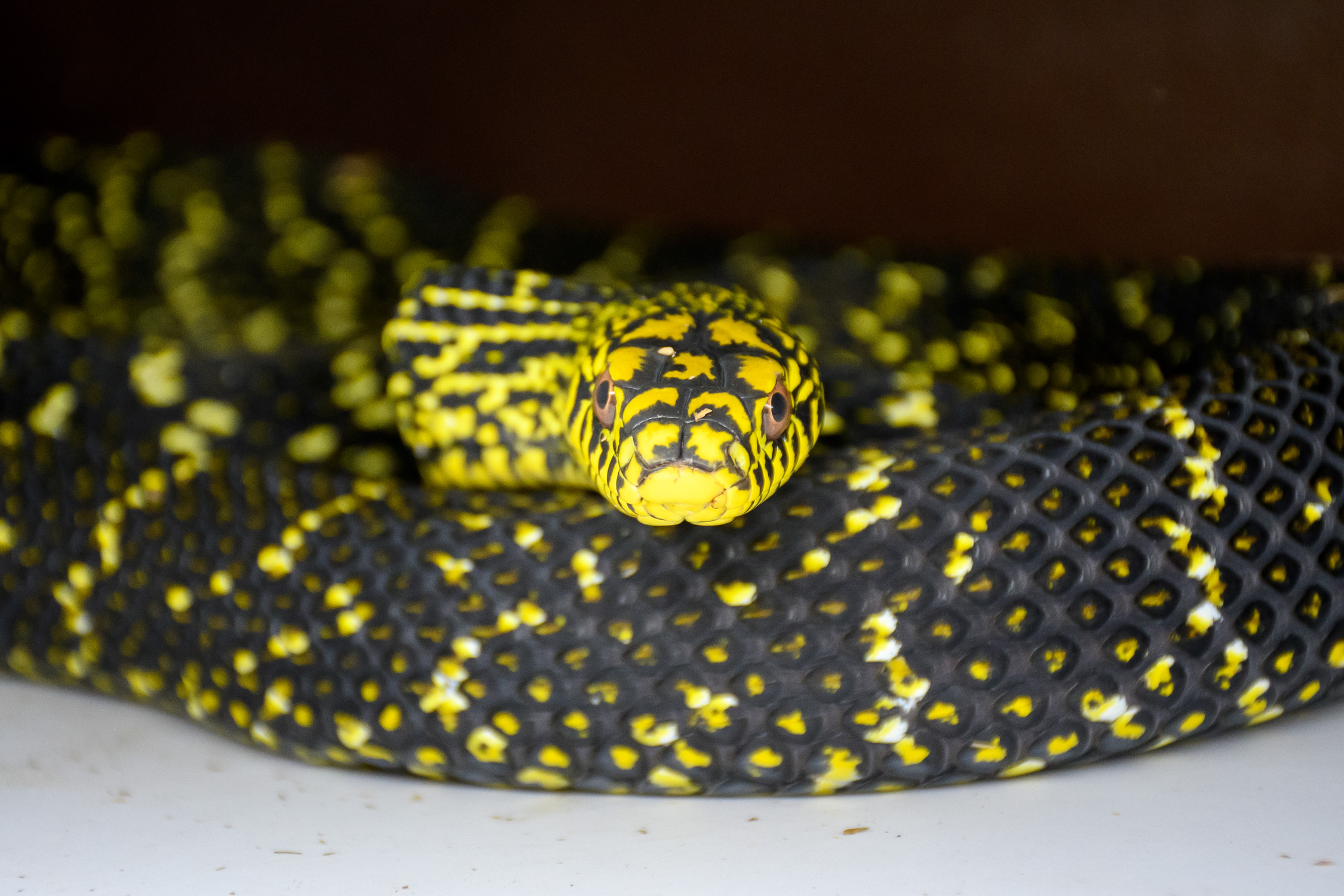 Malice, 2025
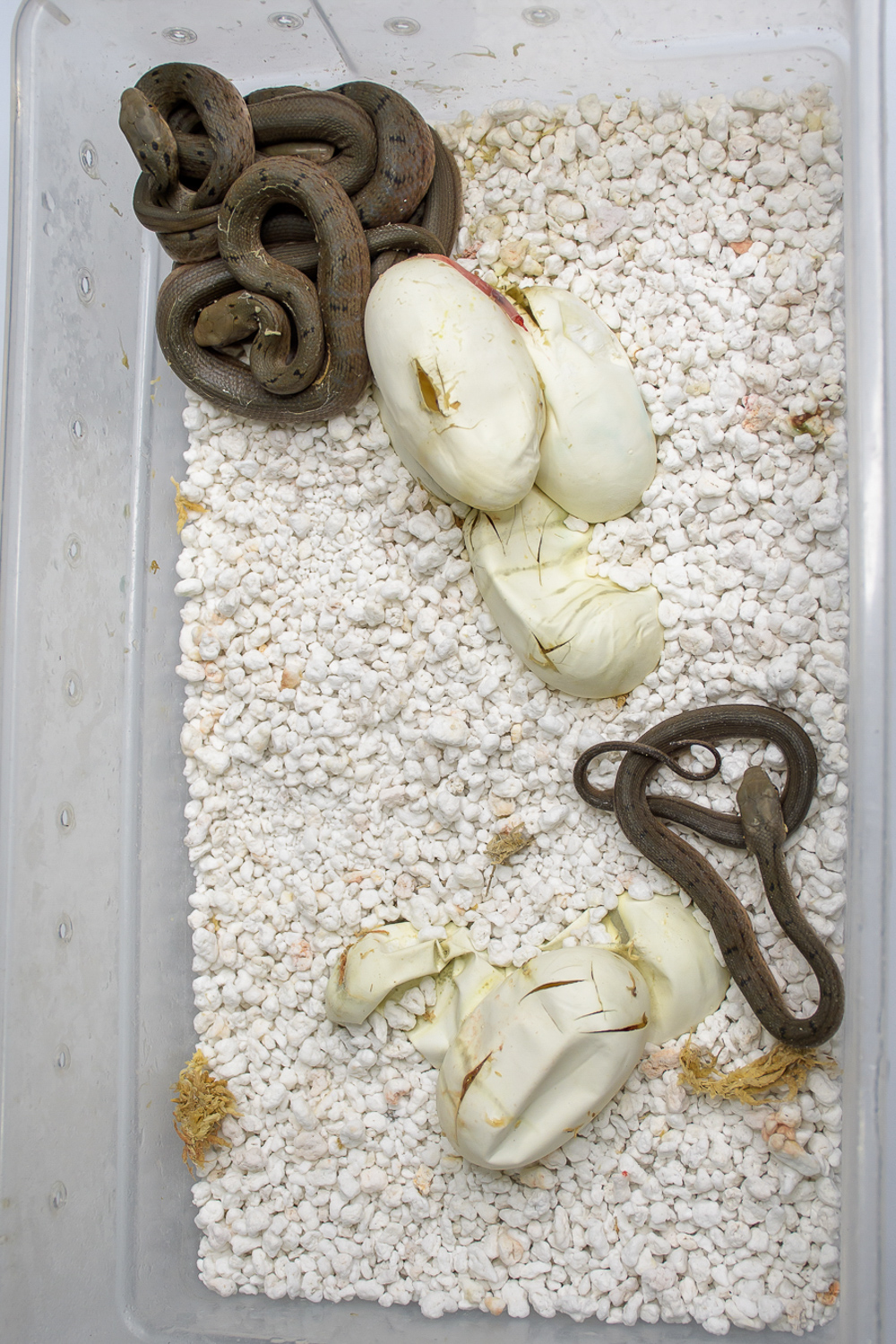 Malice, 2026 Clutch
 Malice, 2026 Clutch
 Malice, 2026 Clutch
 Malice, 2026 Clutch
 2025CKR8M, 2025-10
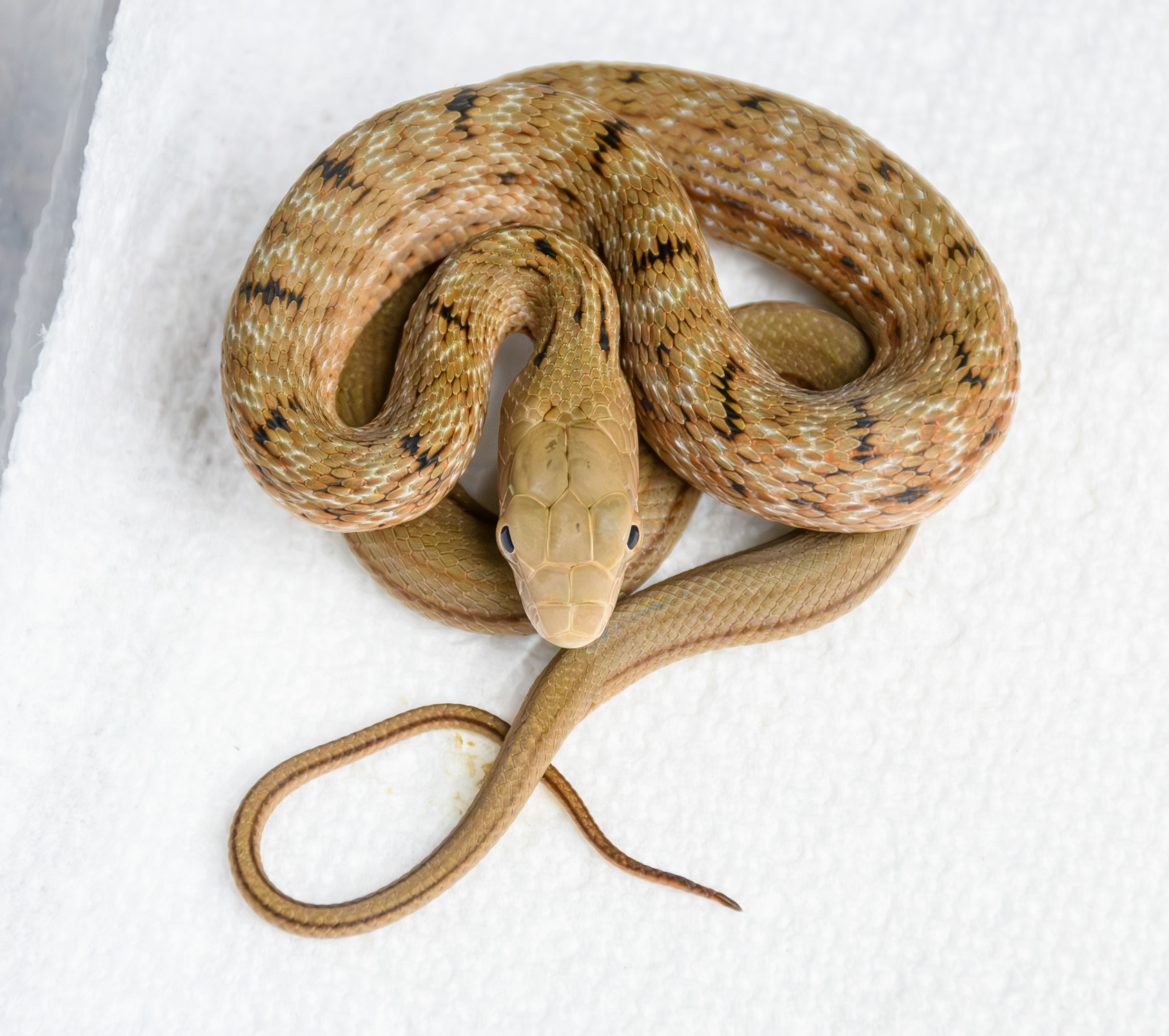 2025CKR8M, 2025-11
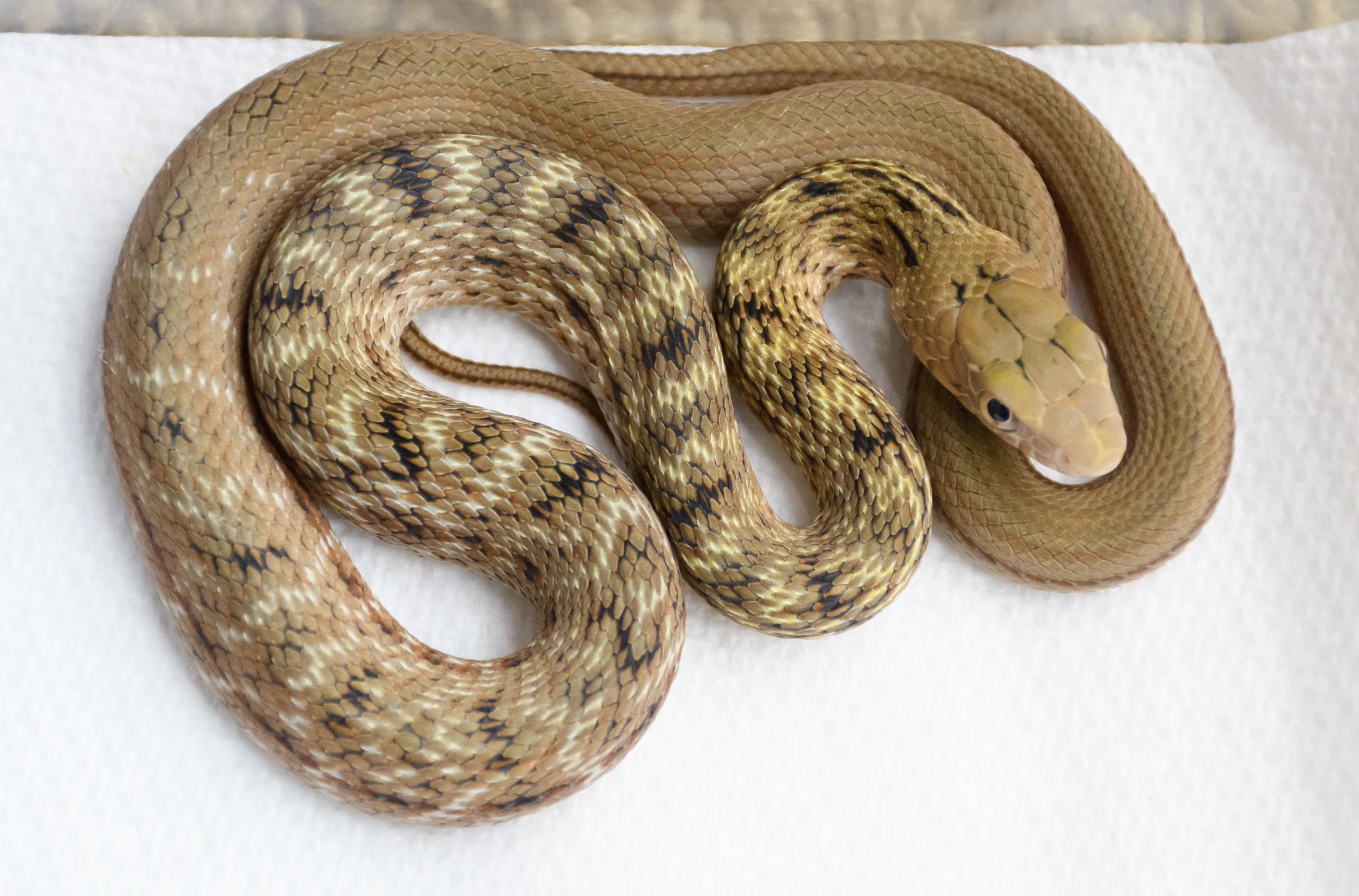 2025CKR8M, 2026-02
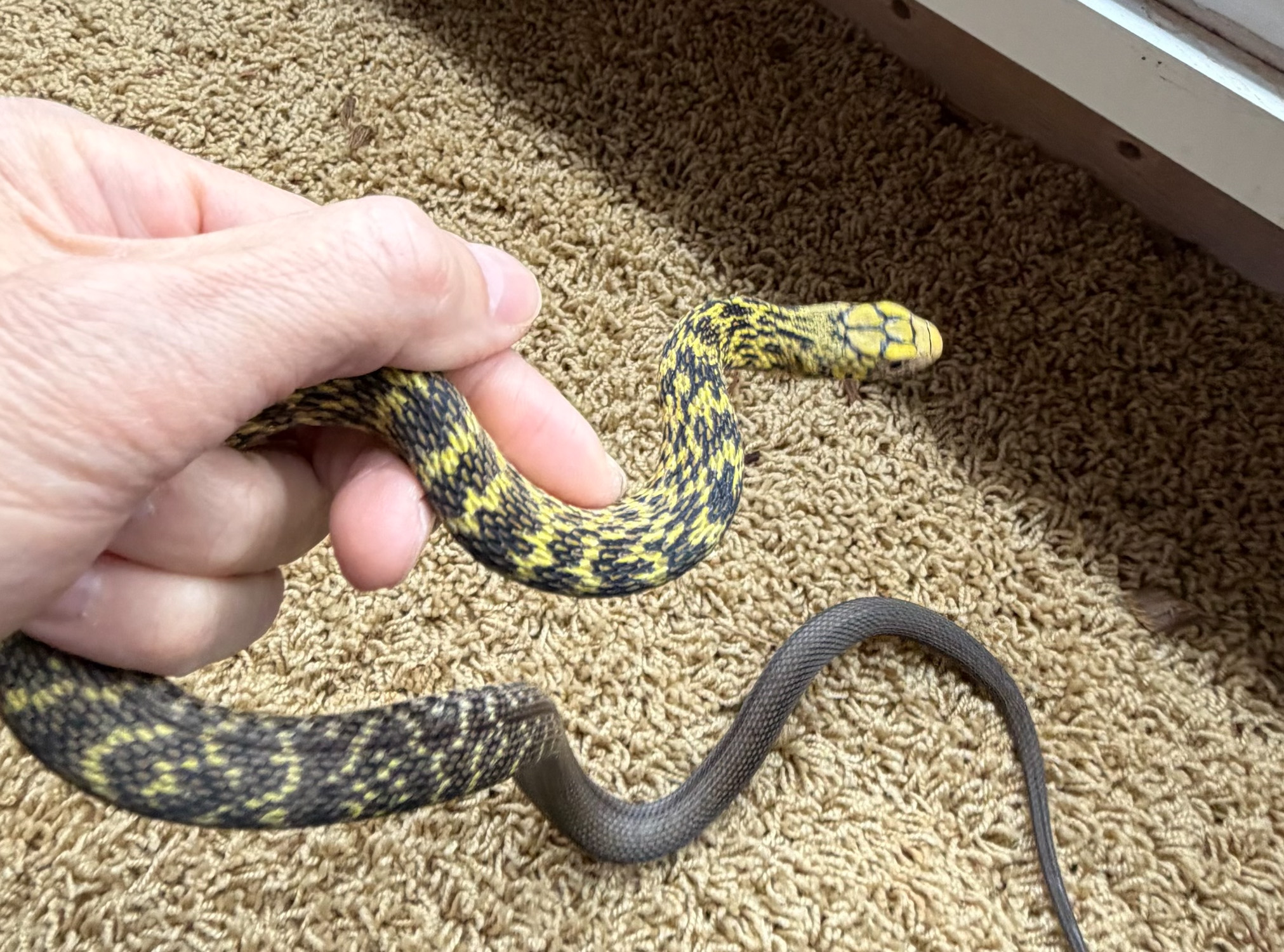 2025CKR8M, 2026-05
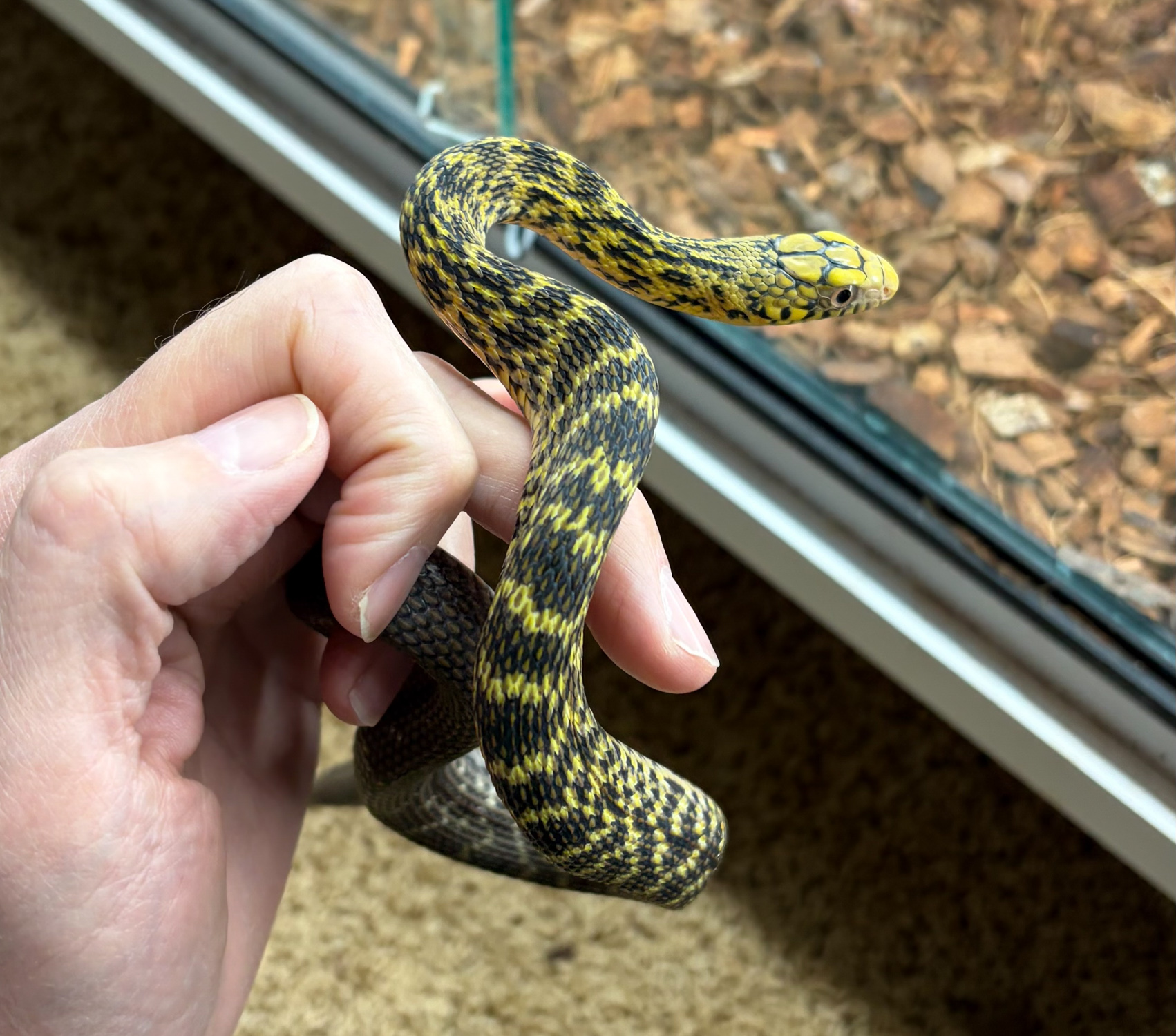 2025CKR8M, 2026-05
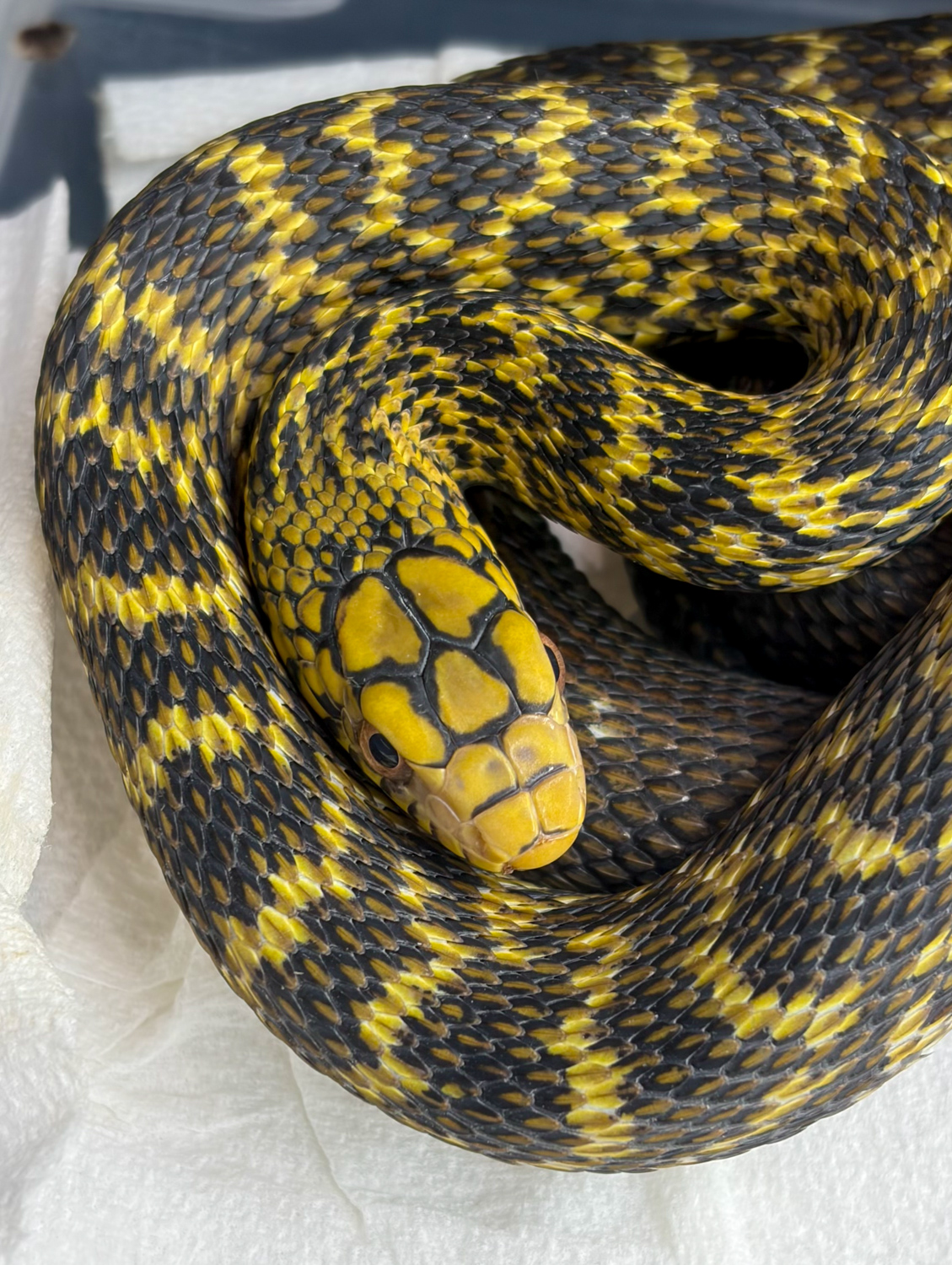 2025CKR8M, 2026-07
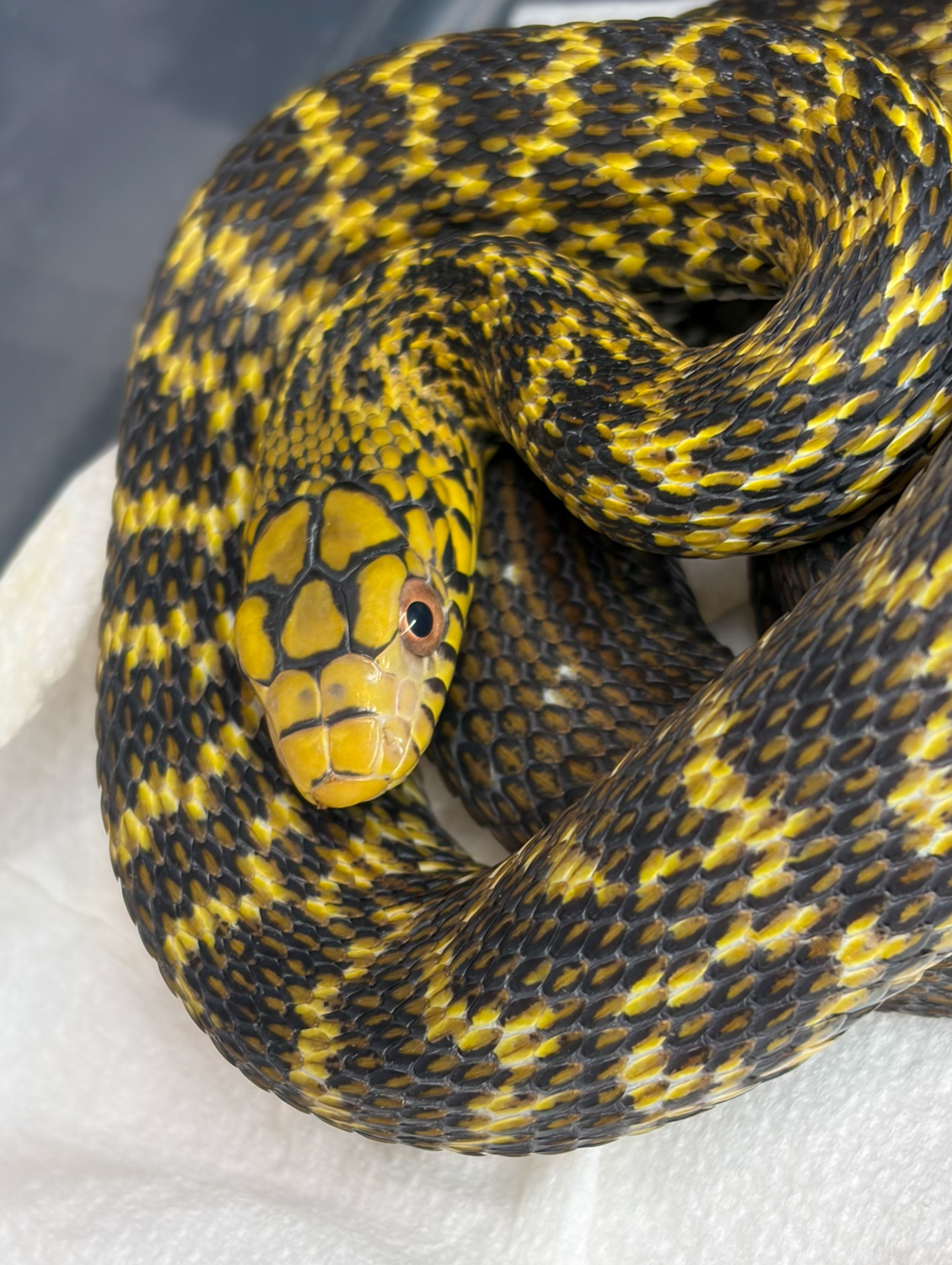 2025CKR8M, 2026-07