Boa Constrictors
Boa imperator
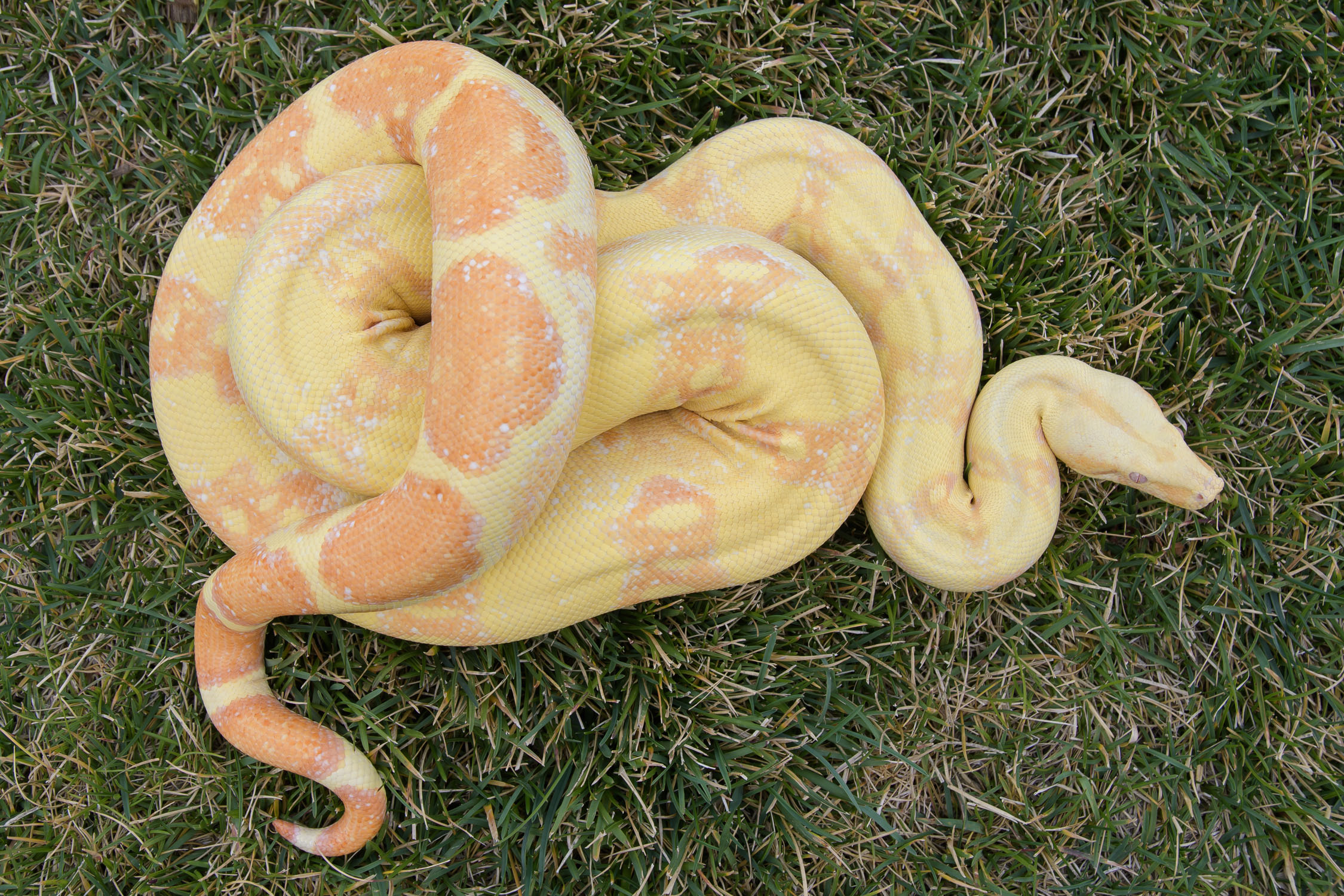
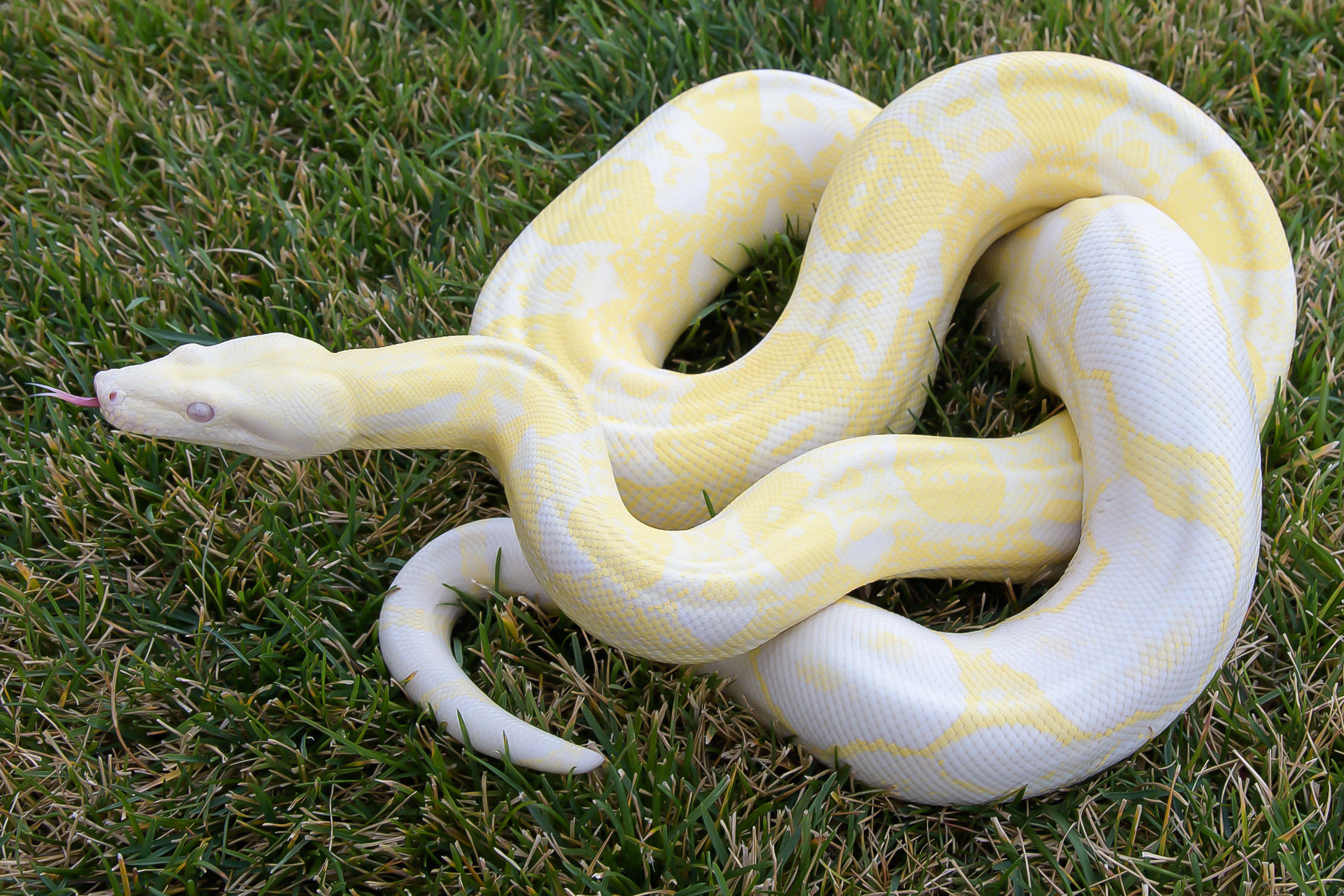
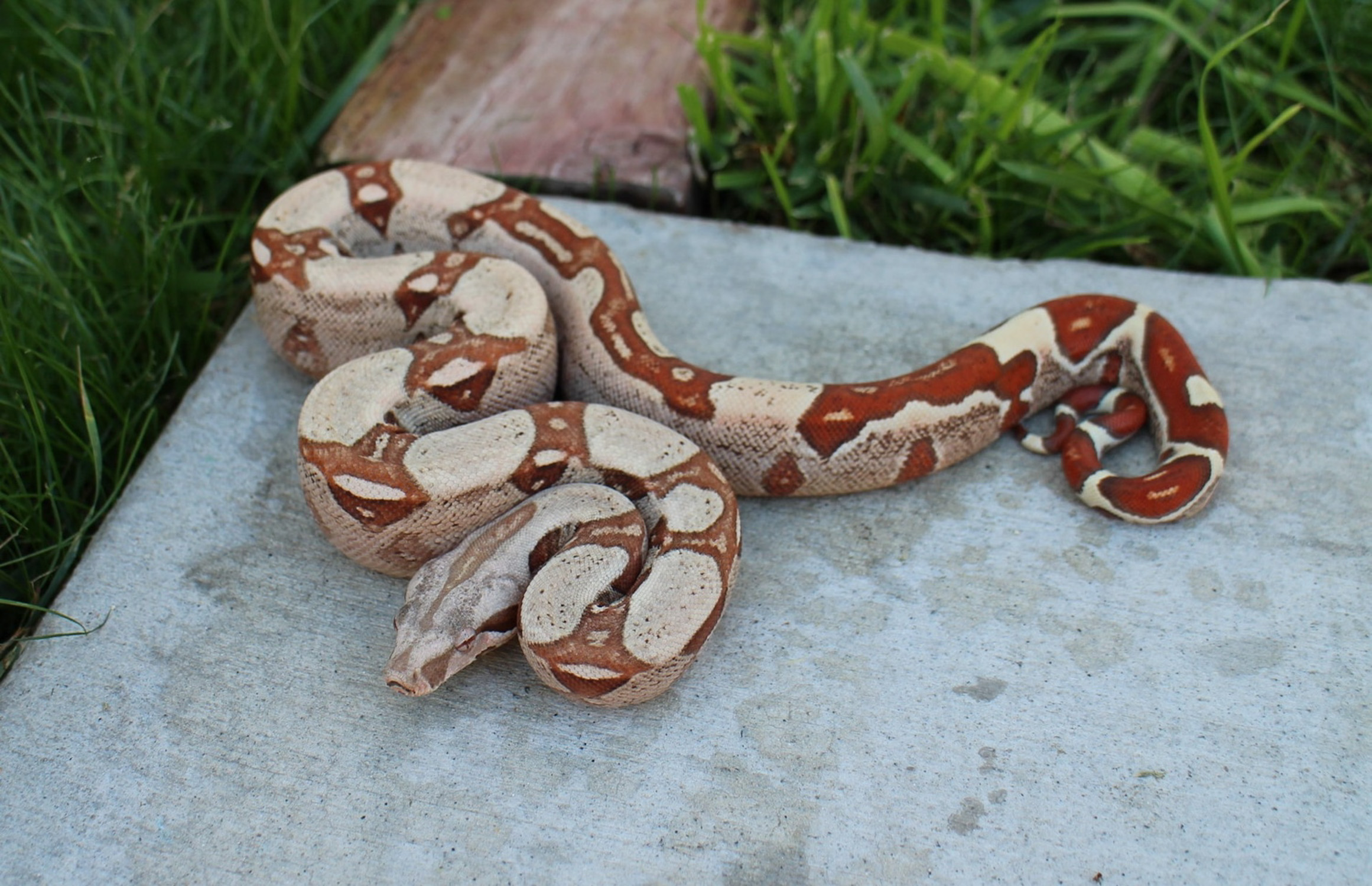
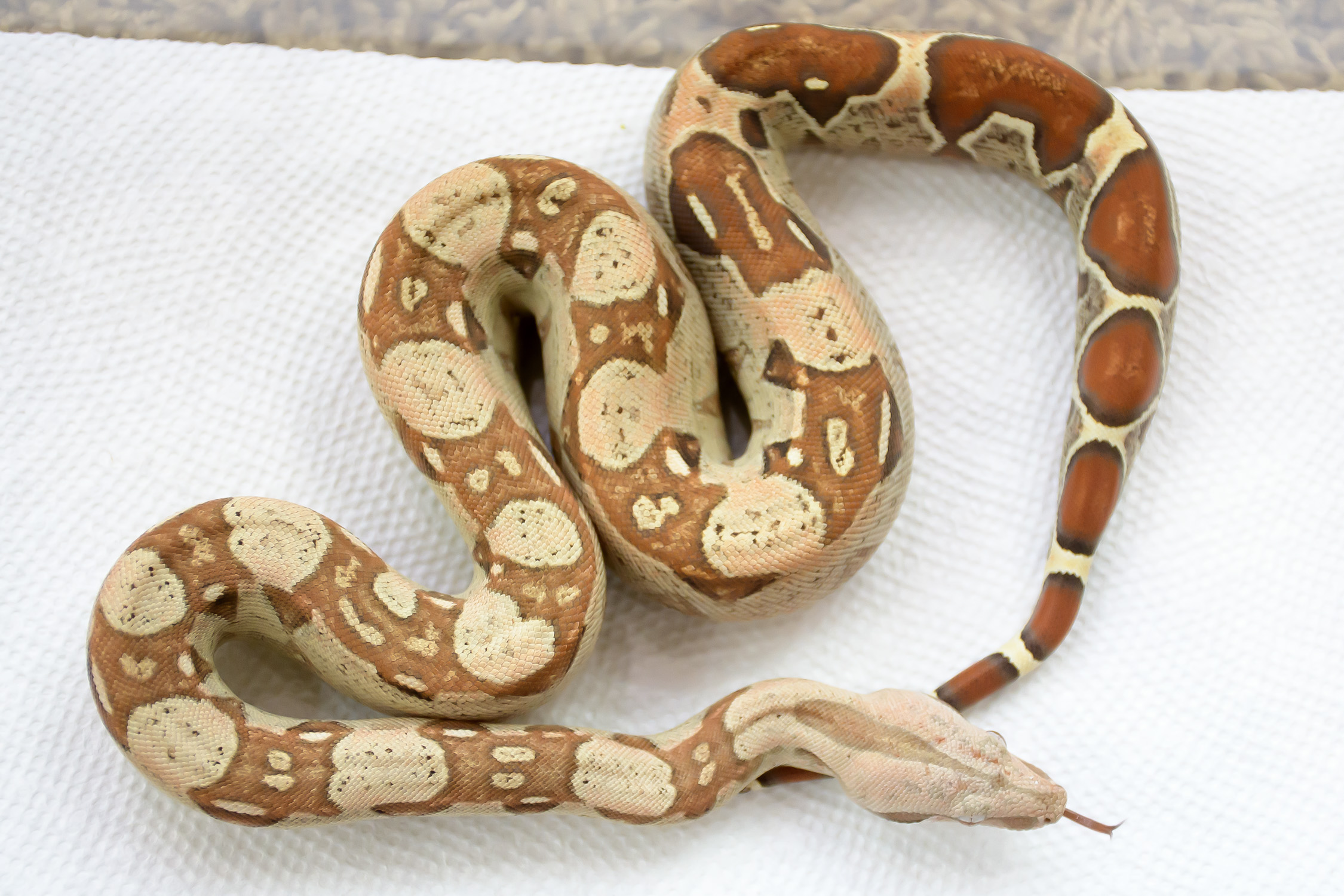
I've always wanted boa constrictors and I started with a pair of Sharp albinos - Crush and Blizzard - but I also love the VPI T+ Albino gene so I have a pair of boas that are VPI T+ as well. I want to say that's enough boas but have you seen a VPI T+ IMG Aztec? Soooo hot!
Husbandry
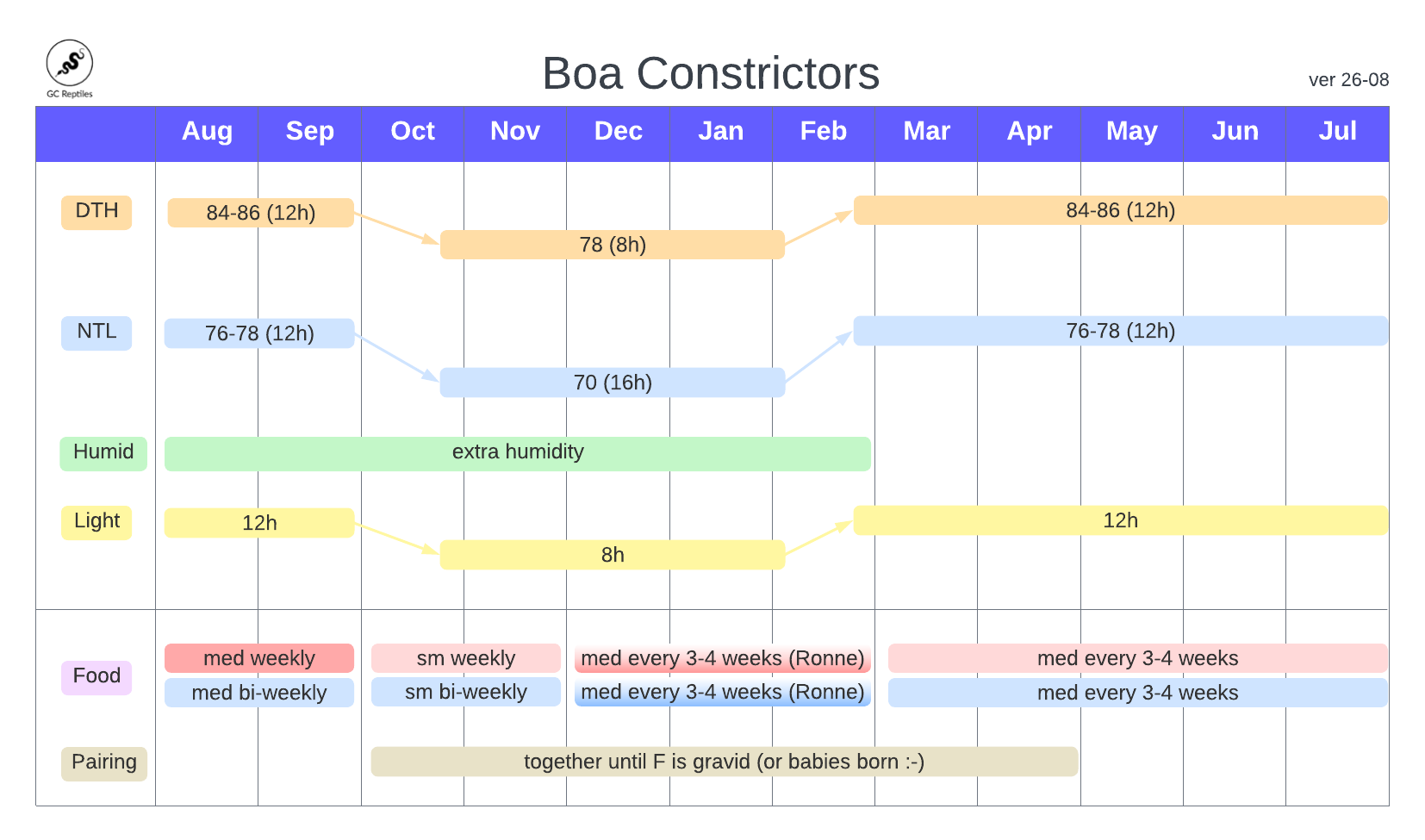
See how to read the husbandry charts.
Temperatures, Humidity, and Light
Colombian boa husbandry is relatively straightforward. I keep my boas in the mid-80s°F during the day for most of the year, allowing temperatures to drop into the mid- to upper 70s°F at night.
The climate where I live in the U.S. is quite dry, so maintaining appropriate humidity requires a little extra effort. I aim for a humidity range of approximately 50–70%, which has worked well for my animals. I use large water bowls positioned beneath the radiant heat panels along one side of each enclosure to encourage evaporation. I also provide about 4 inches of coconut bark substrate, which I lightly dampen once or twice a week. Together, these measures help maintain suitable humidity levels without requiring constant misting.
Feeding
As shown in the chart, I feed my adult Boa imperator every 3–4 weeks throughout the year. These boas can be surprisingly easy to overfeed, which can lead to obesity and other health issues. A good rule of thumb is to maintain a healthy body condition, with a cross-sectional shape resembling a loaf of bread—rounded but not overly wide or bulging. Adjust prey size and feeding frequency as needed to keep your boa in good condition.Breeding
Back in the early 90s a guy in a pet store told me that breeding boa constrictors was next to impossible. So I didn't even think I'd give it a try. But now that I have a better idea how to keep and breed snakes generally, I've found that either they aren't that tricky or I have had some beginner's luck.
As the chart shows, for breeding, I drop the daytime and nighttime temperatures by about 6-8 degrees for 3 months of the year - Nov, Dec, and Jan. There is also a month on each side of that cool-down which I use to gradually lower or raise the temps.
I cut the light down to just 8 hours a day during that time and I pair the males and females togther. You can see that I manipulate their food a bit before and during the breeding period. In August and September I feed both the males and females more food than they were getting during the rest of the year. Then in October and November I shrink the food item down to something small.
I was successful doing everything that I described in the paragraphs before this one, but as you can see in the chart, I am considering a change to adopt a practice that Jeff Ronne uses, which is to continue feeding the male and the female occasionally during the rest of the breeding period from Dec - Feb. I'll give it a try and update the chart accordingly.
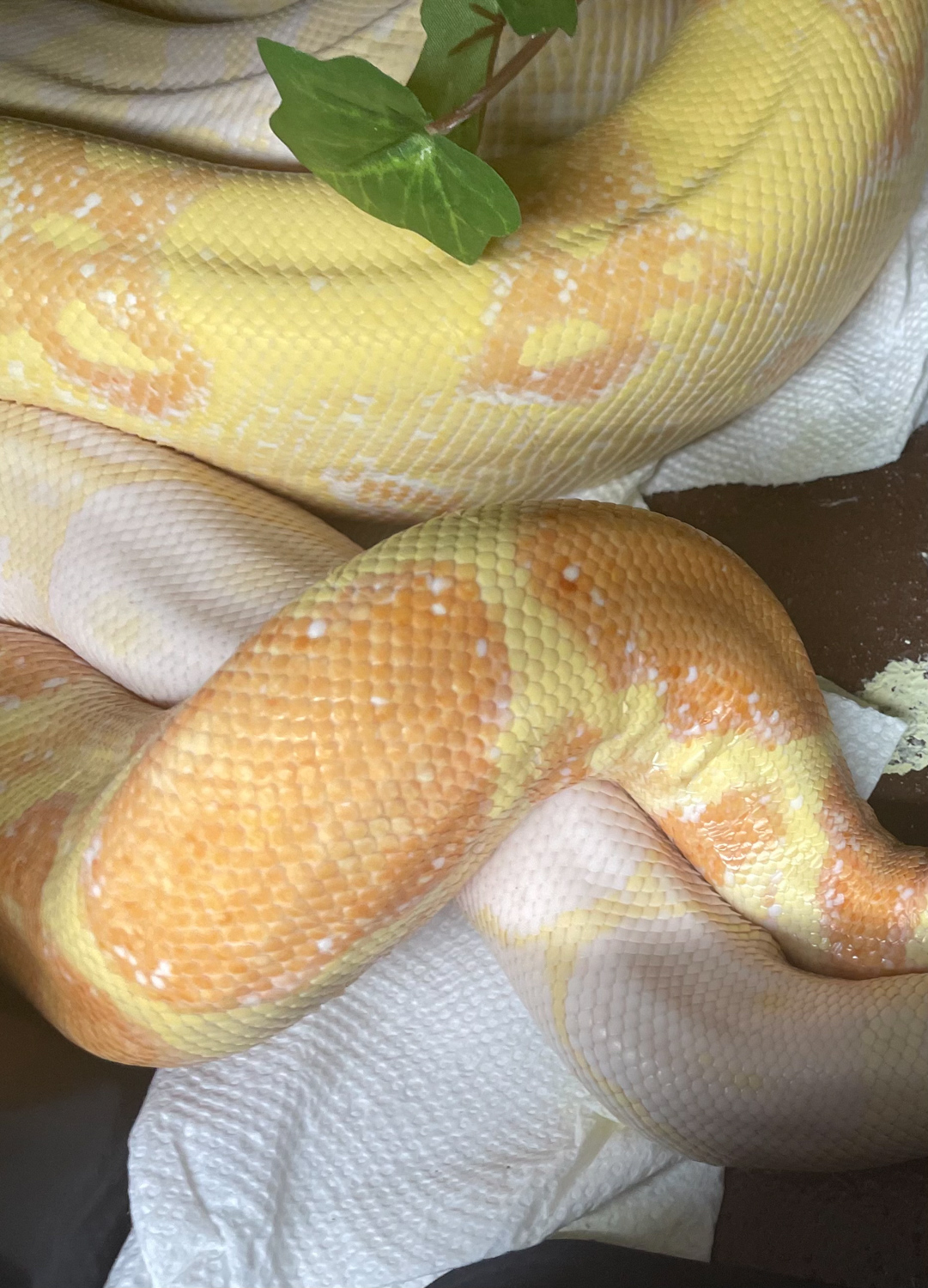 2021, Blizzard and Crush locked up breeding
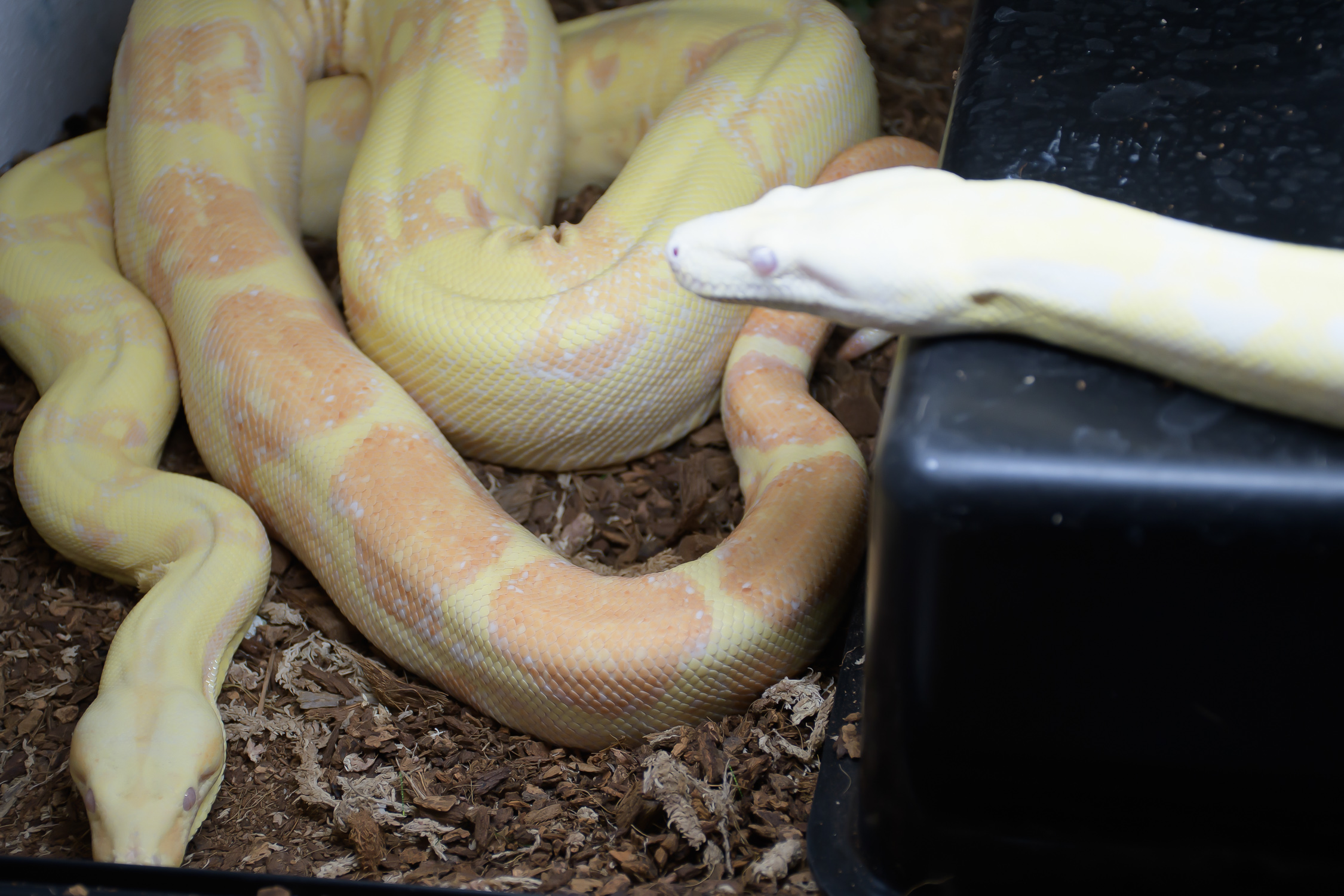 2022, Blizzard and Crush
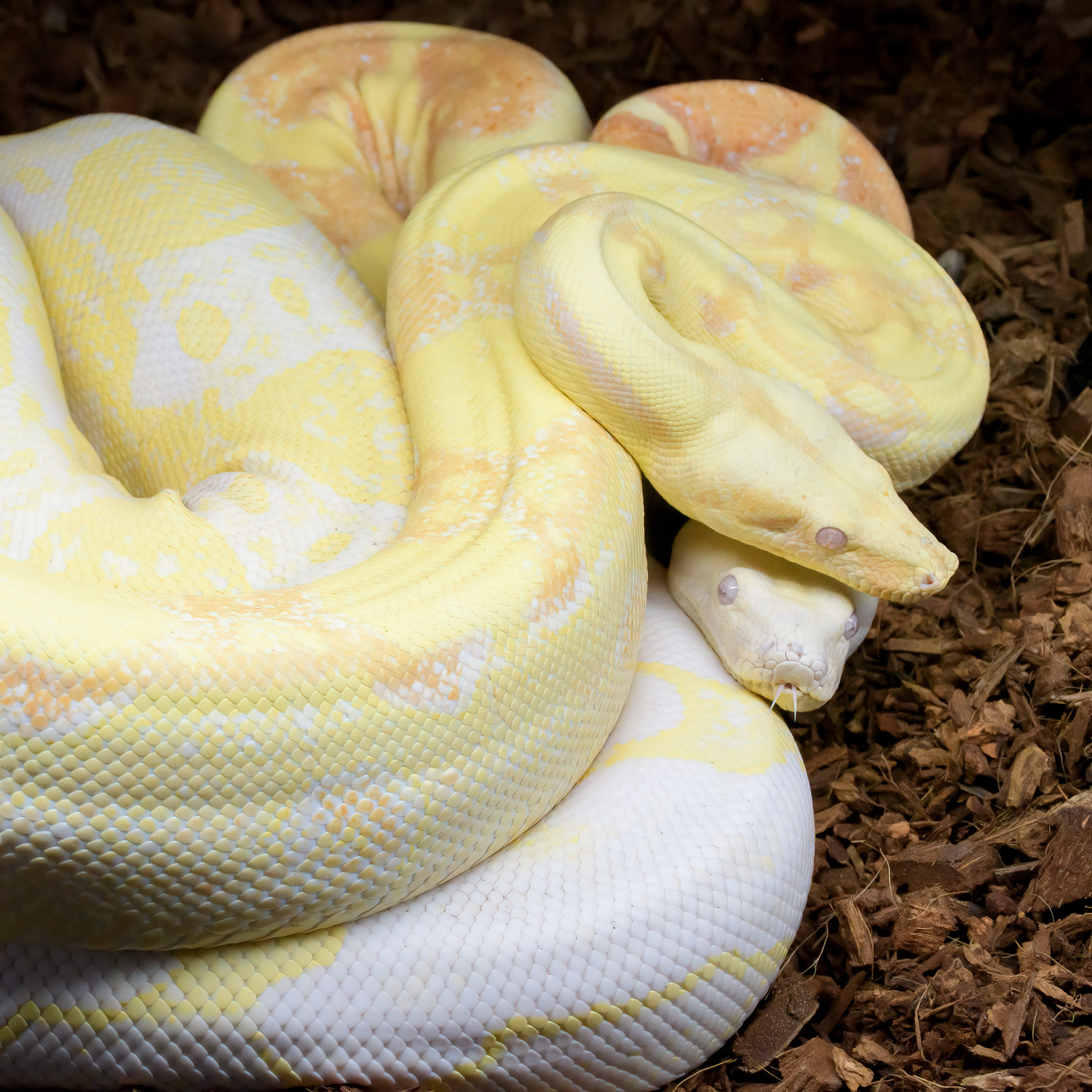 2023, Blizzard and Crush
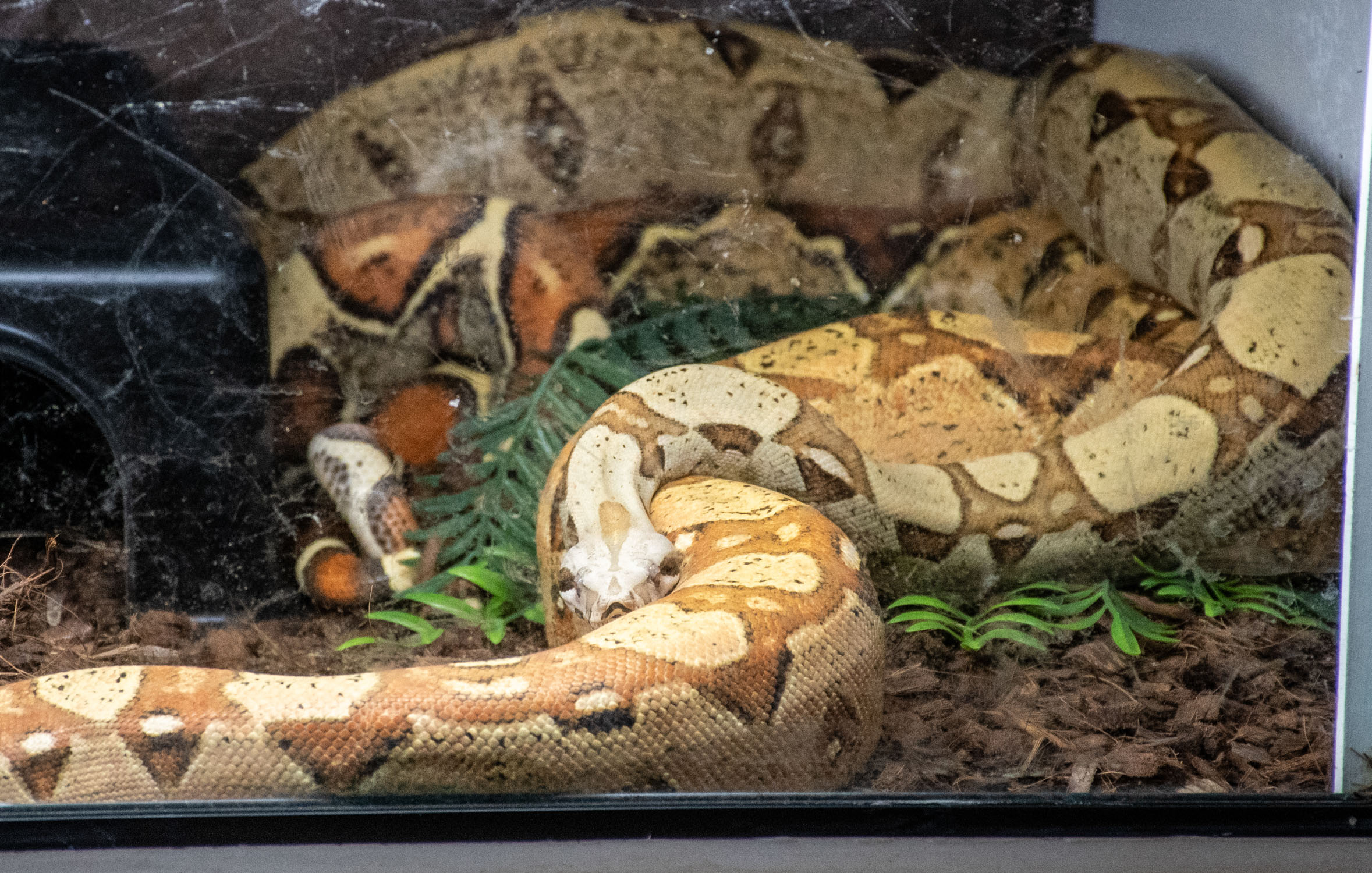 2026, Raven and Beast Boy
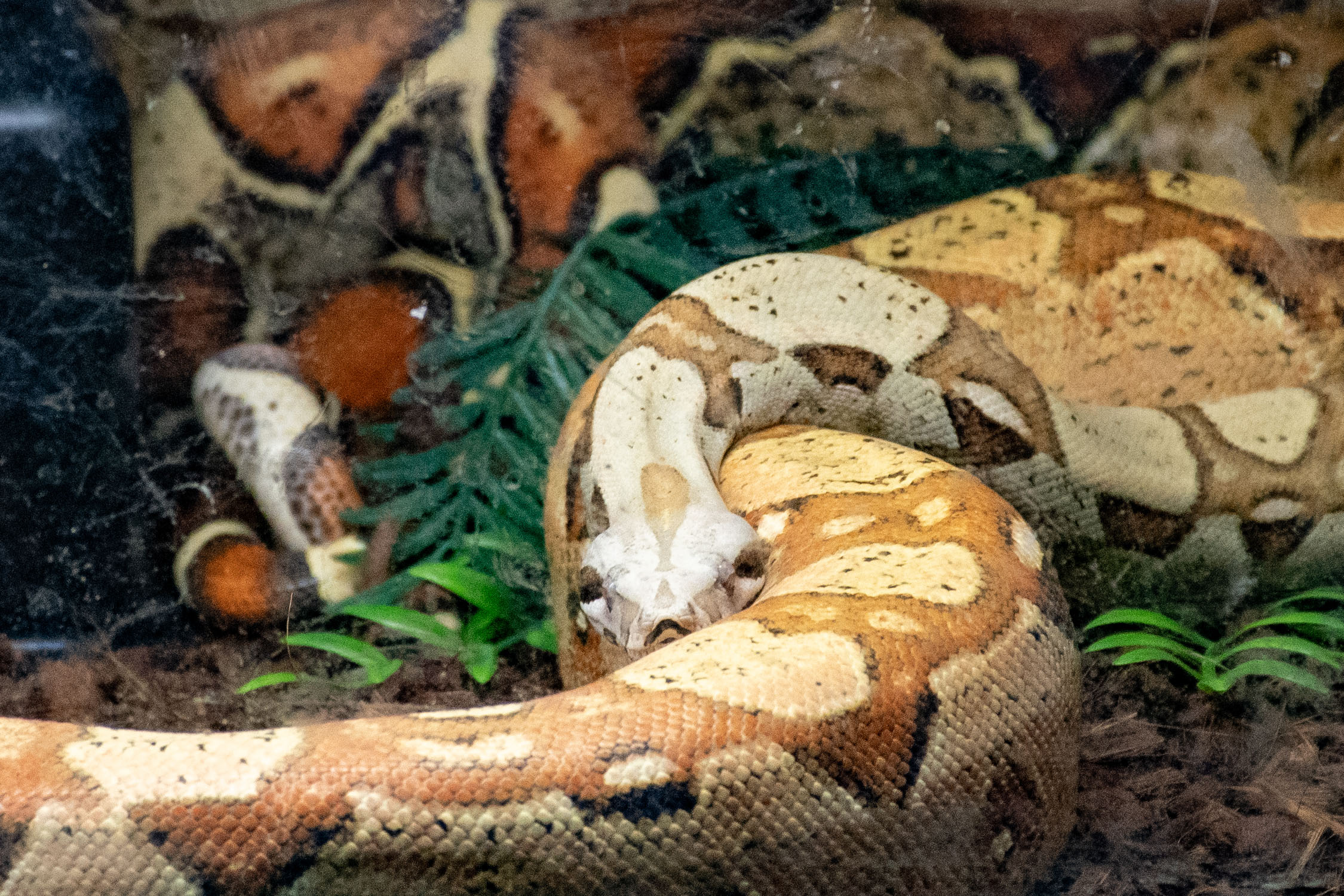 2026, Raven and Beast Boy
- 2022, Beast Boy, picture sent from seller
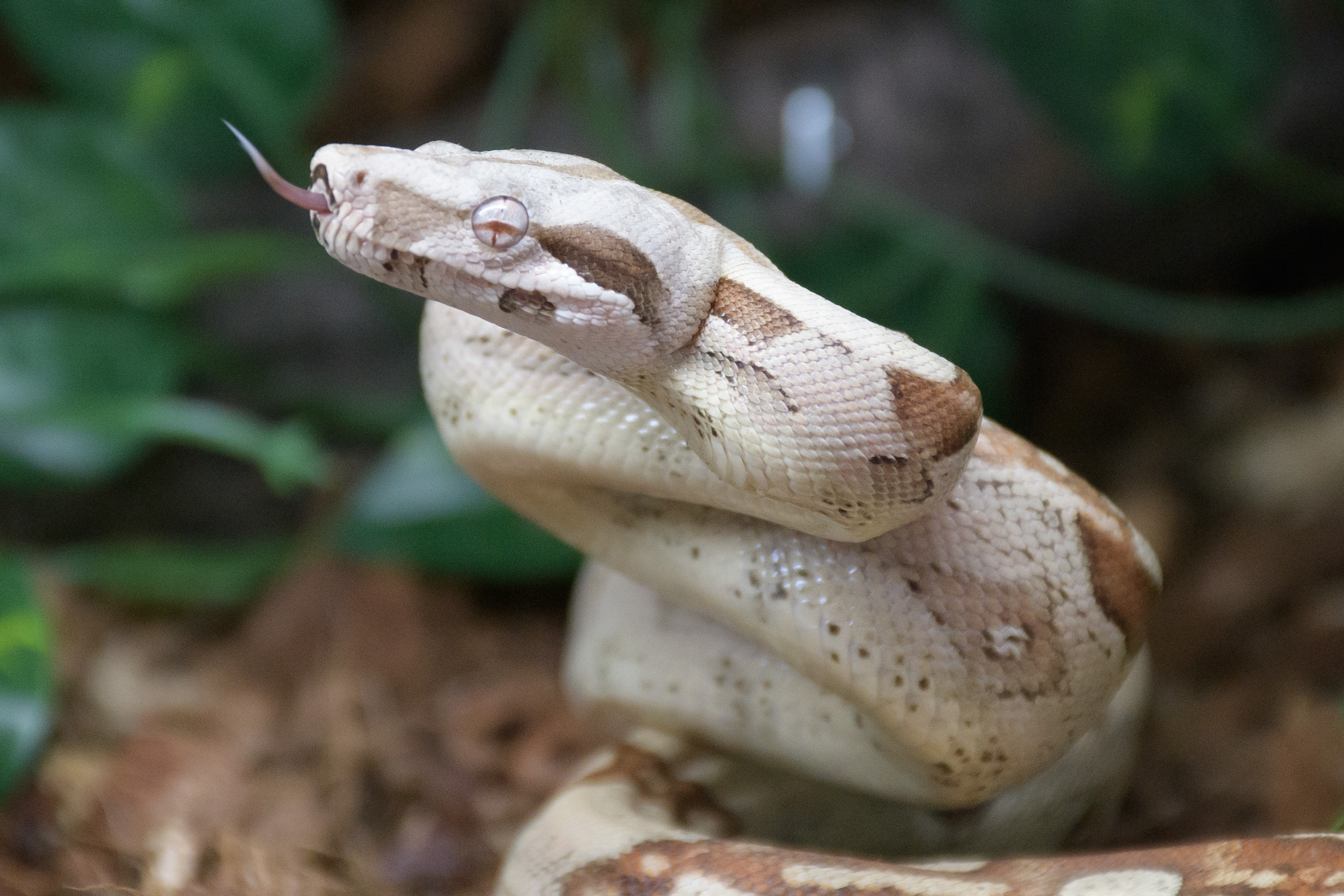 2023, Beast Boy
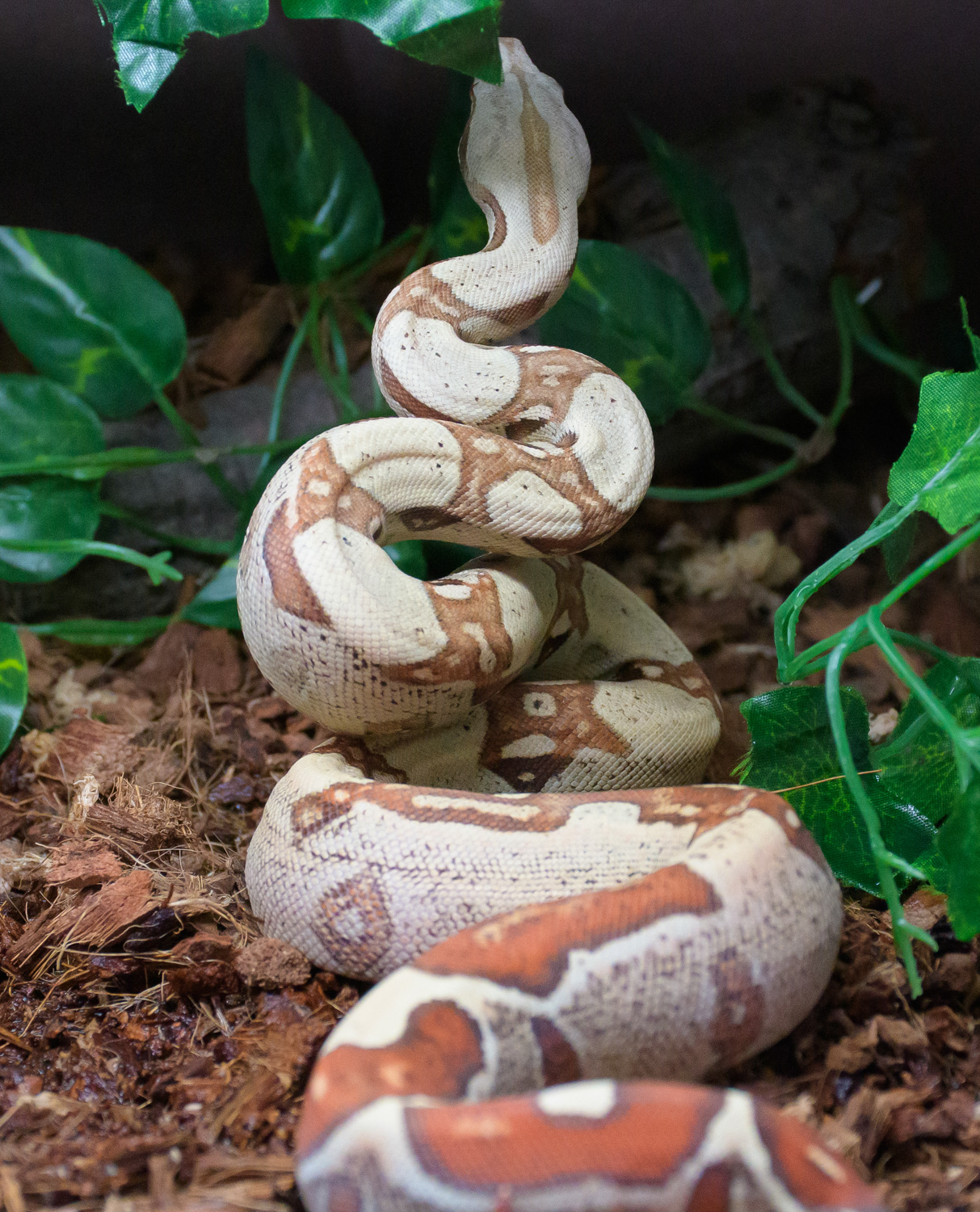 2023, Beast Boy
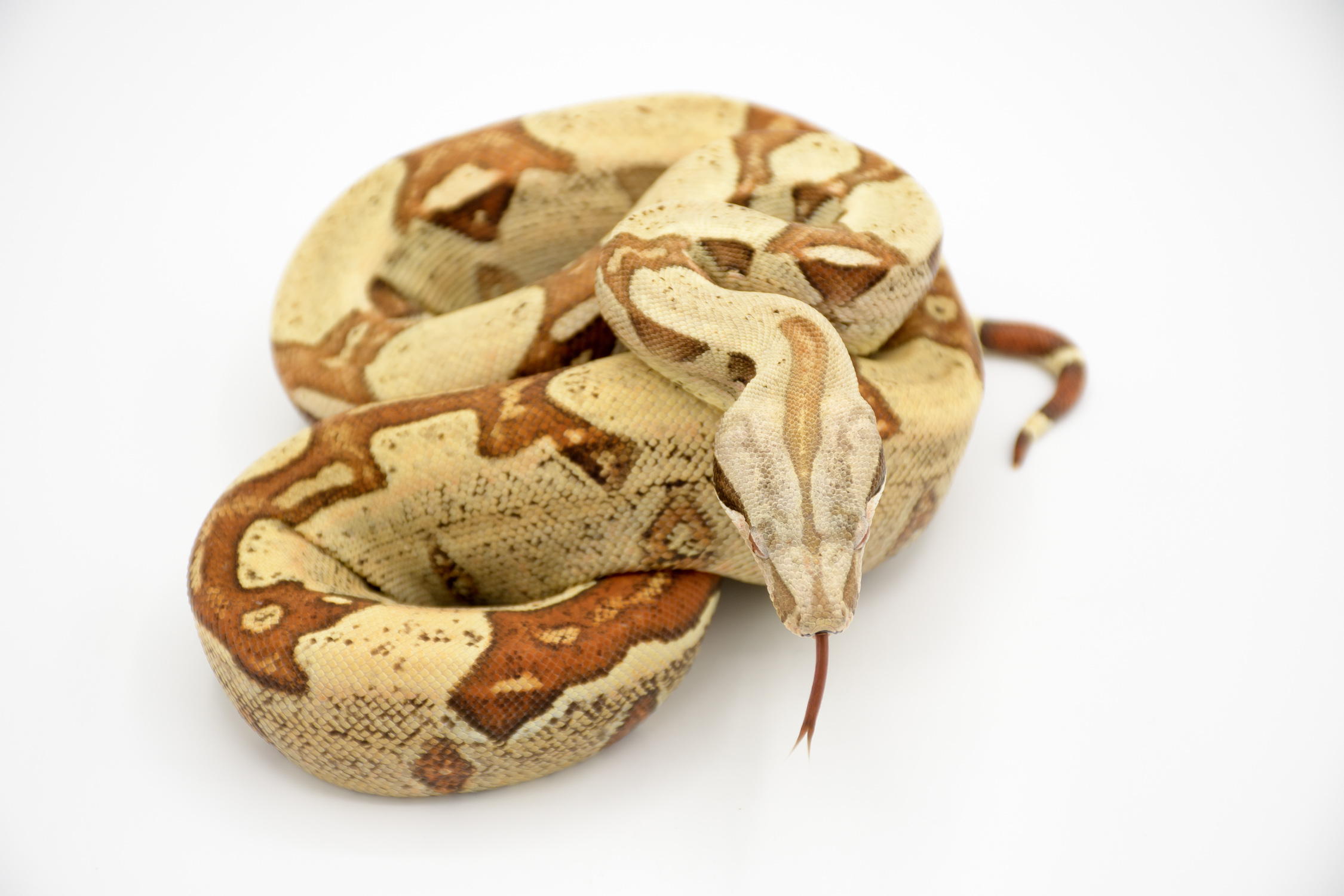 2023, Beast Boy
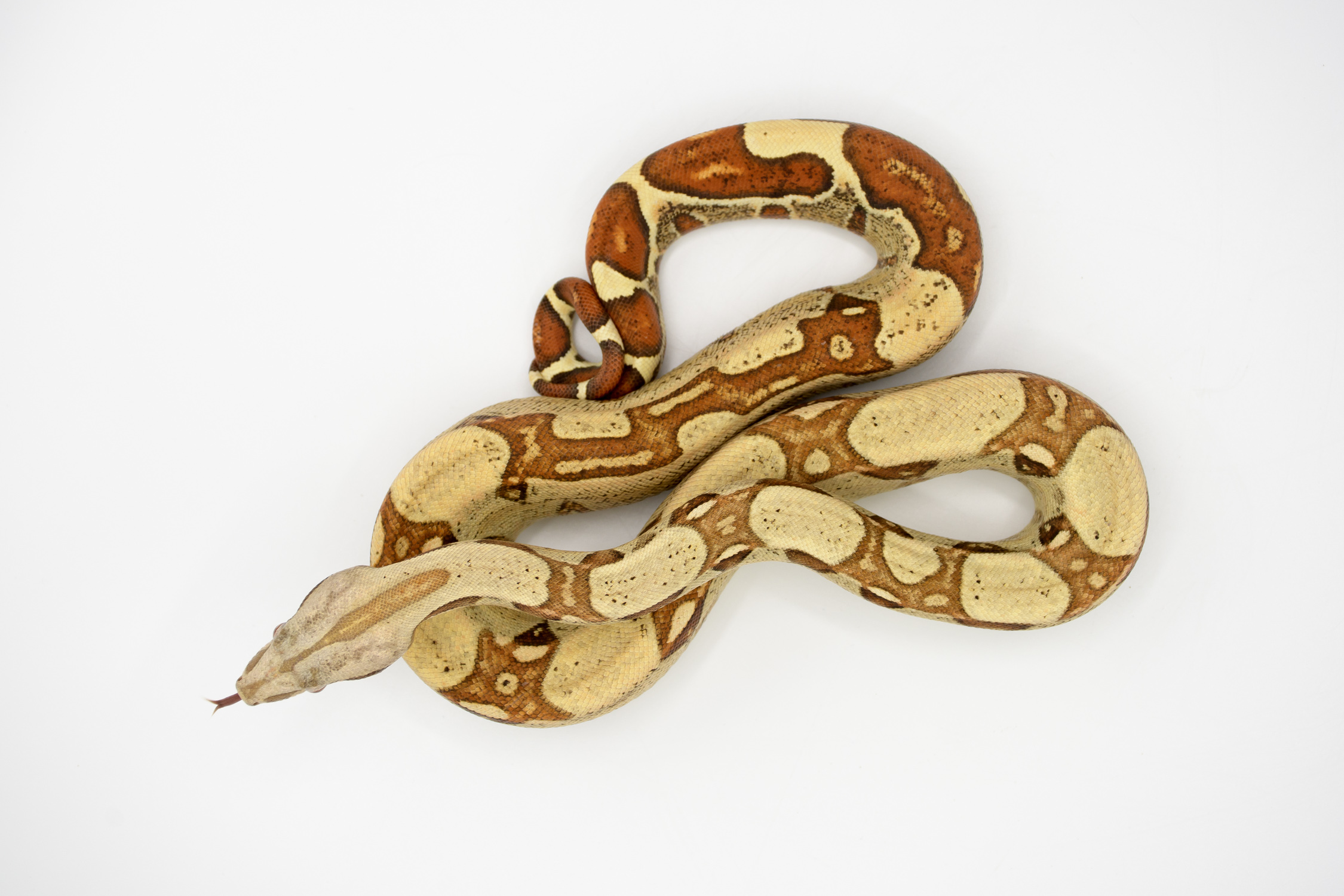 2023, Beast Boy
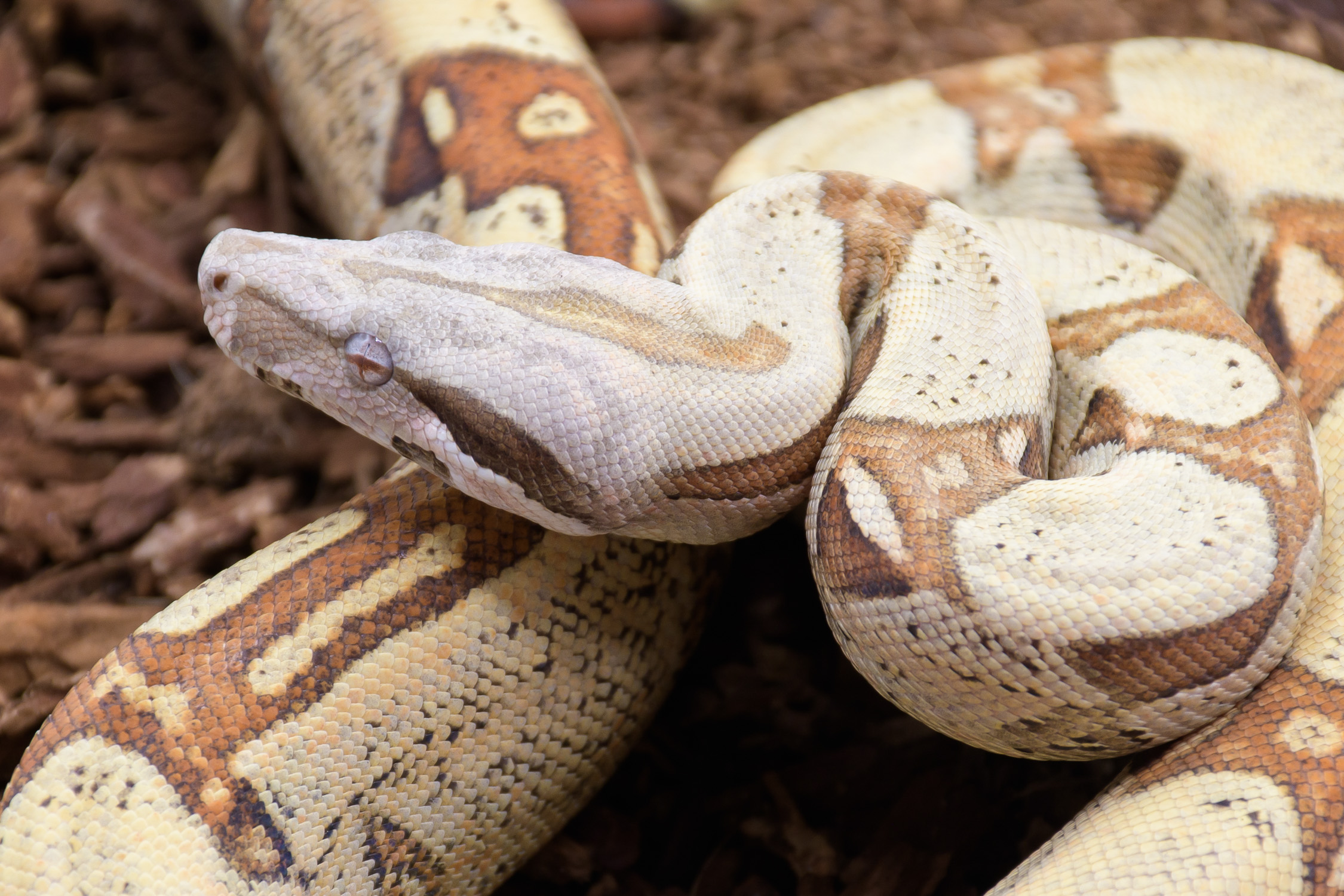 2023, Beast Boy
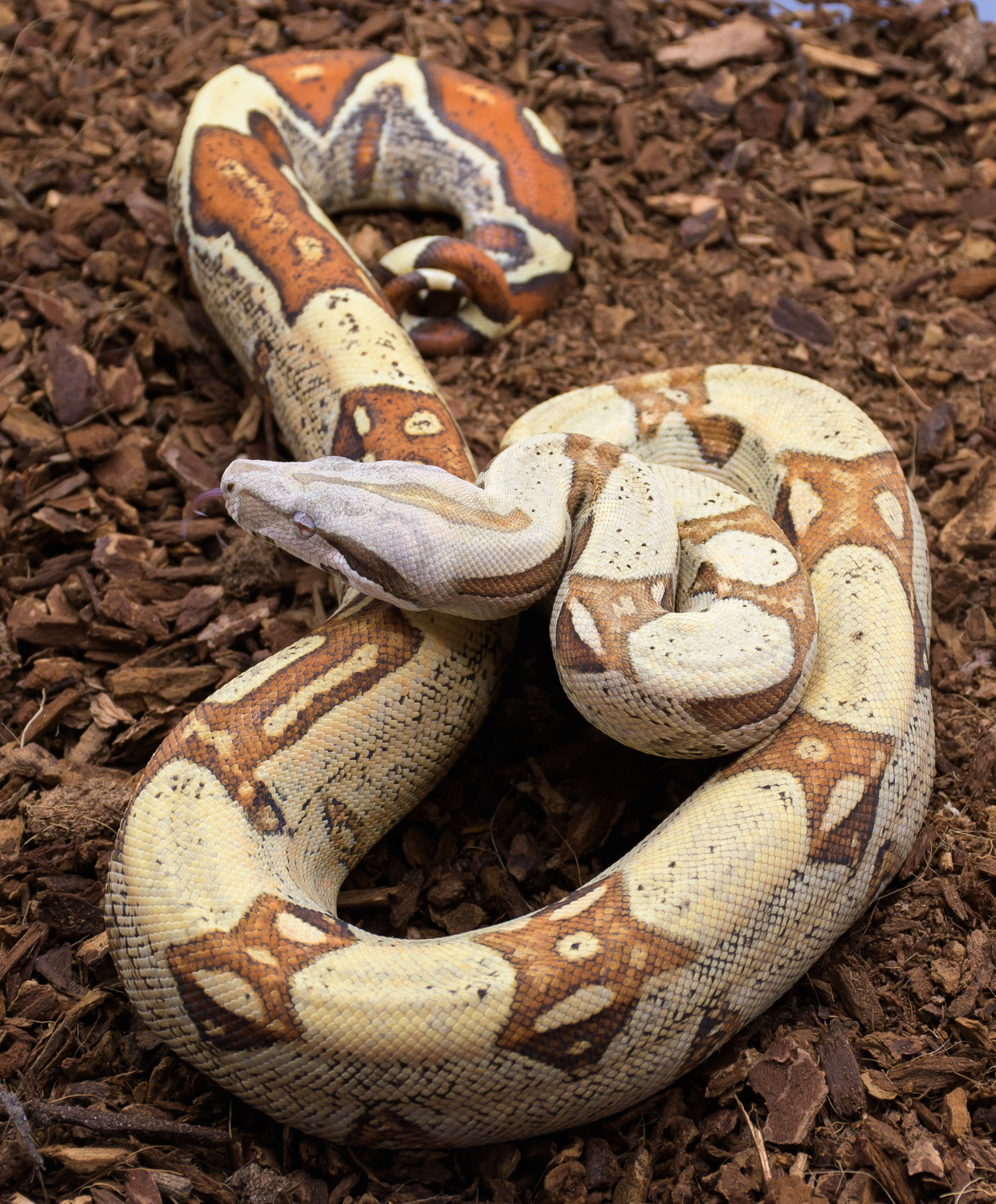 2023, Beast Boy
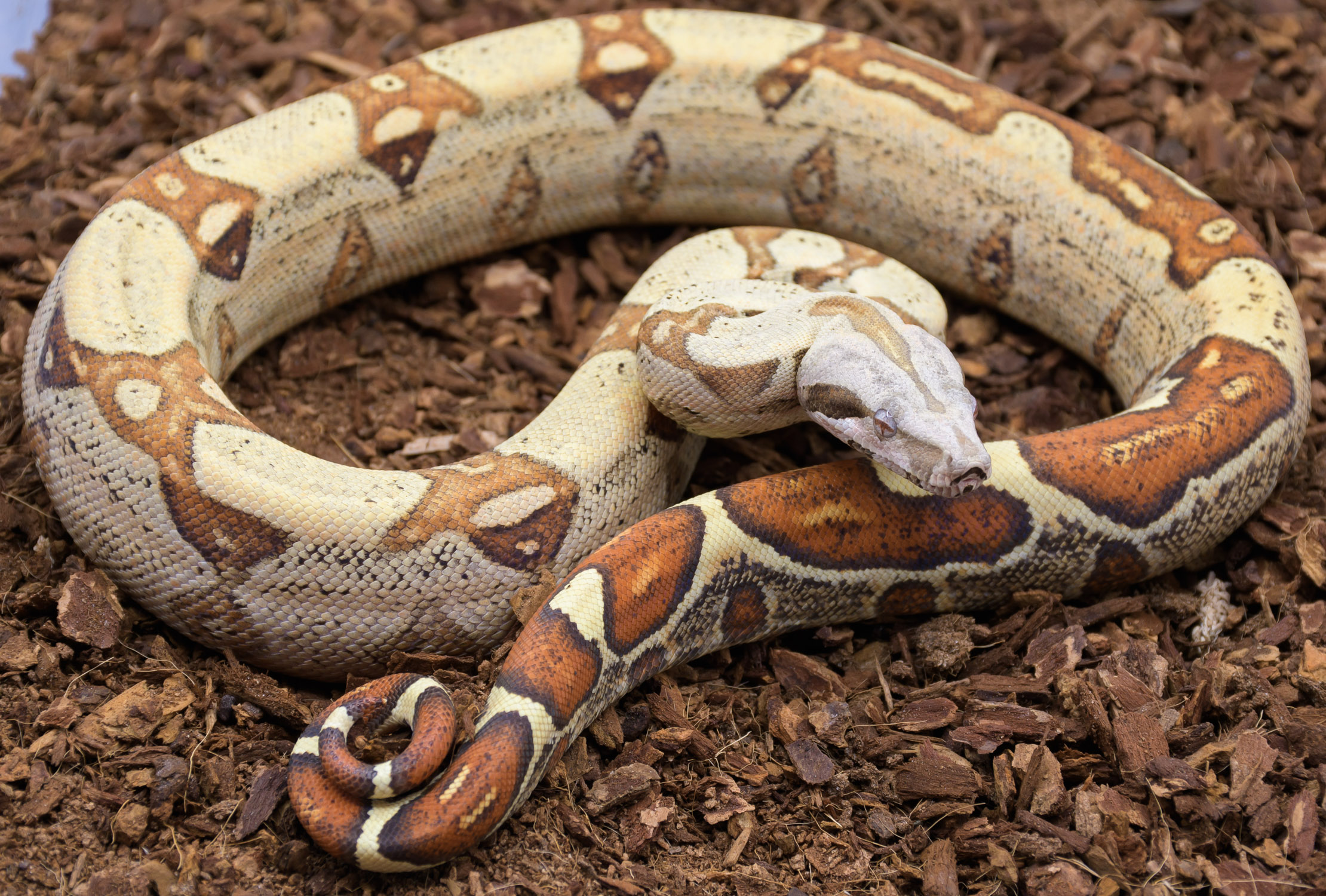 2023, Beast Boy
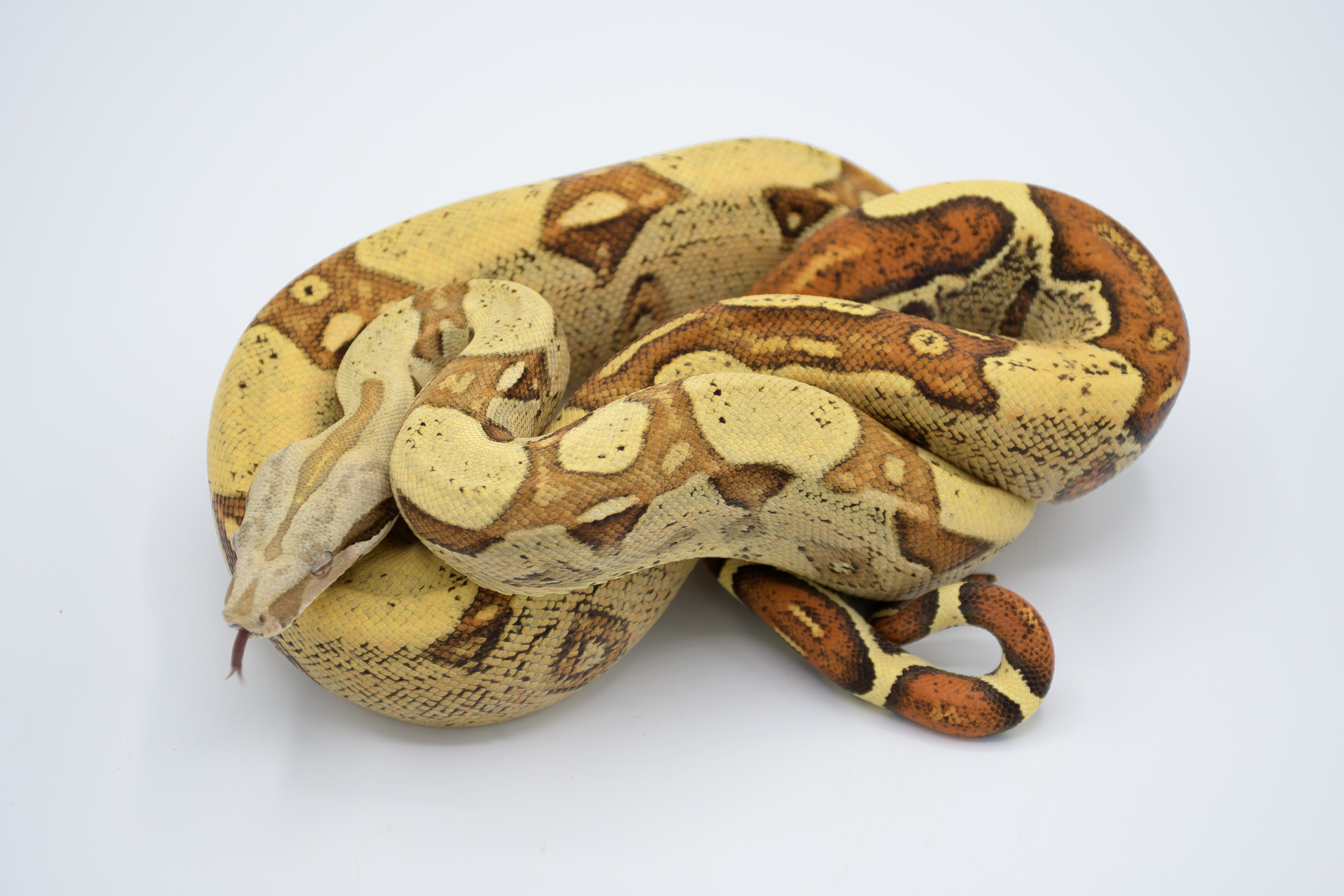 2024, Beast Boy
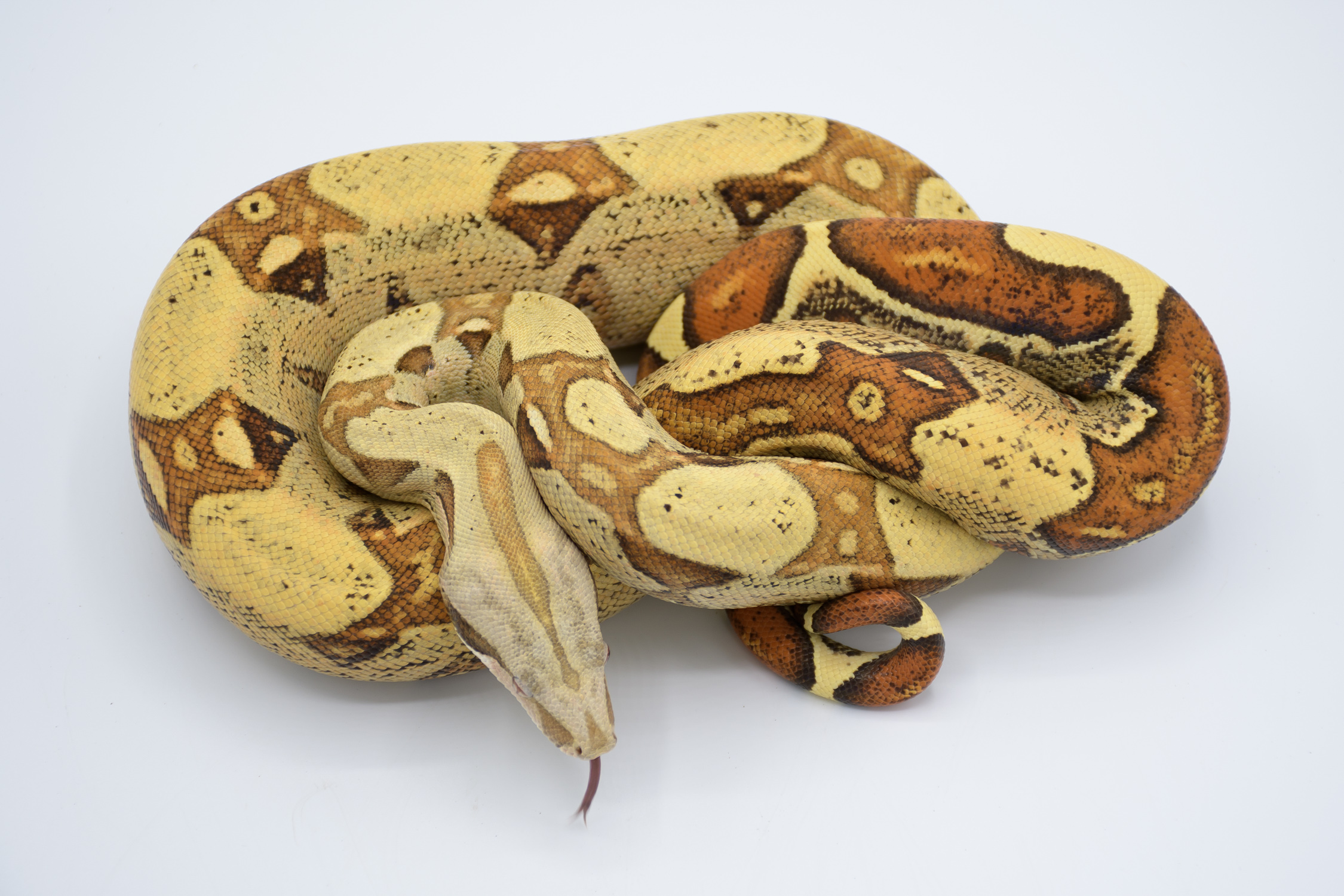 2024, Beast Boy
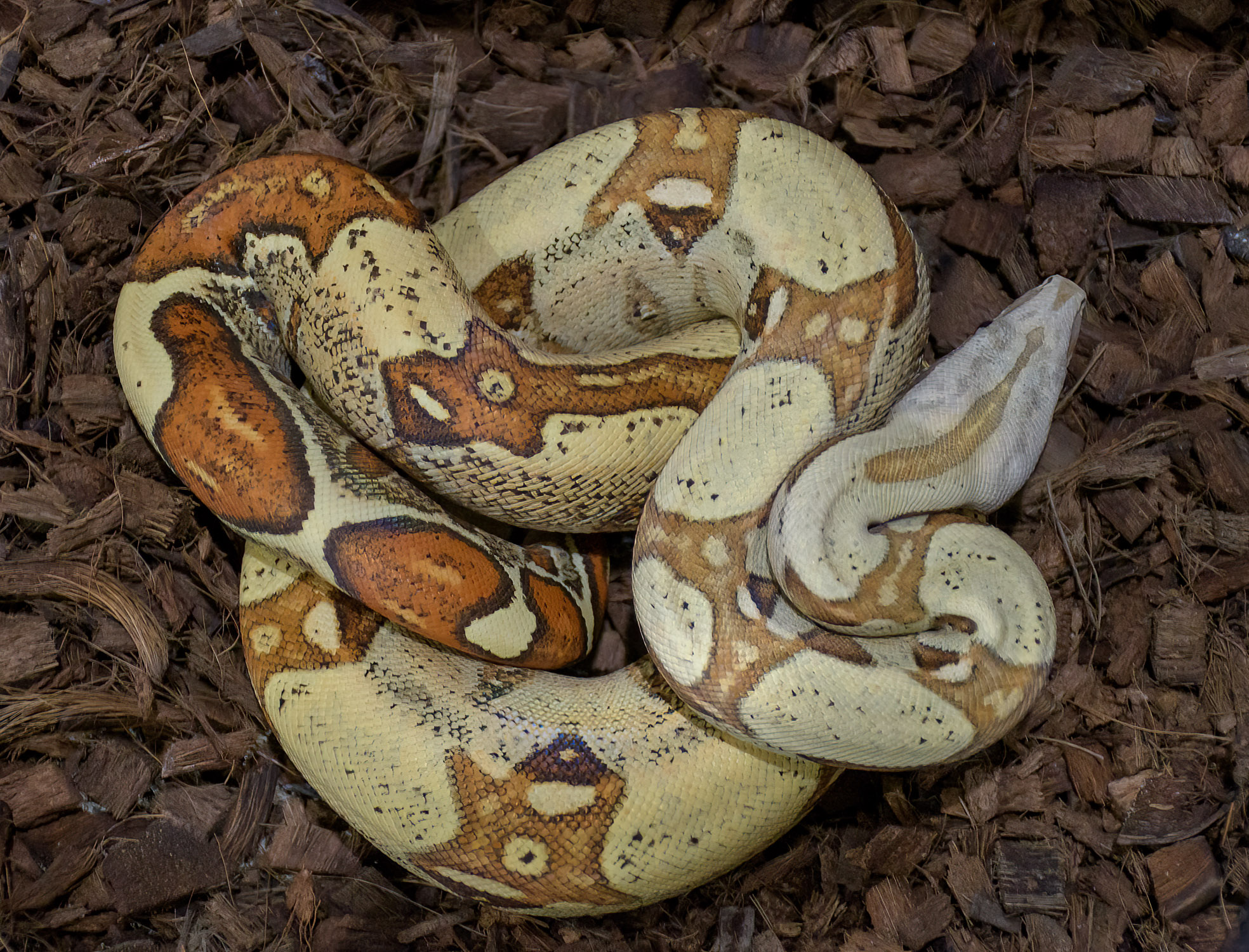 2024, Beast Boy
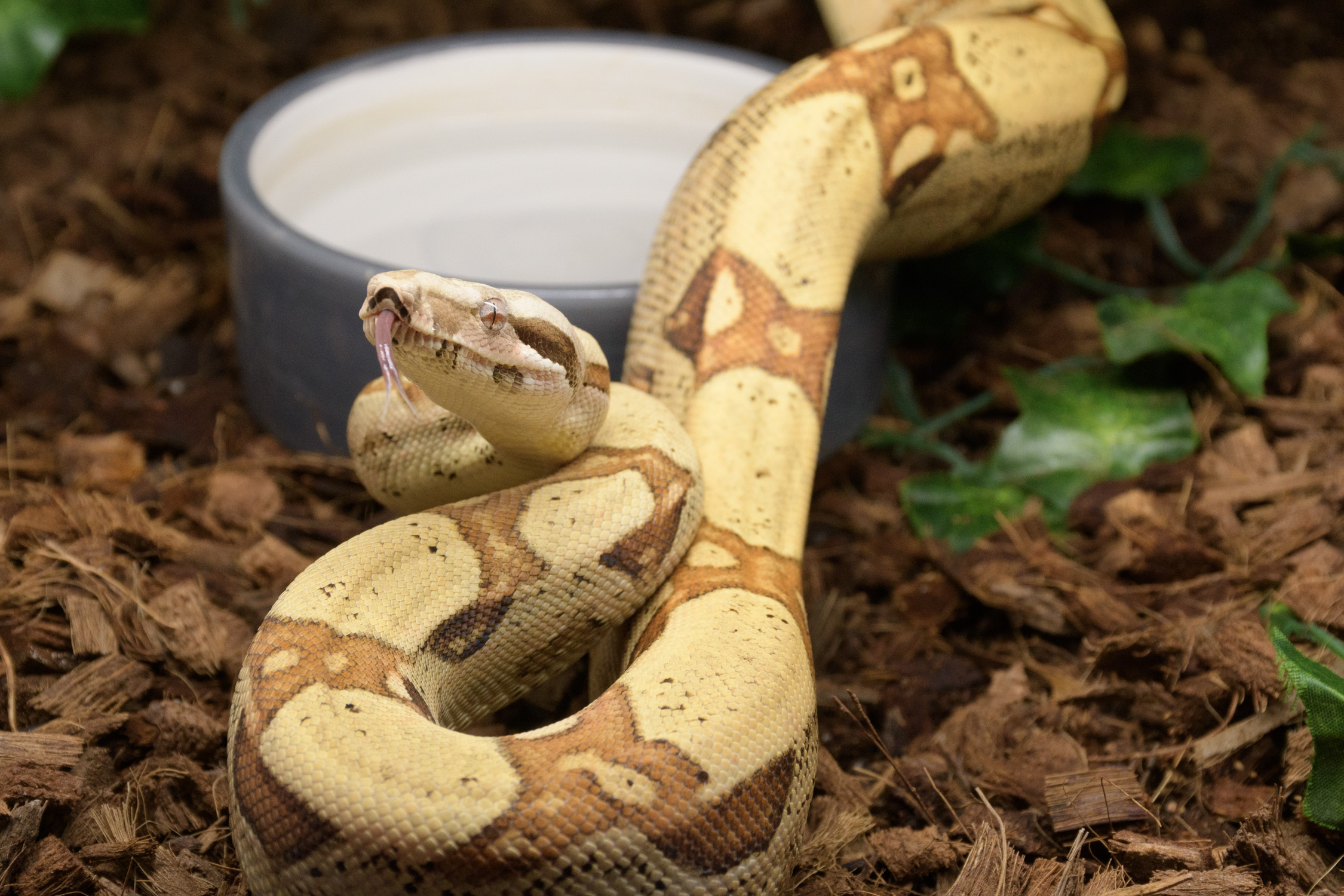 2024, Beast Boy
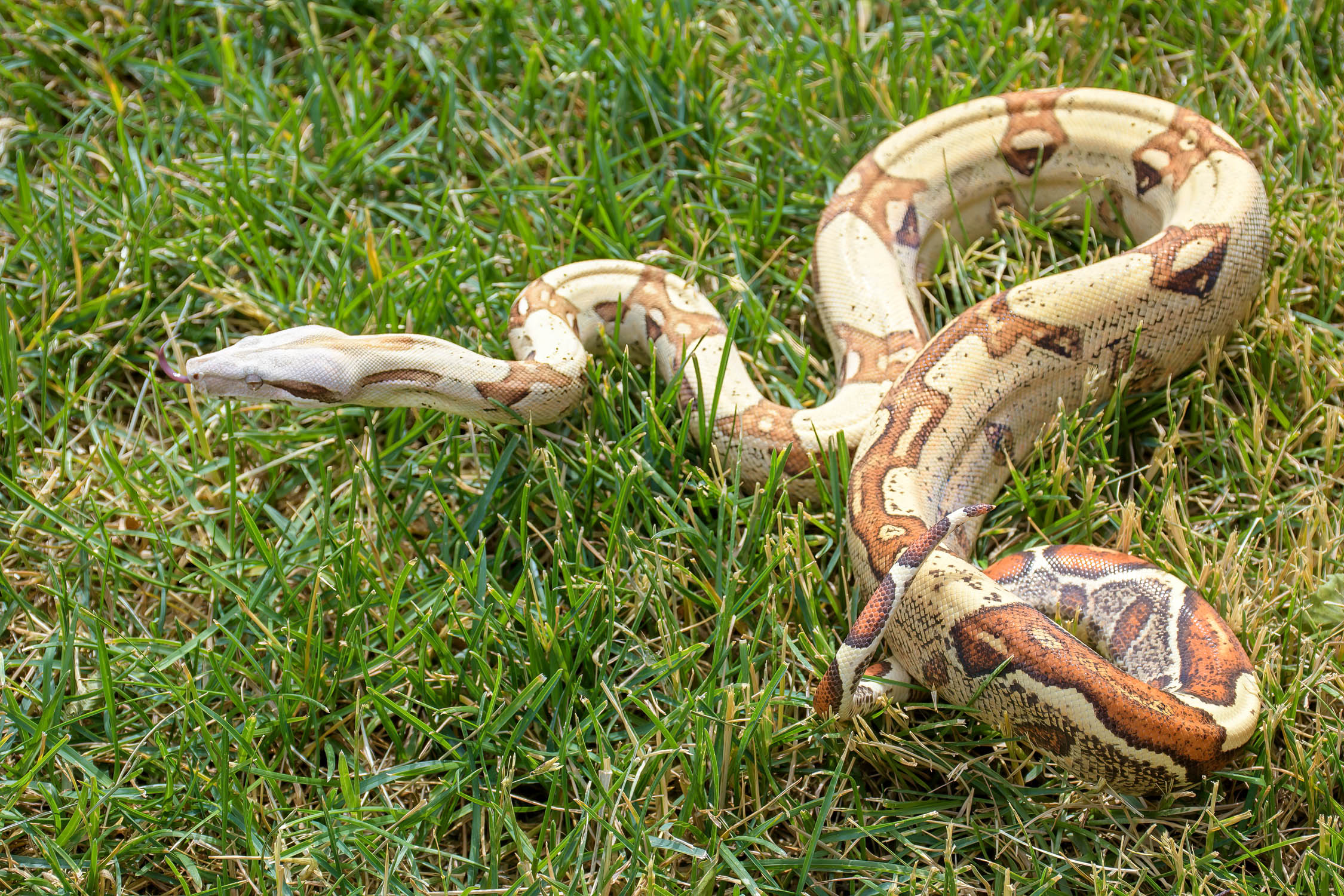 2024, Beast Boy
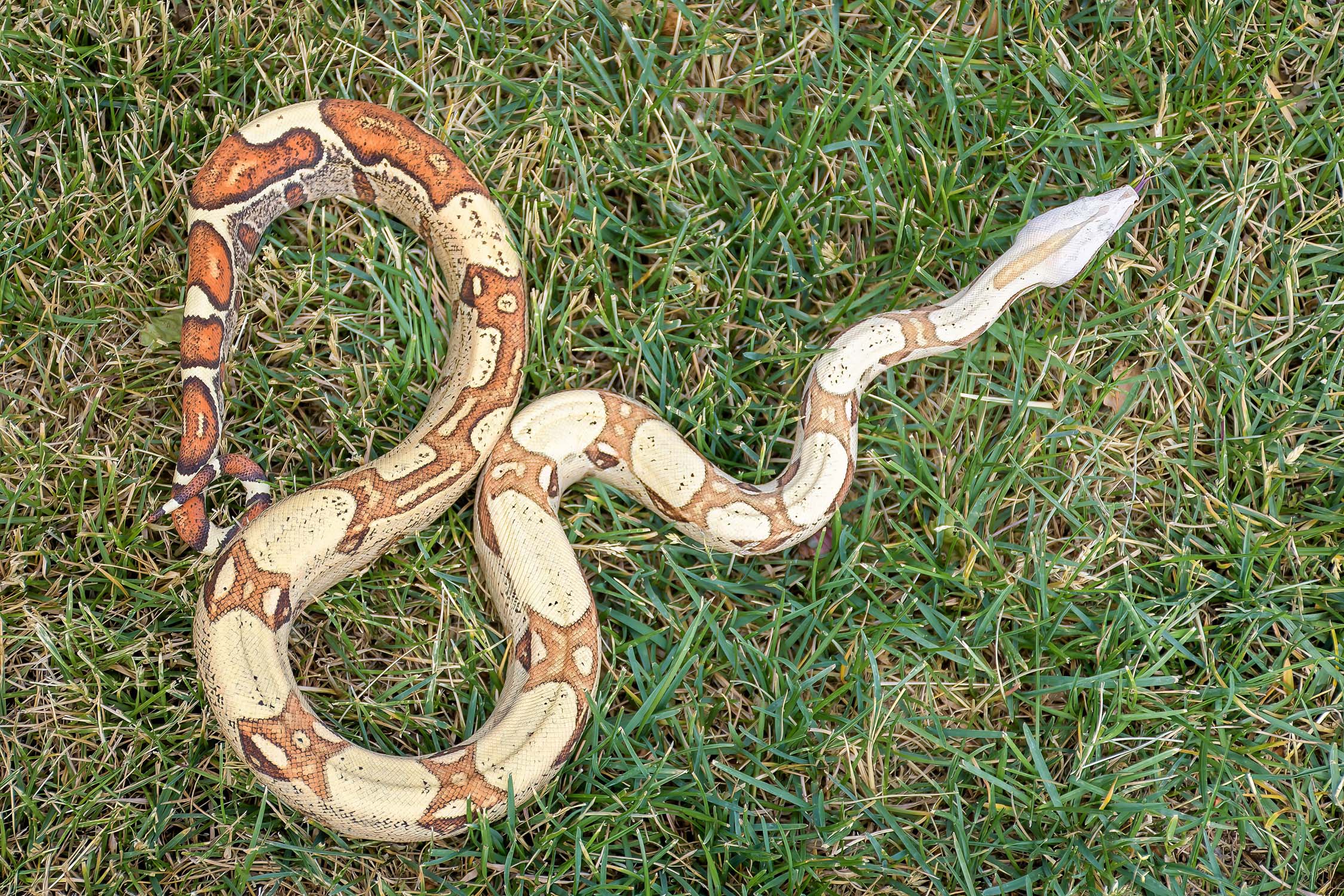 2024, Beast Boy
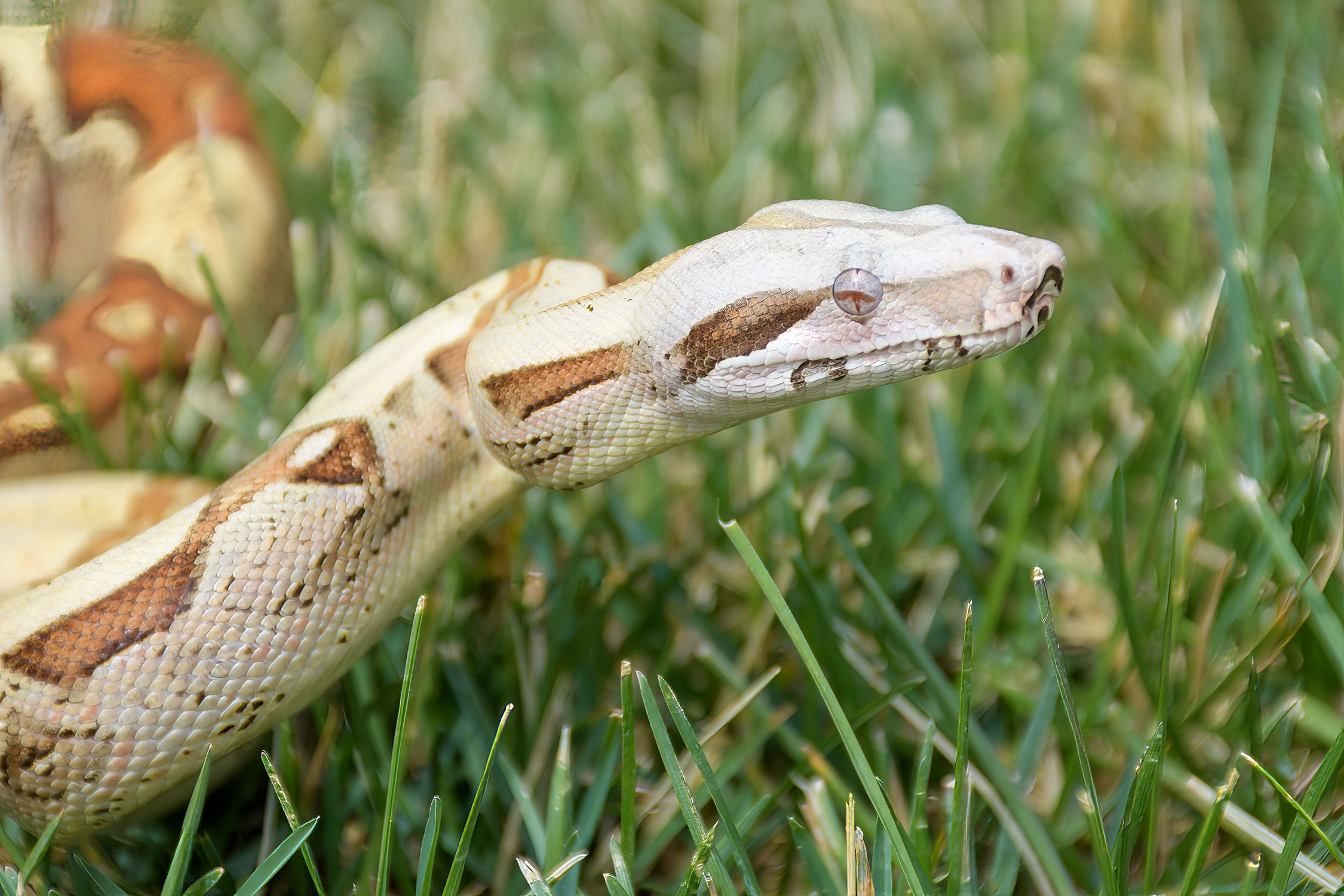 2024, Beast Boy
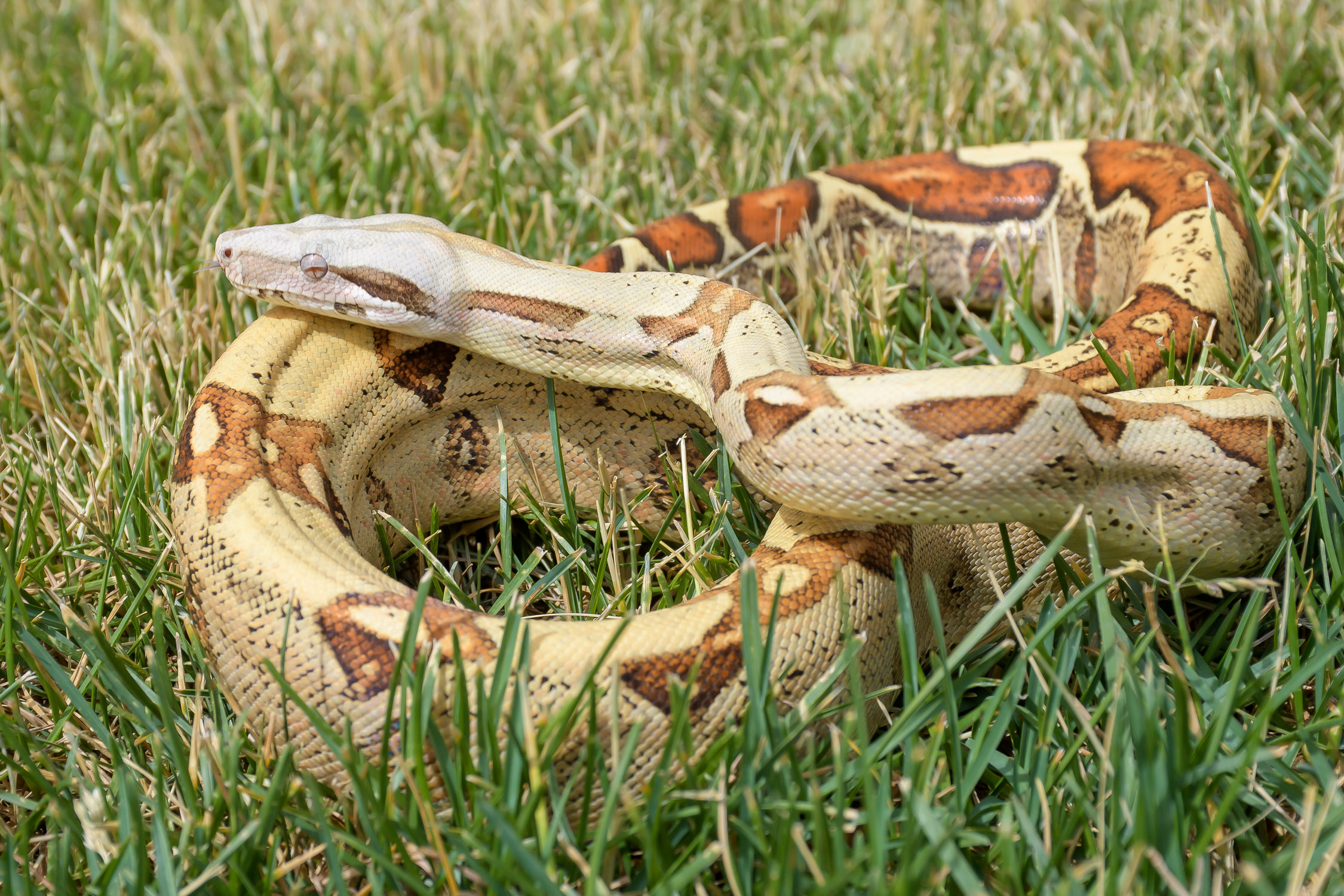 2024, Beast Boy
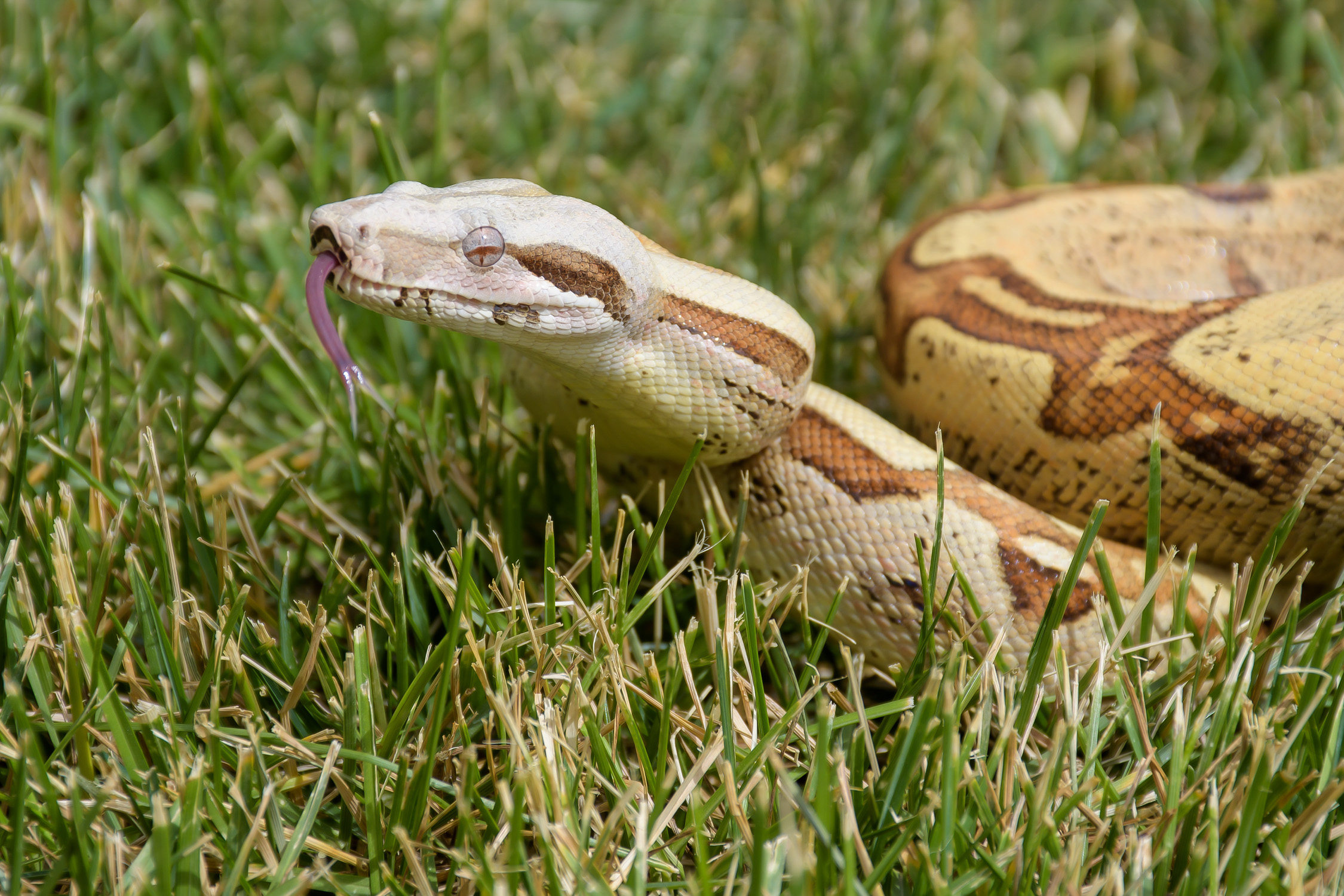 2024, Beast Boy
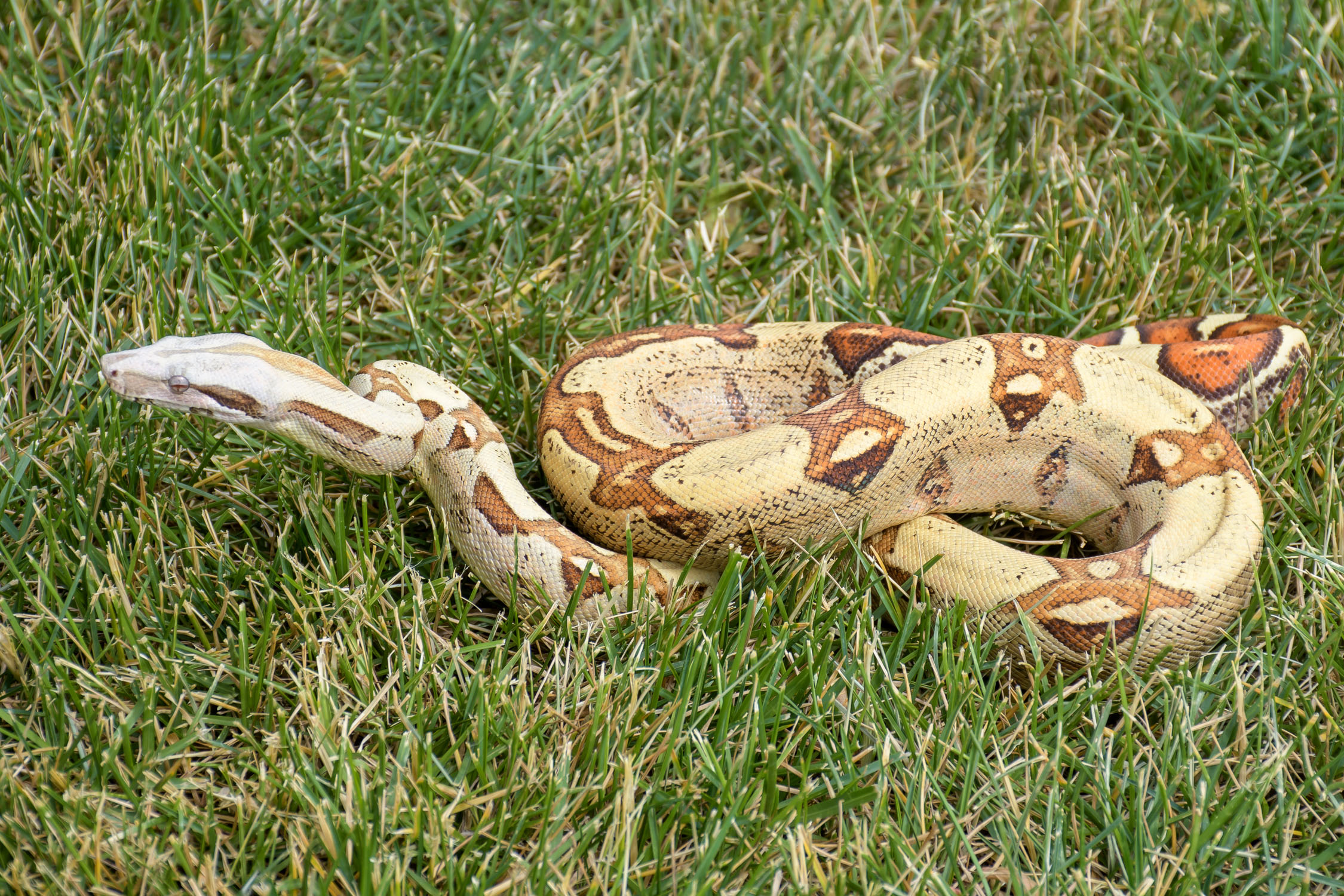 2024, Beast Boy
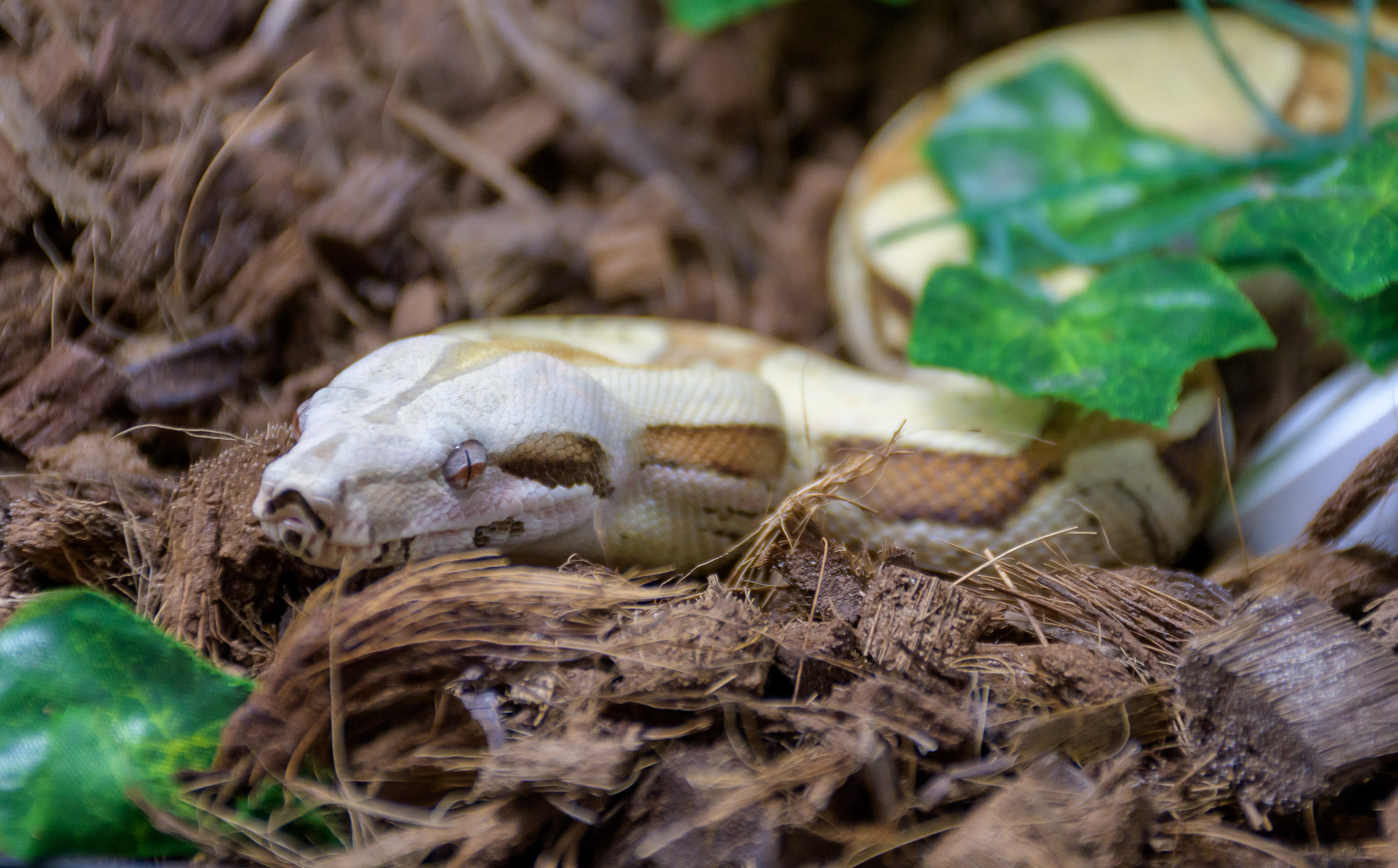 2024, Beast Boy
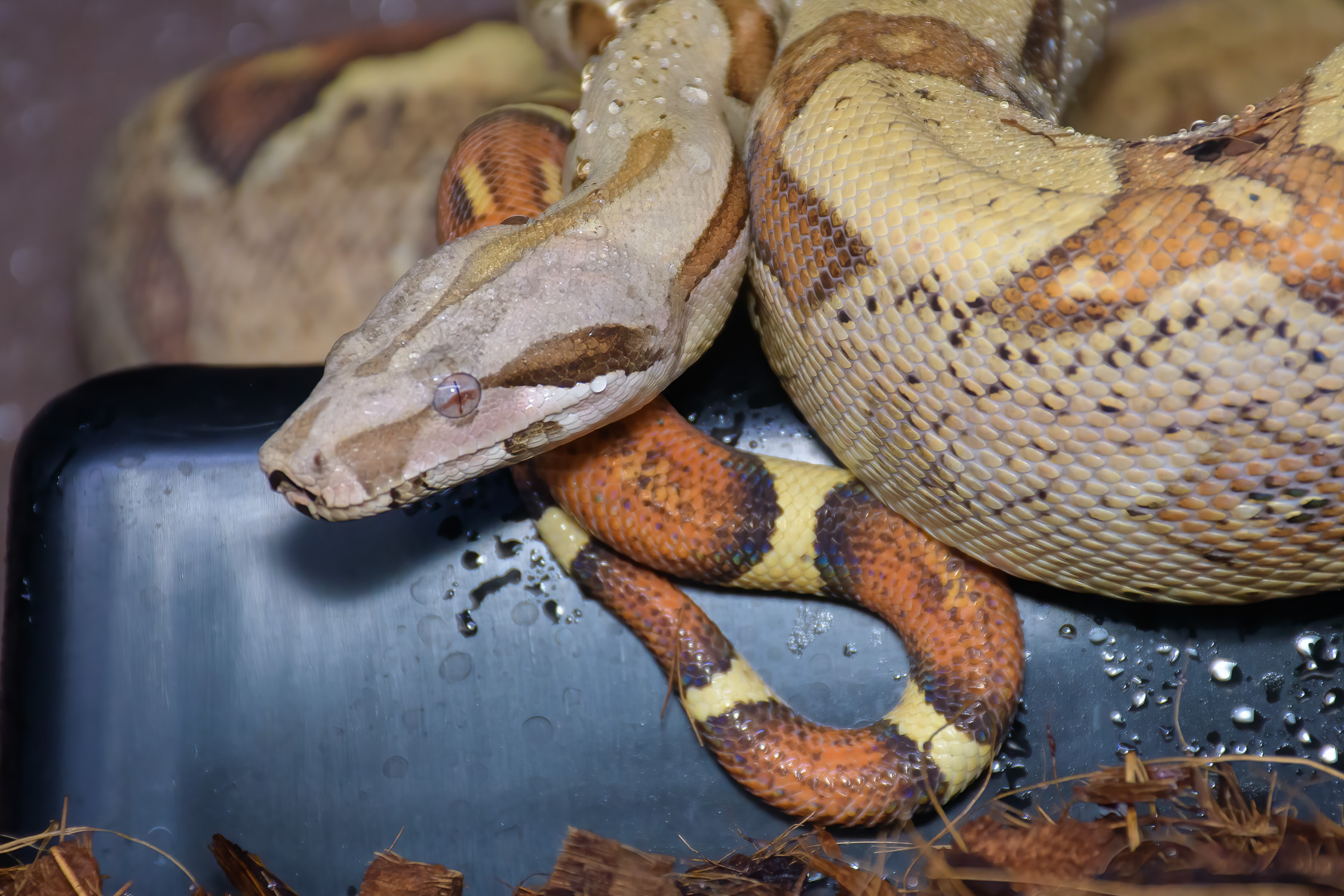 2025, Beast Boy
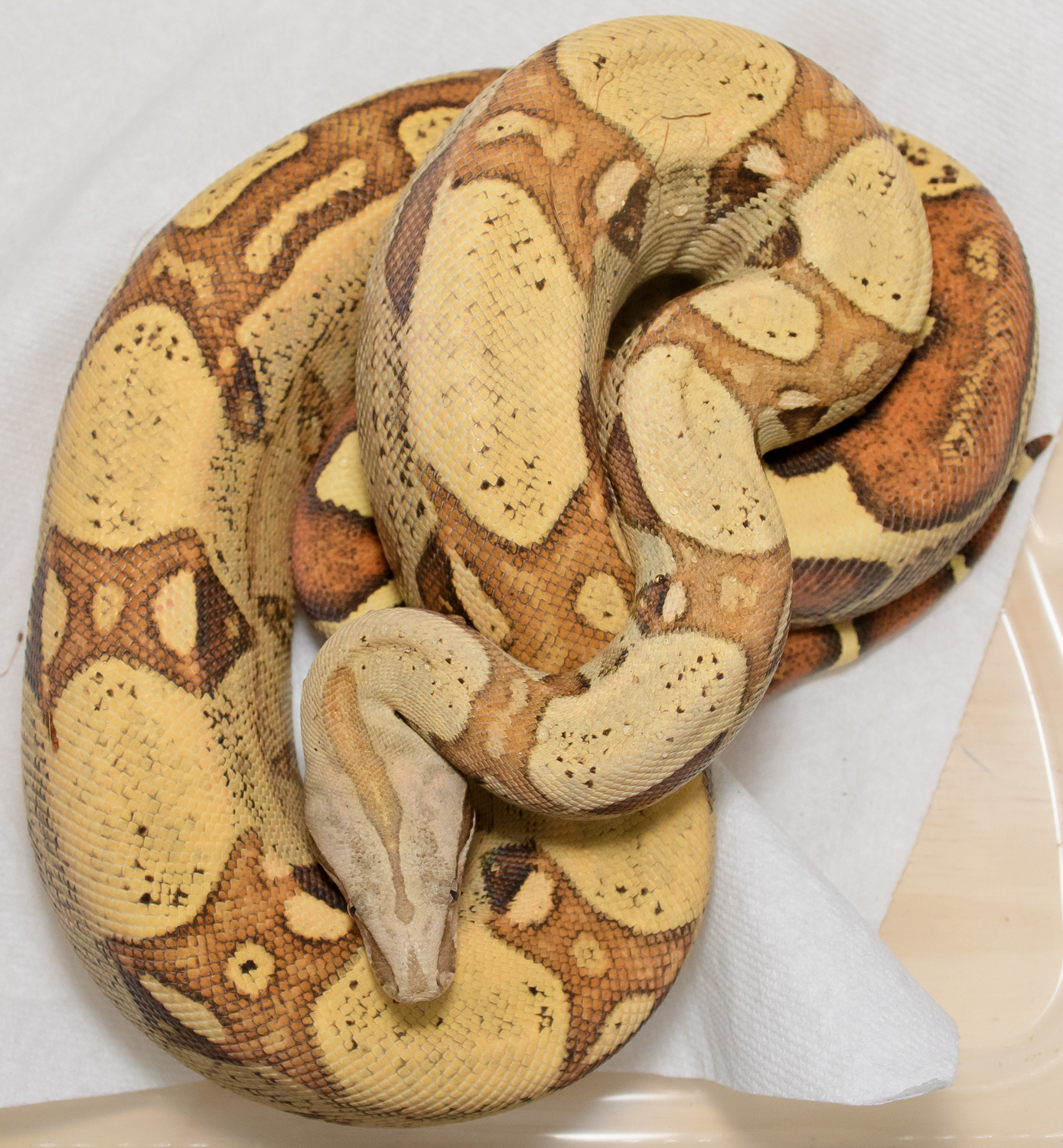 2025, Beast Boy
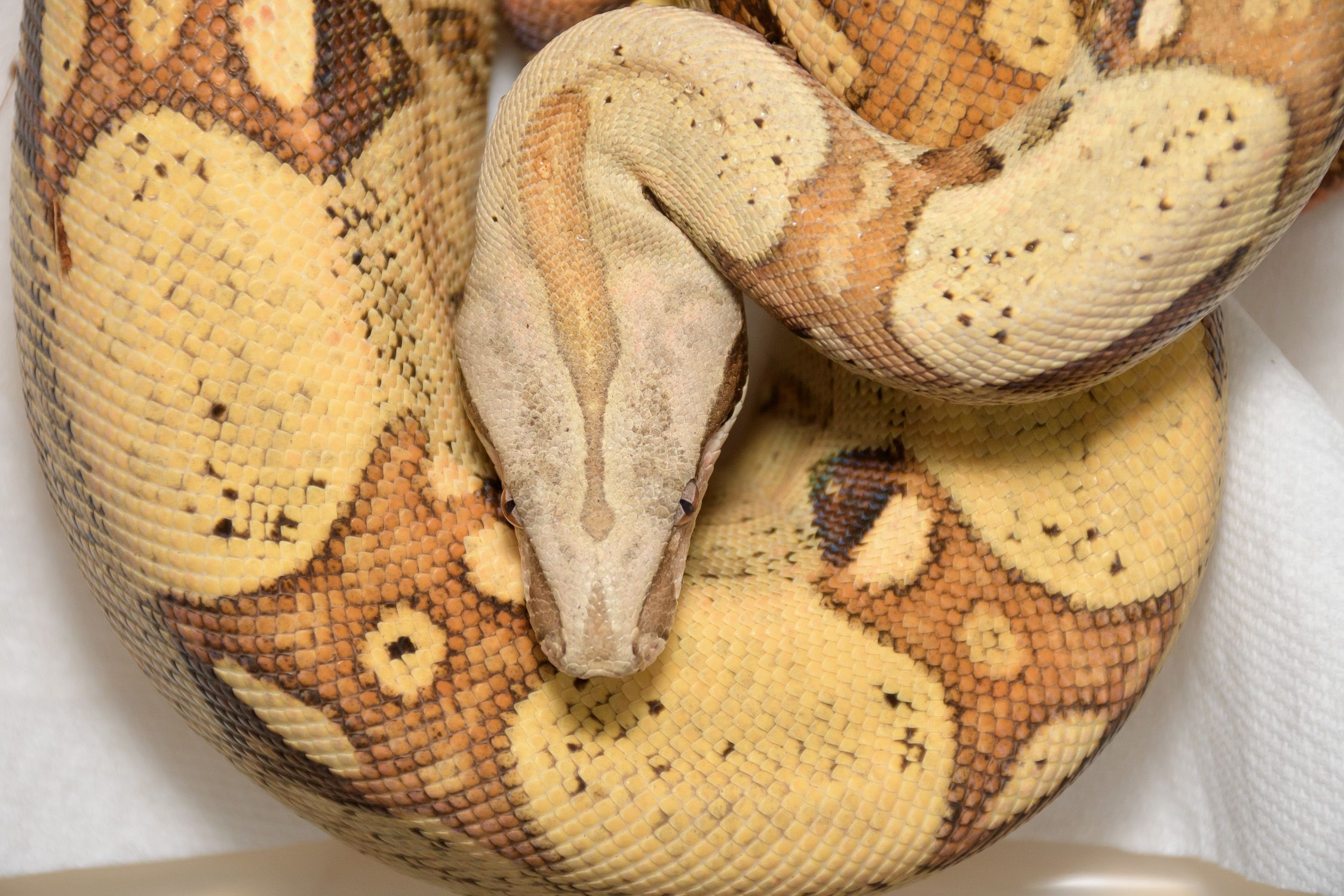 2025, Beast Boy
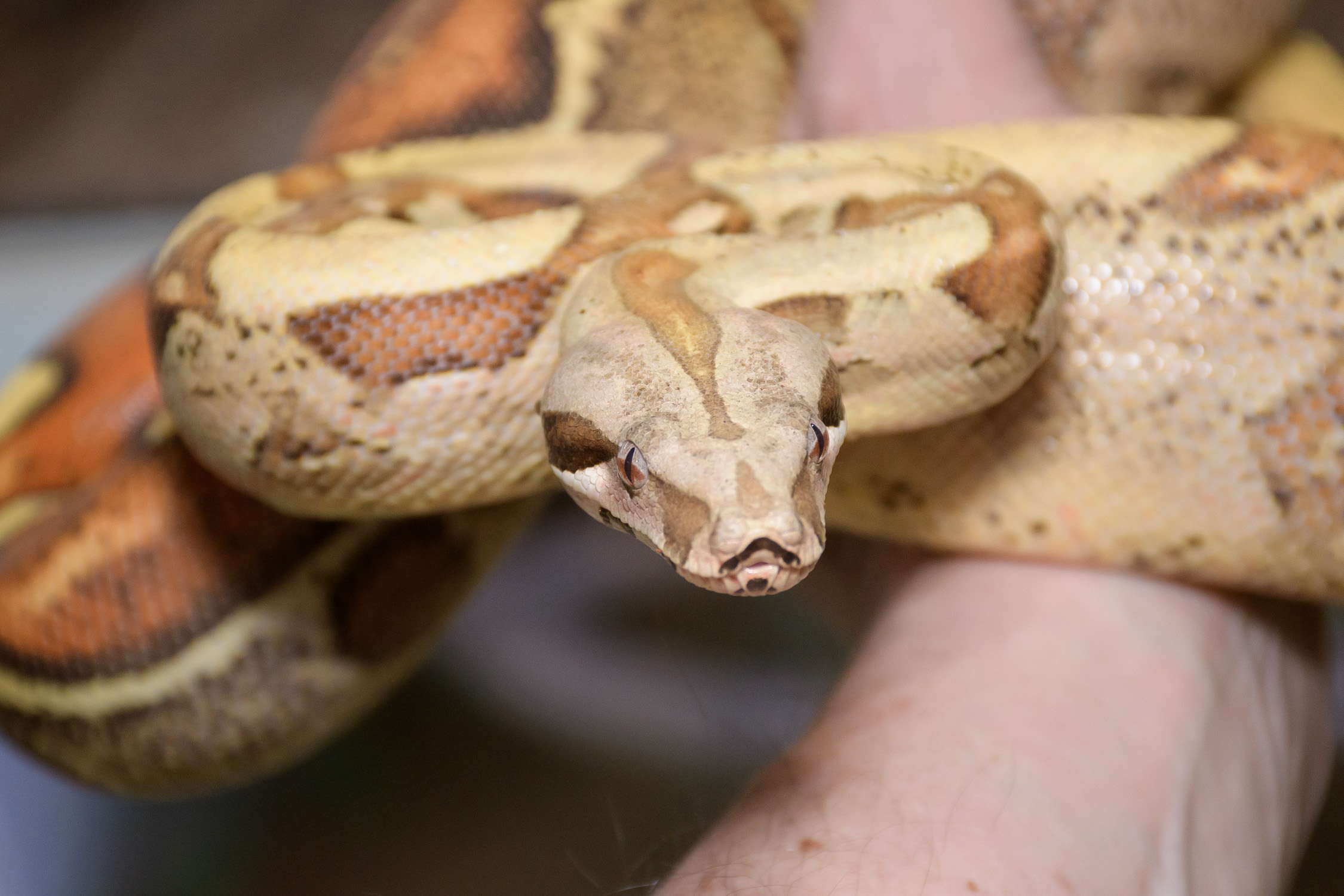 2025, Beast Boy
- 2021, Blizzard
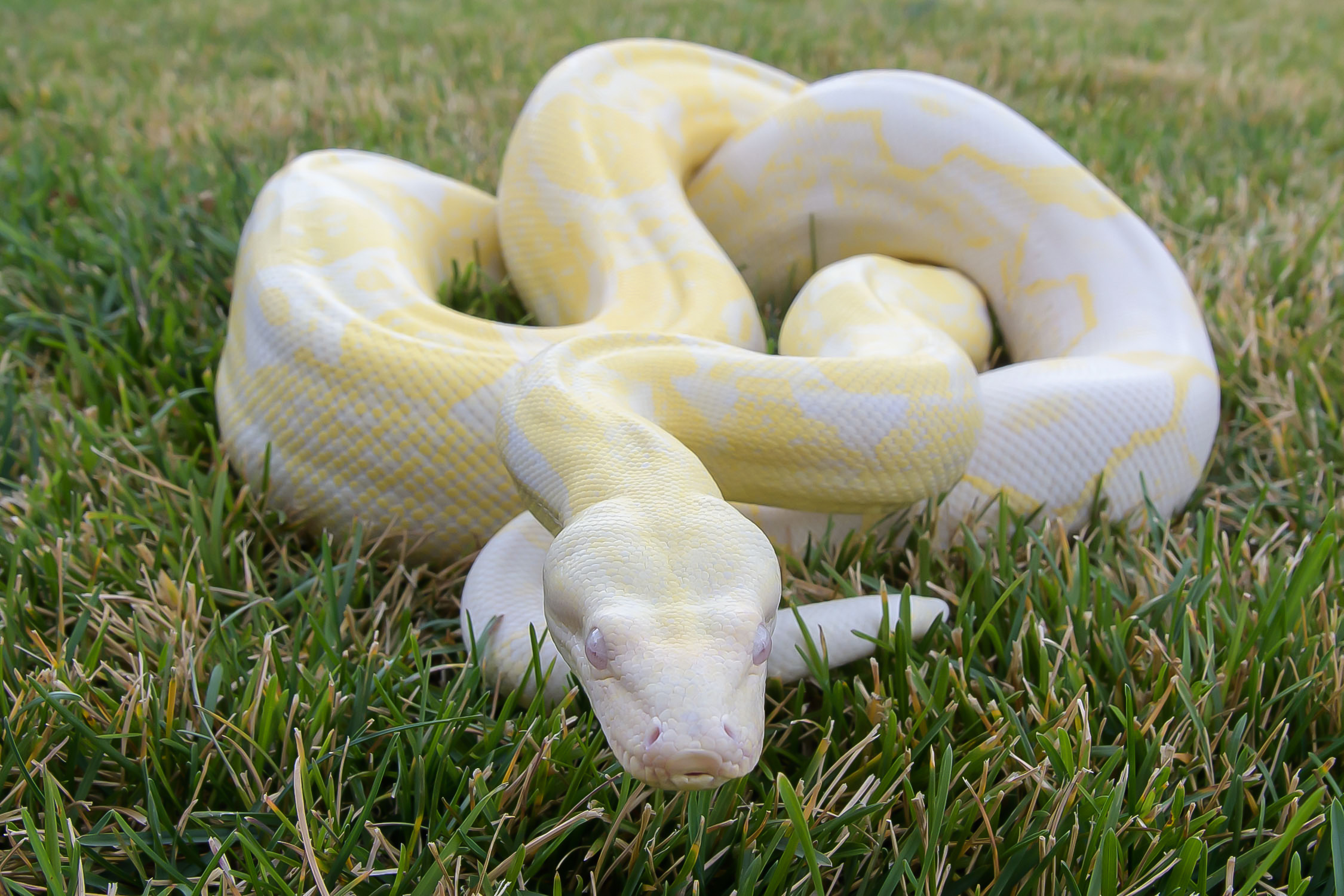 2021, Blizzard
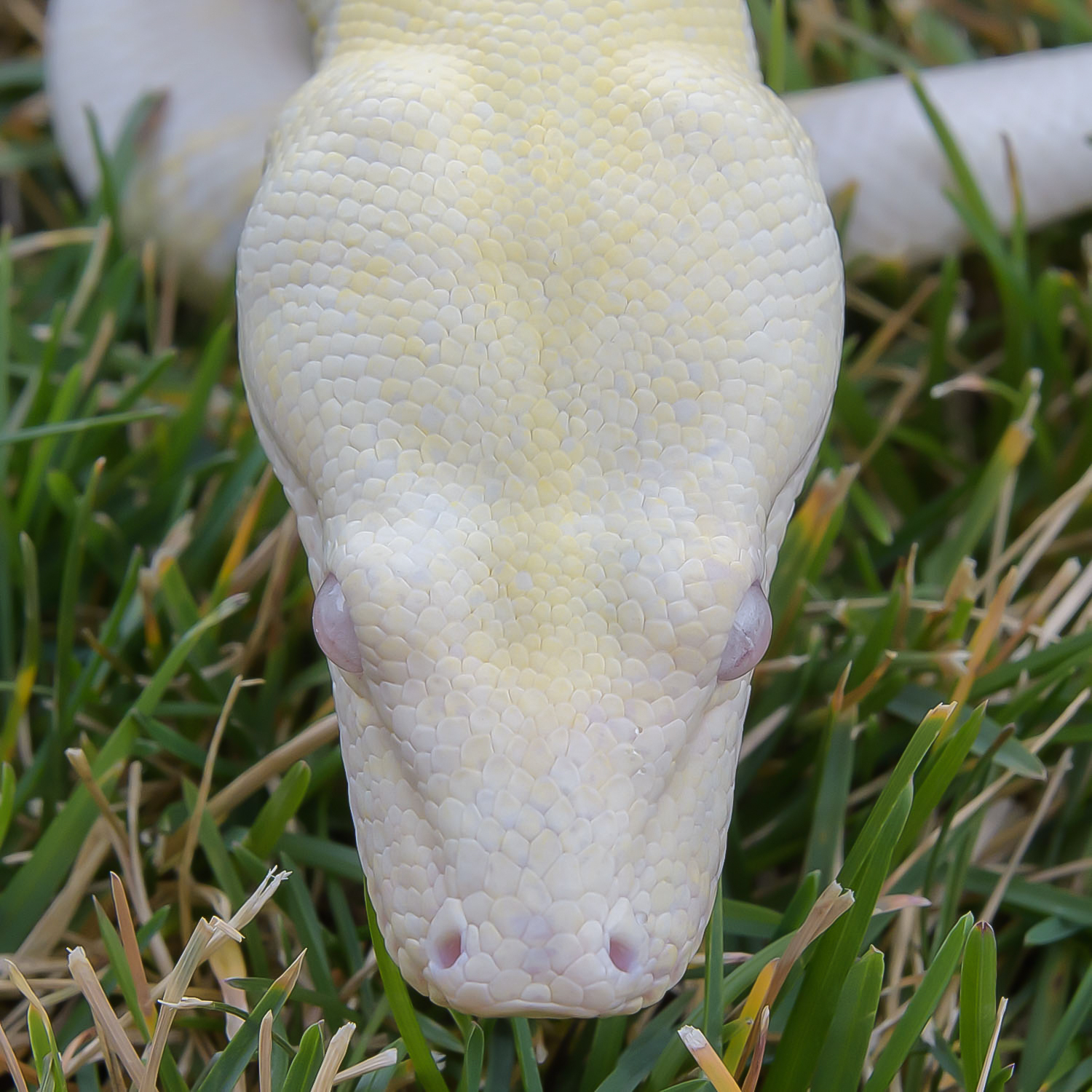 2021, Blizzard
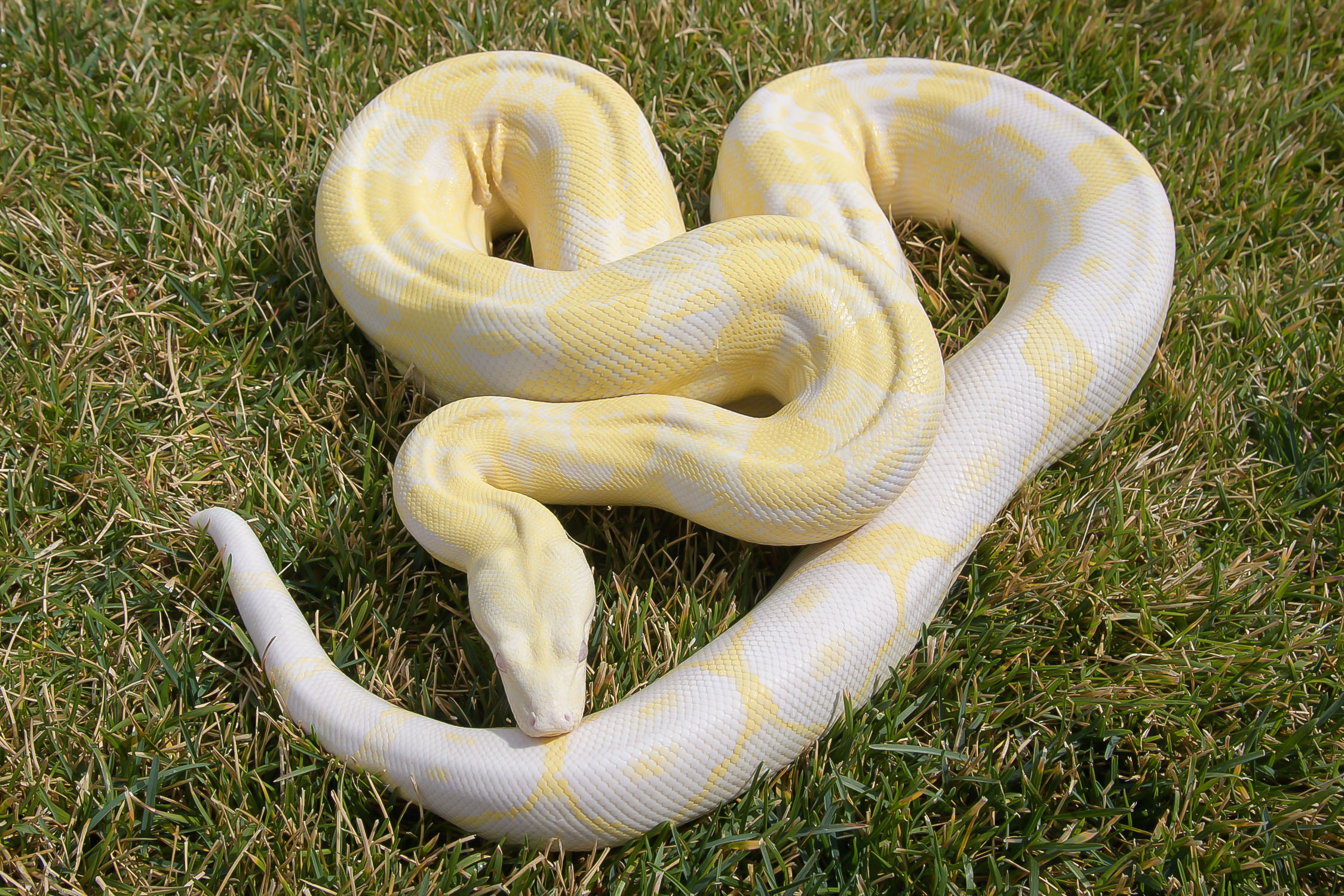 2021, Blizzard
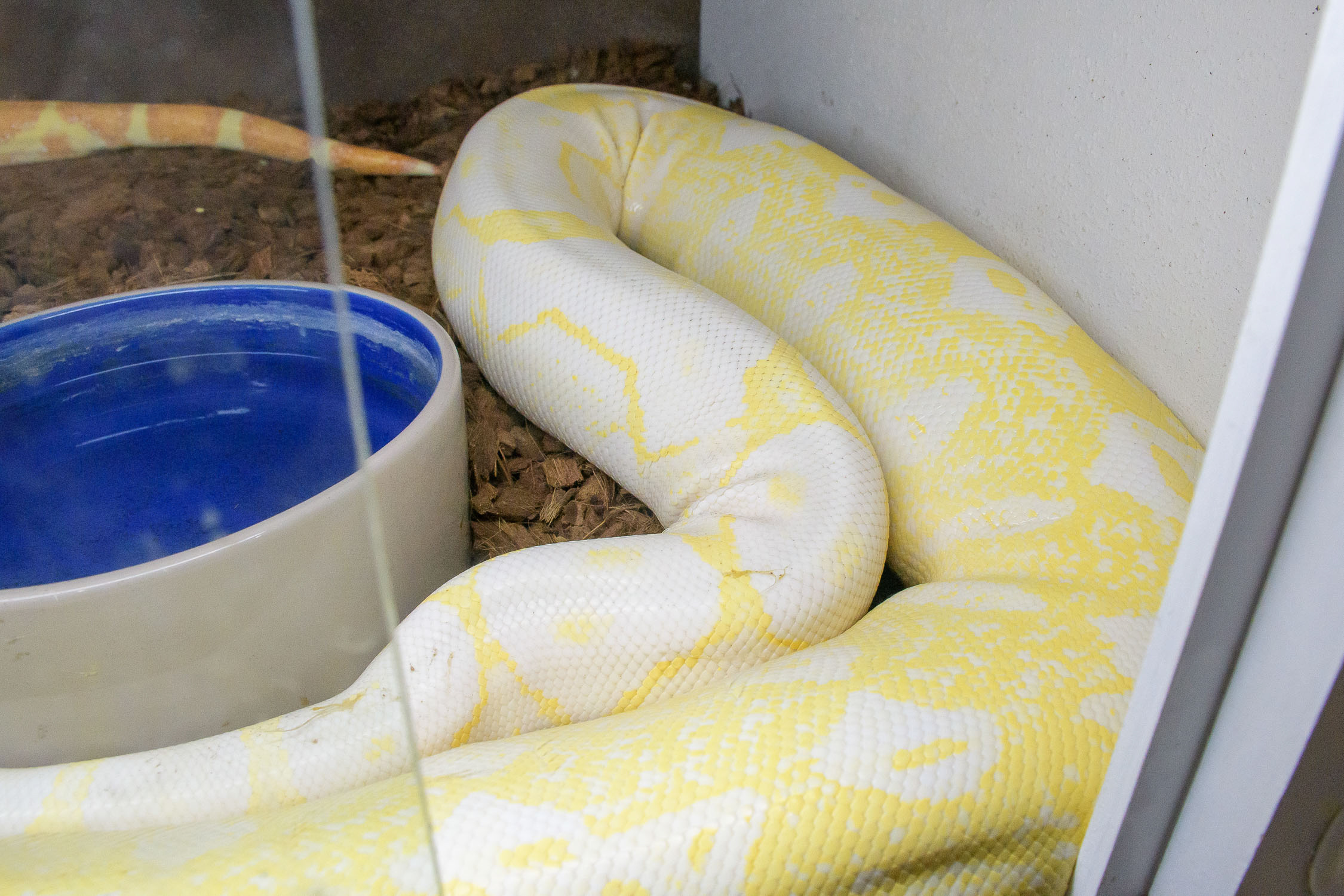 2024, Blizzard
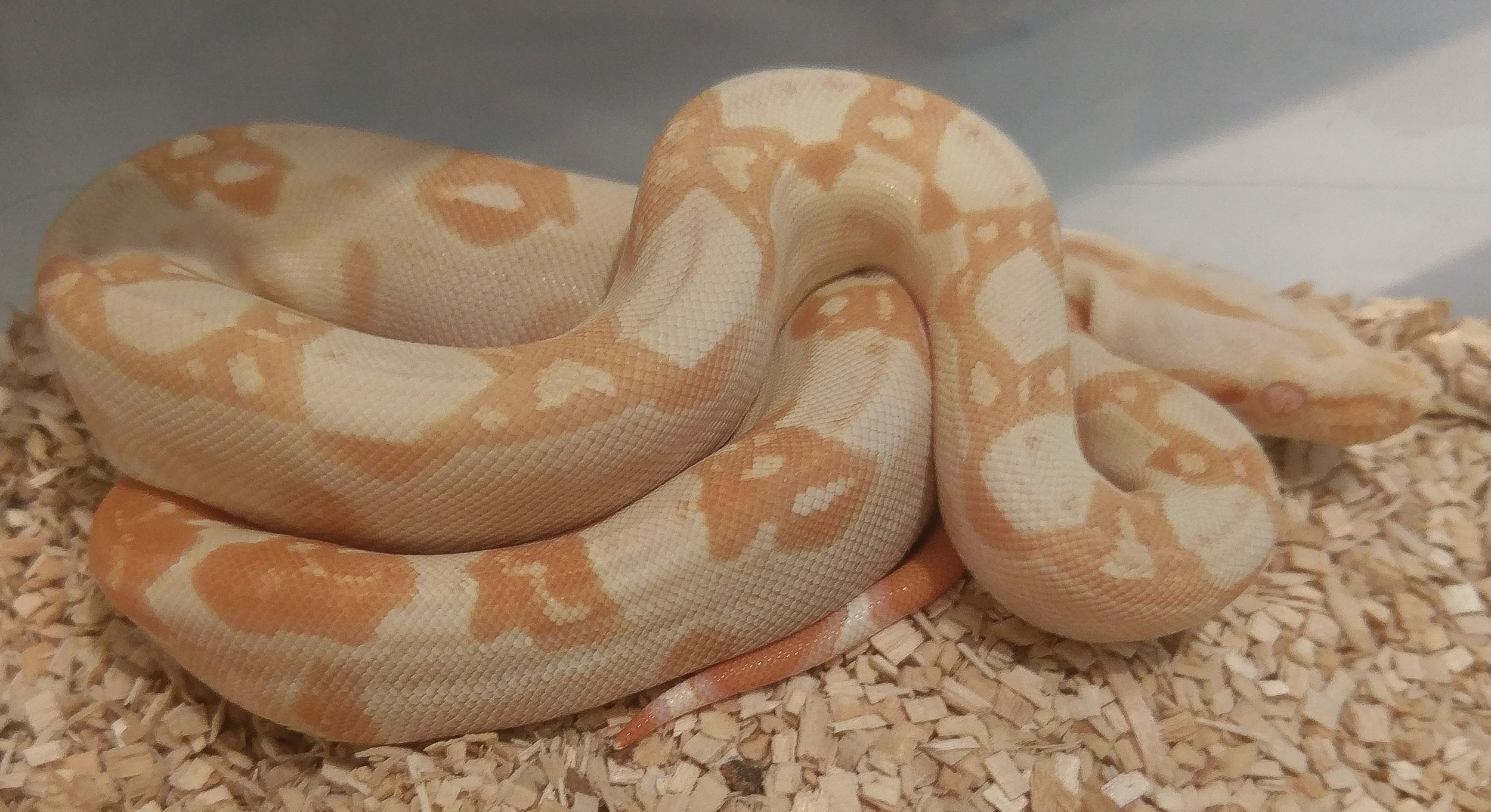 2017, Crush
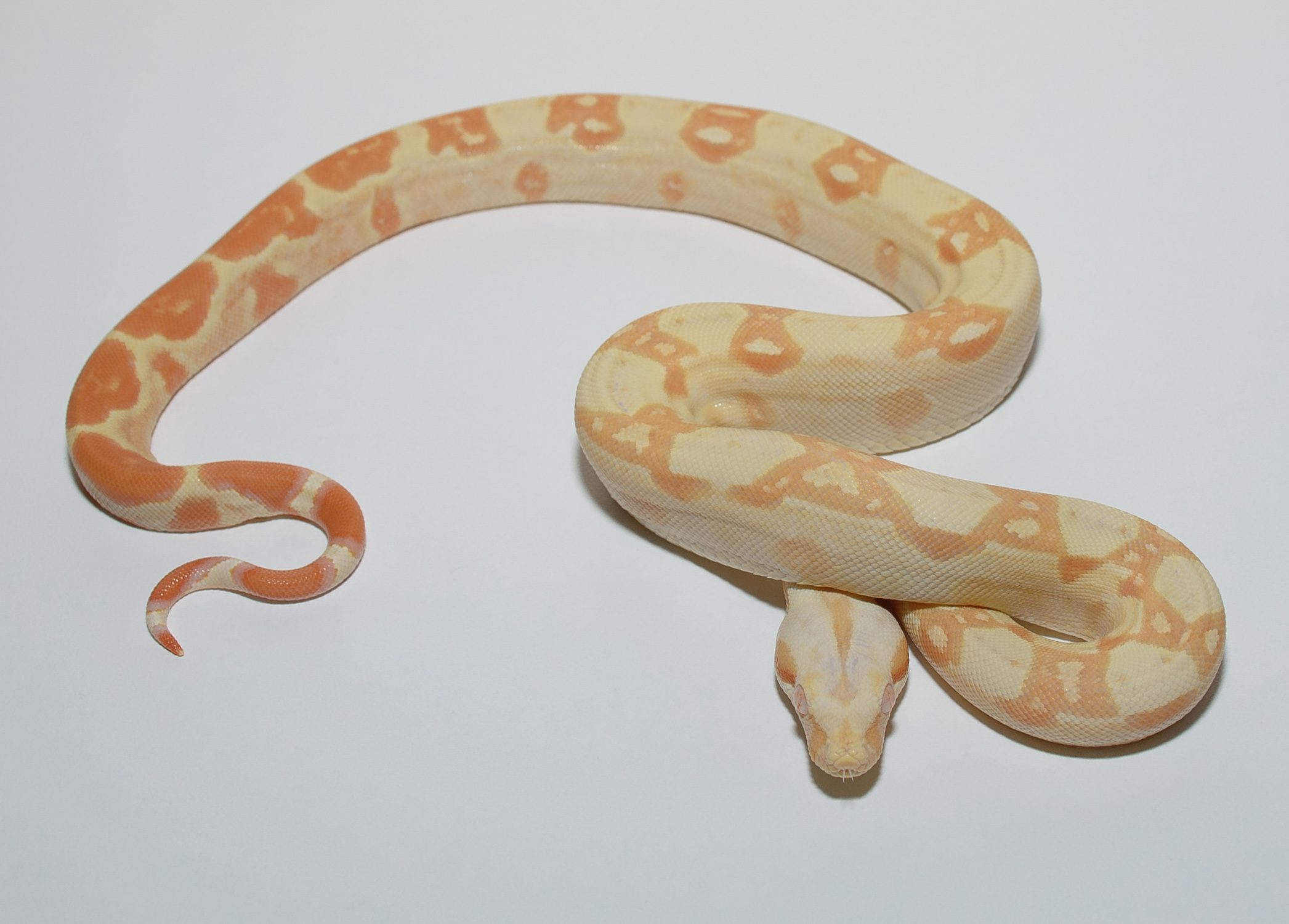 2018, Crush
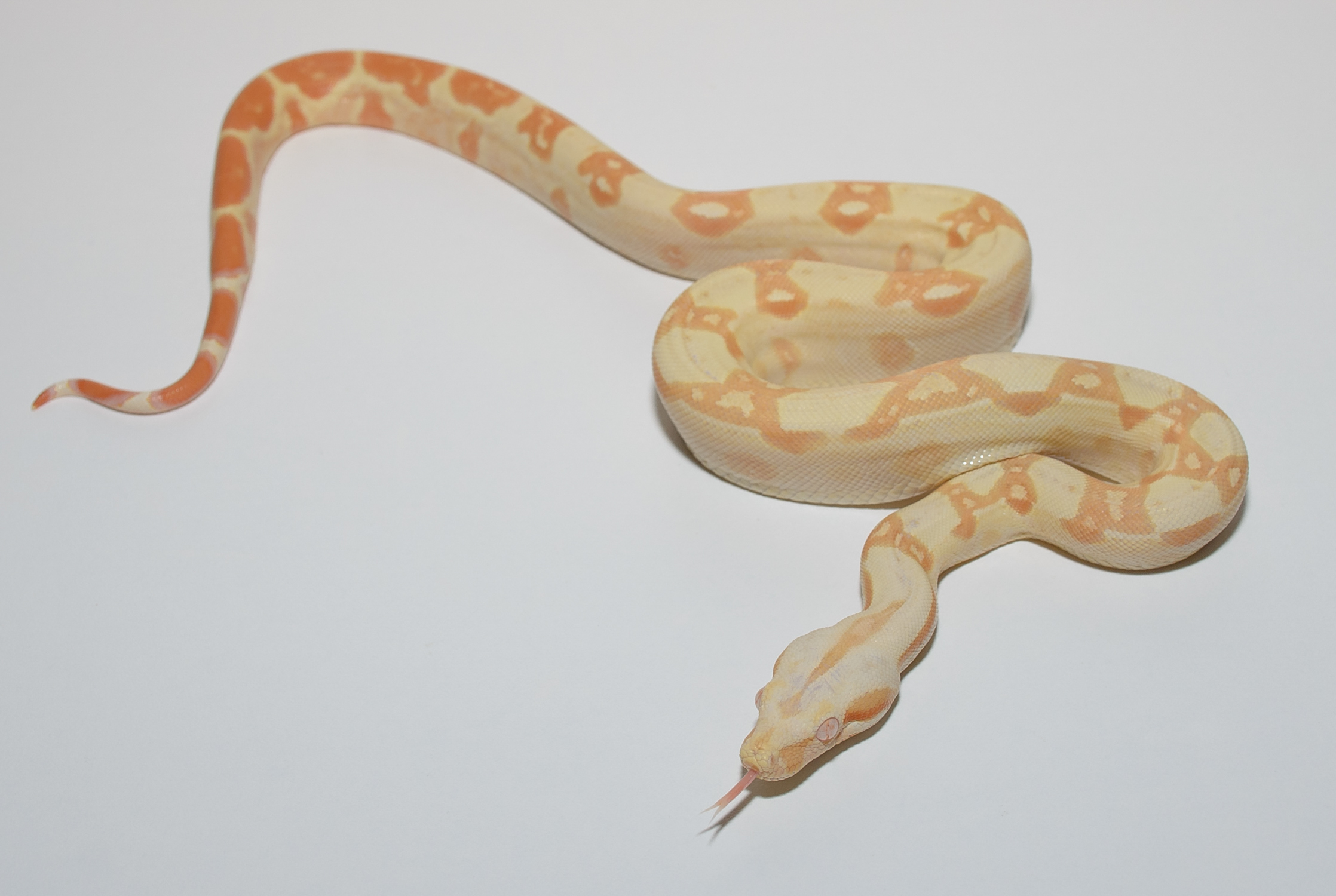 2018, Crush
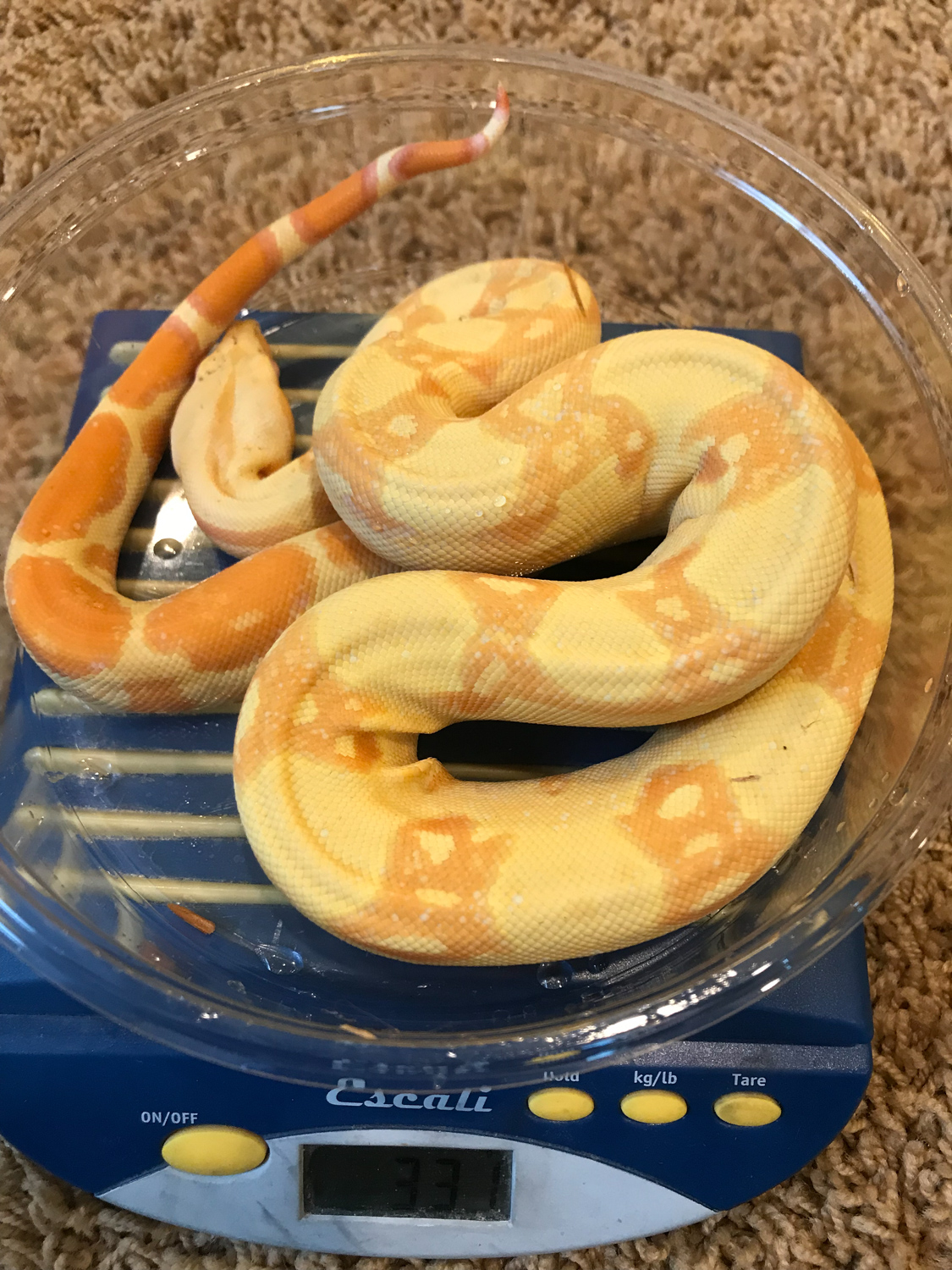 2019, Crush
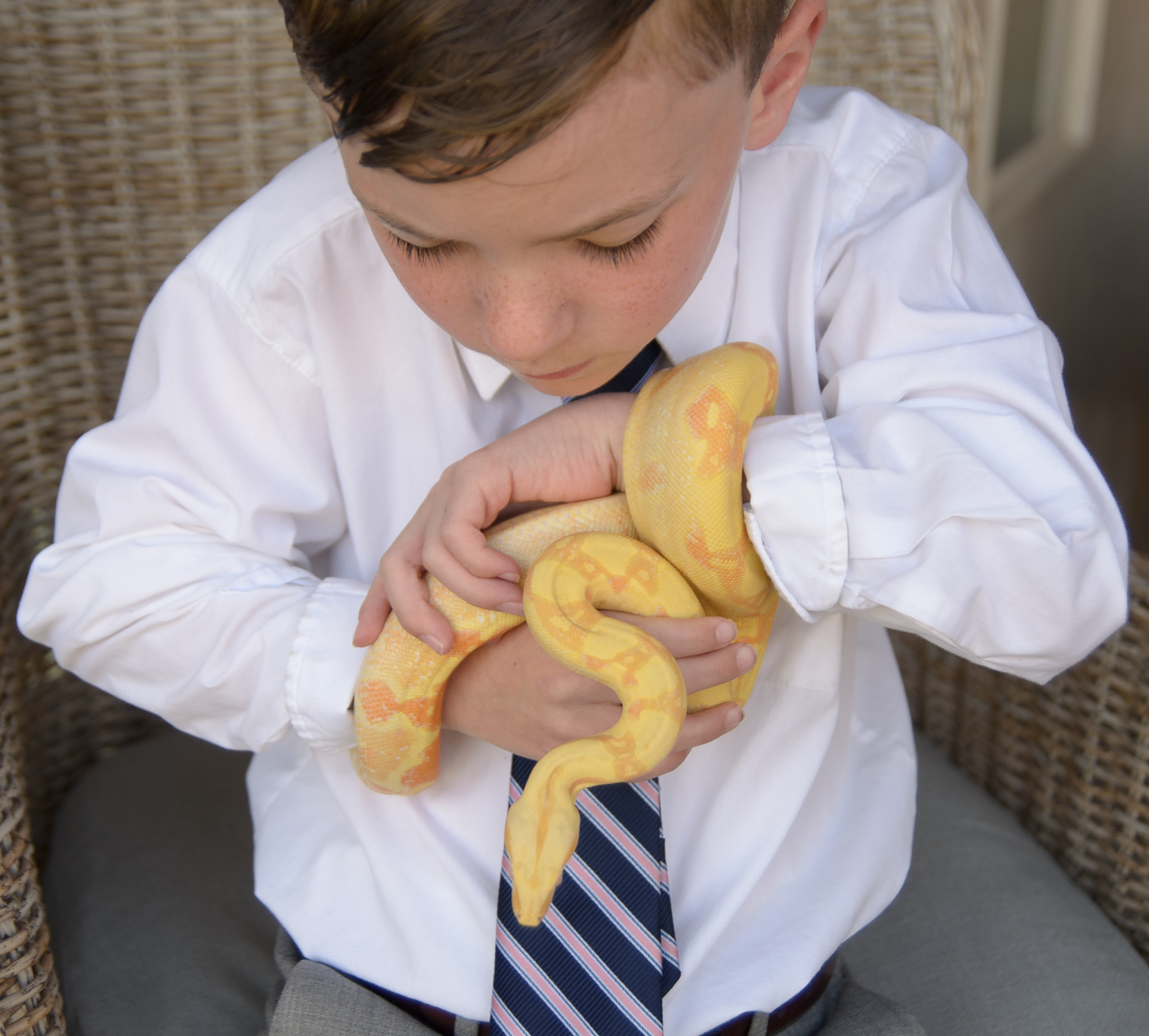 2019, Crush
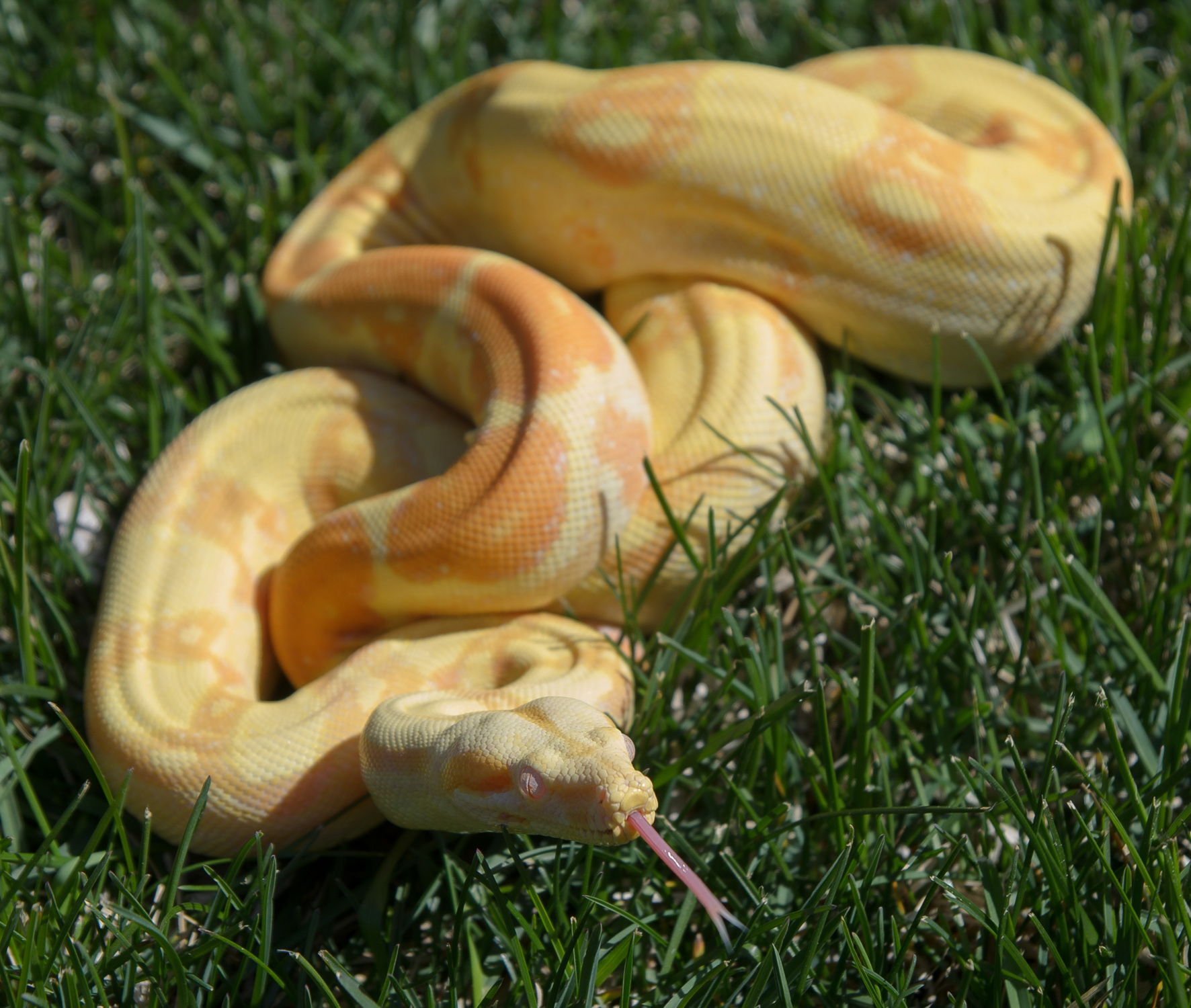 2019, Crush
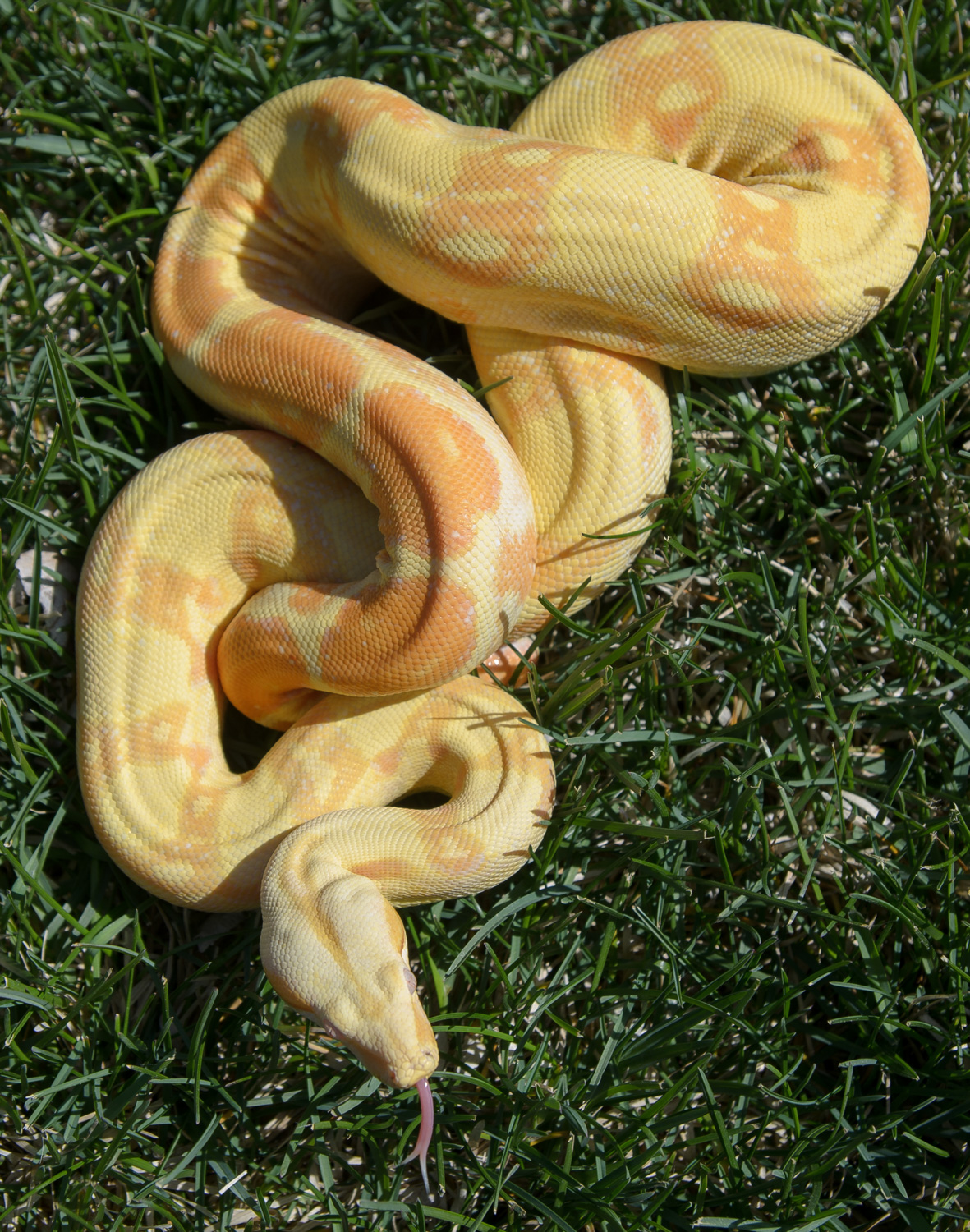 2019, Crush
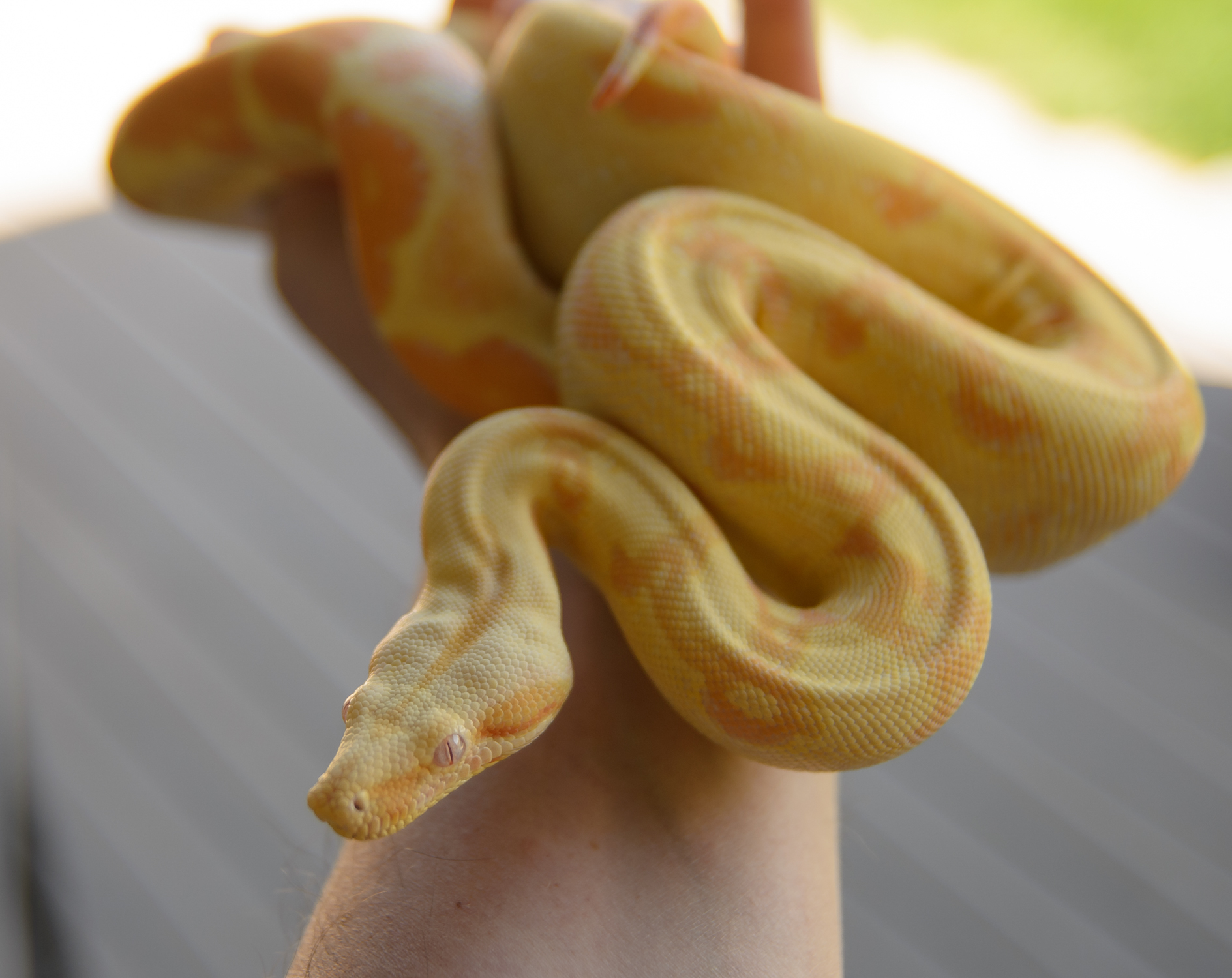 2019, Crush
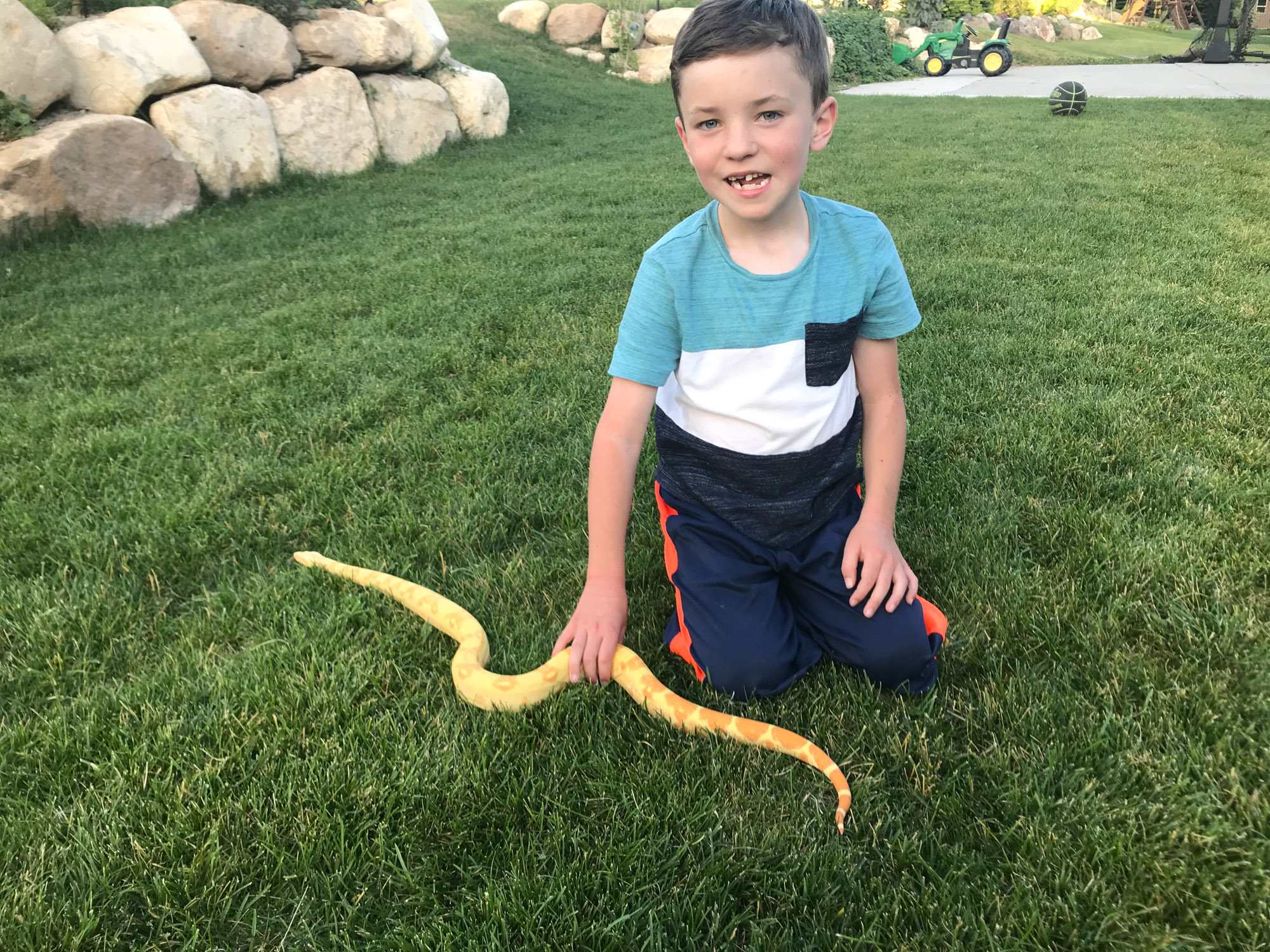 2019, Crush
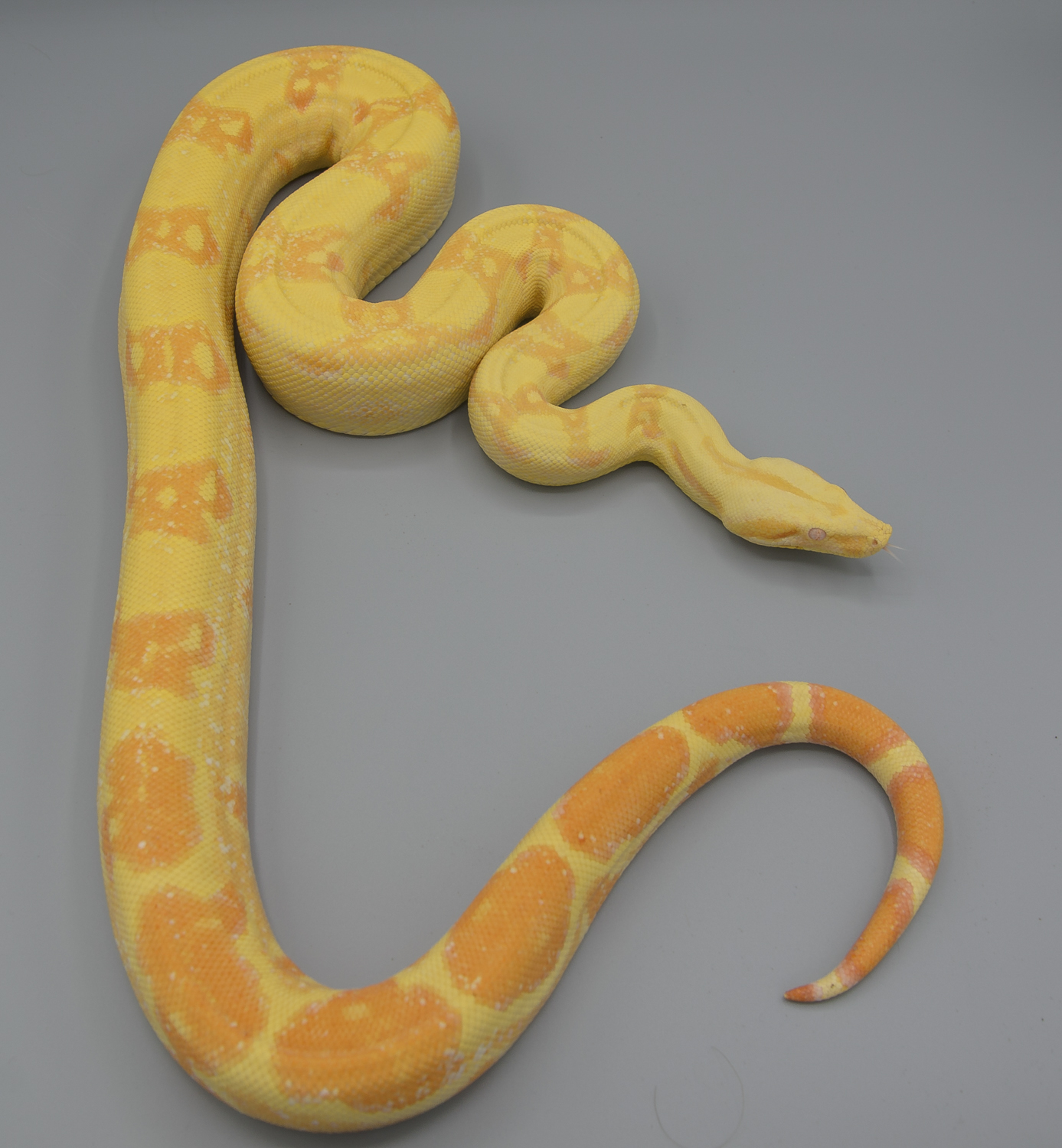 2020, Crush
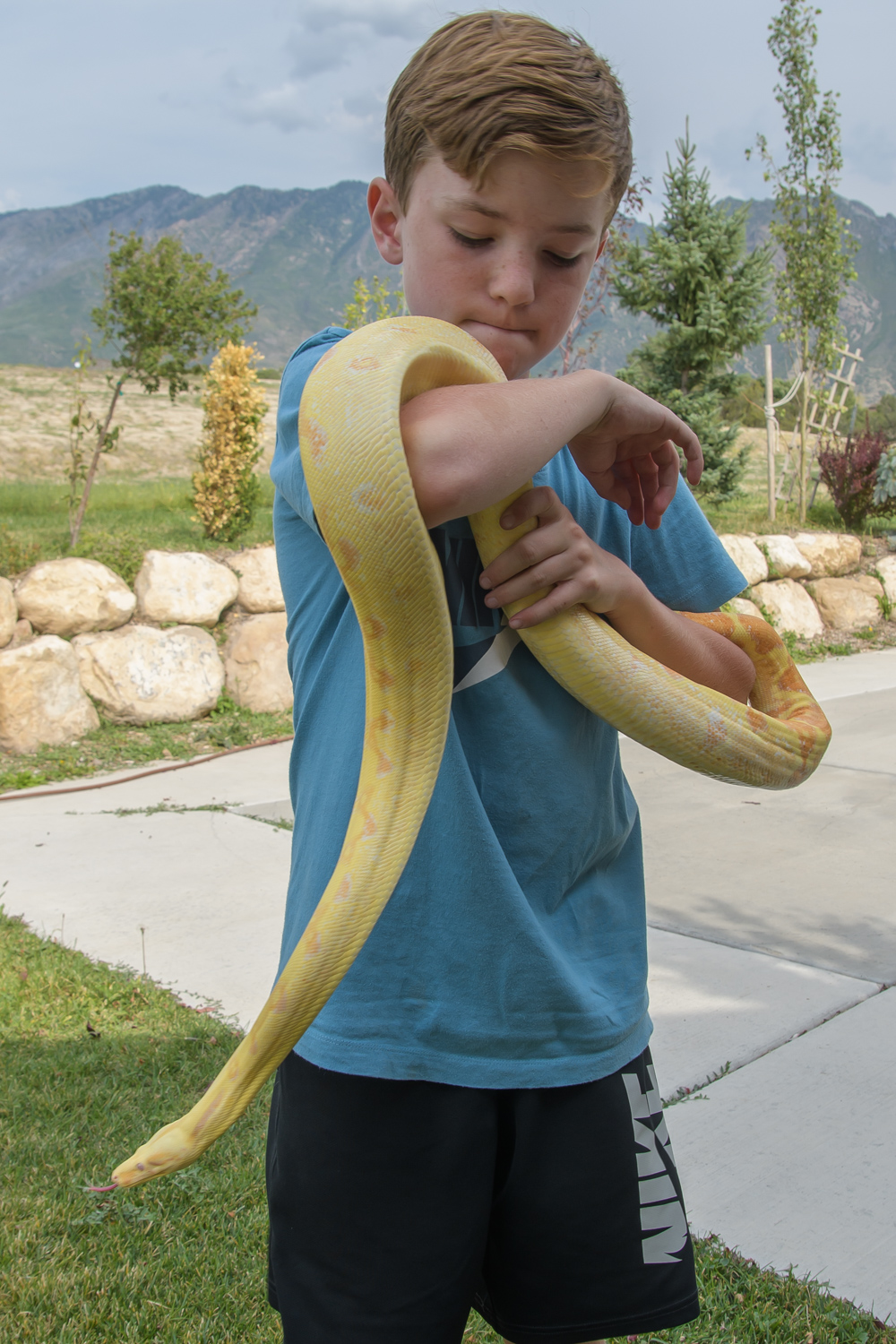 2021, Crush
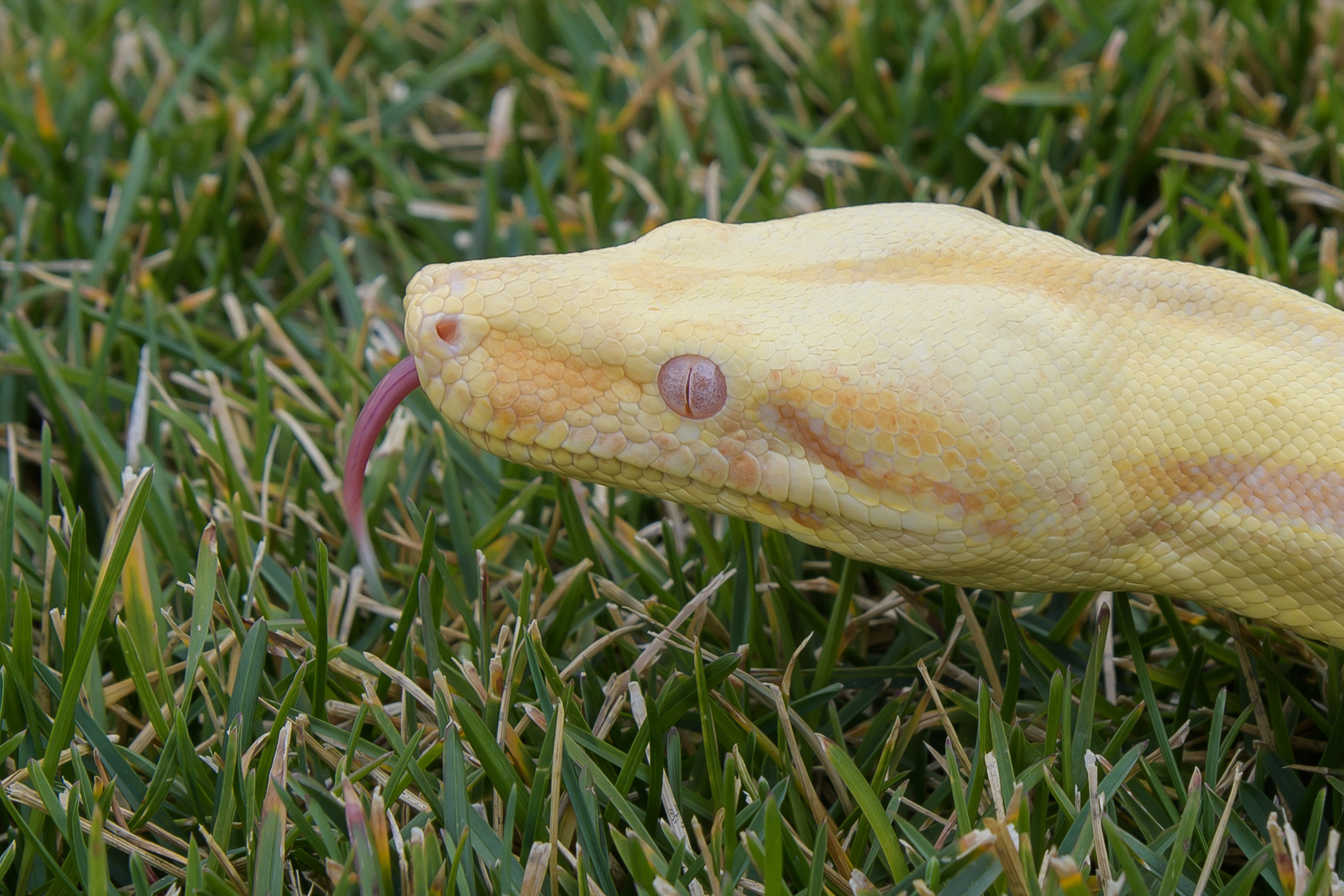 2021, Crush
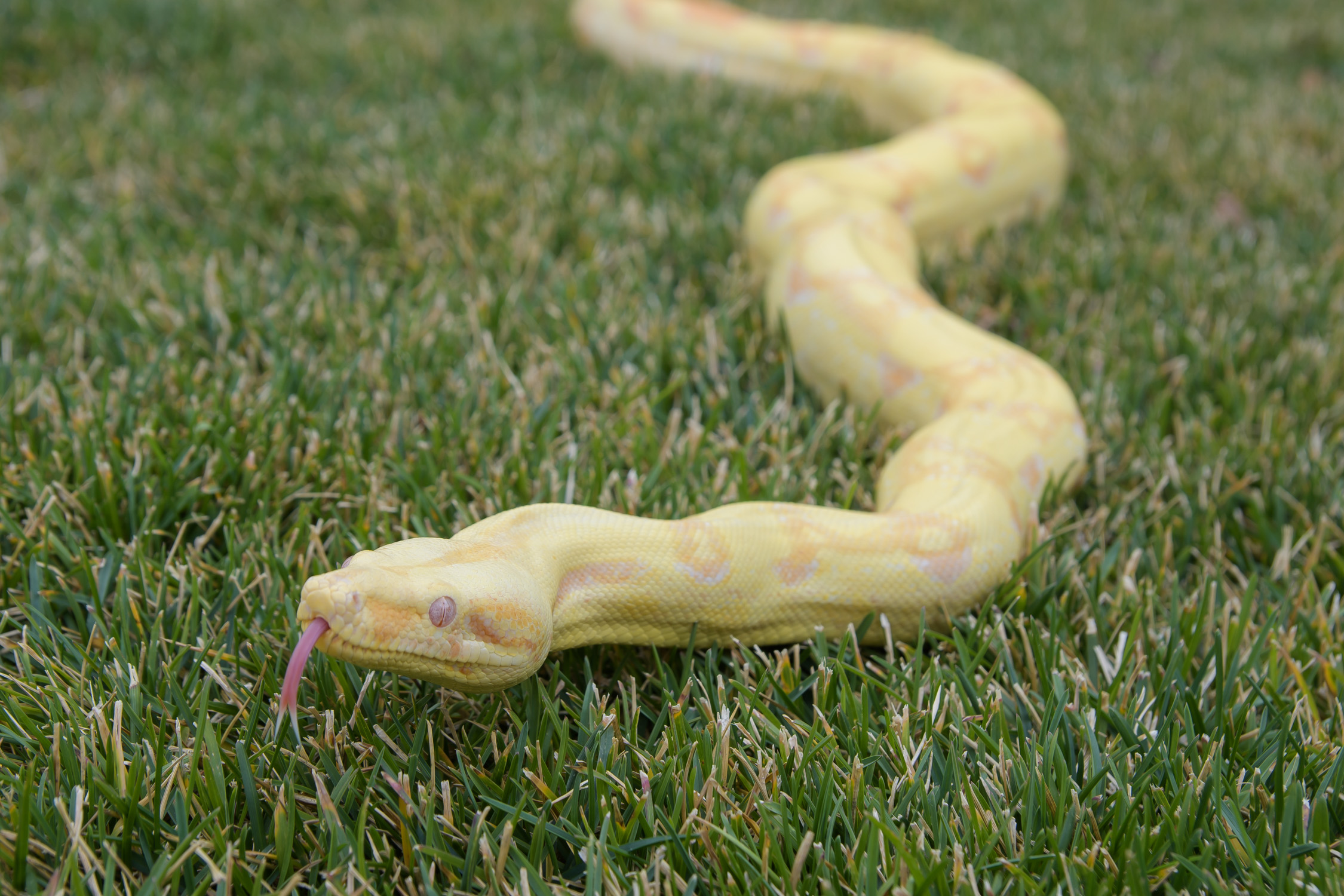 2021, Crush
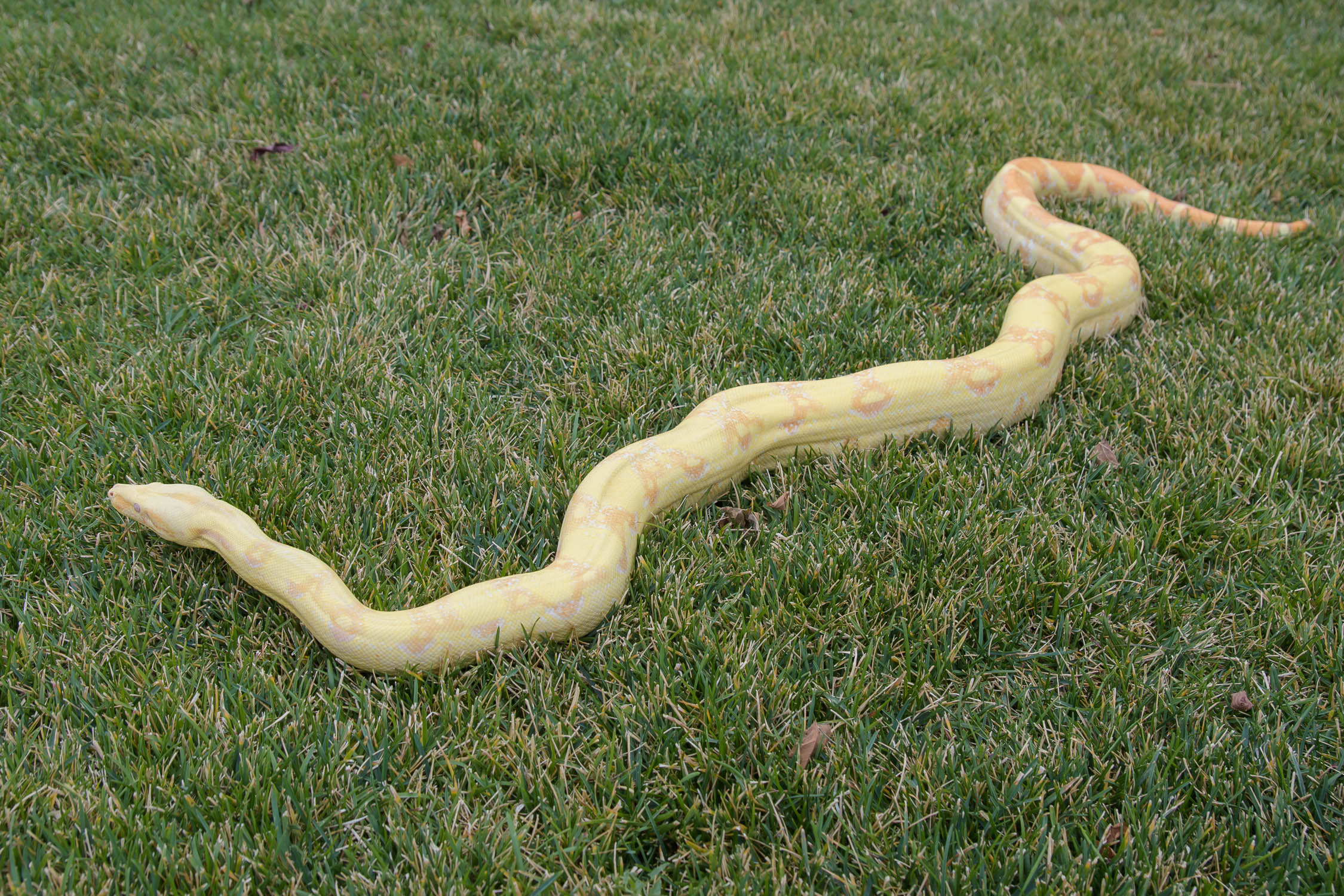 2021, Crush
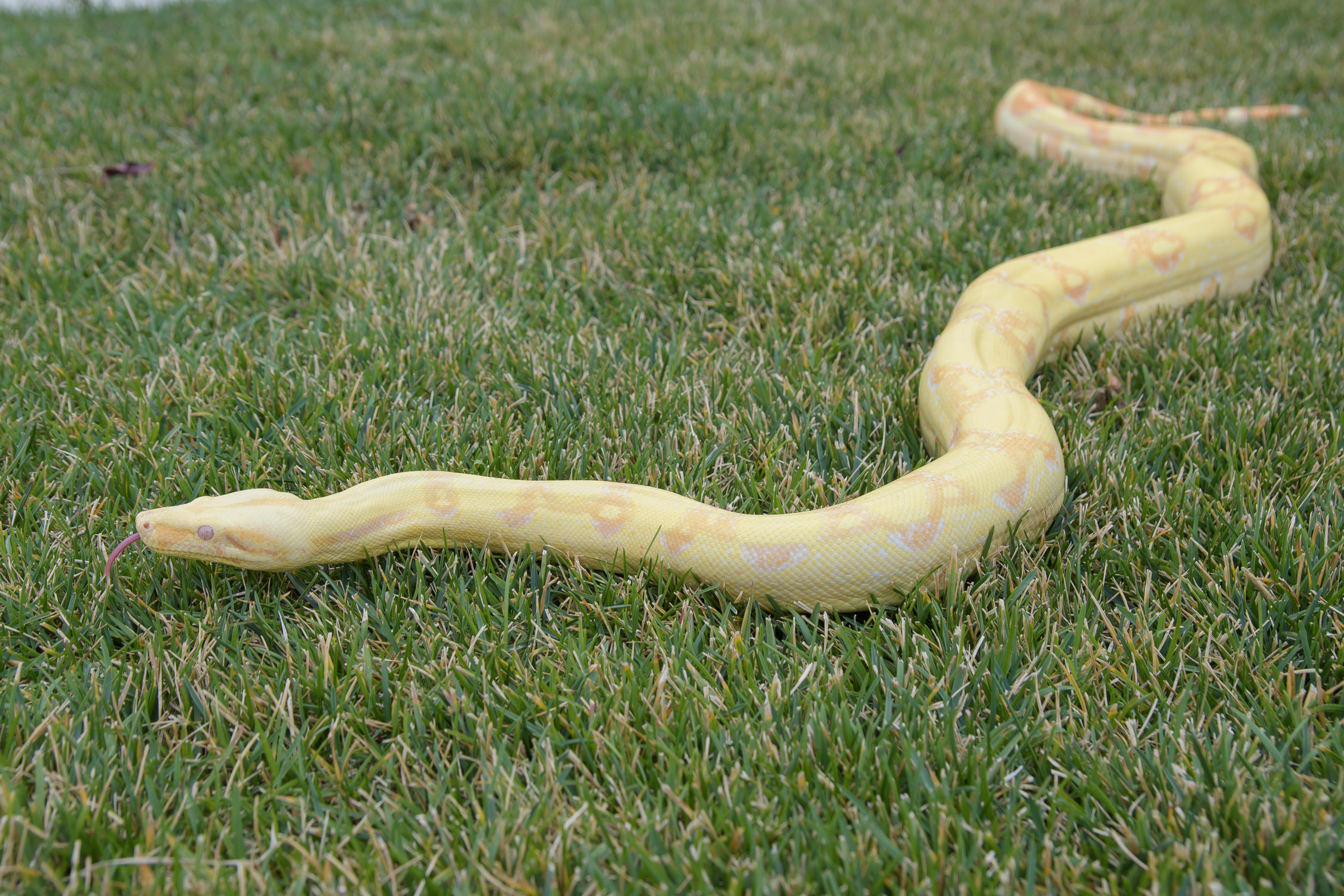 2021, Crush
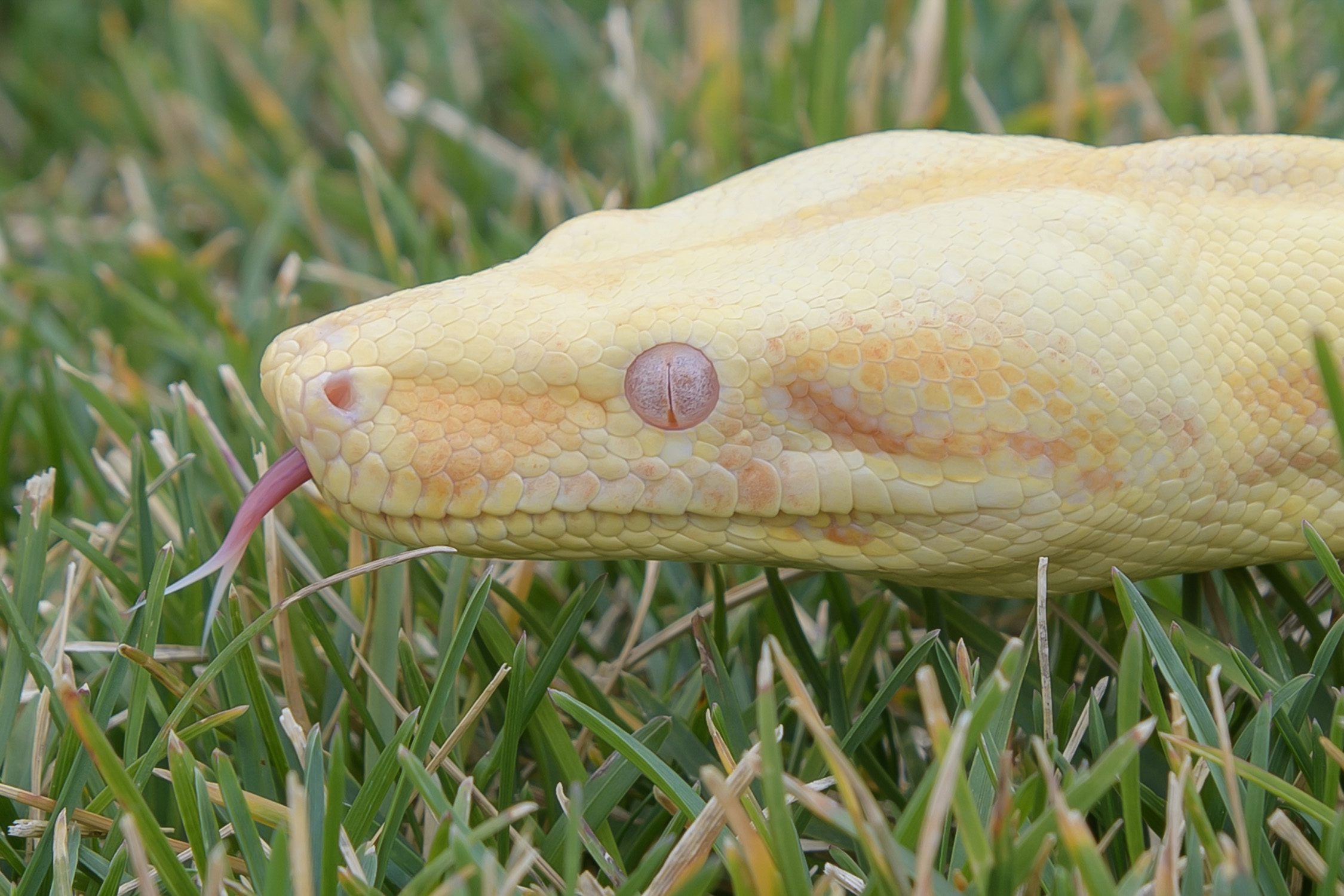 2021, Crush
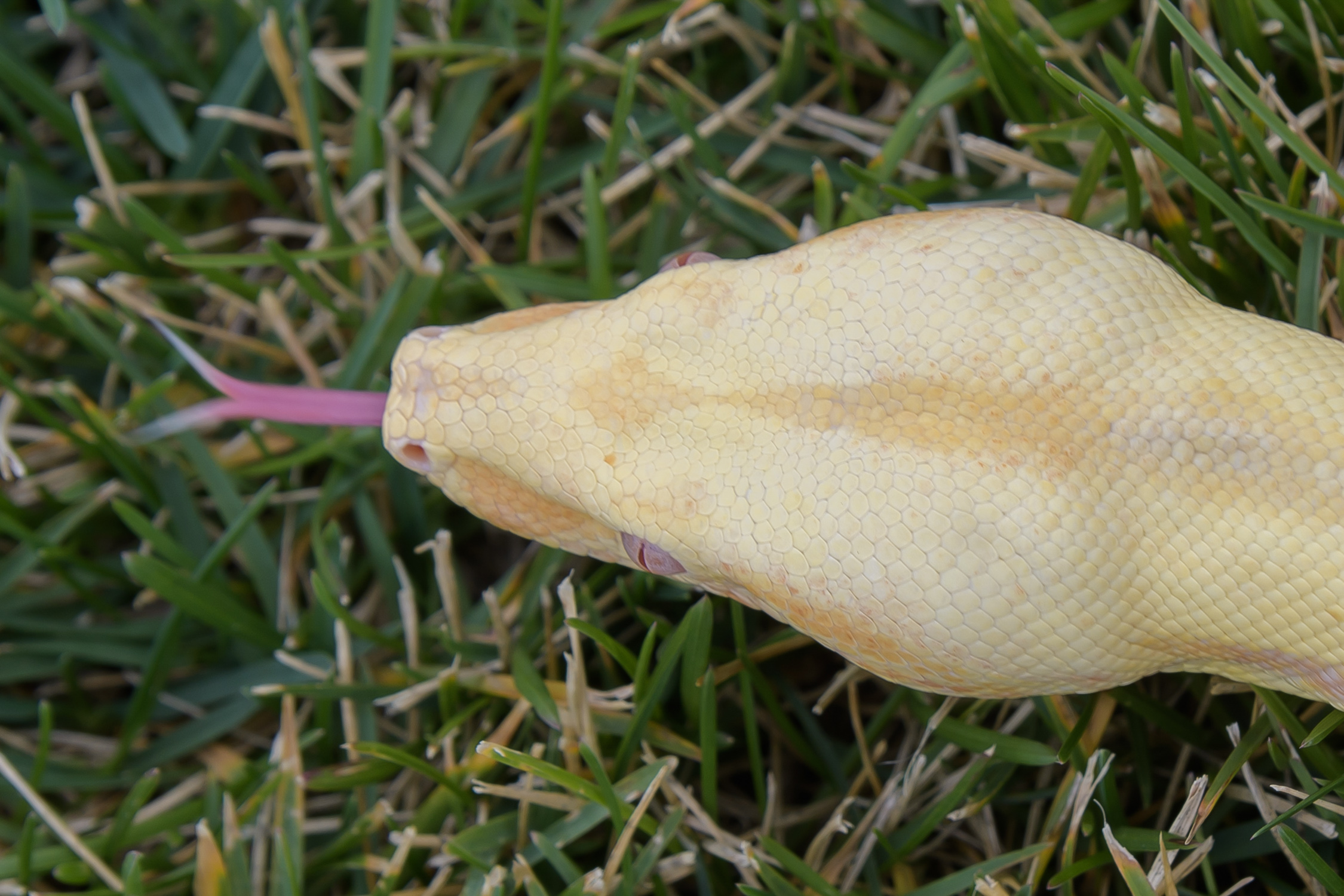 2021, Crush
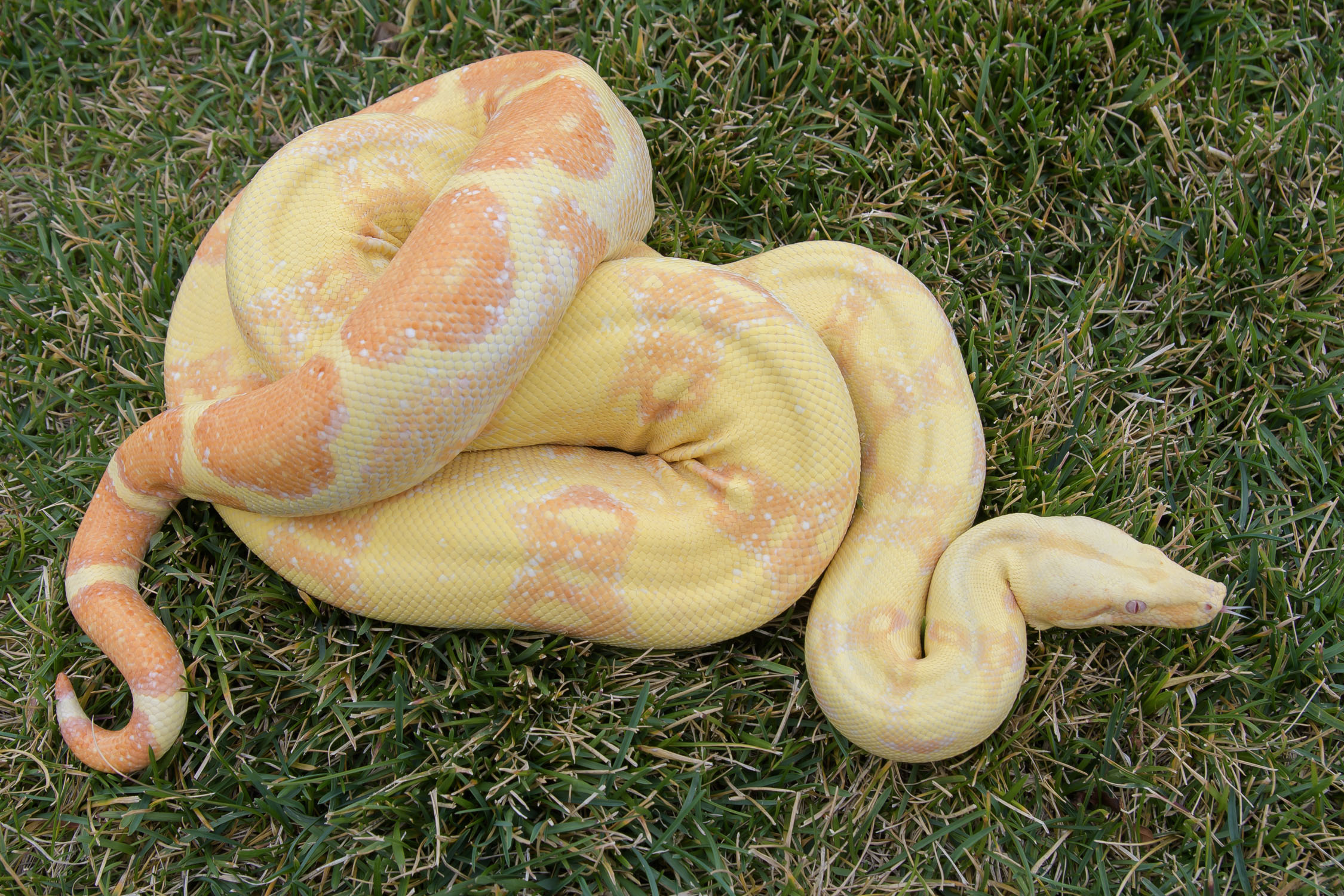 2021, Crush
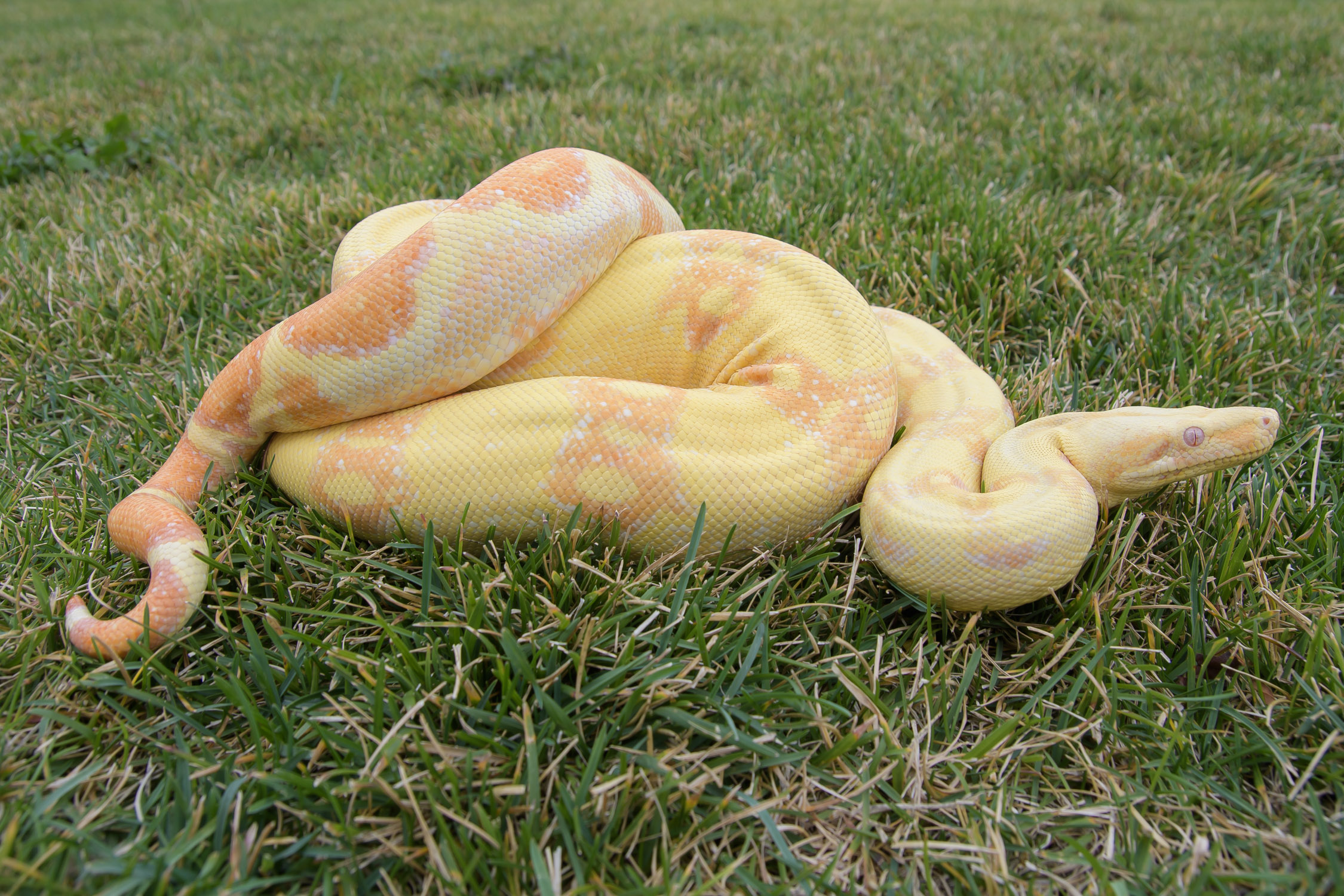 2021, Crush
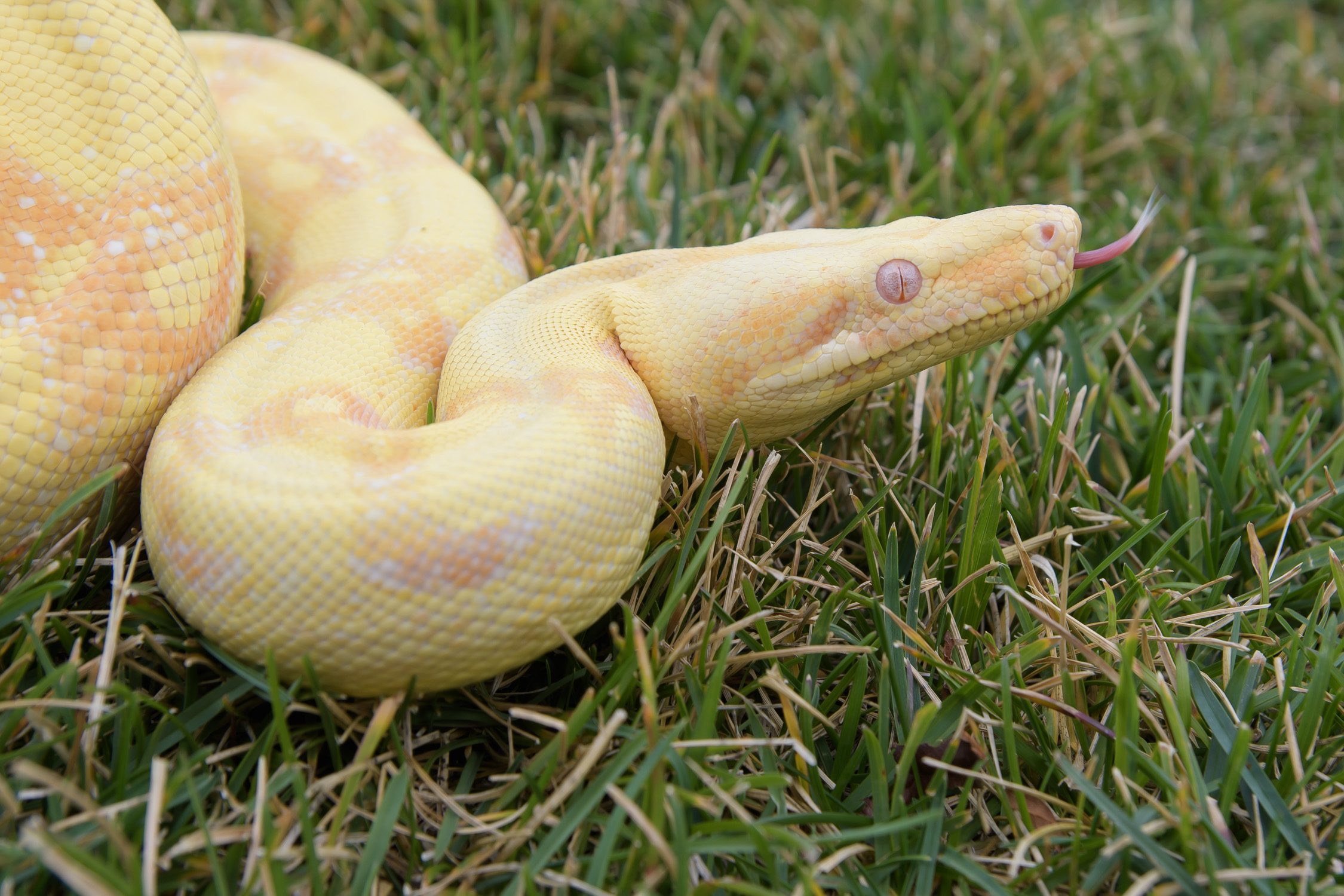 2021, Crush
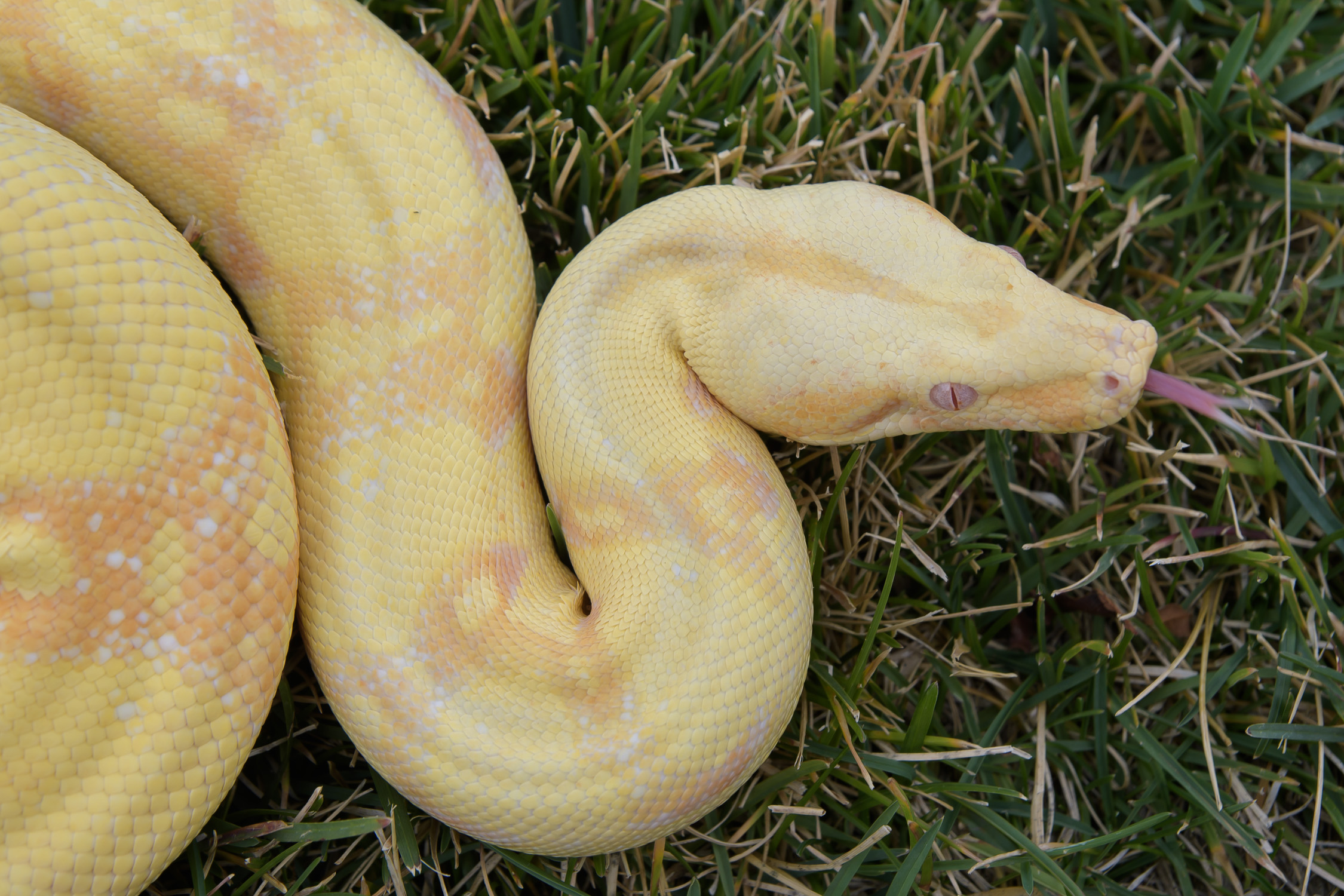 2021, Crush
- 2021, Crush
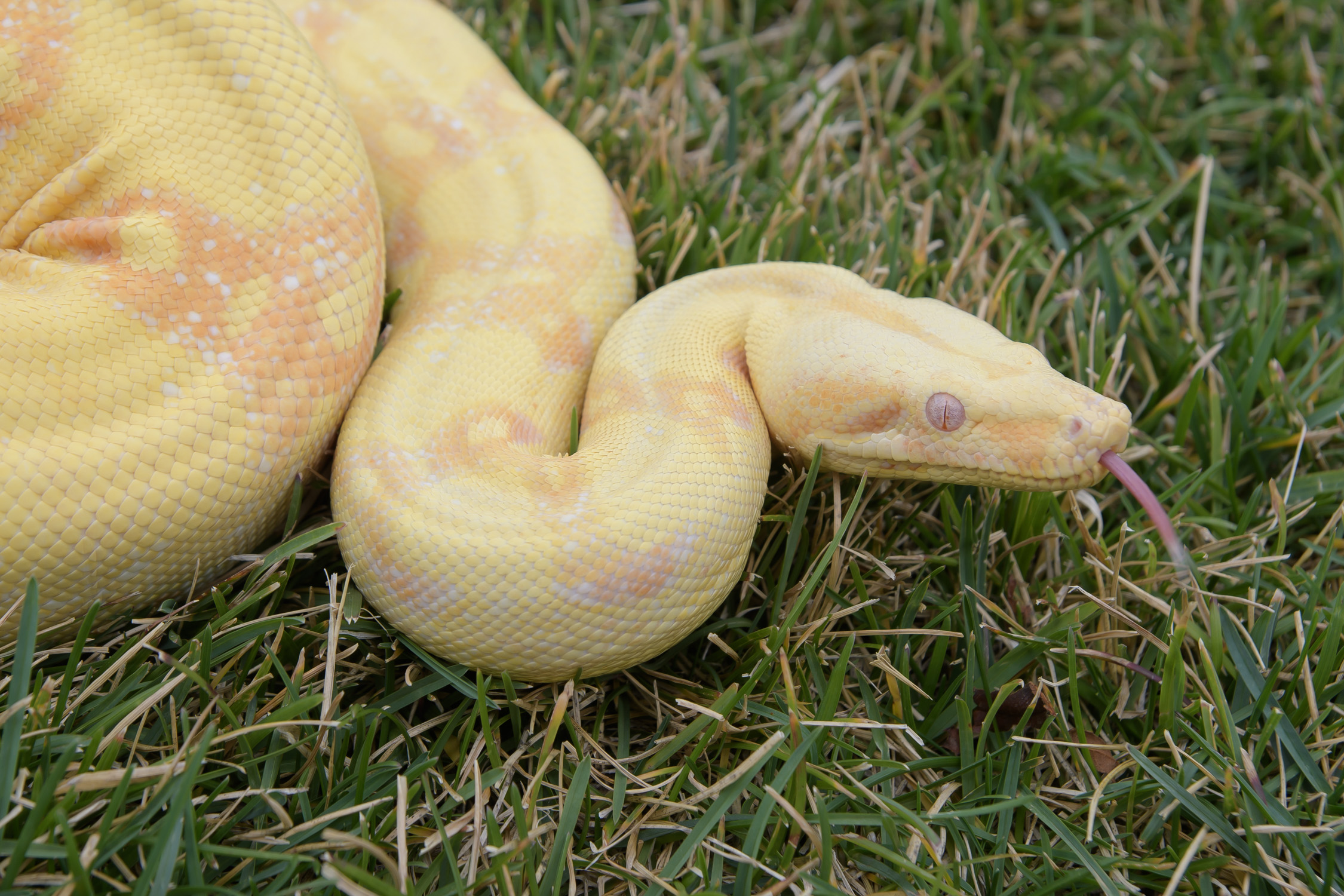 2021, Crush
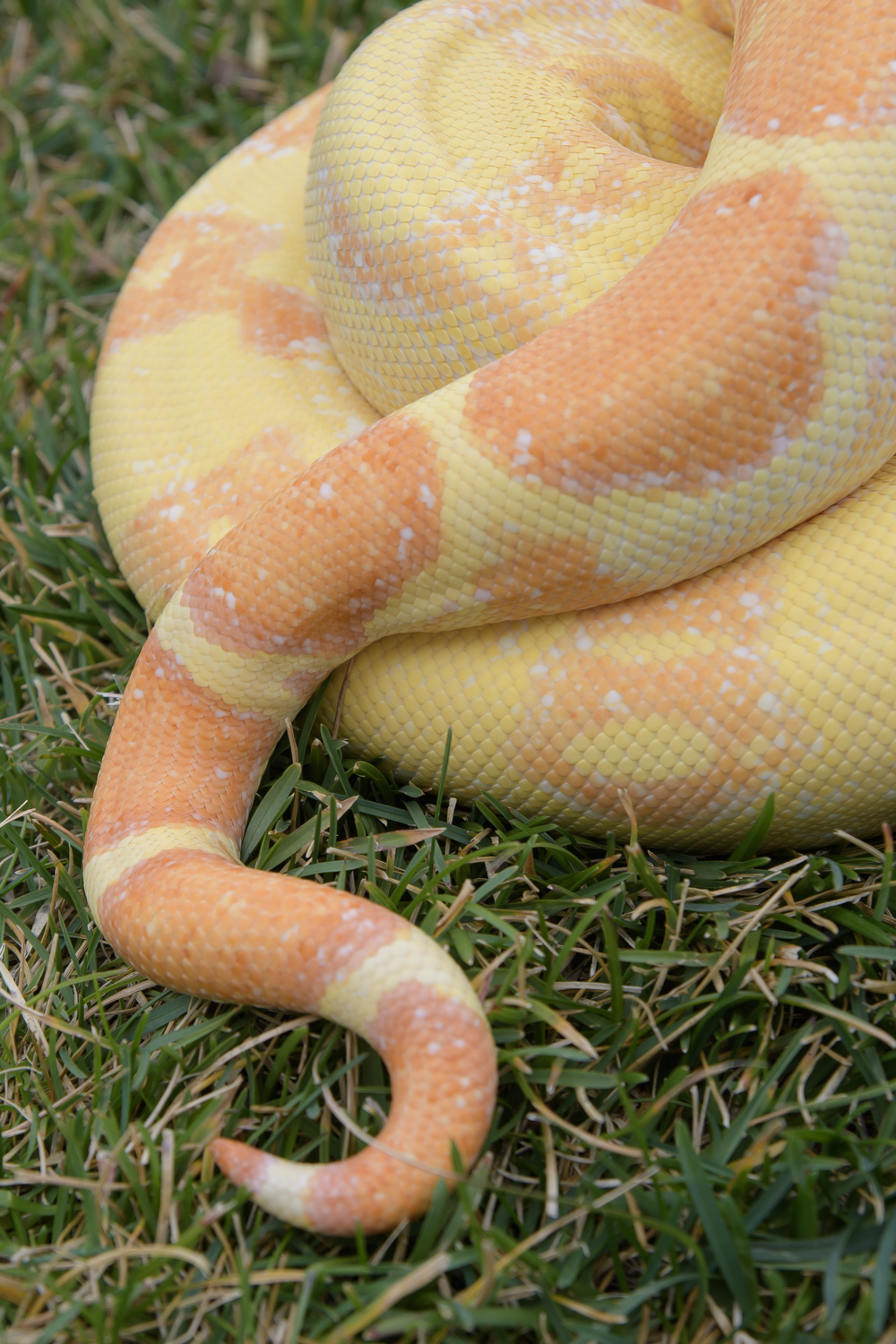 2021, Crush
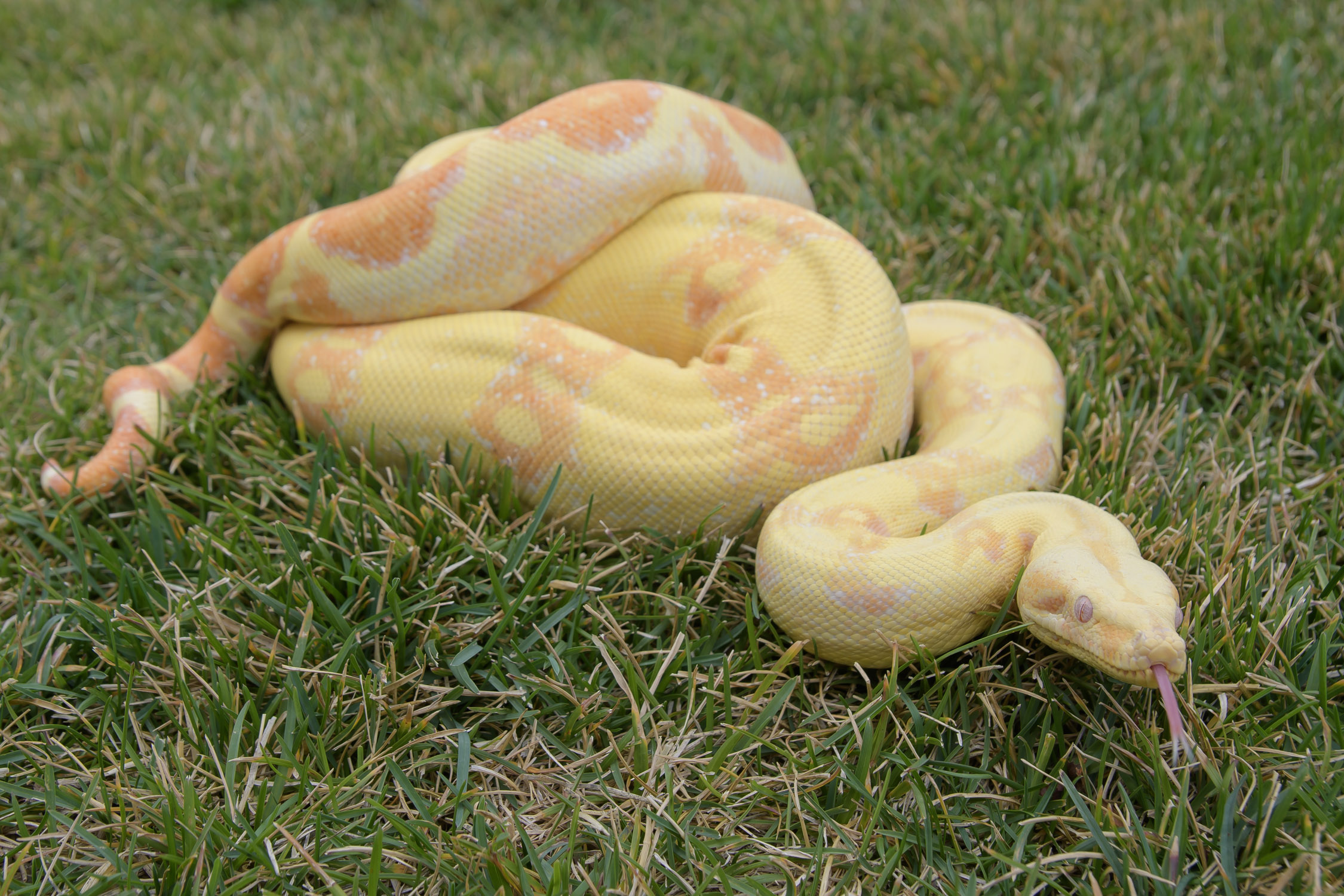 2021, Crush
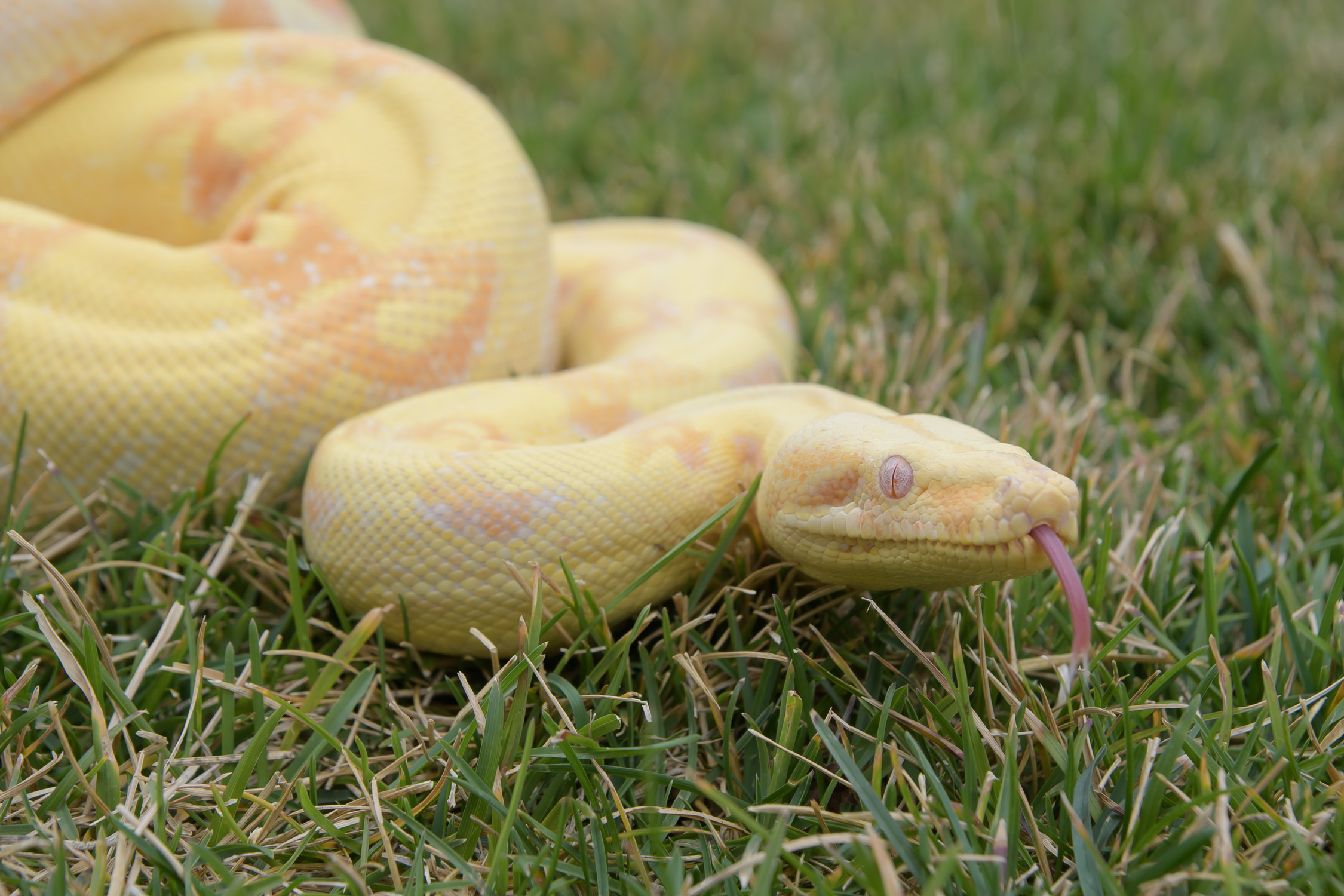 2021, Crush
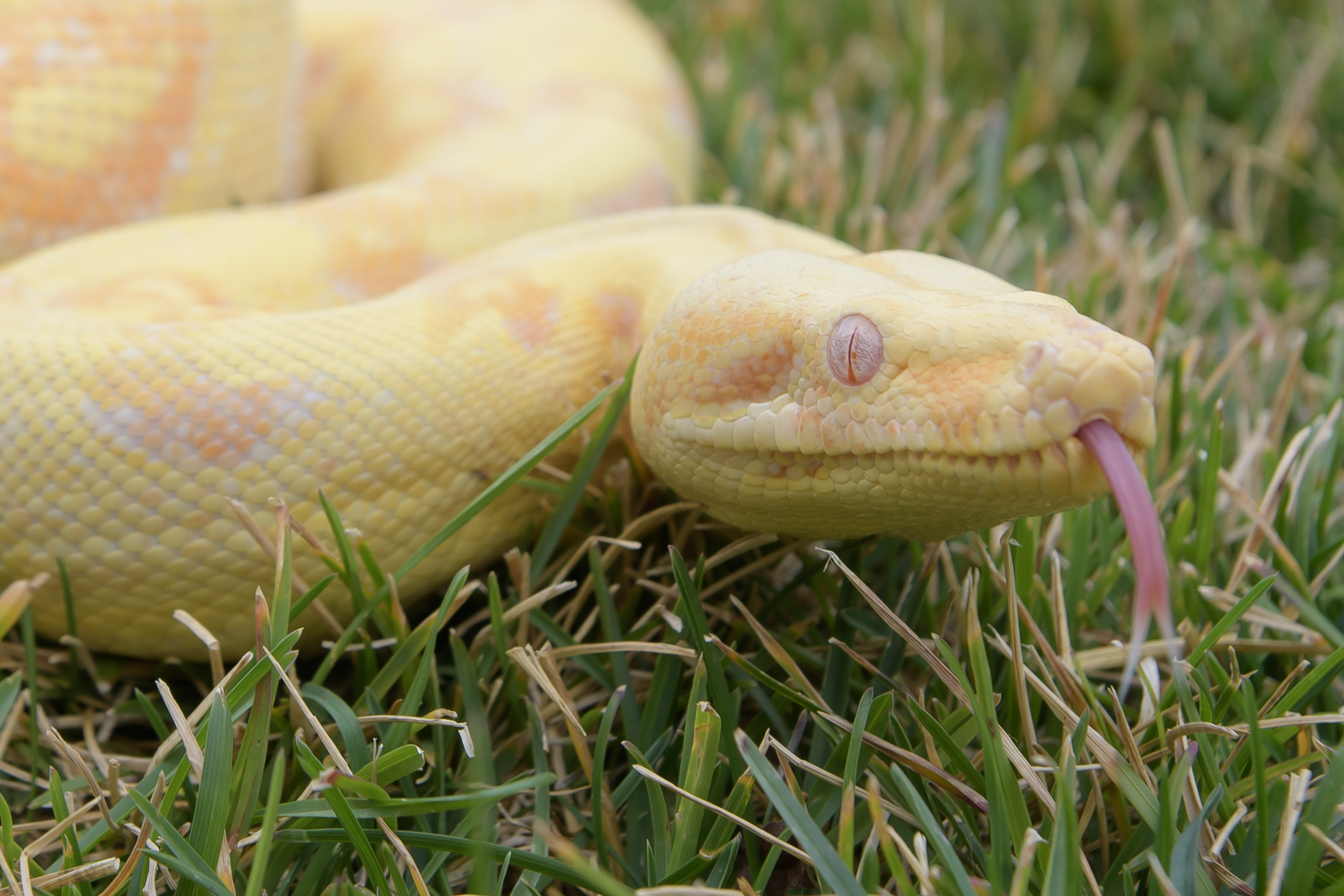 2021, Crush
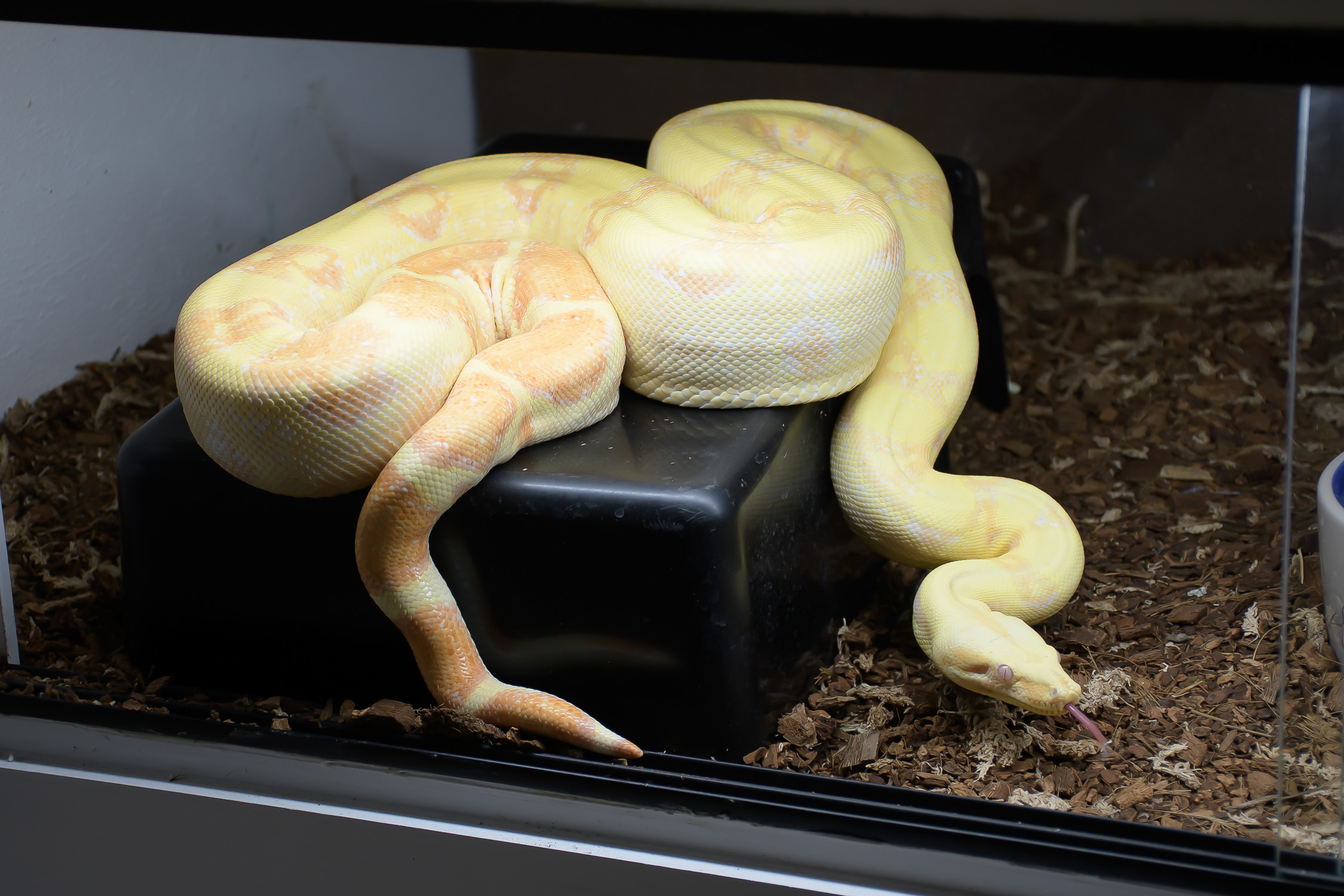 2022, Crush
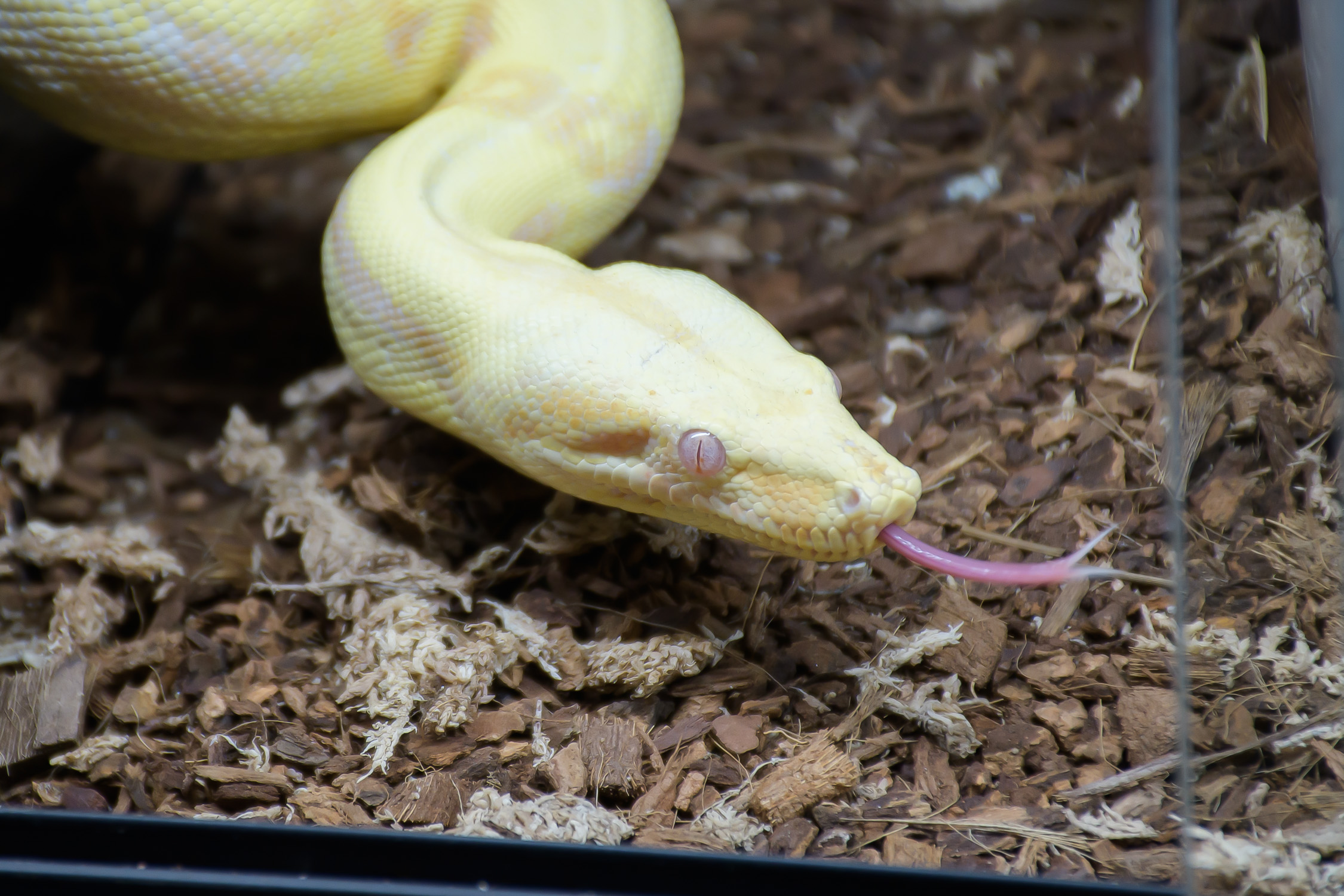 2022, Crush
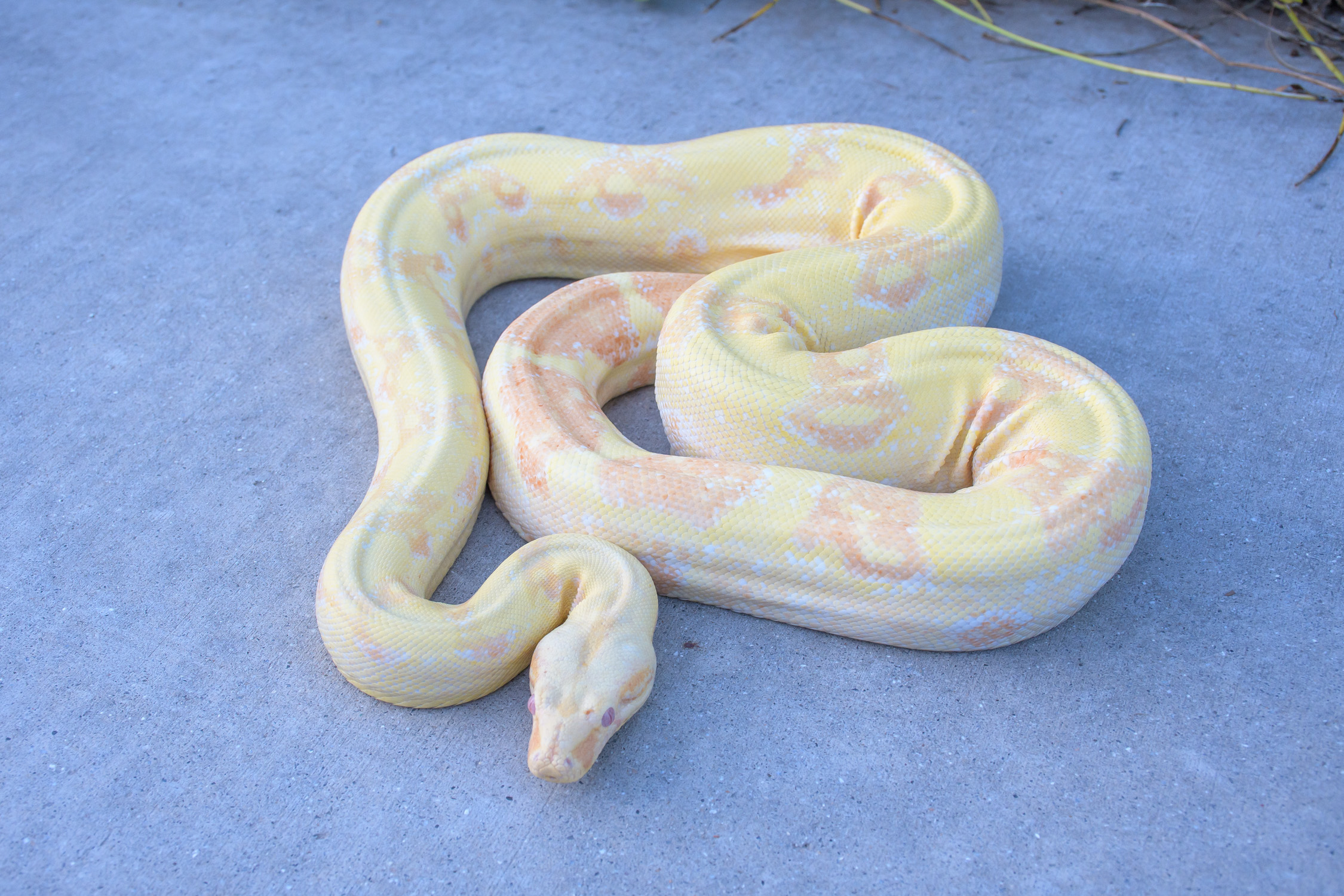 2025, Crush
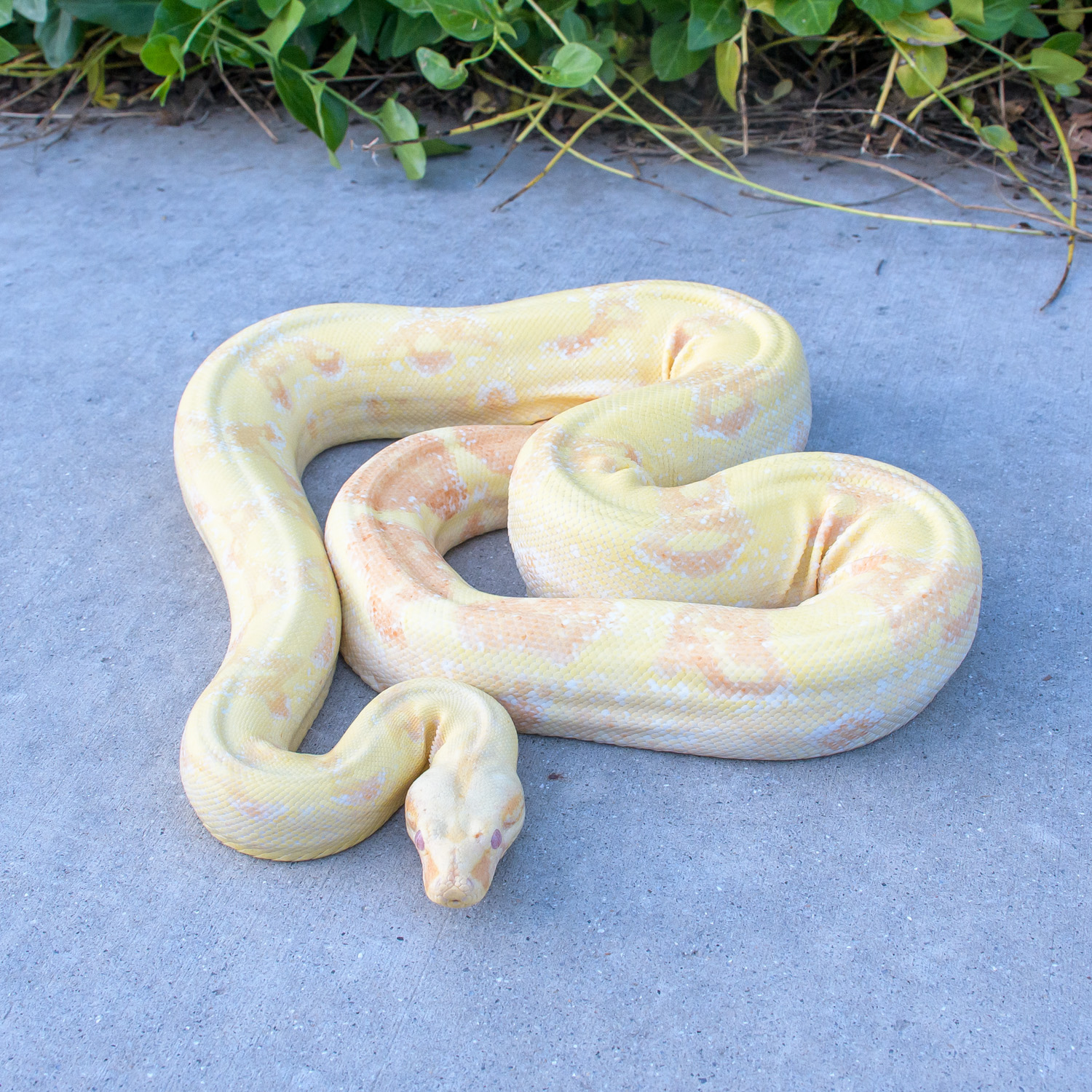 2025, Crush
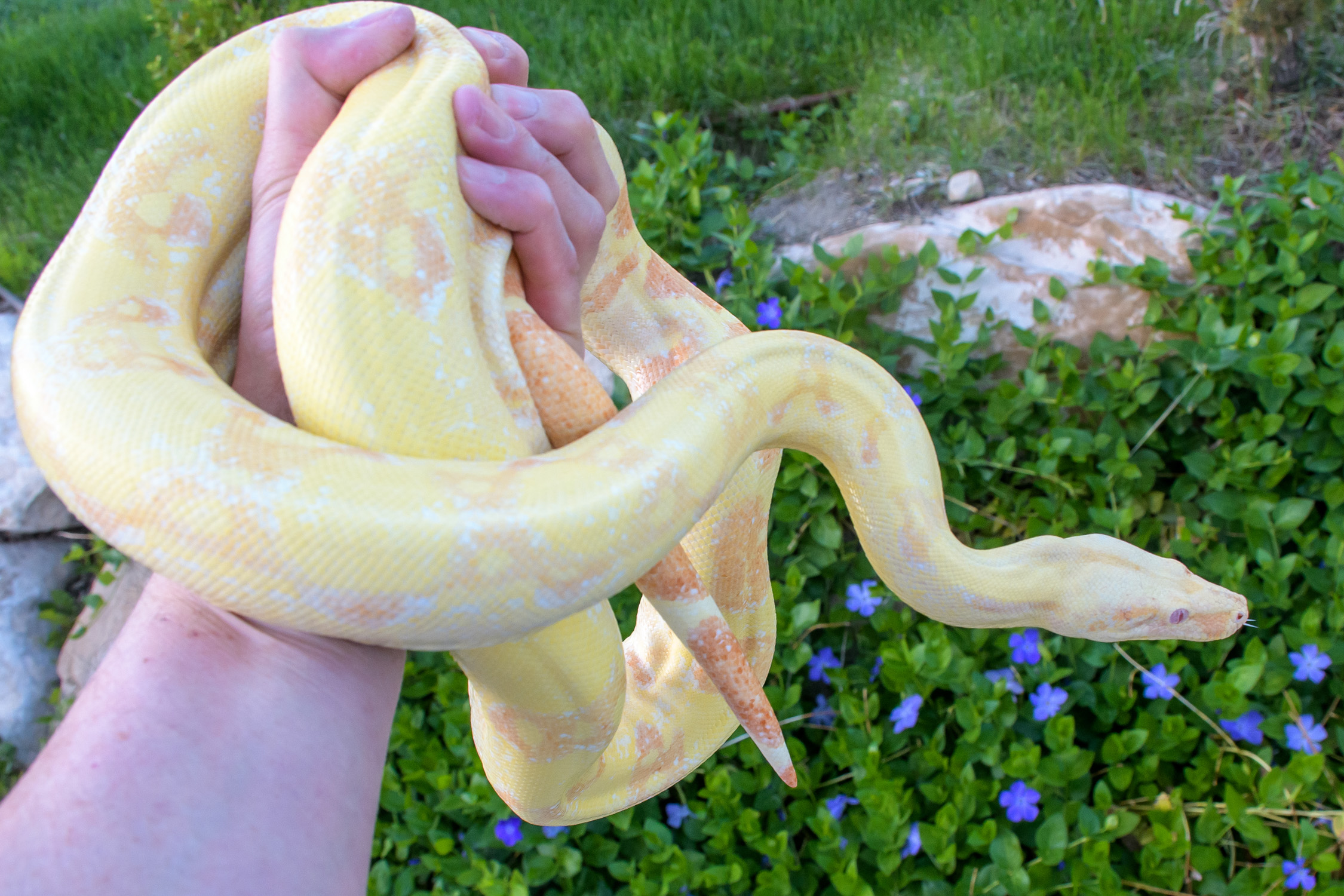 2025, Crush
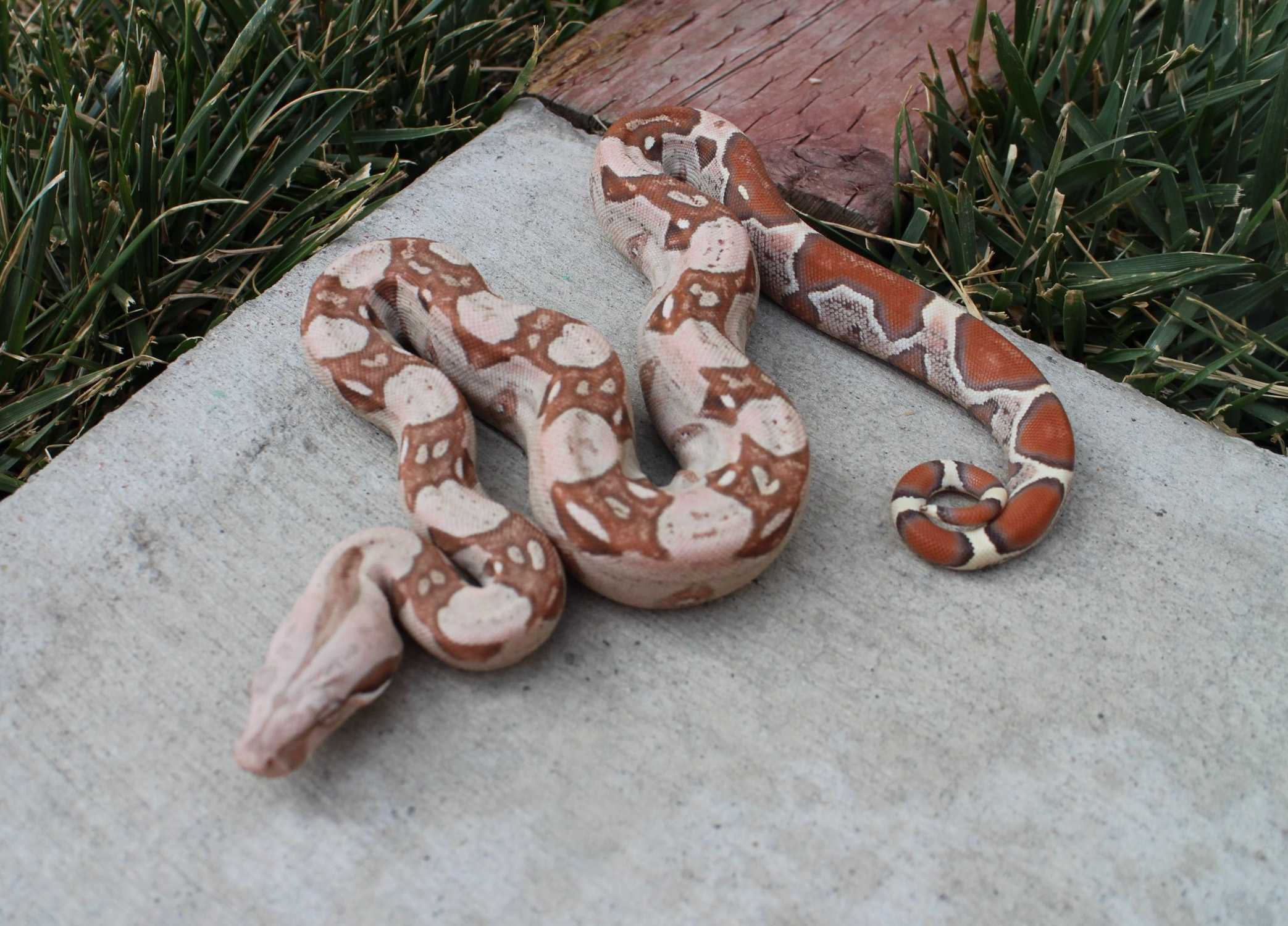 RC Pastel Jungle female, pic from breeder in 2022
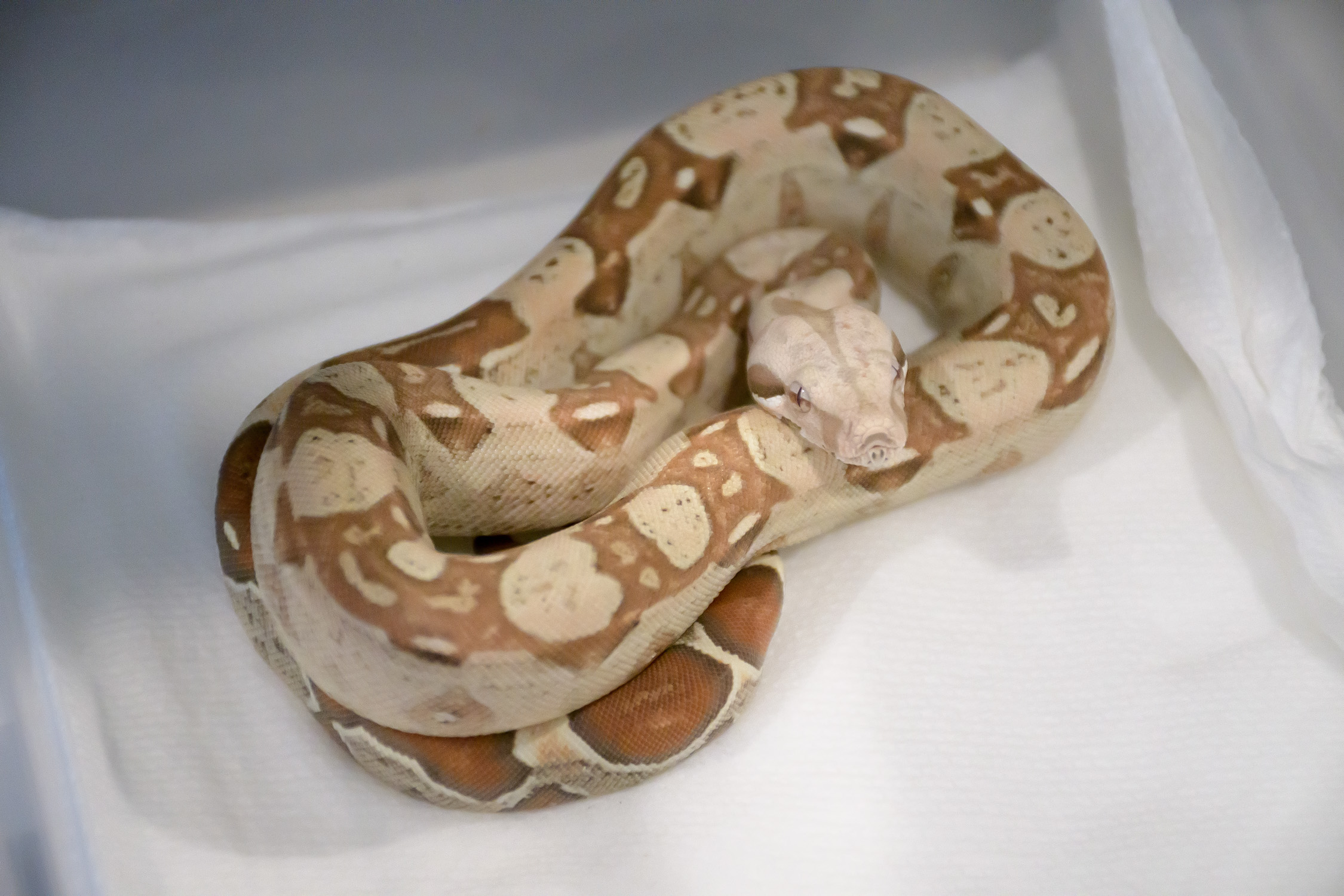 2022, Raven
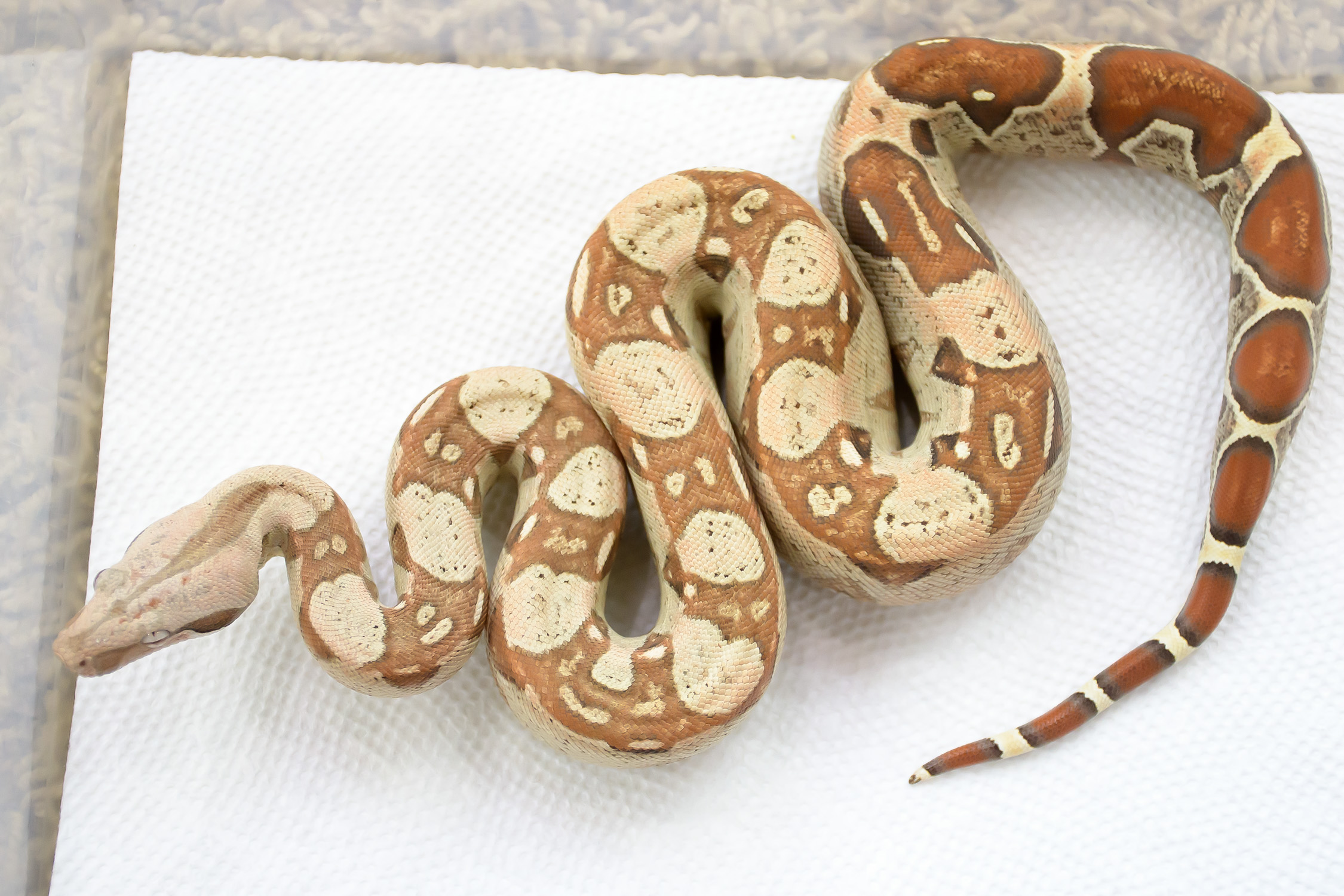 2022, Raven
- 2022, Raven
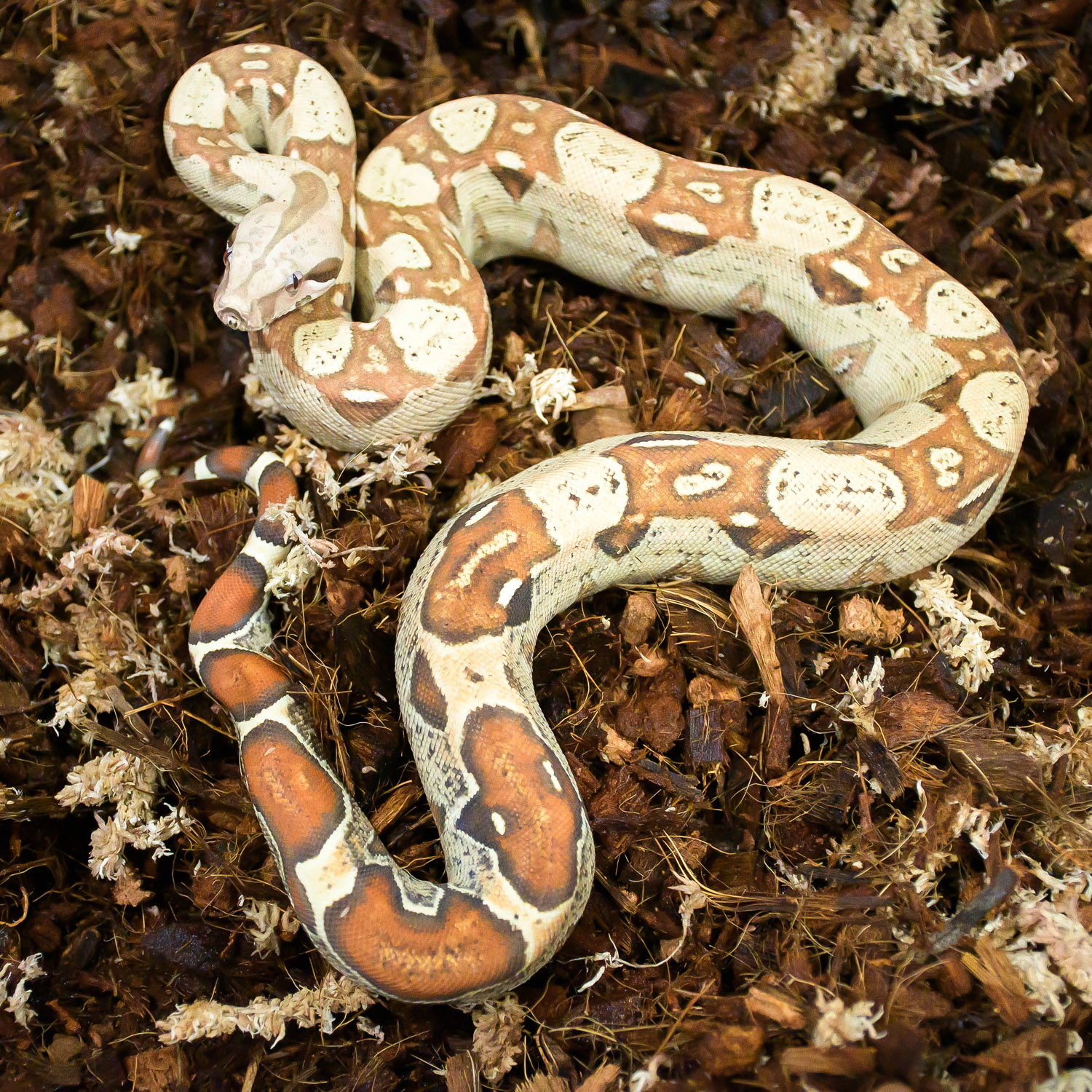 2023, Raven
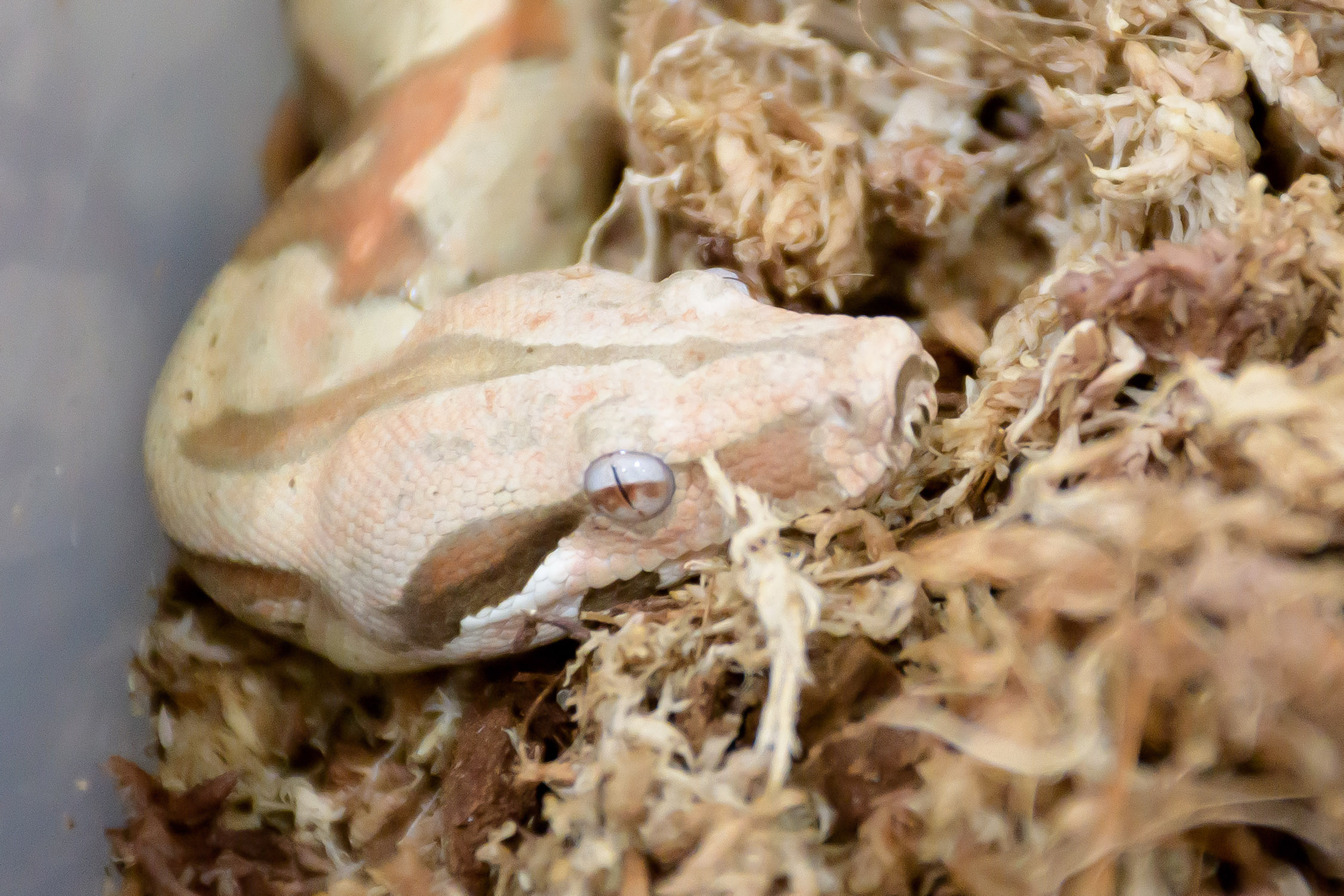 2023, Raven
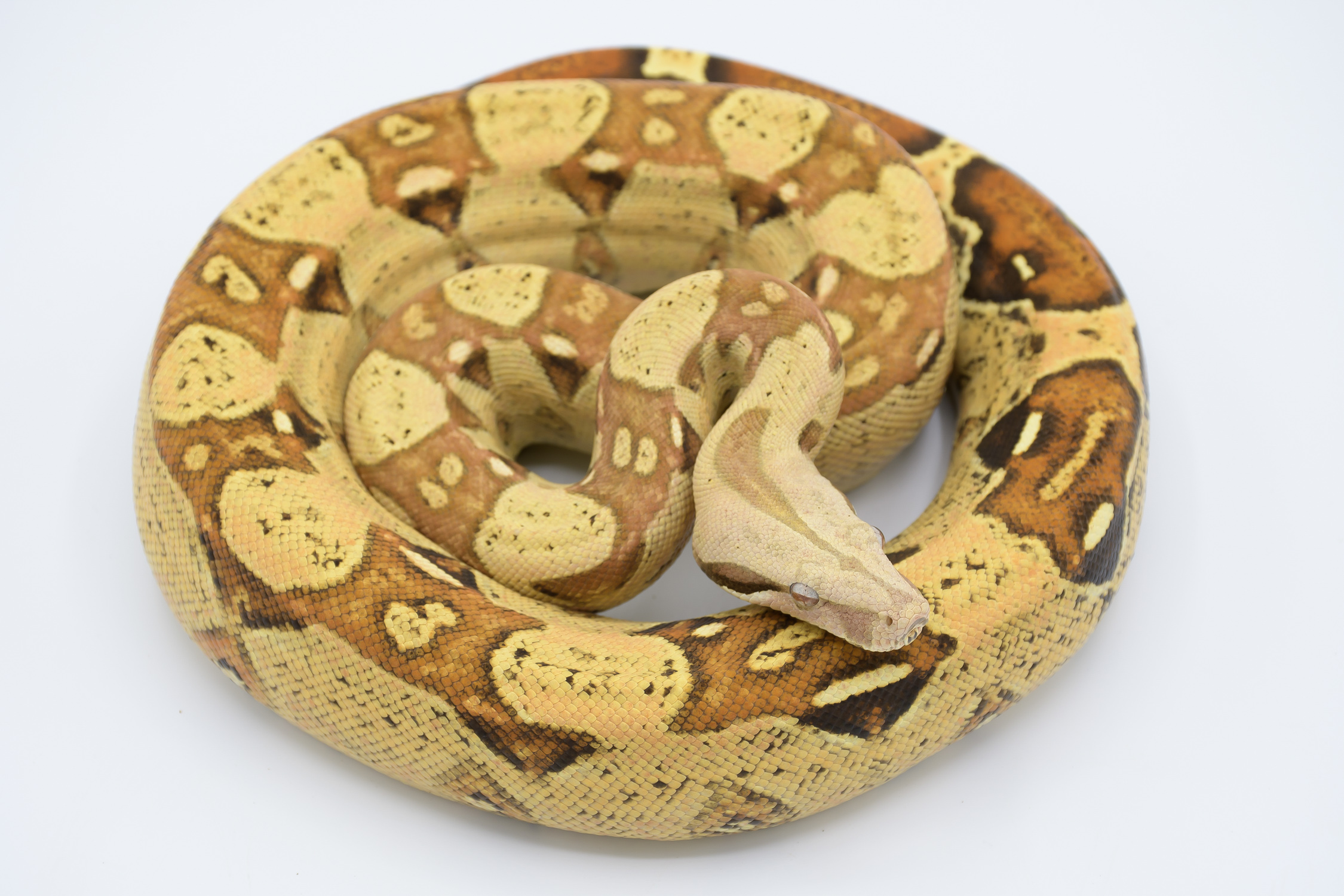 2024, Raven
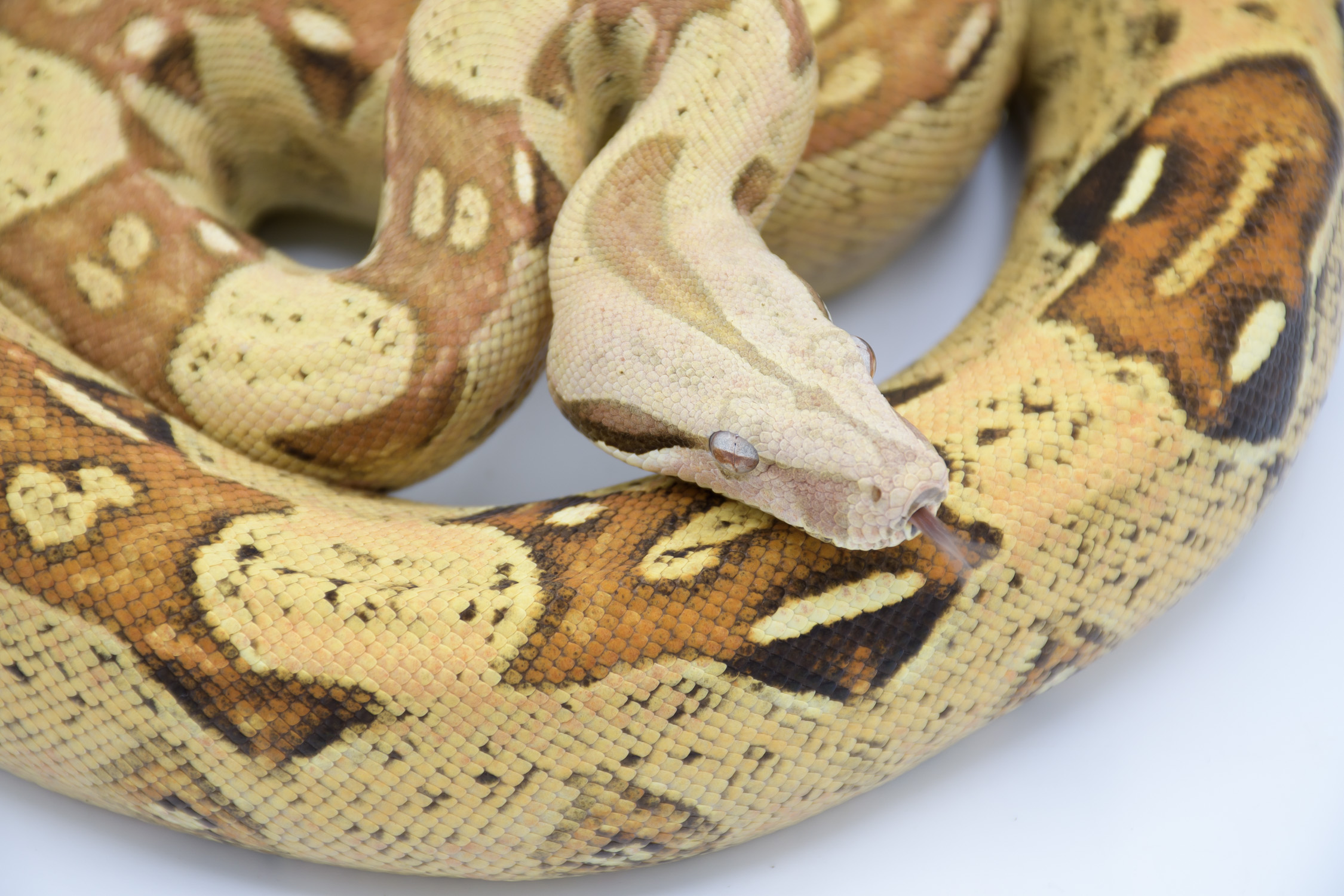 2024, Raven
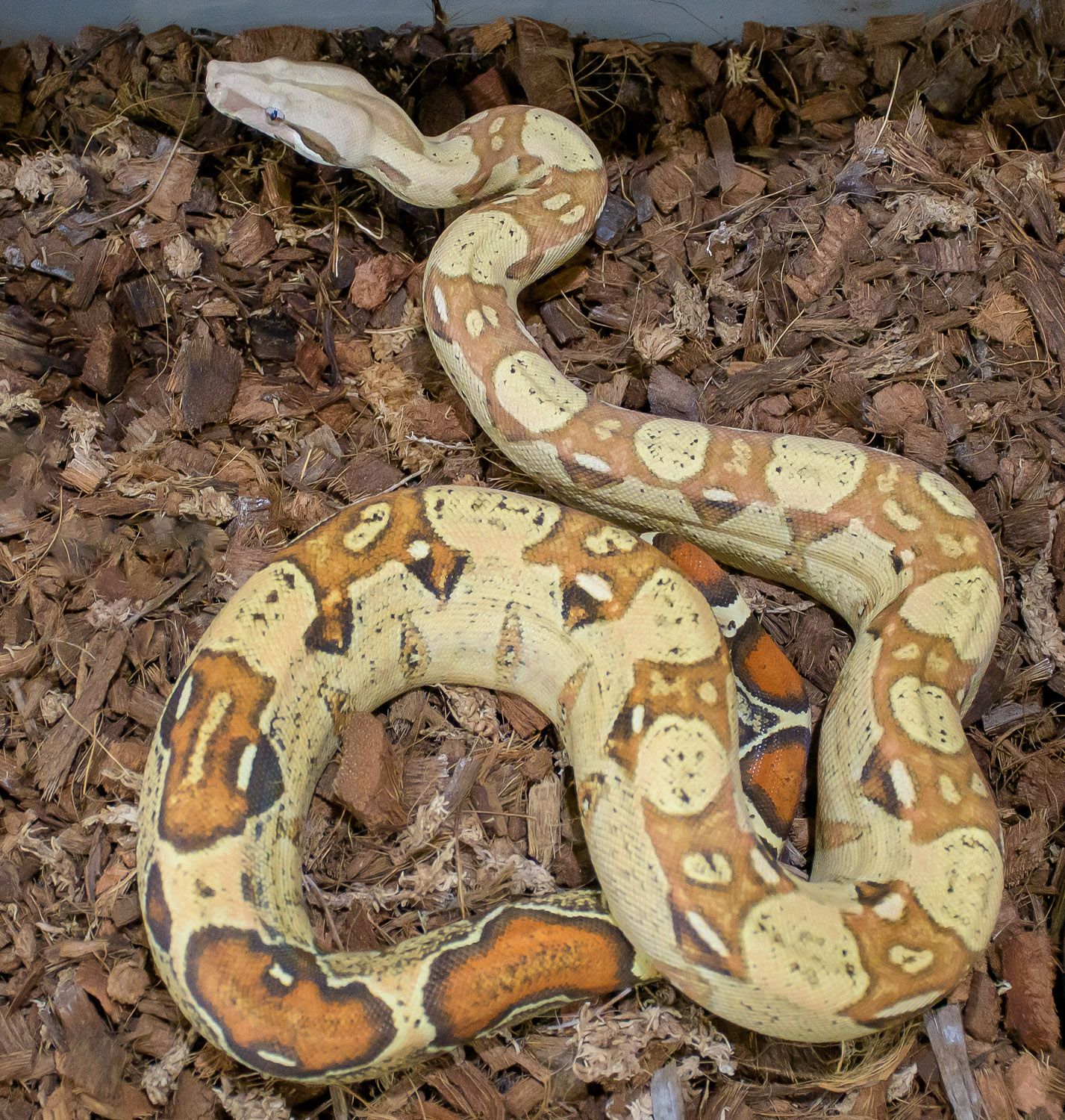 2024, Raven
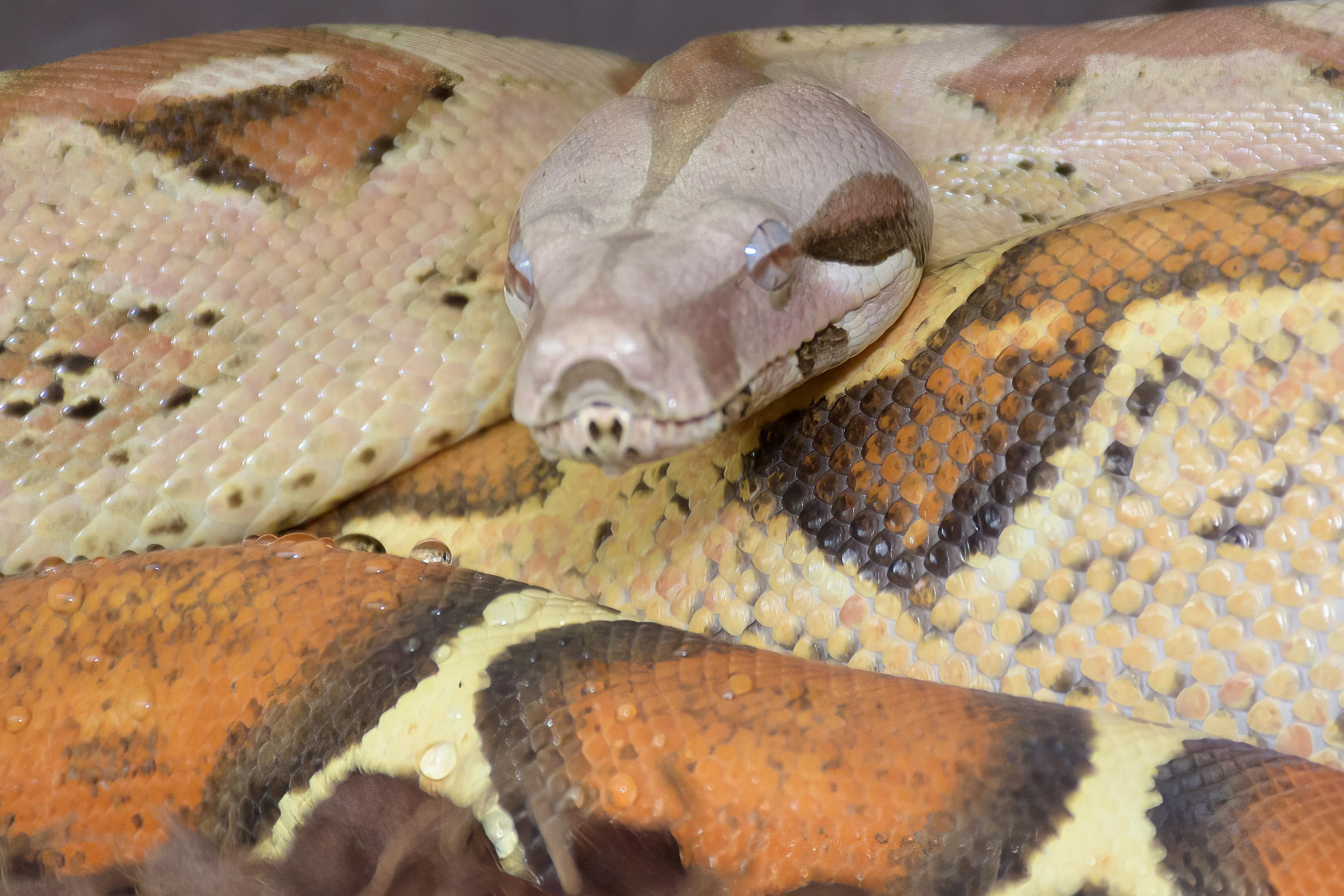 2025, Raven
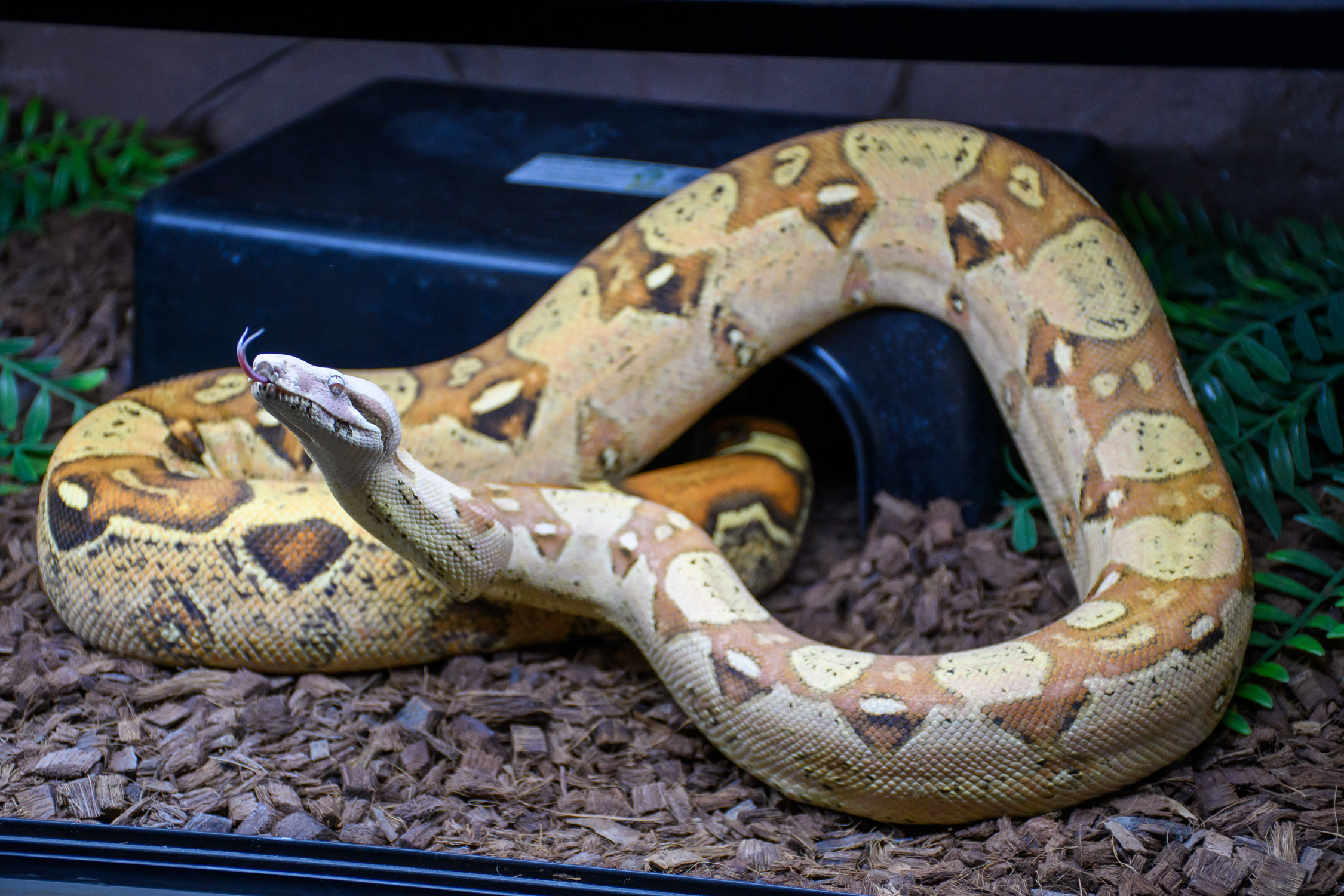 2025, Raven
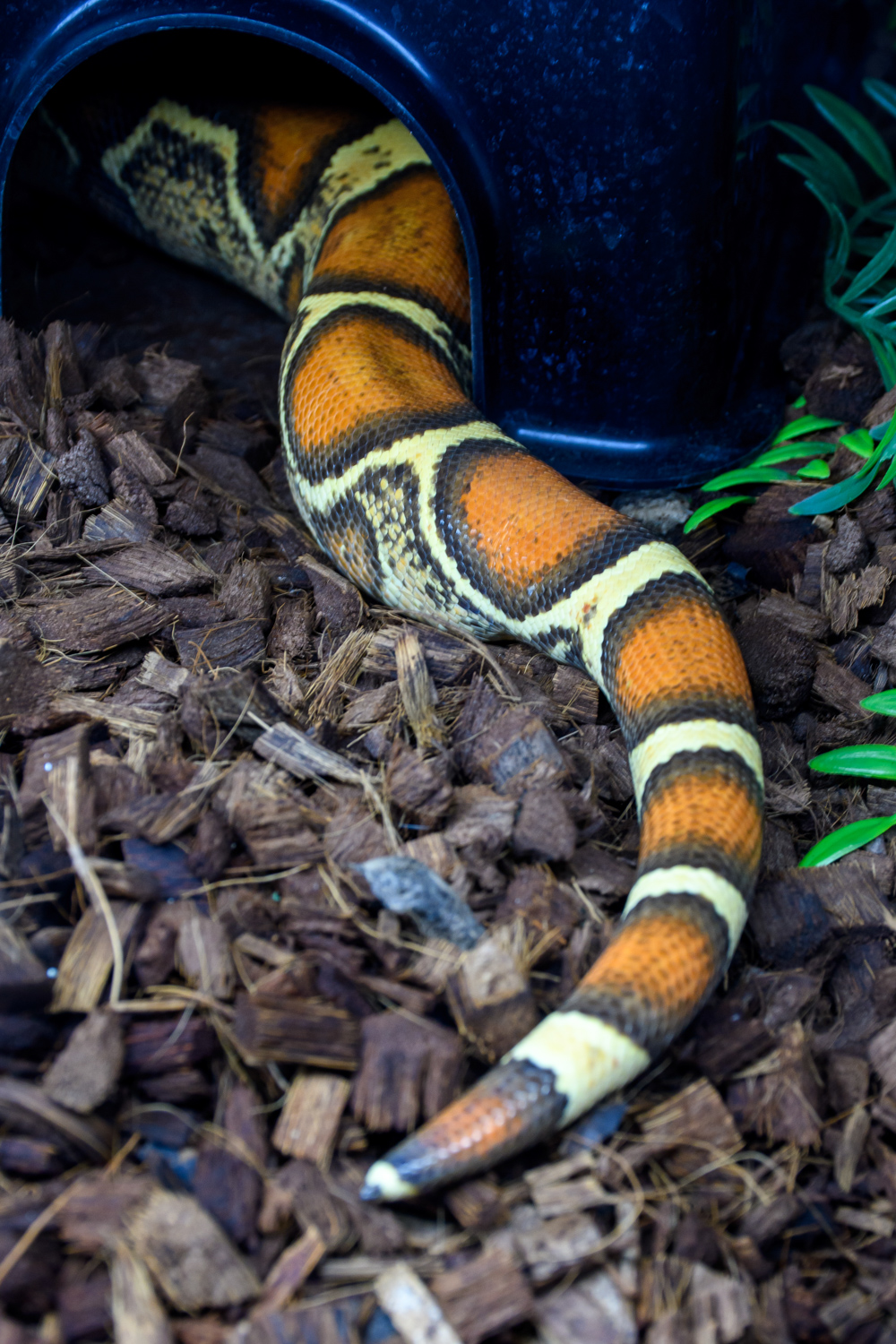 2025, Raven
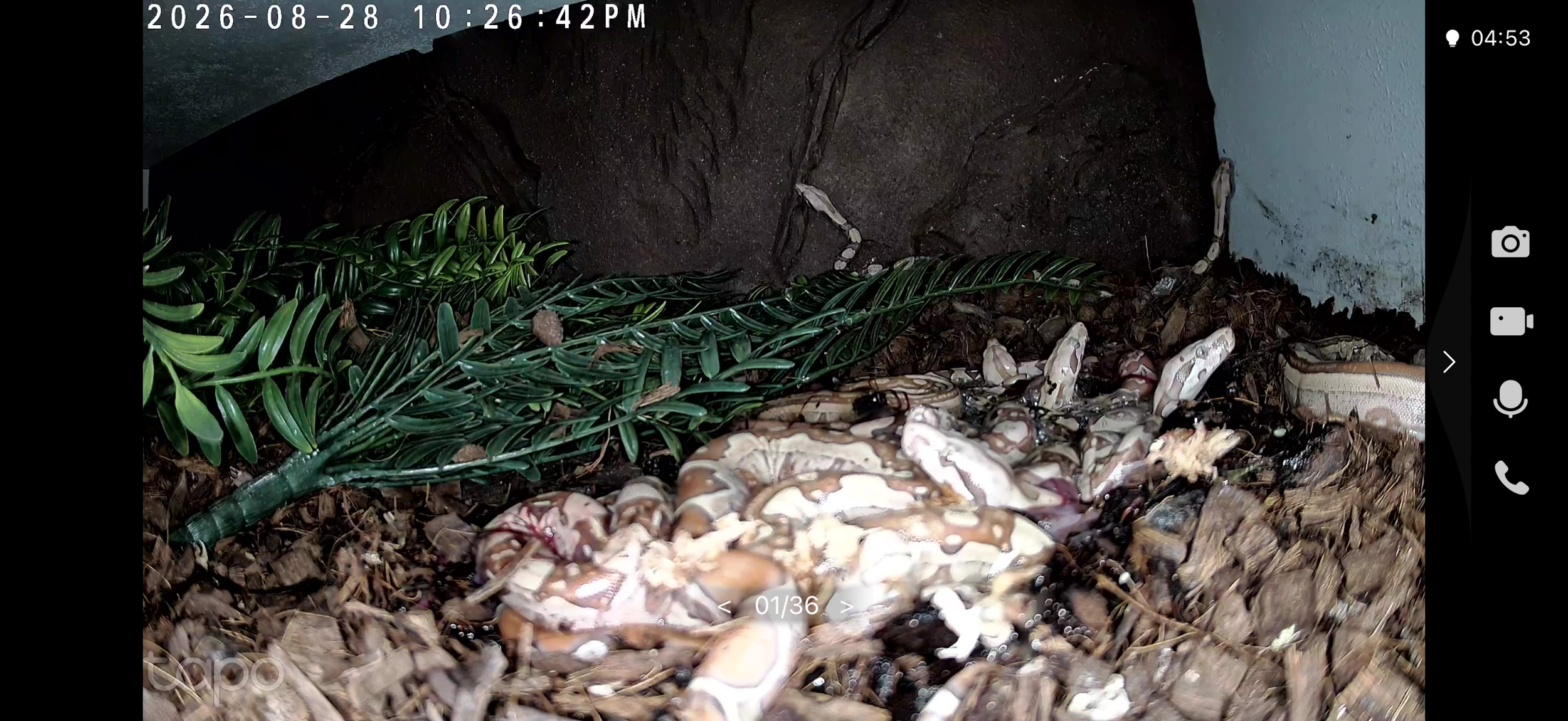 2026 Litter
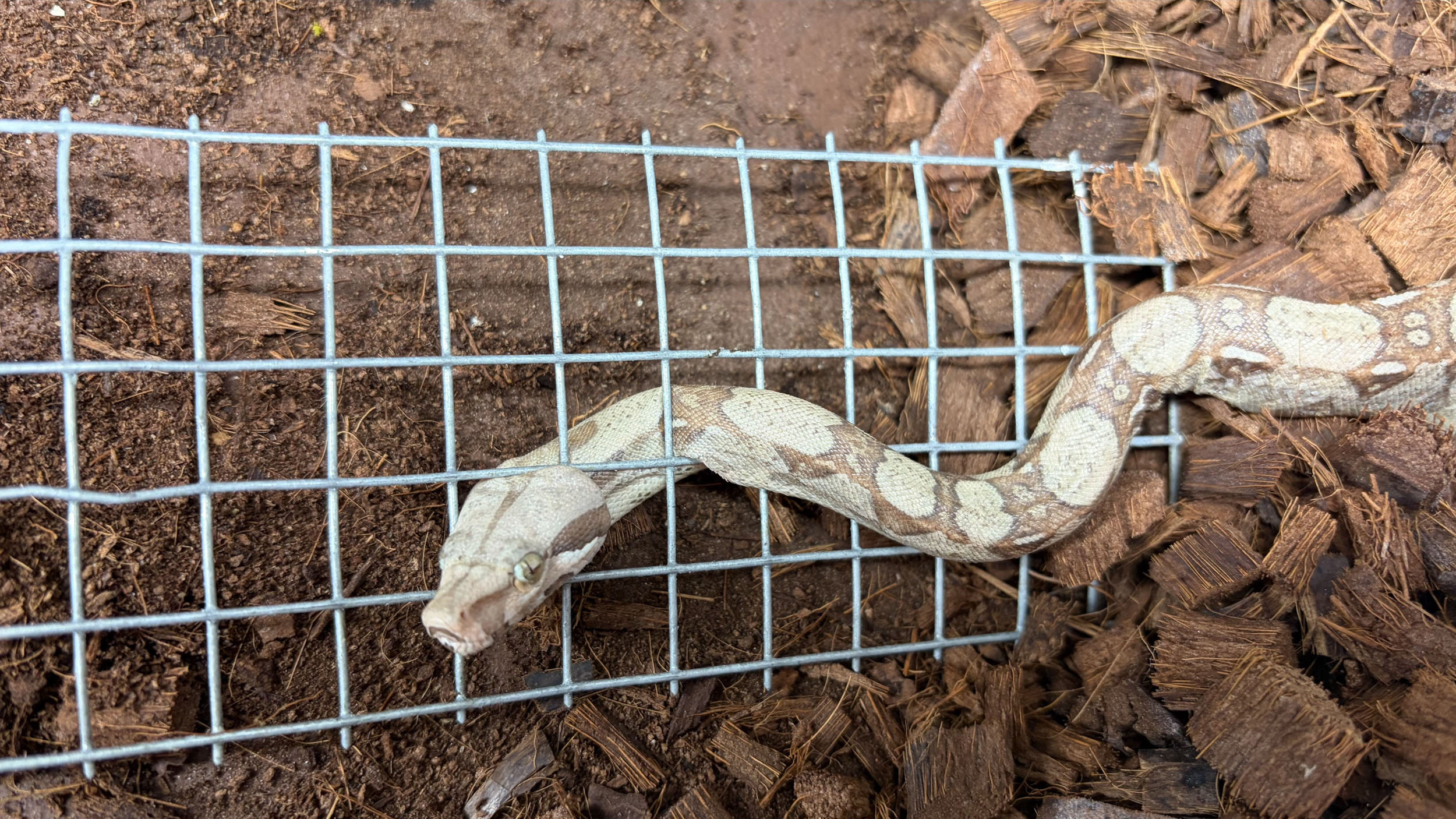 2026 Litter, a little one got caught in the cage mesh, I was able to cut him free
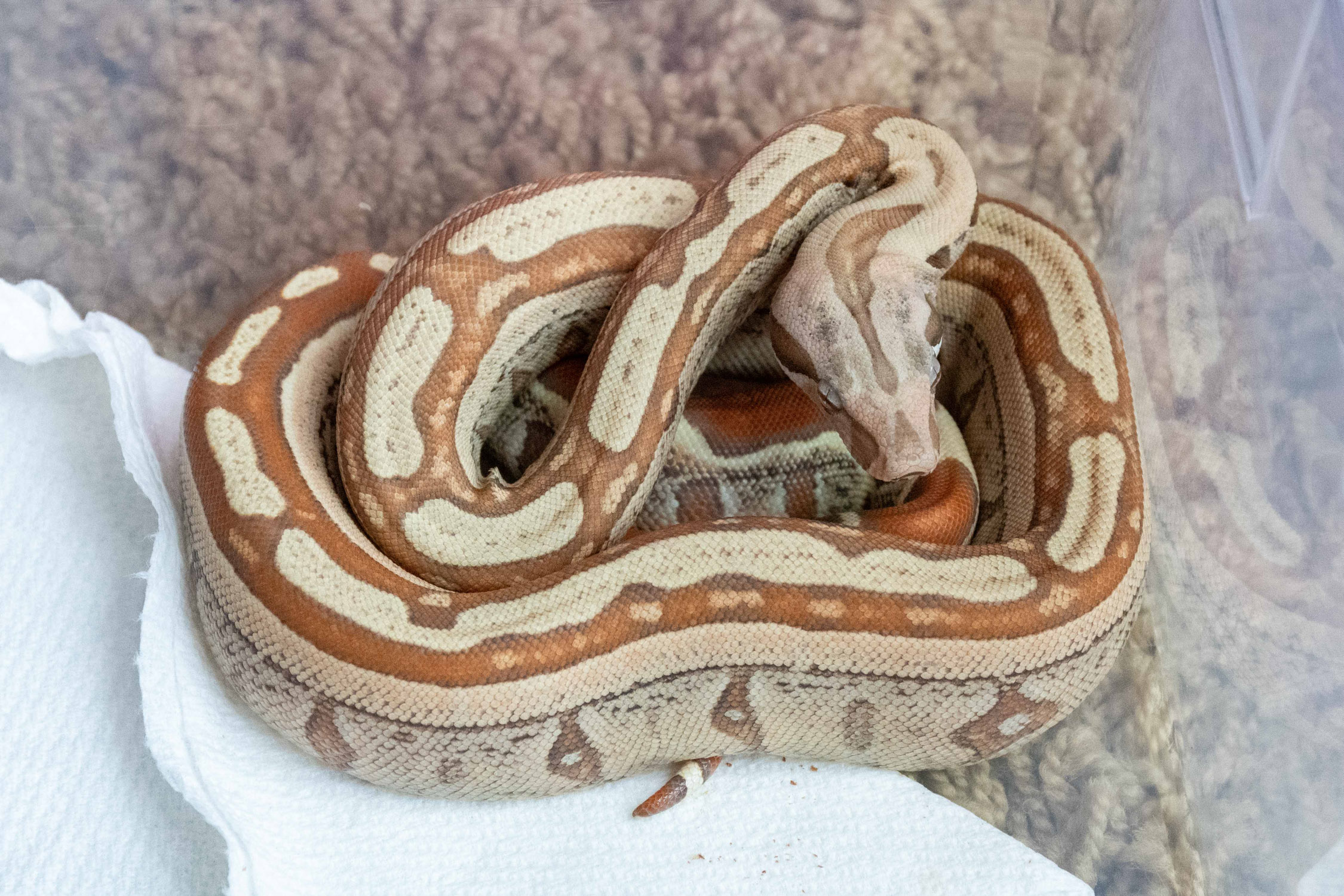 2026 Litter, BCI-1F
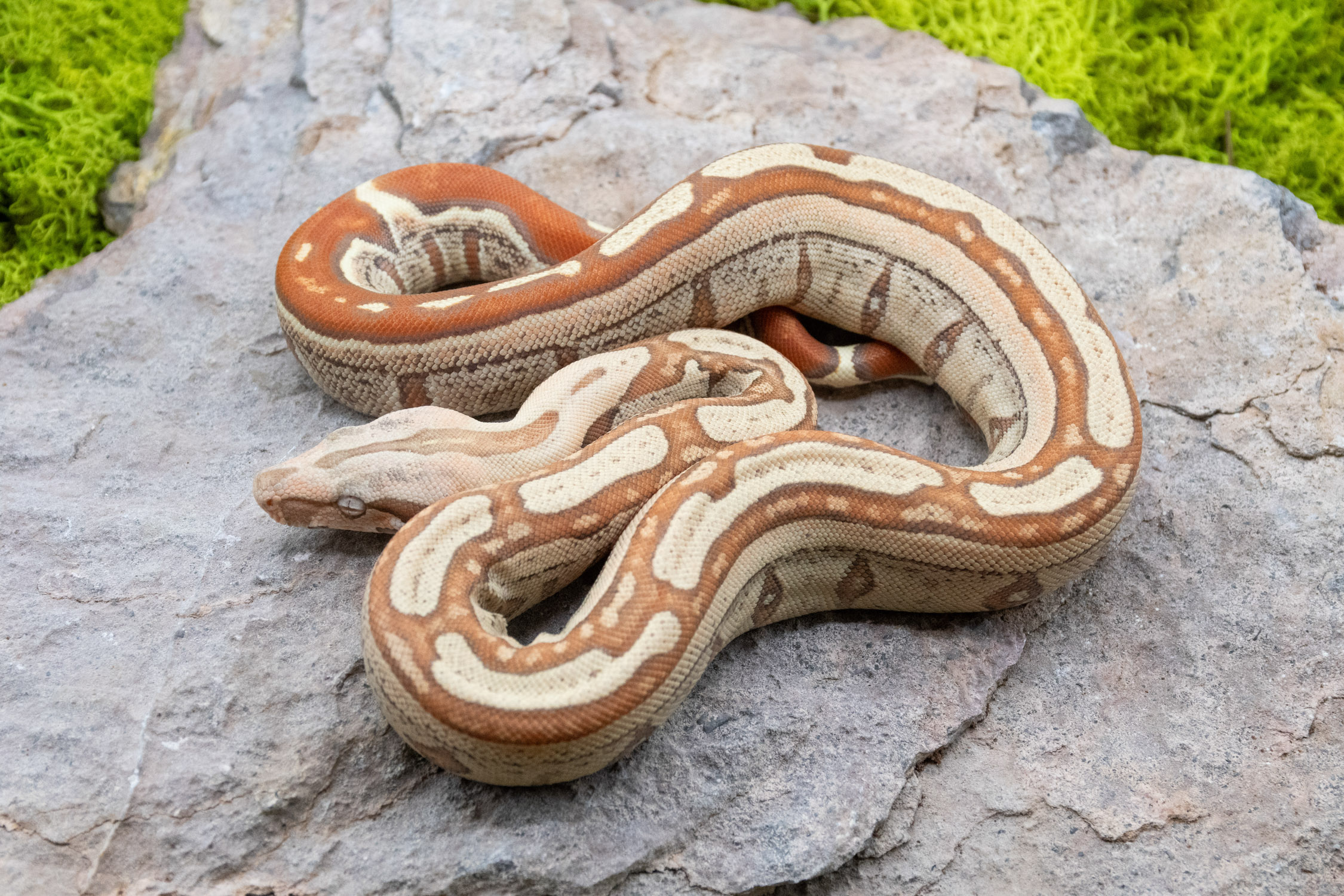 2026 Litter, BCI-1F
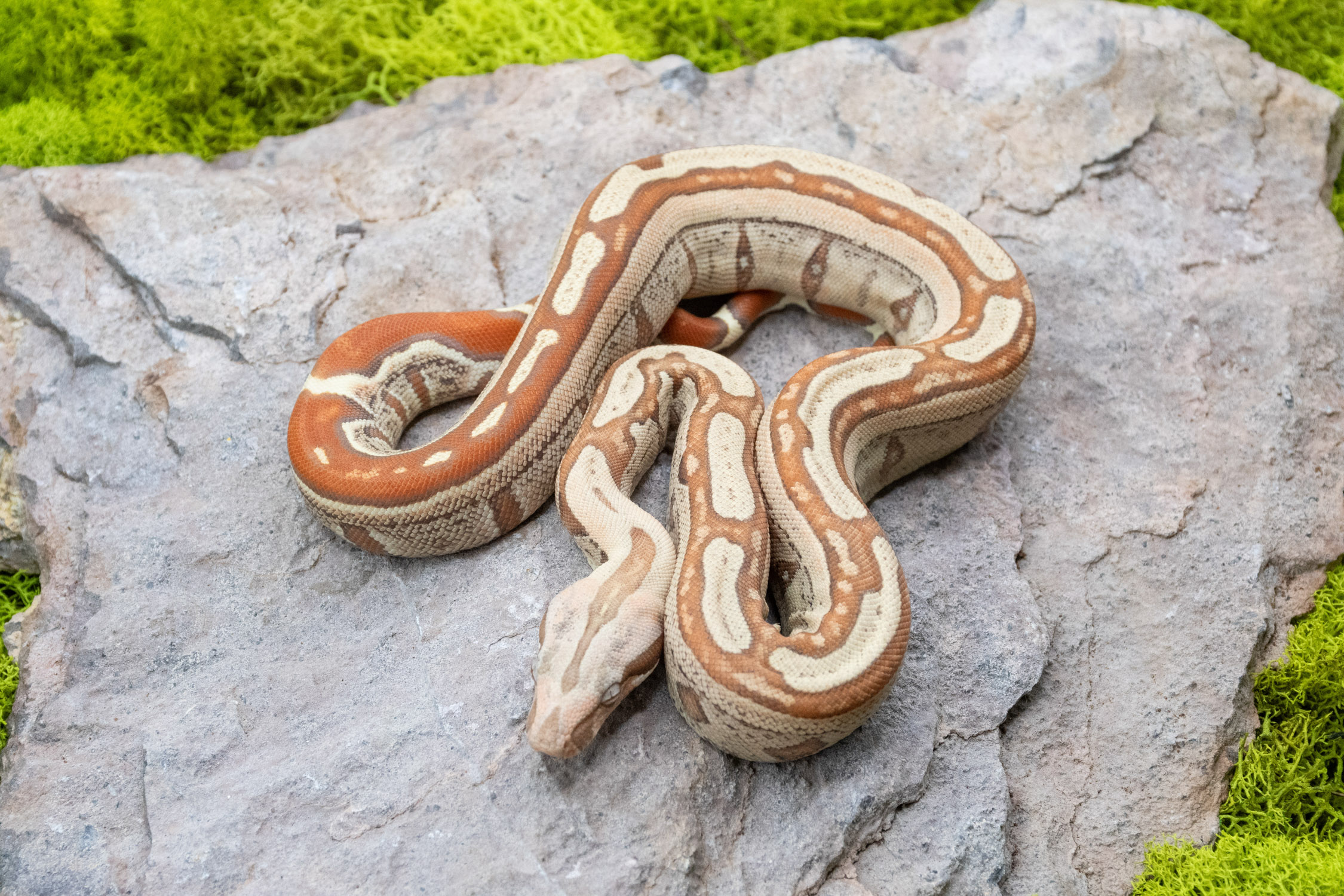 2026 Litter, BCI-1F
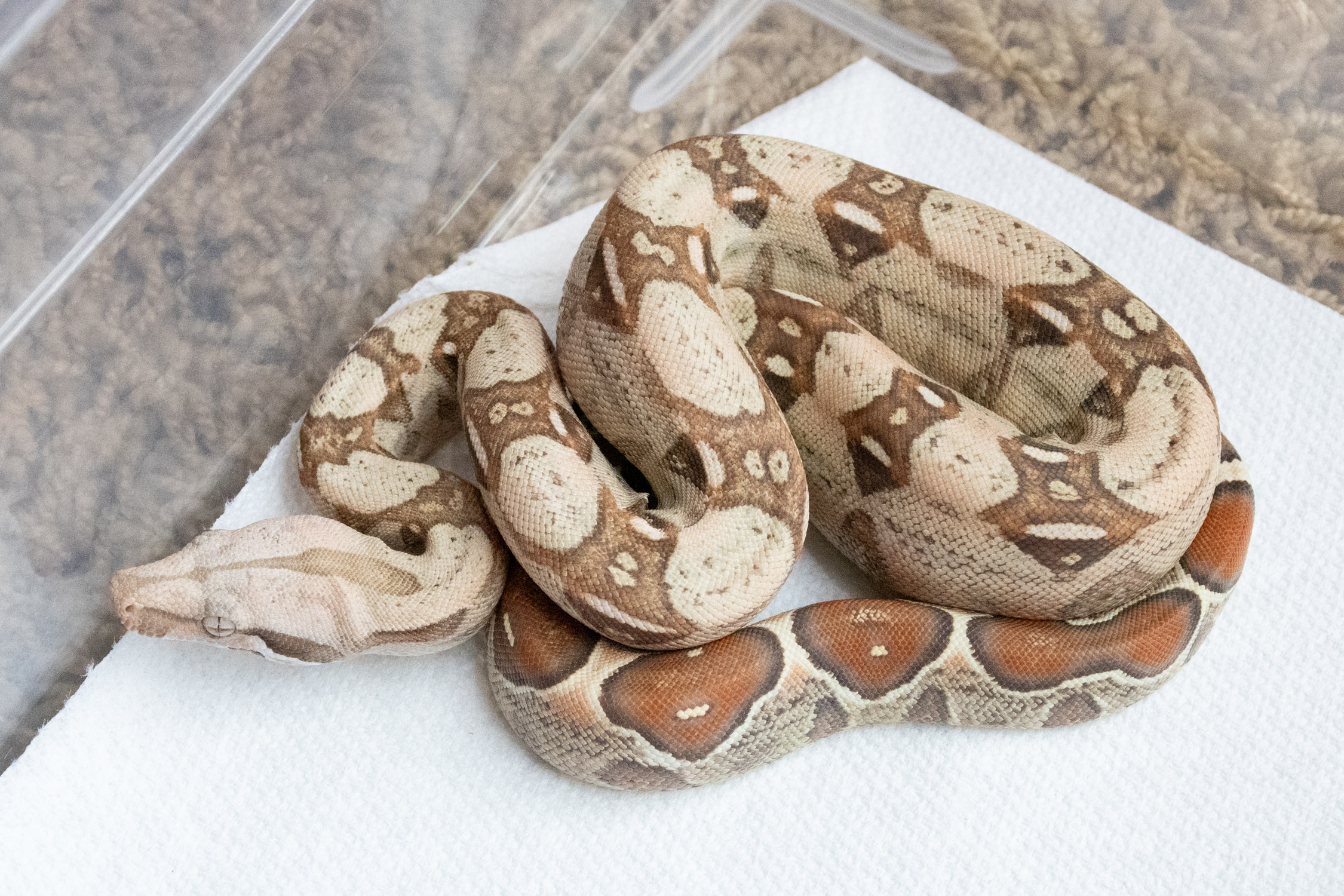 2026 Litter, BCI-2M
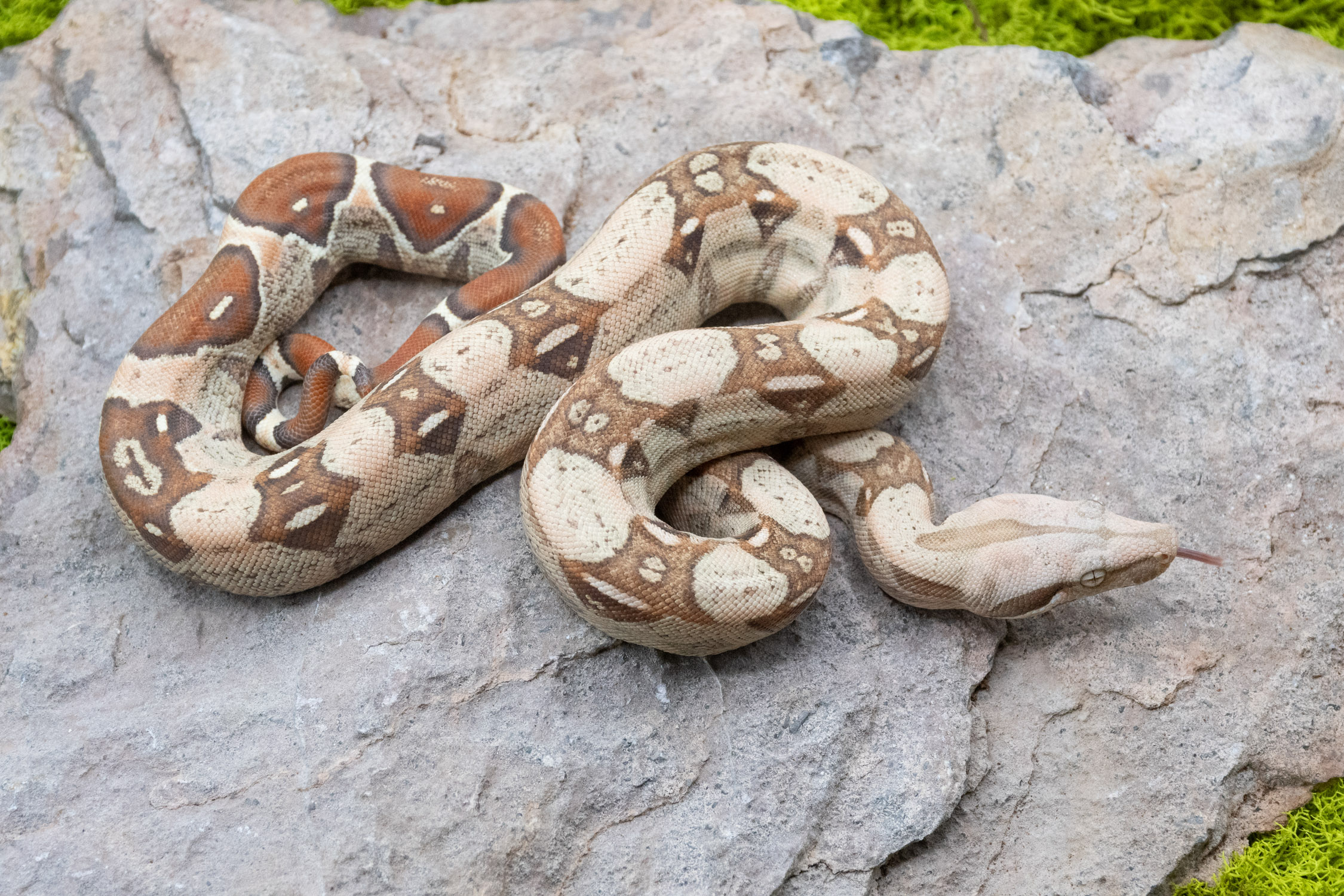 2026 Litter, BCI-2M
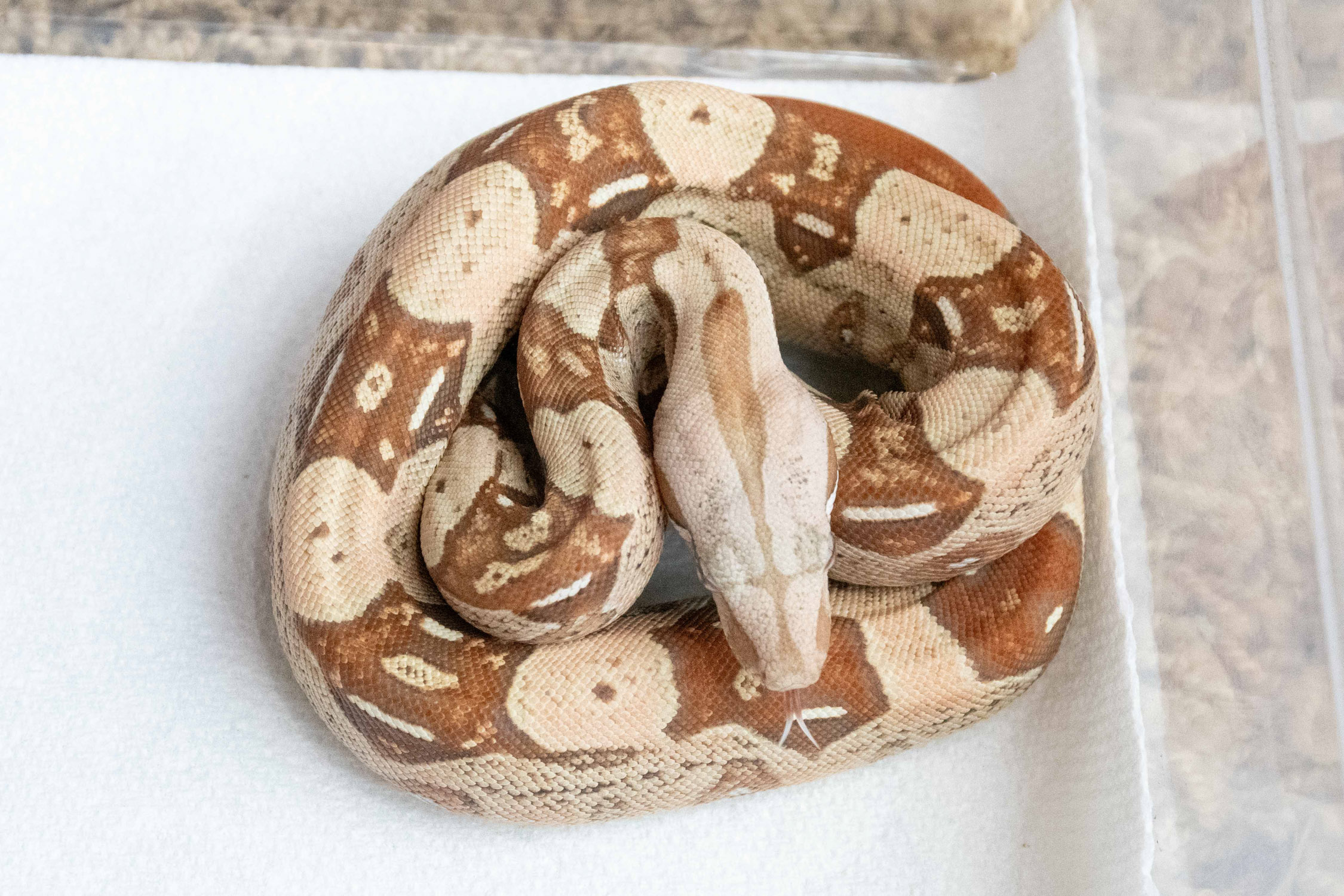 2026 Litter, BCI-3M
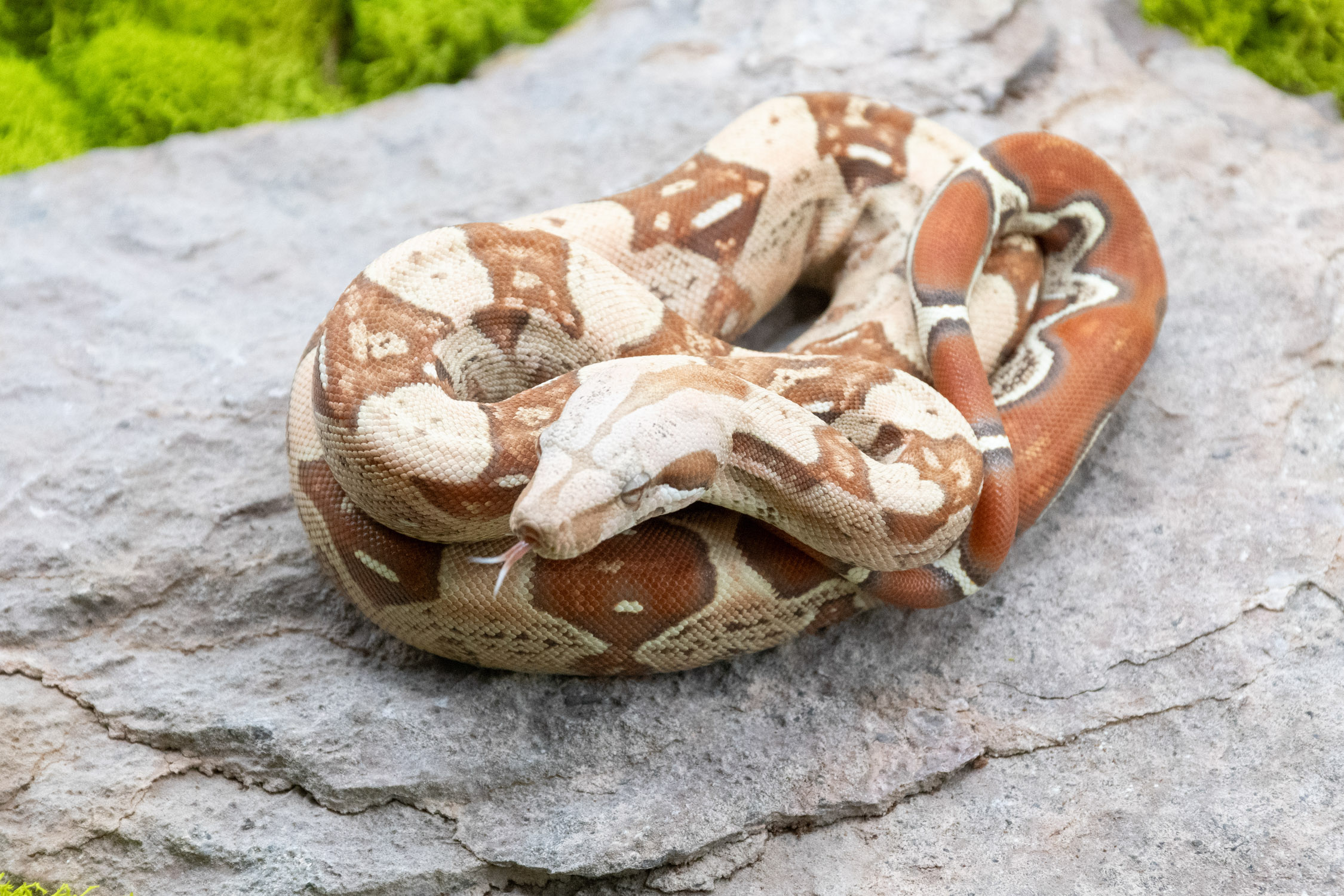 2026 Litter, BCI-3M
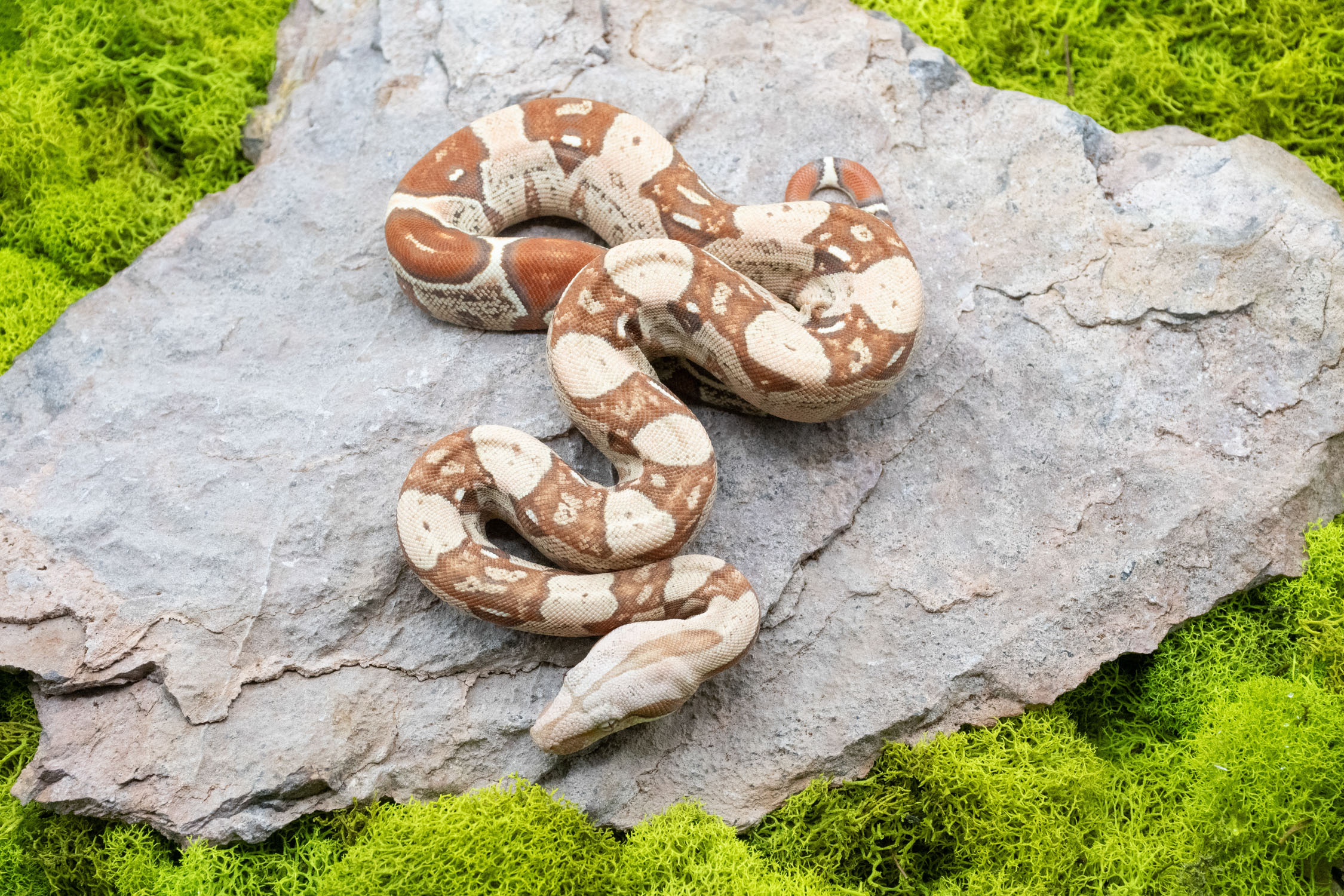 2026 Litter, BCI-3M
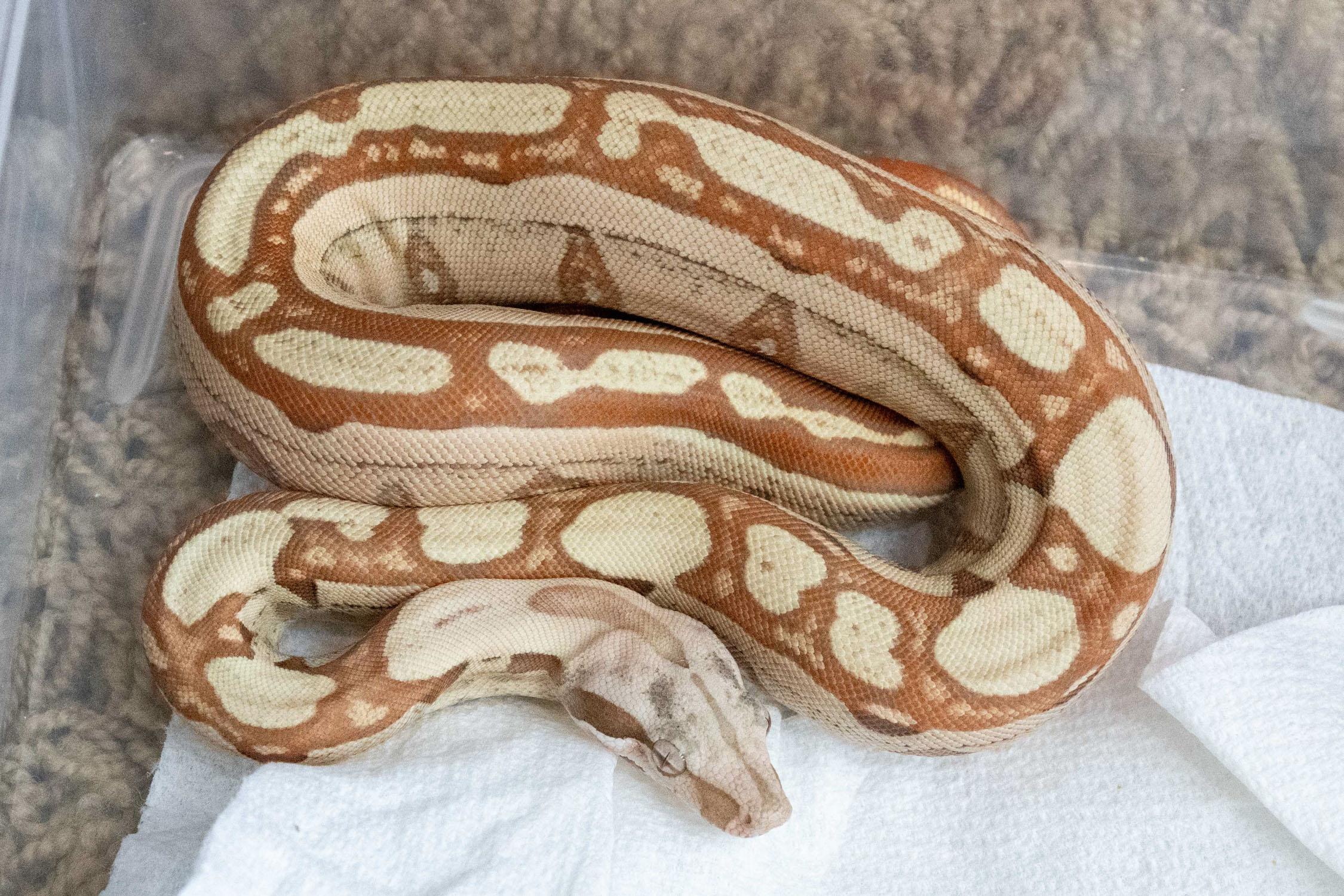 2026 Litter, BCI-4F
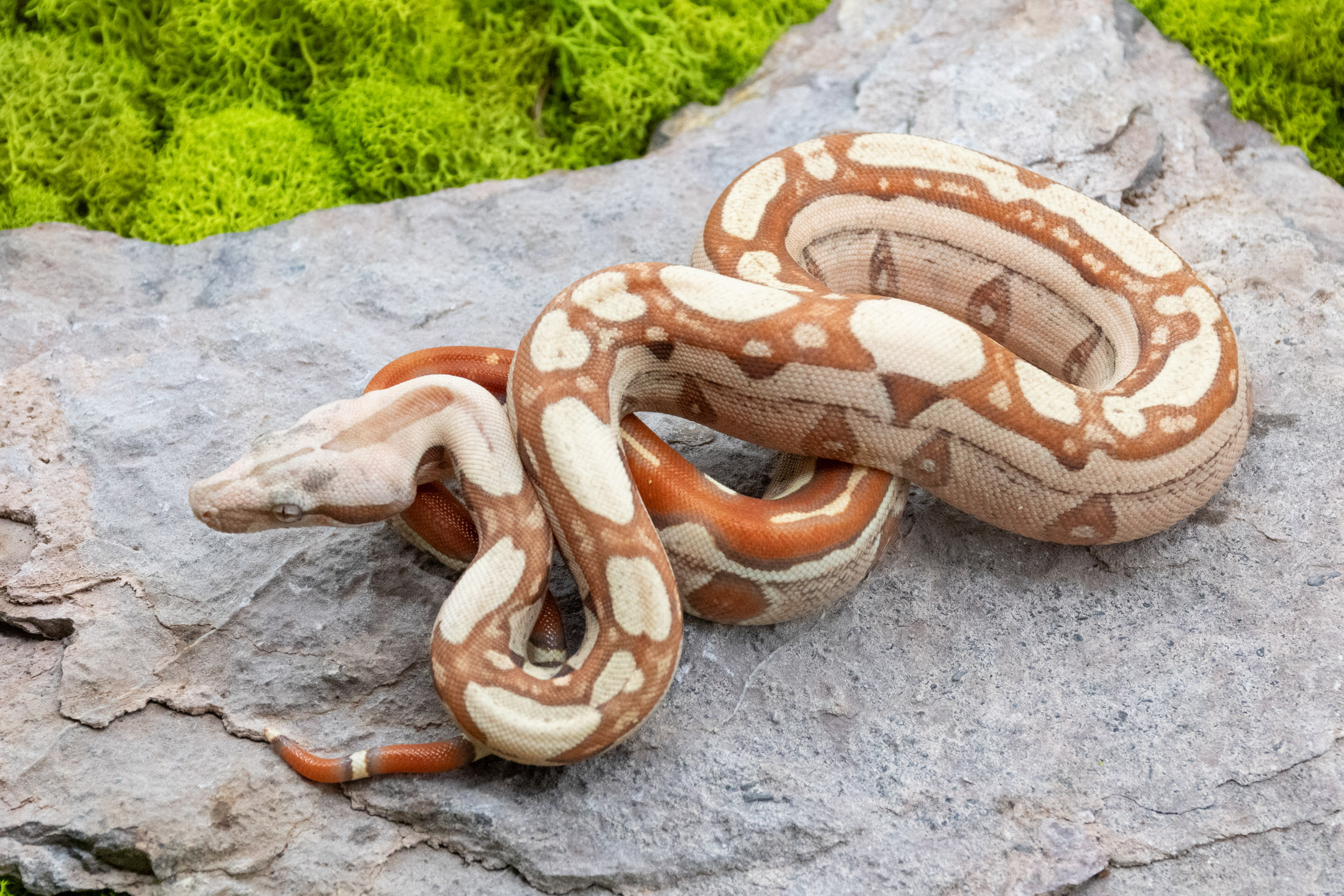 2026 Litter, BCI-4F
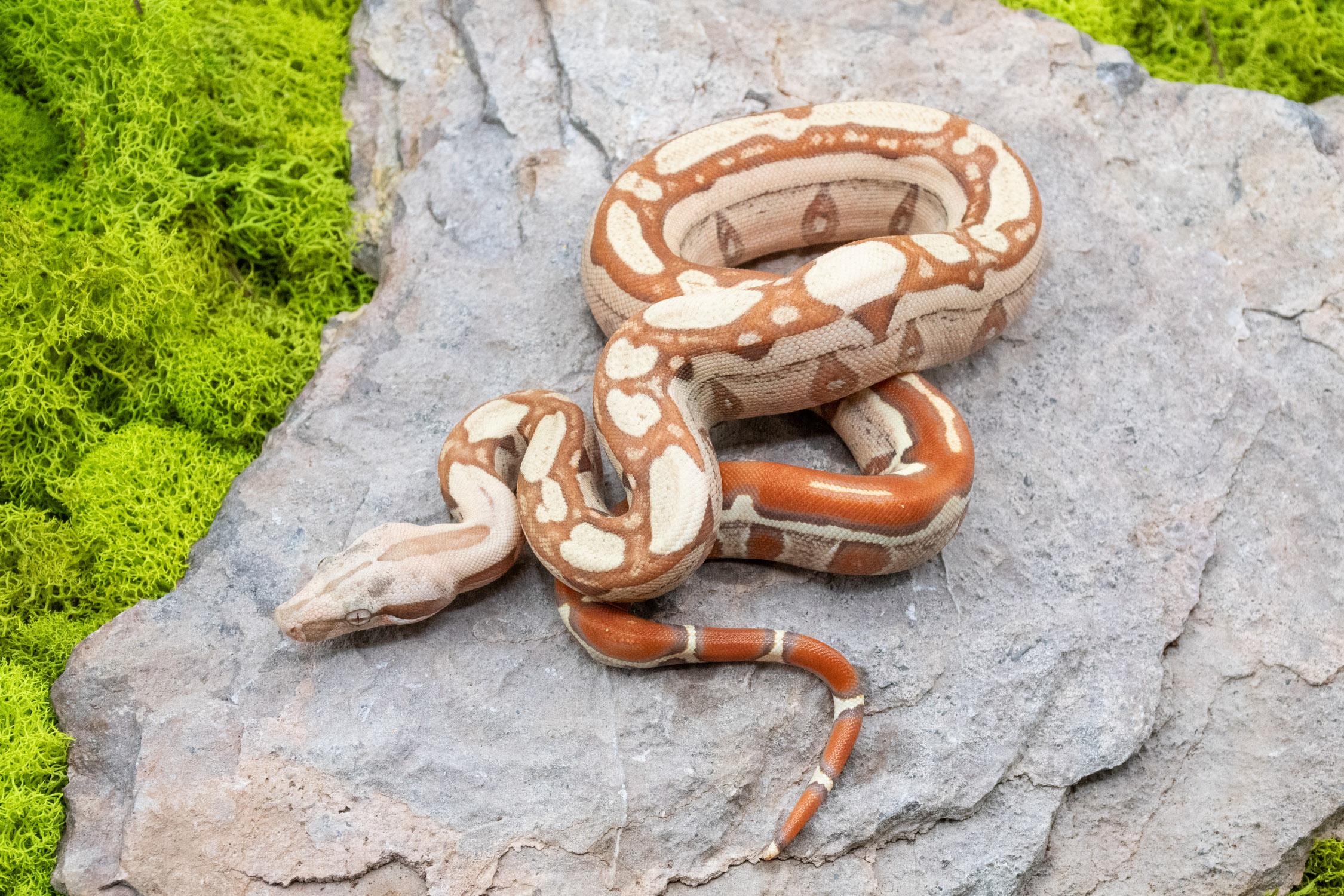 2026 Litter, BCI-4F
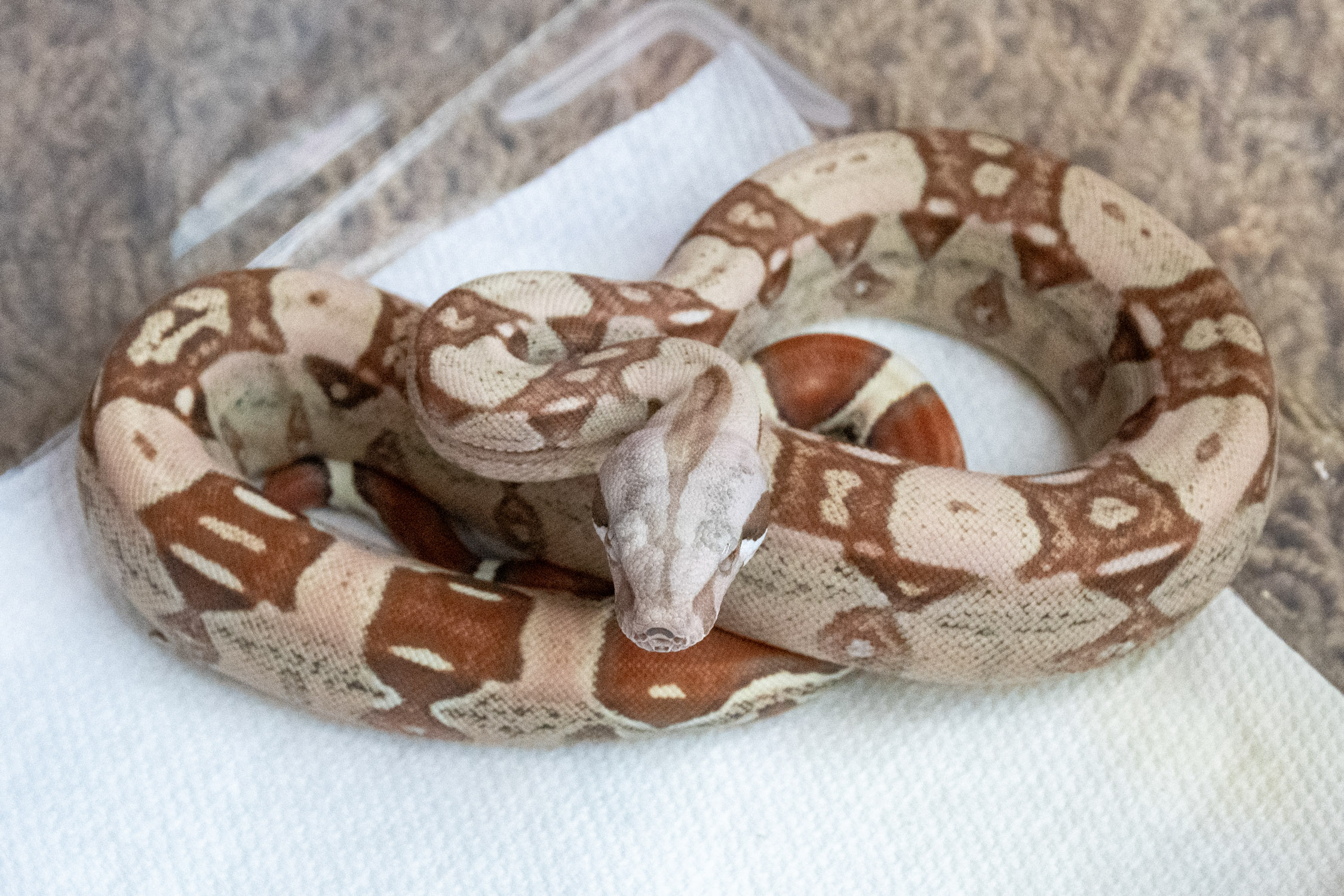 2026 Litter, BCI-5M
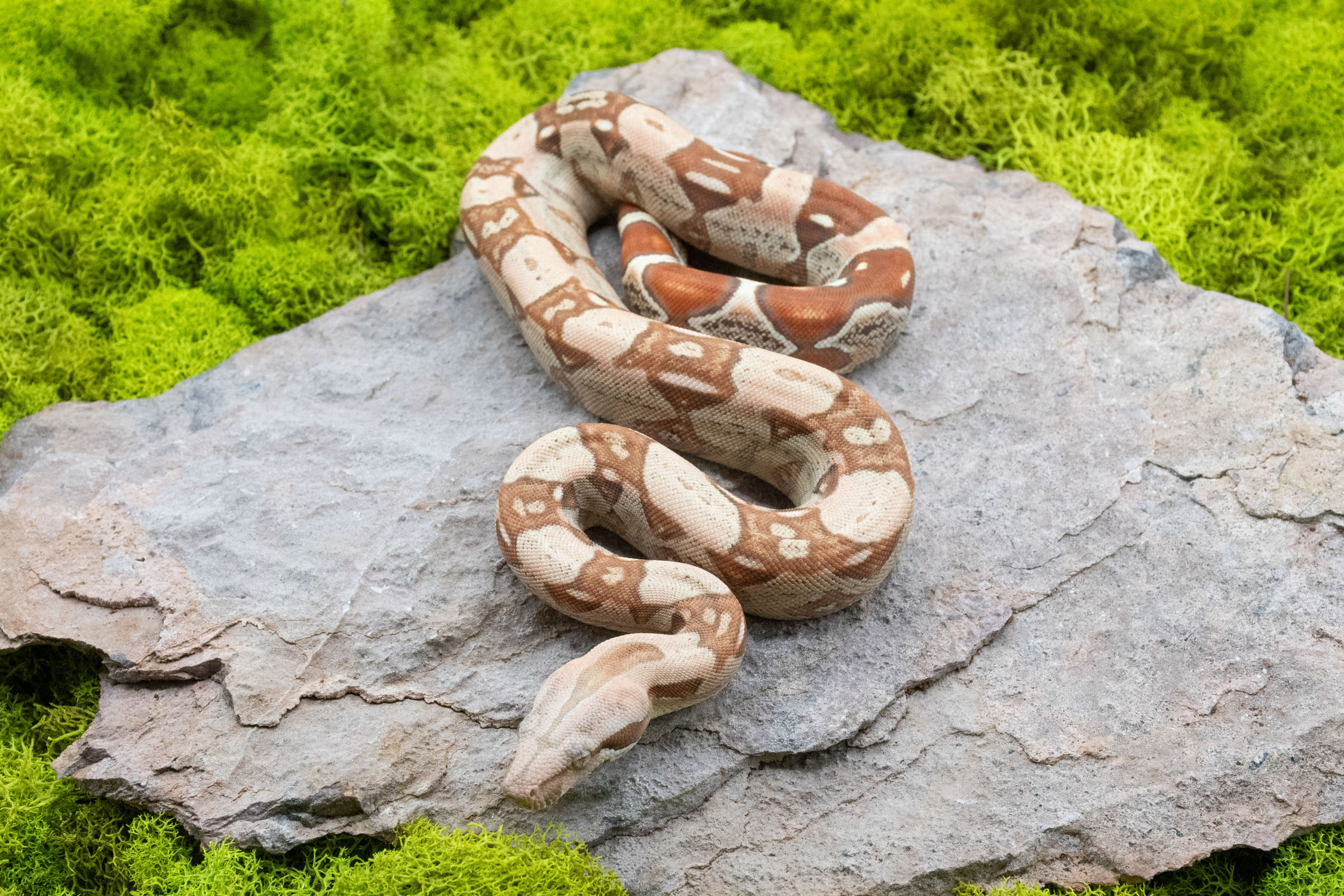 2026 Litter, BCI-5M
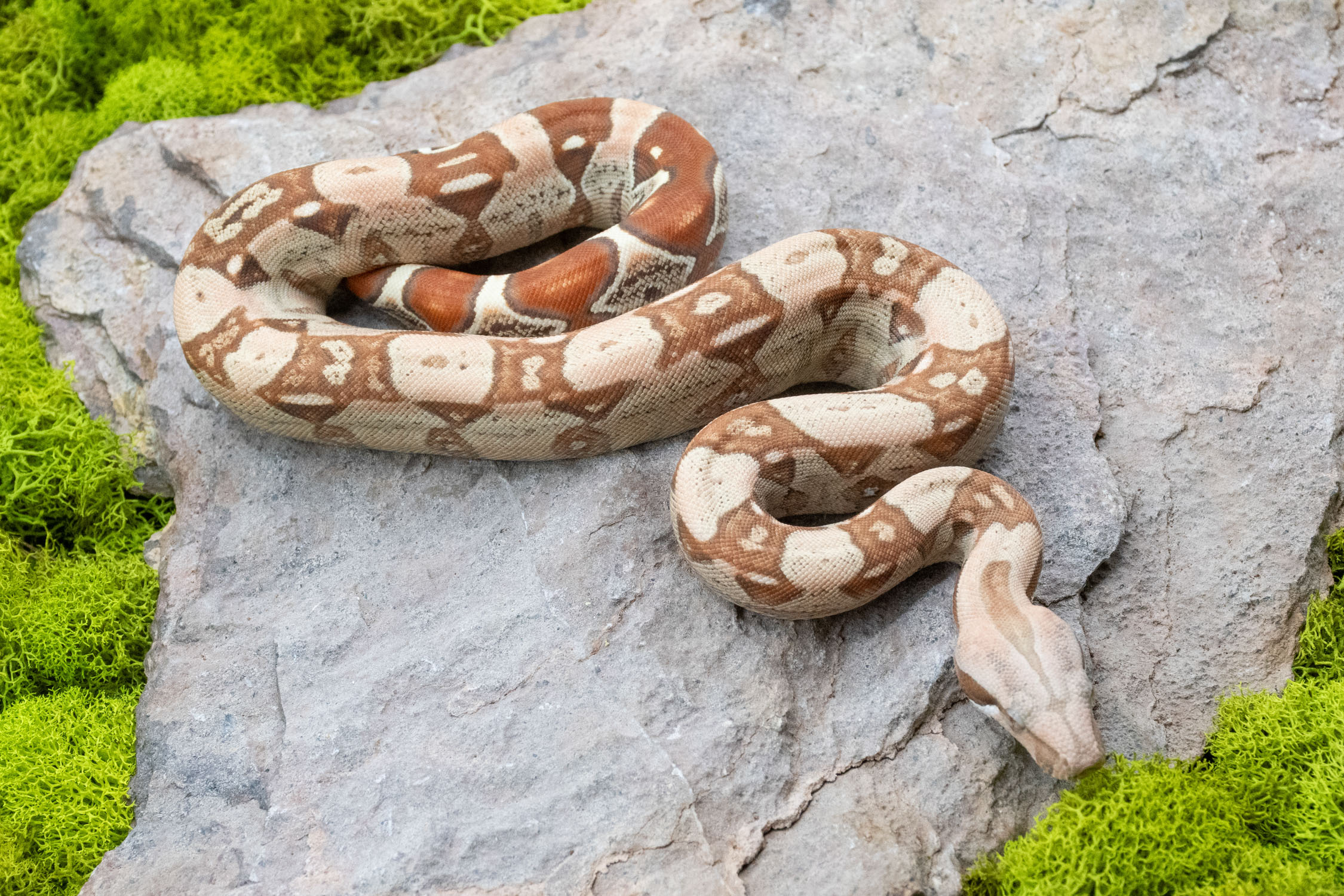 2026 Litter, BCI-5M
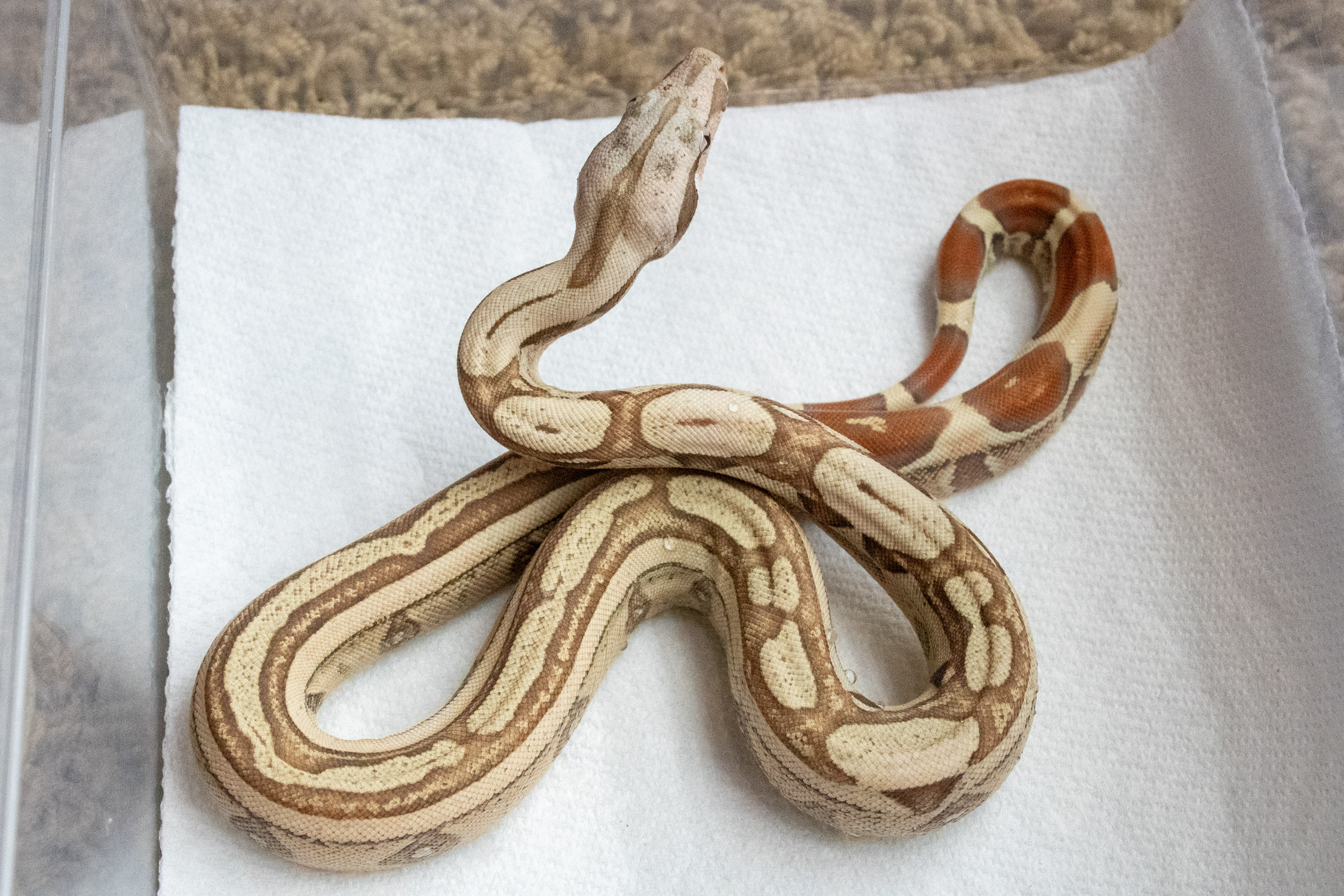 2026 Litter, BCI-6M
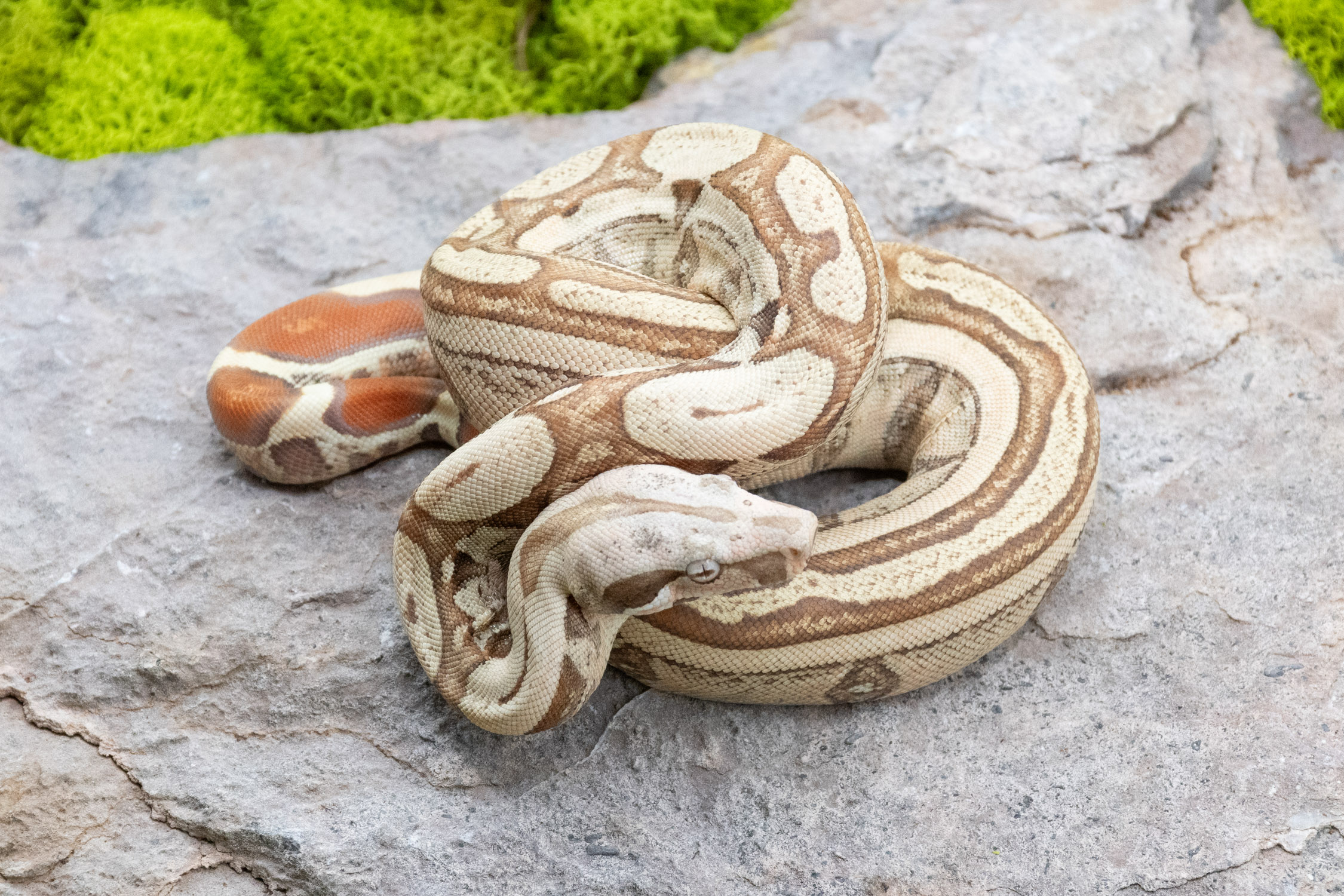 2026 Litter, BCI-6M
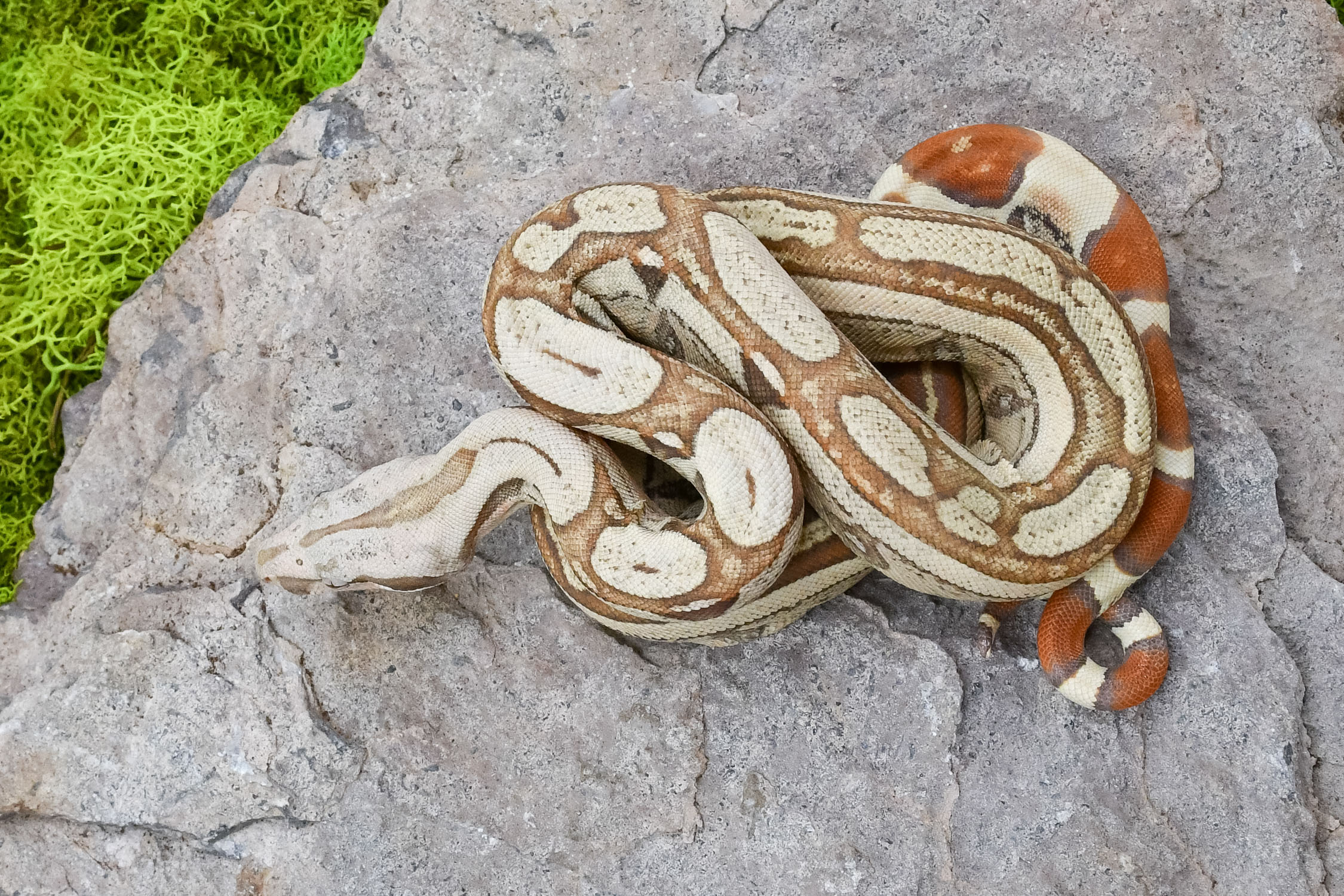 2026 Litter, BCI-6M
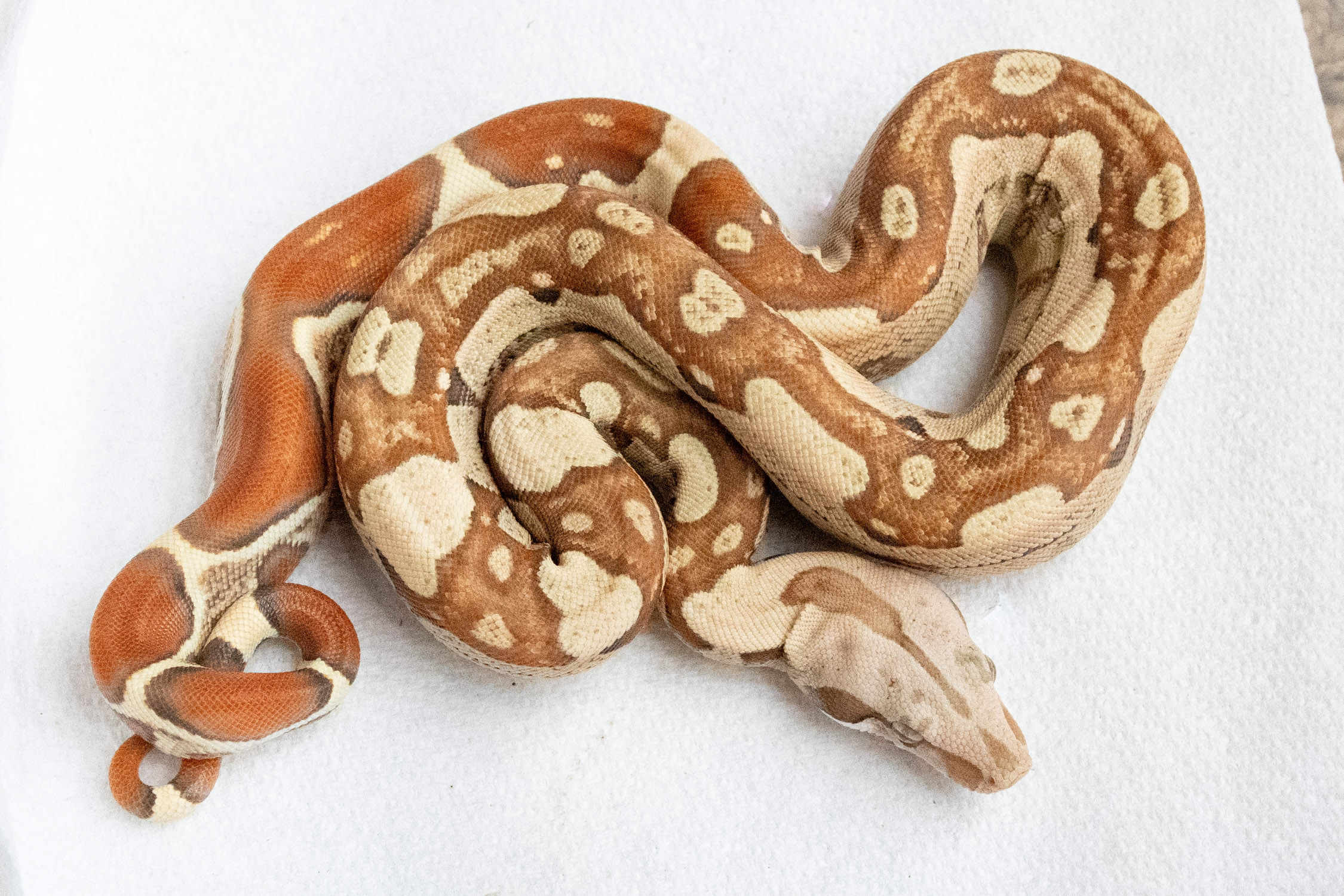 2026 Litter, BCI-7M
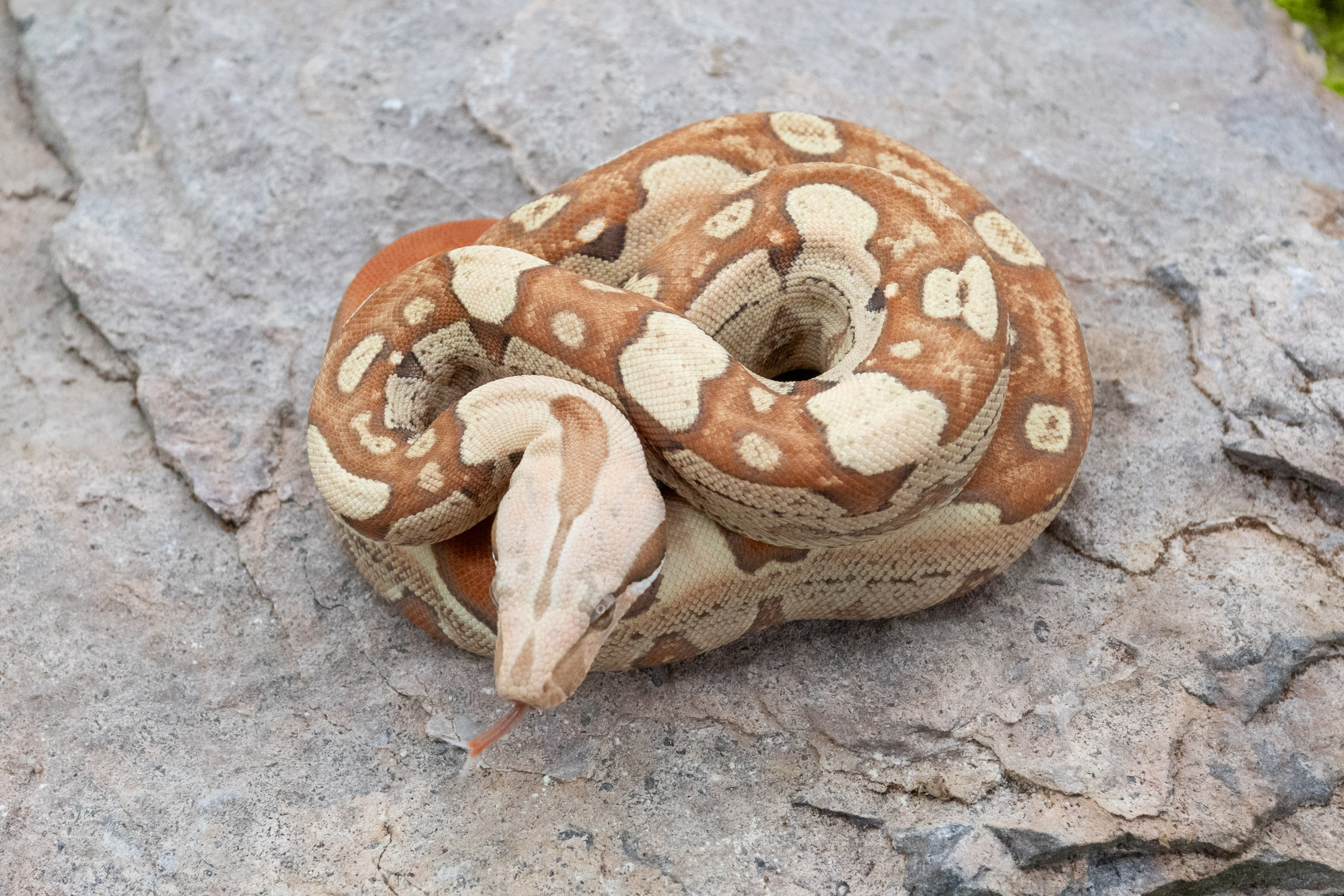 2026 Litter, BCI-7M
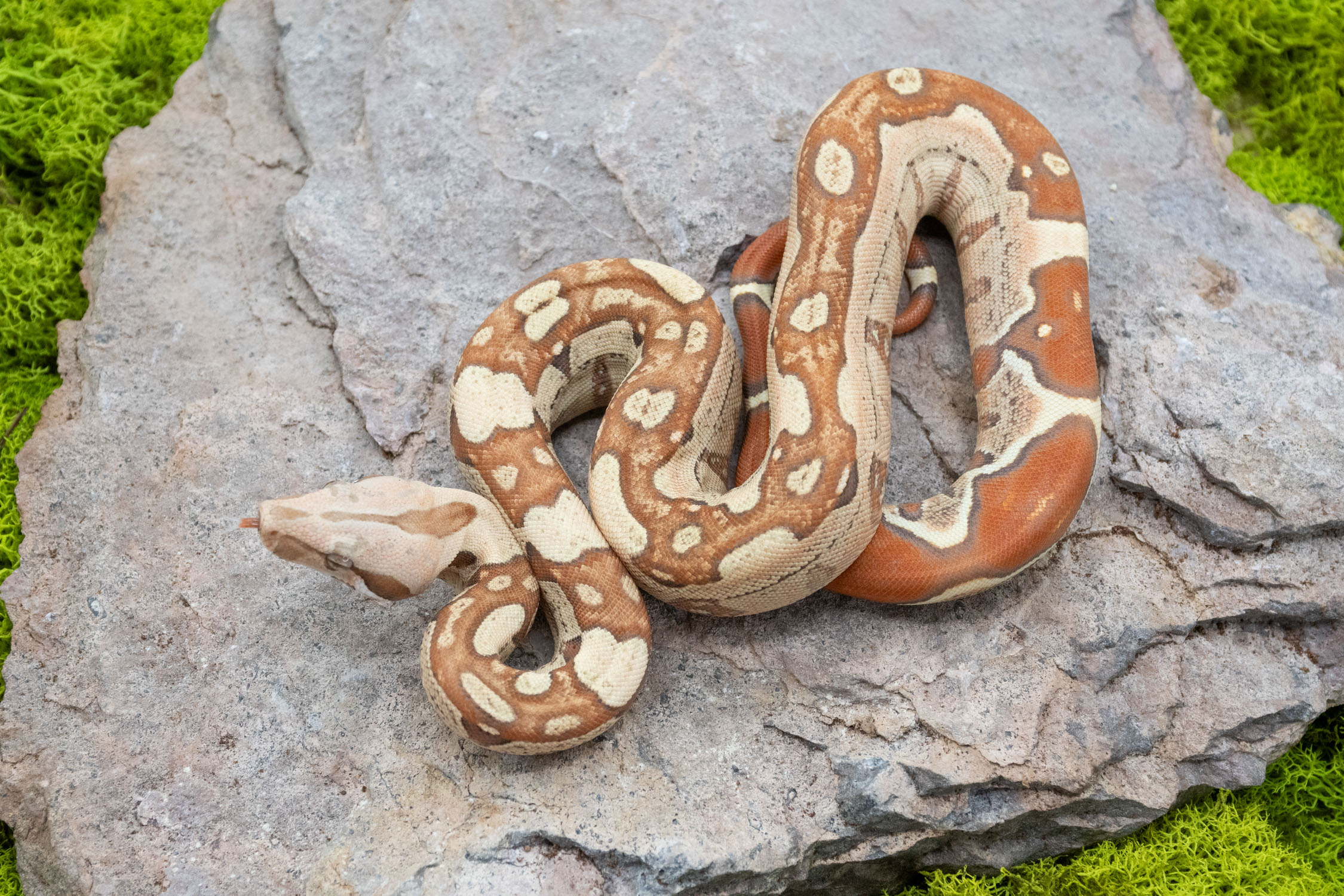 2026 Litter, BCI-7M
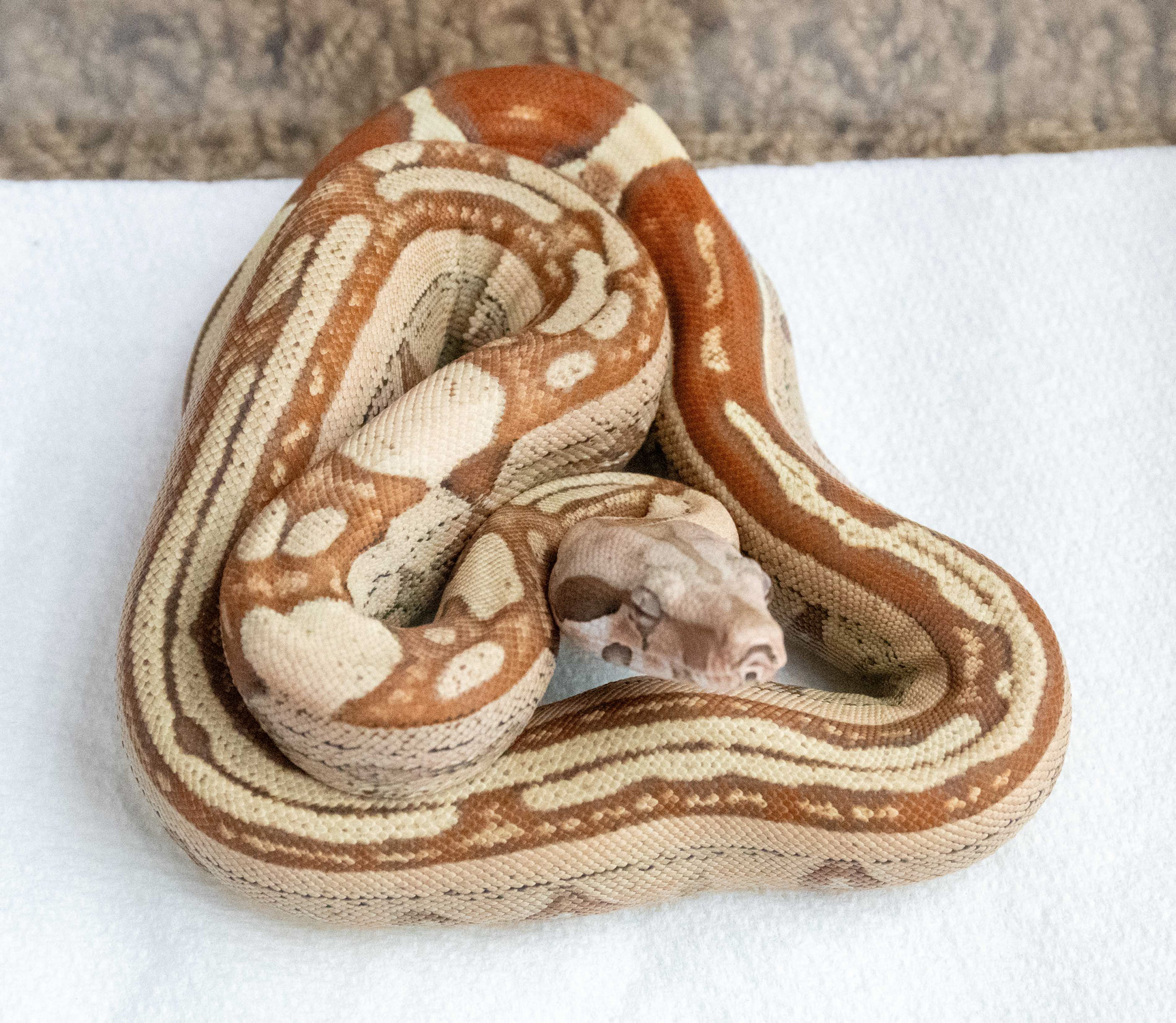 2026 Litter, BCI-8M
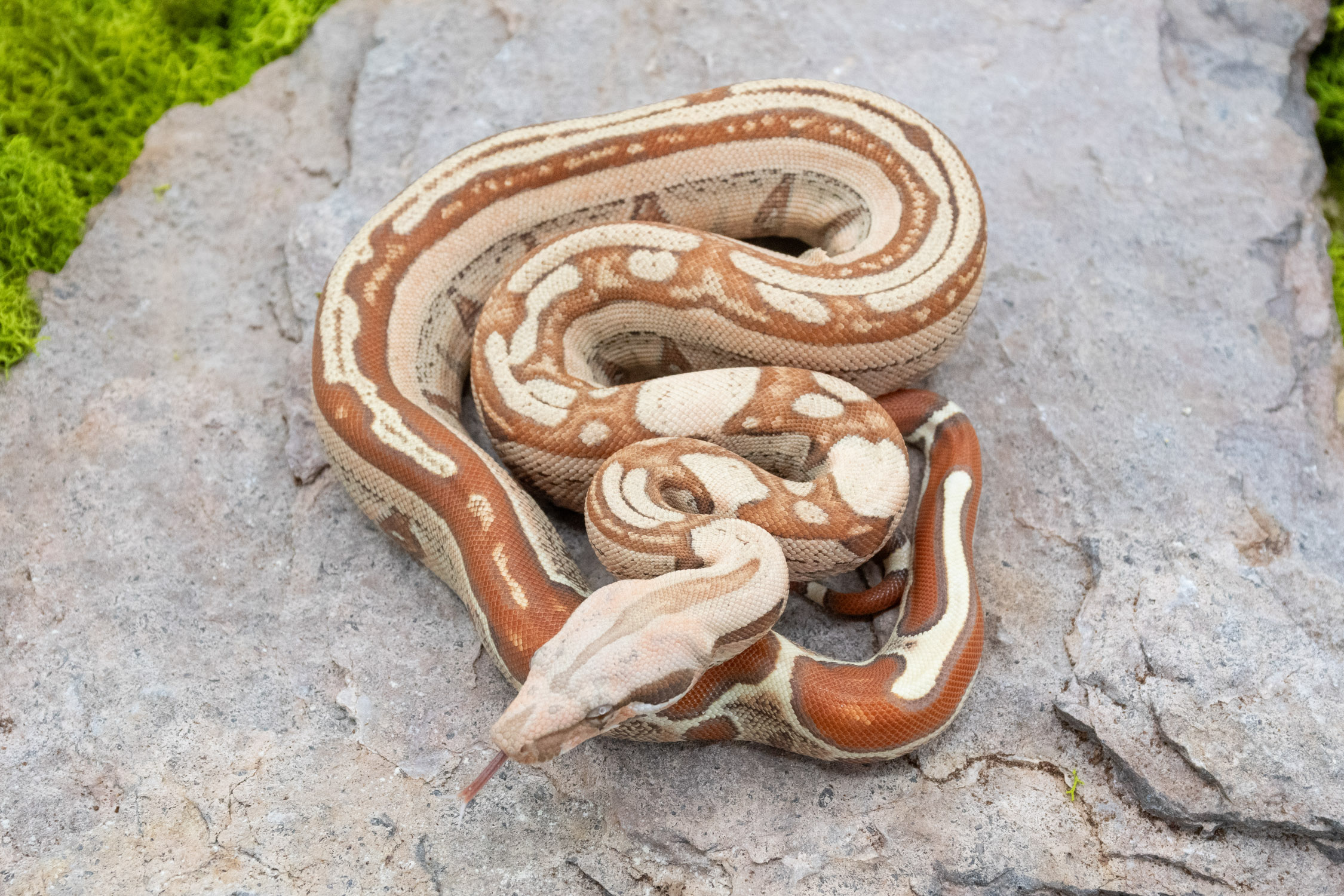 2026 Litter, BCI-8M
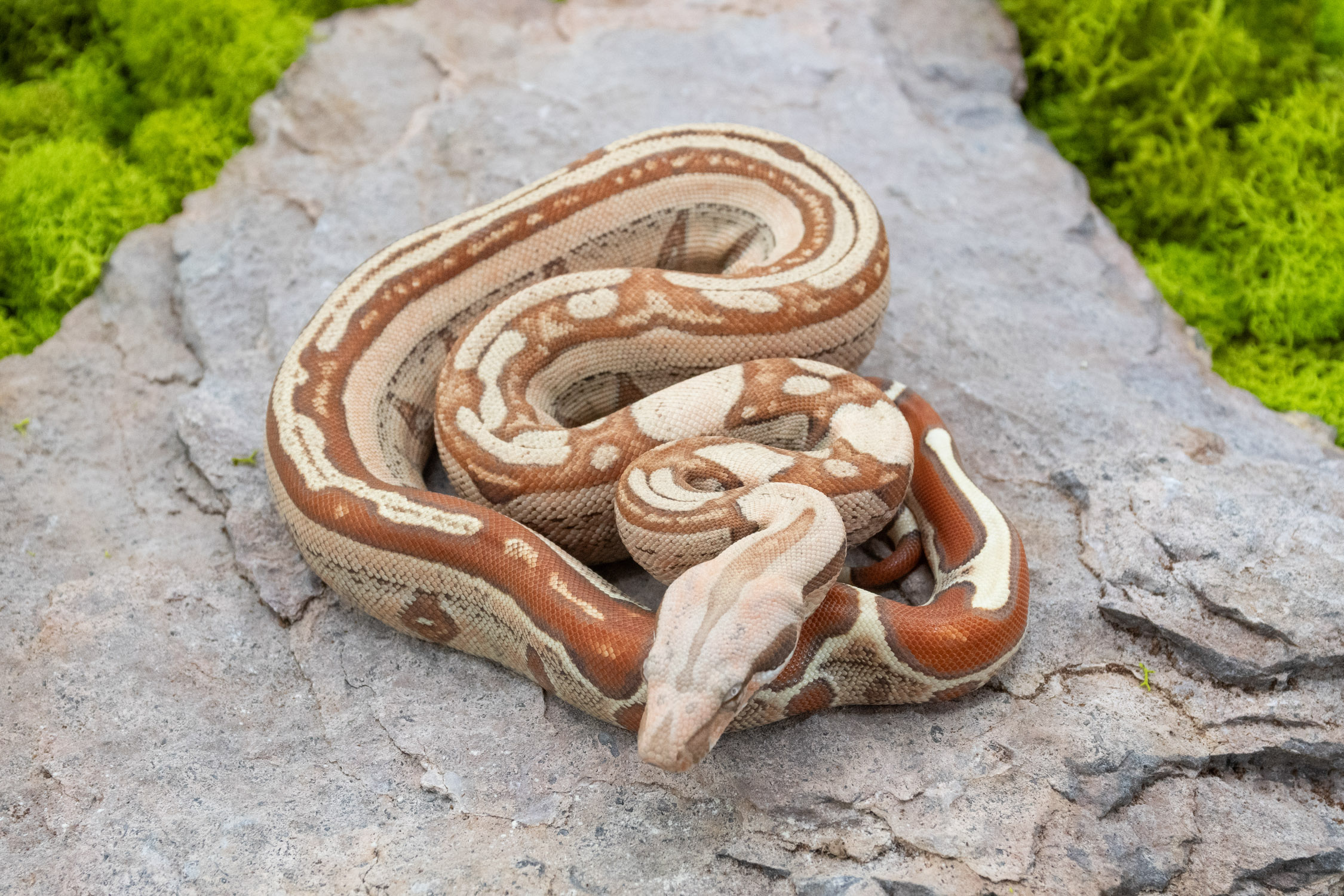 2026 Litter, BCI-8M
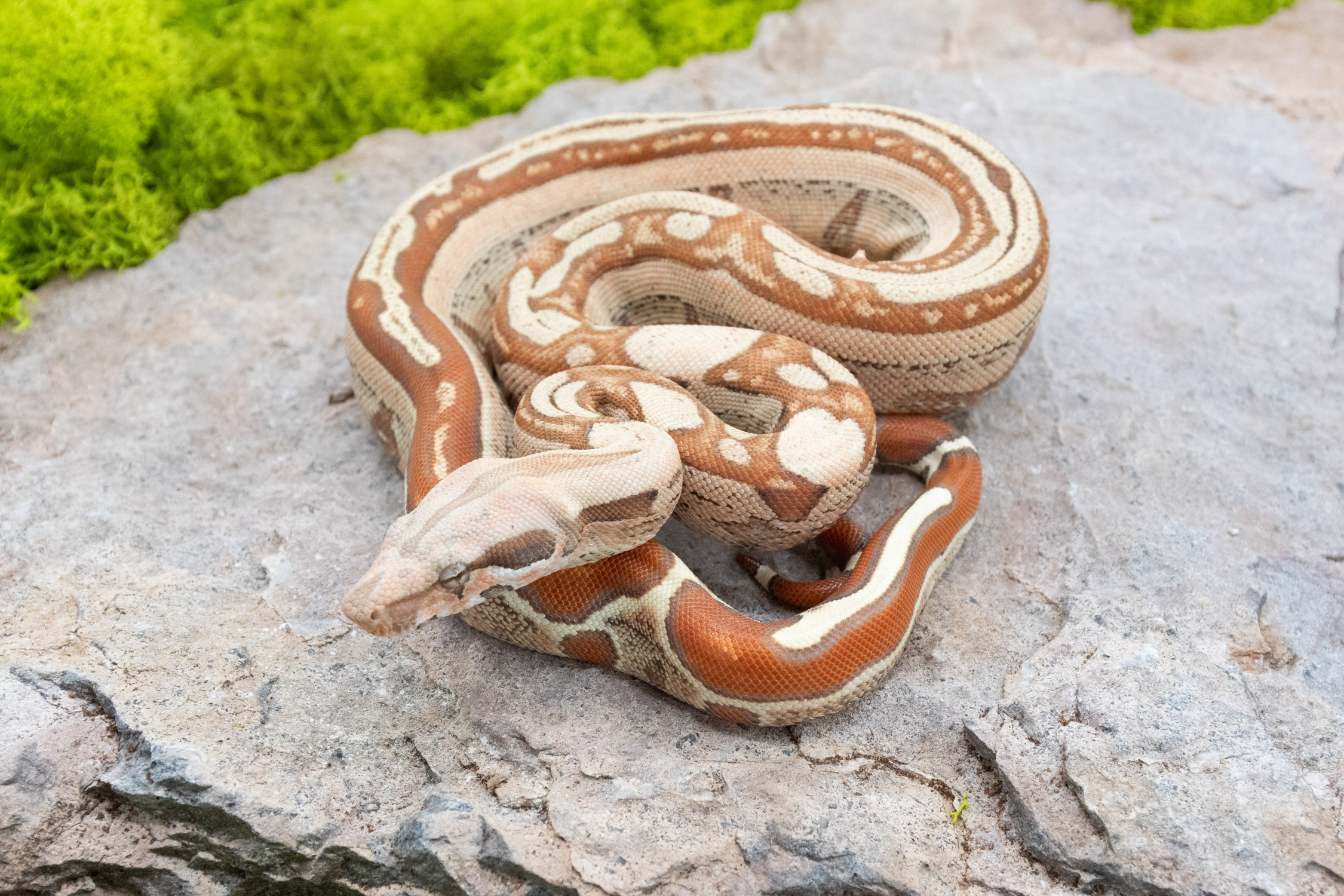 2026 Litter, BCI-8M
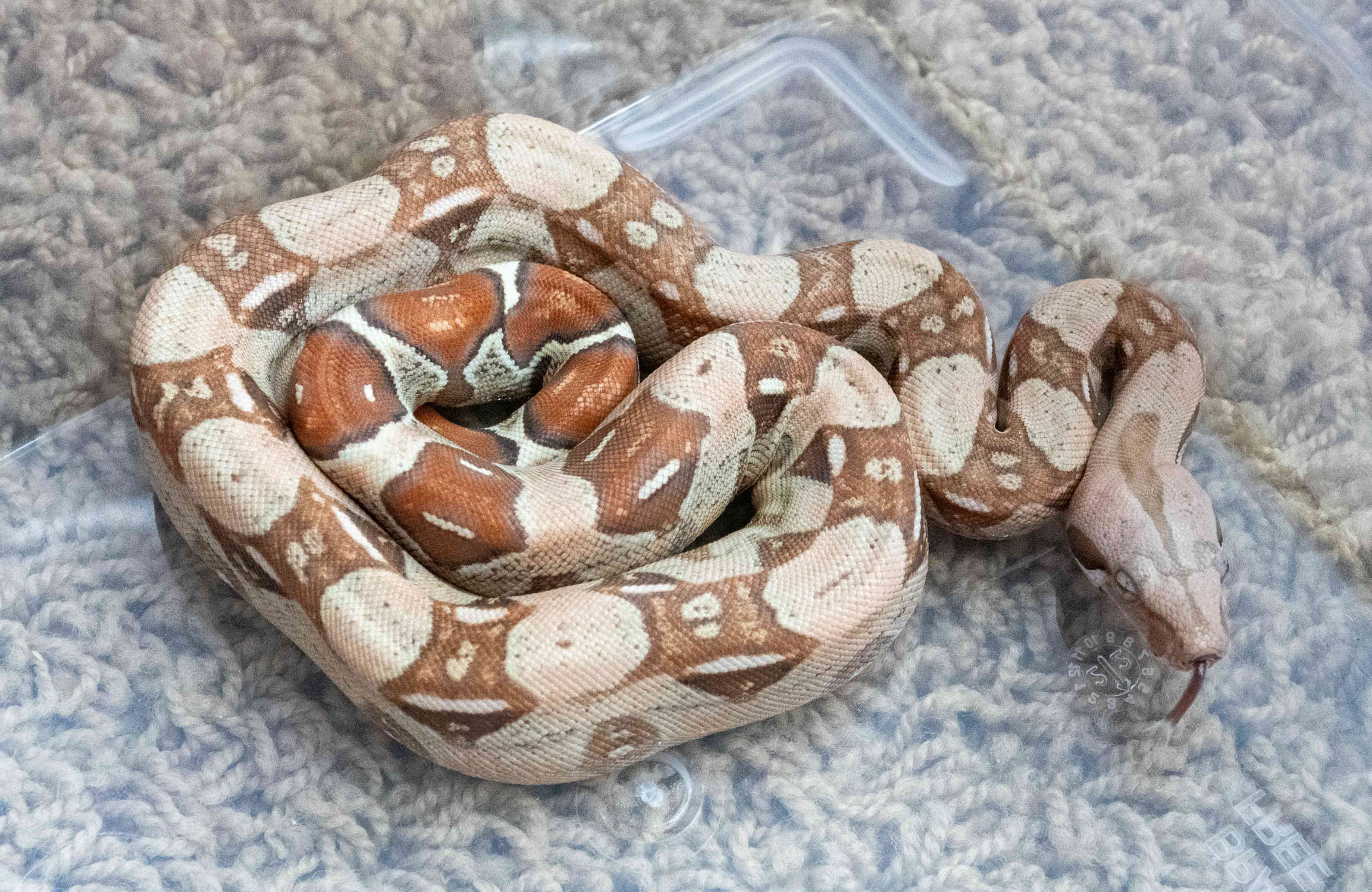 2026 Litter, BCI-9M
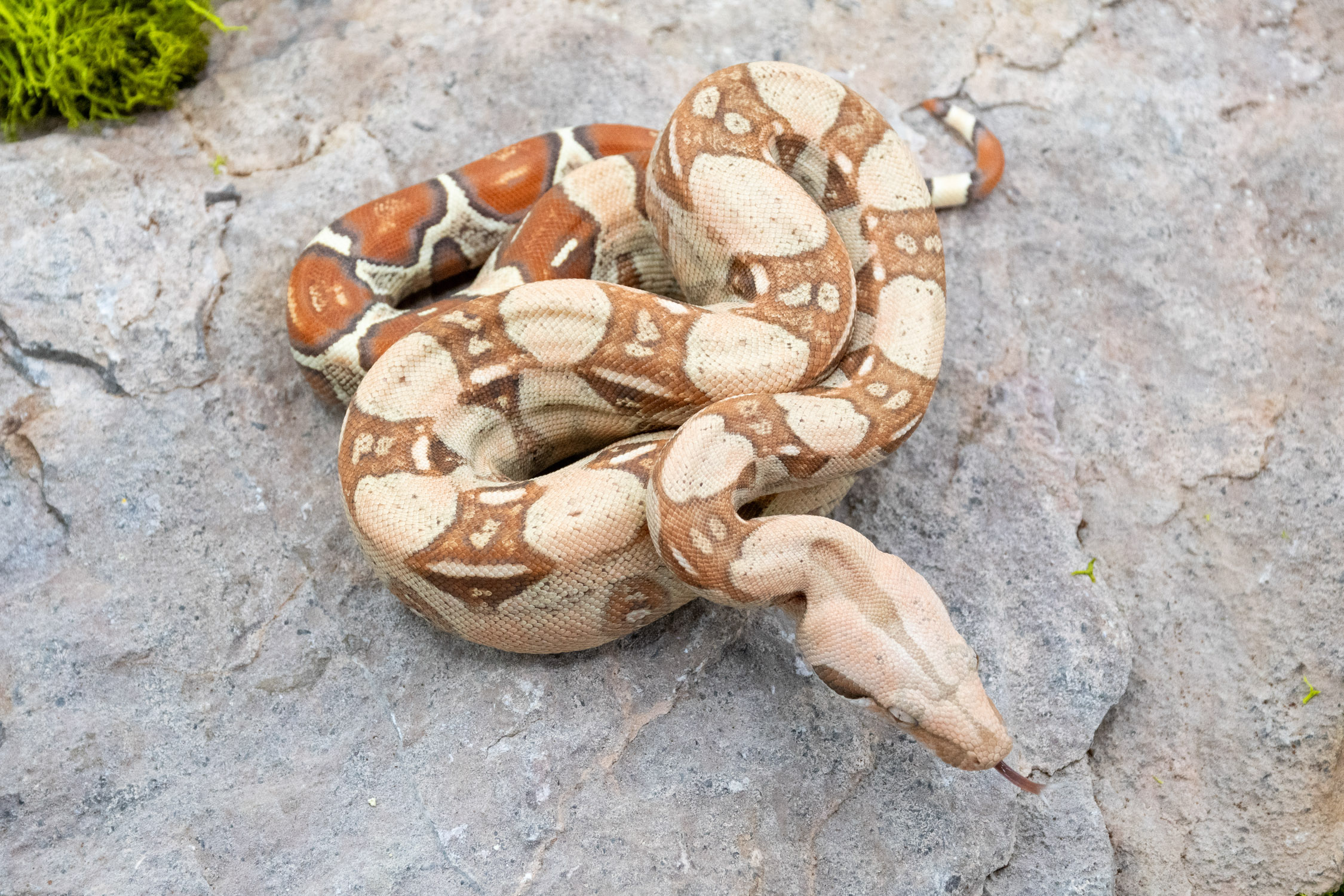 2026 Litter, BCI-9M
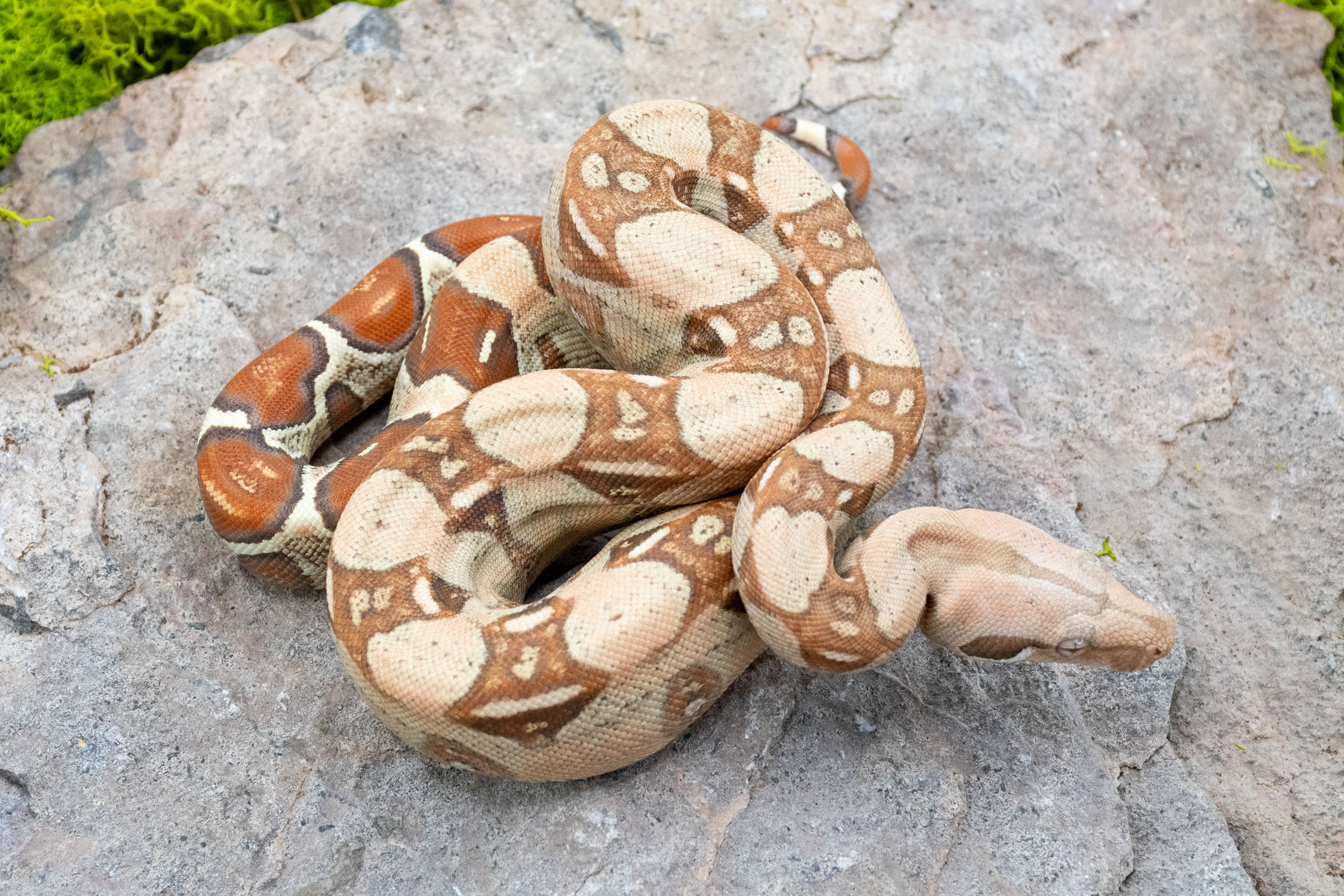 2026 Litter, BCI-9M
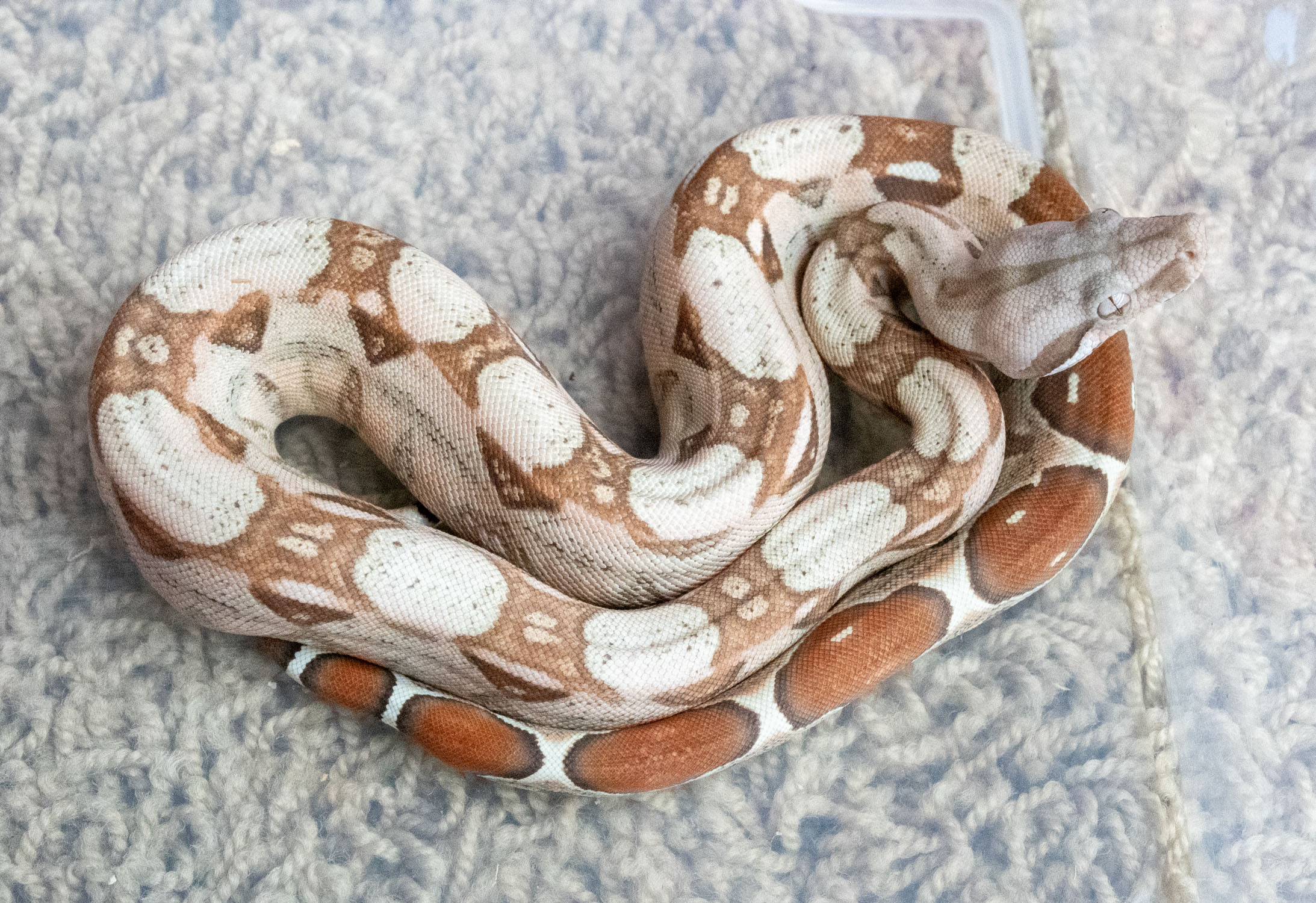 2026 Litter, BCI-10M
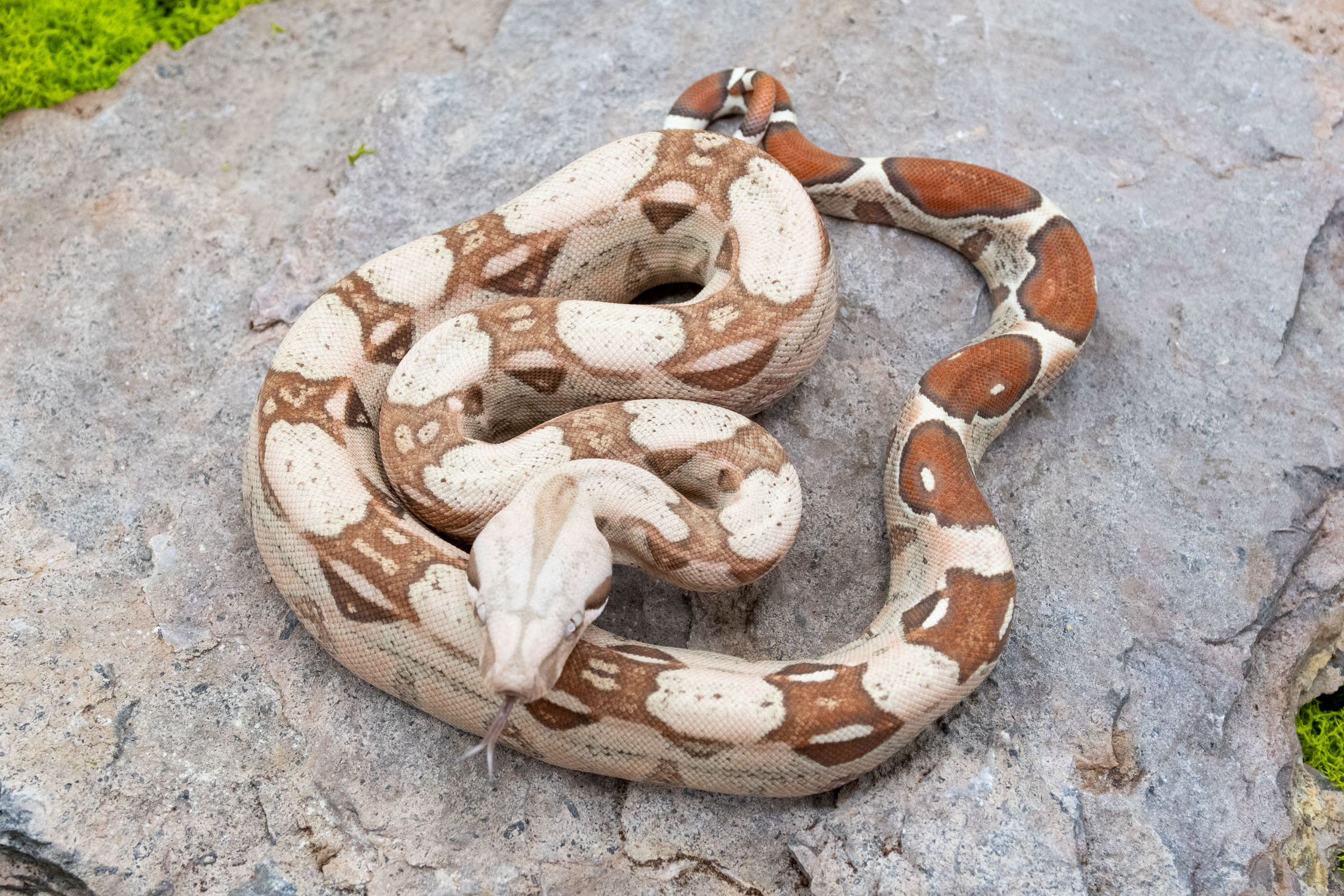 2026 Litter, BCI-10M
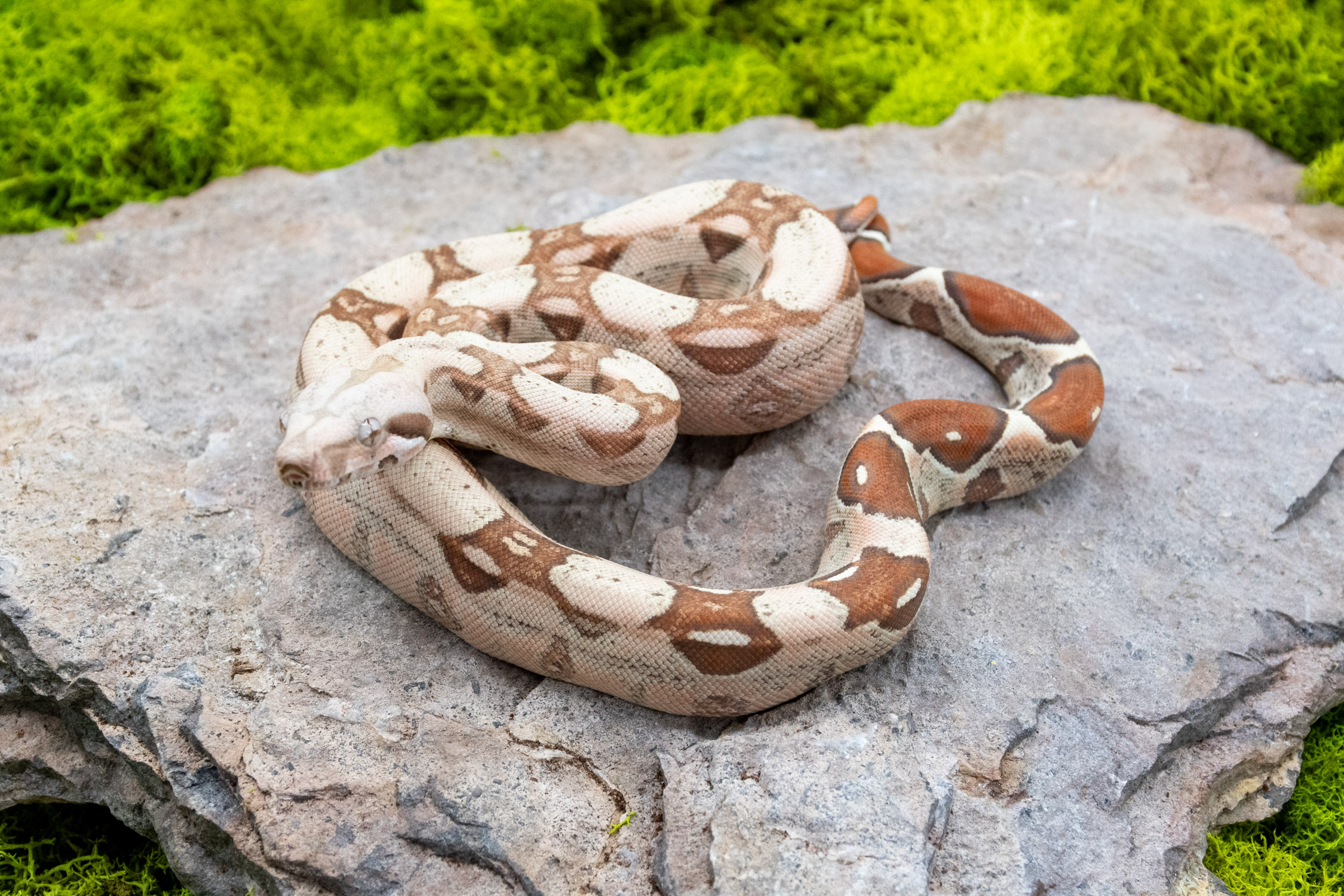 2026 Litter, BCI-10M
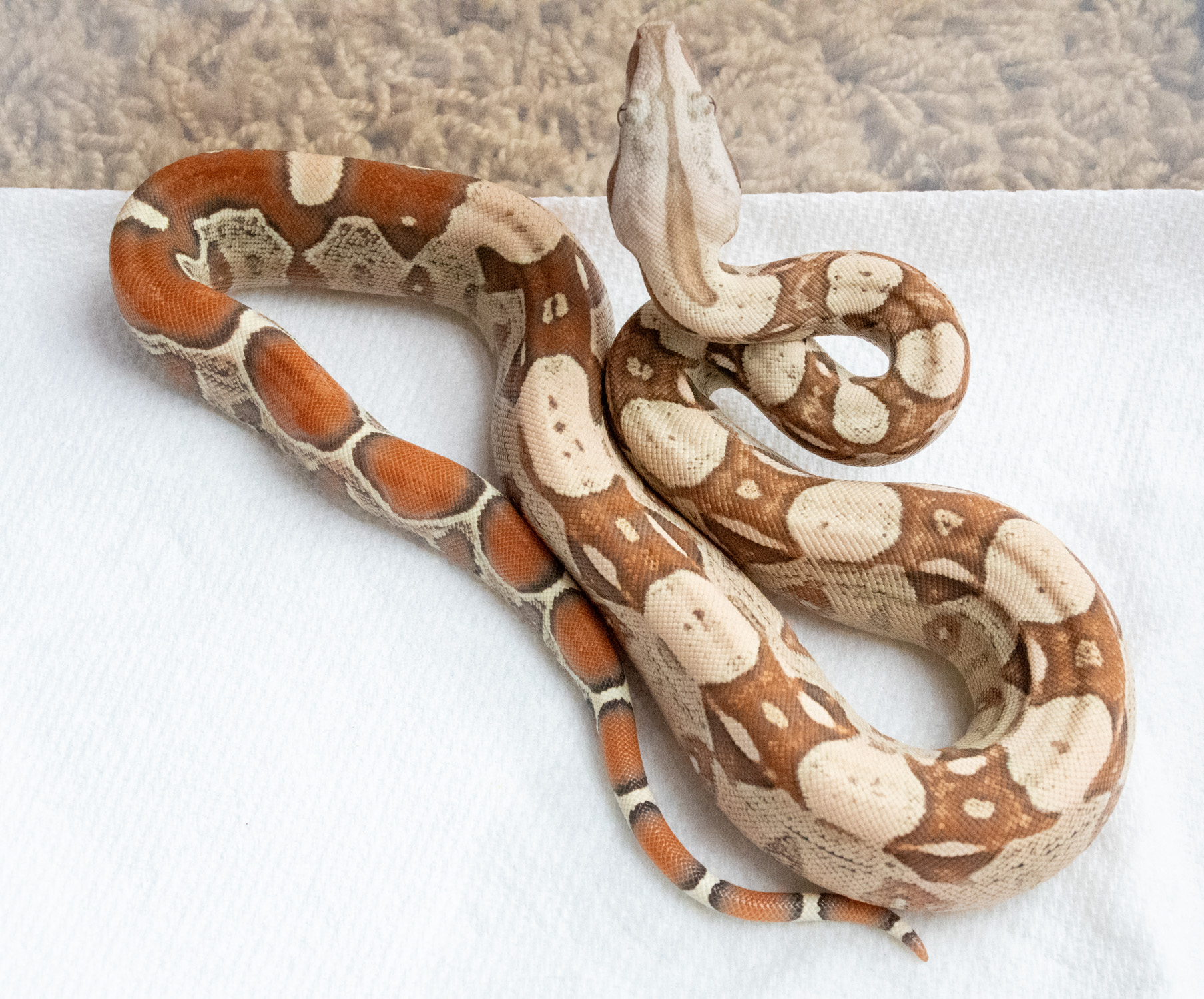 2026 Litter, BCI-11F
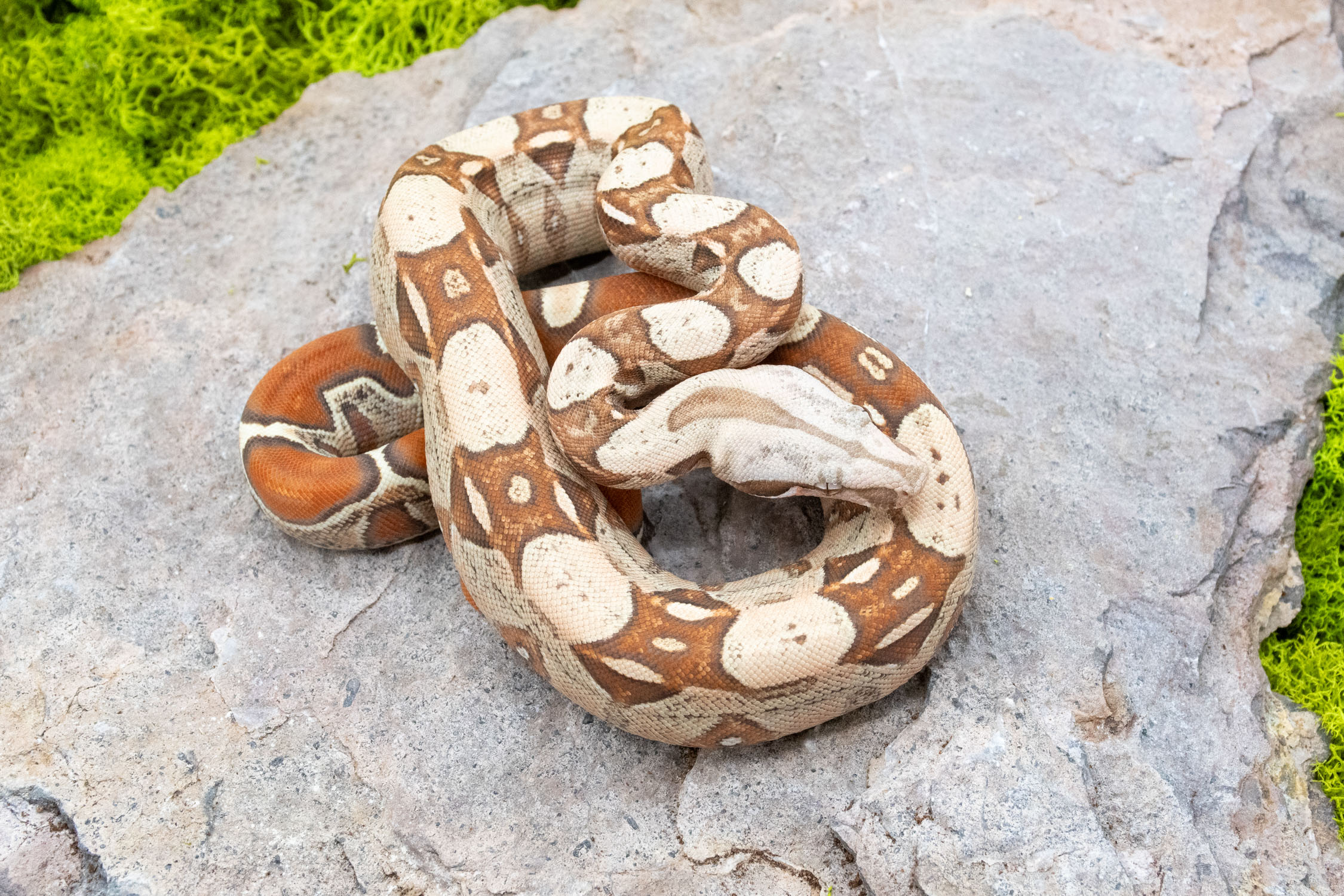 2026 Litter, BCI-11F
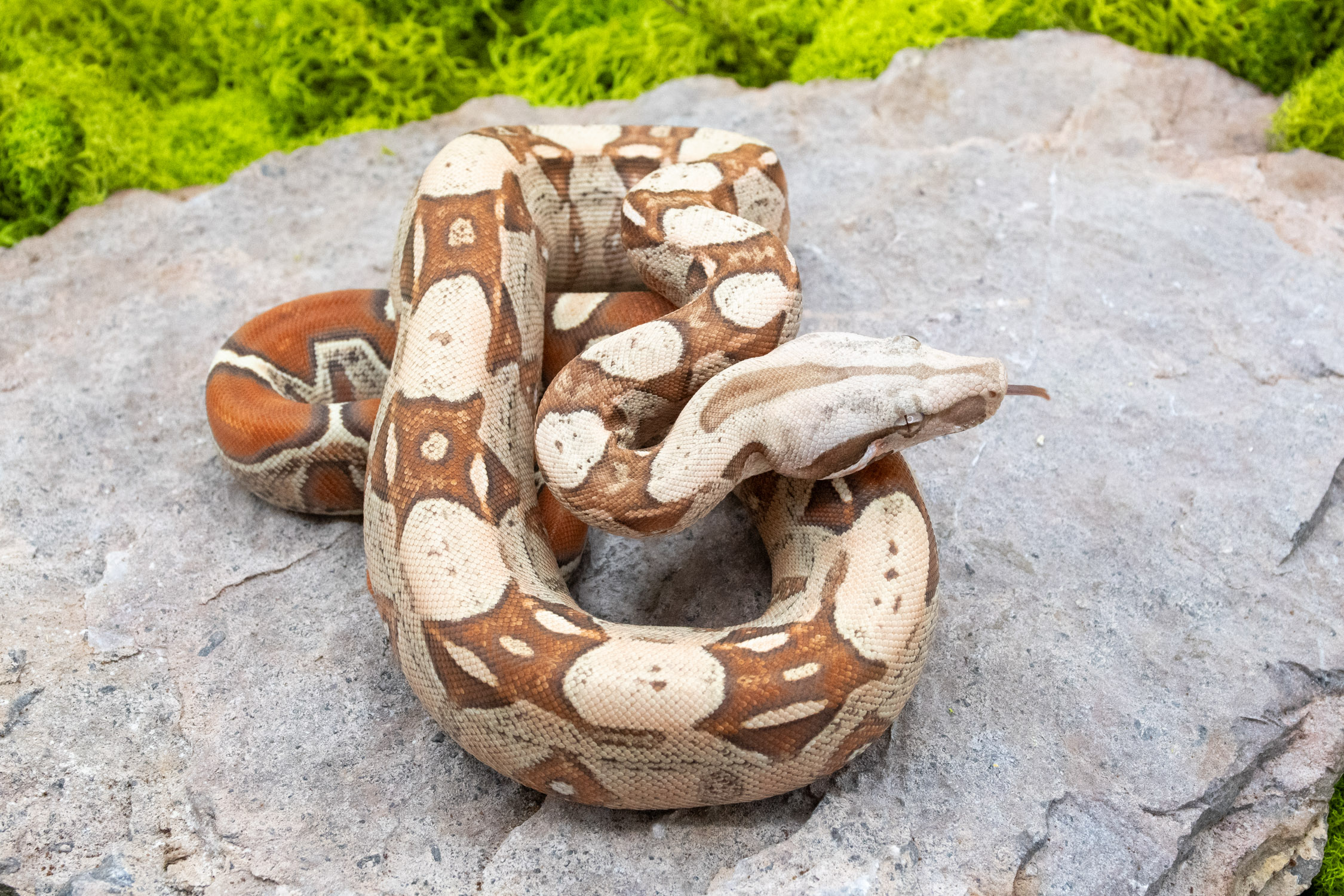 2026 Litter, BCI-11F
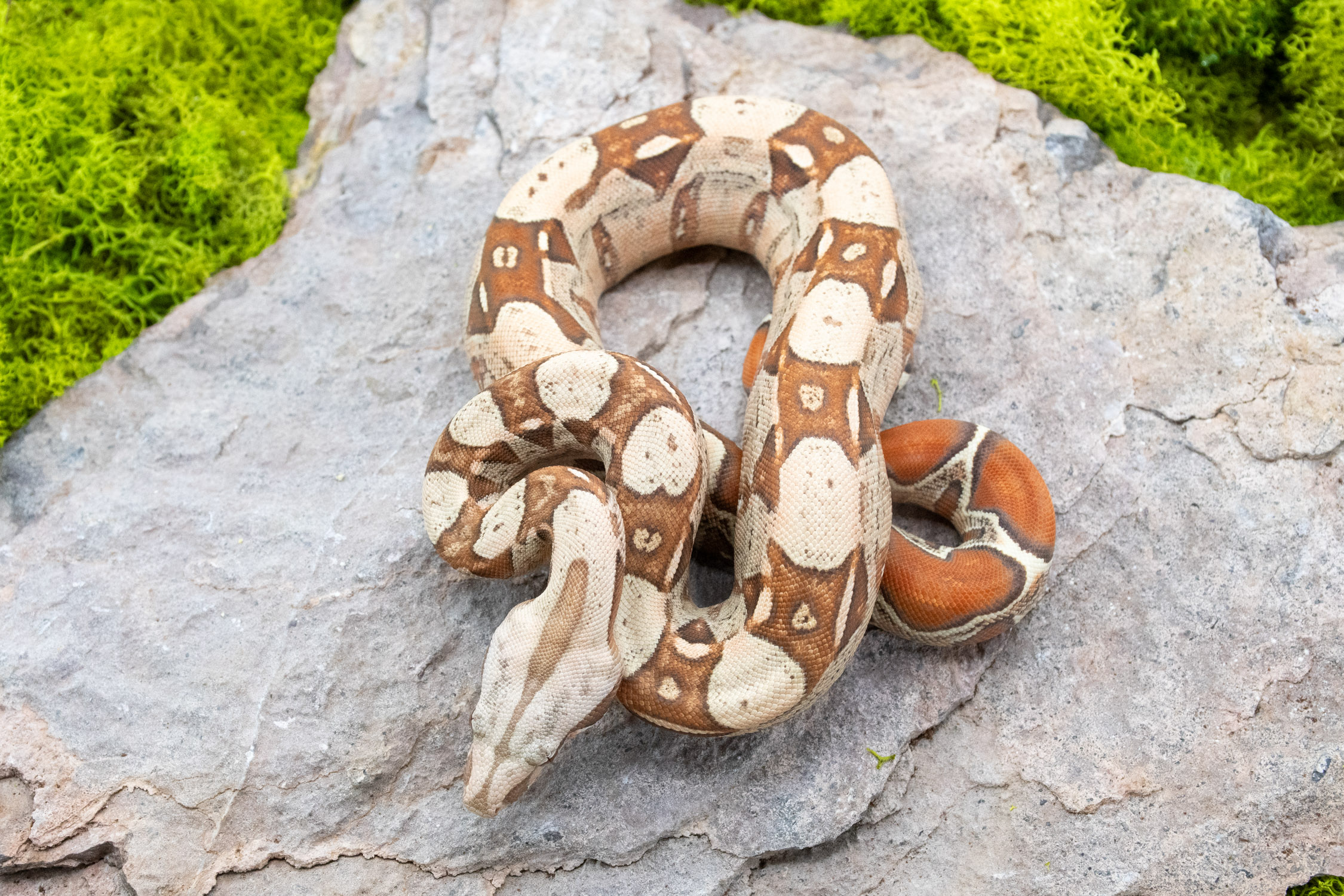 2026 Litter, BCI-11F
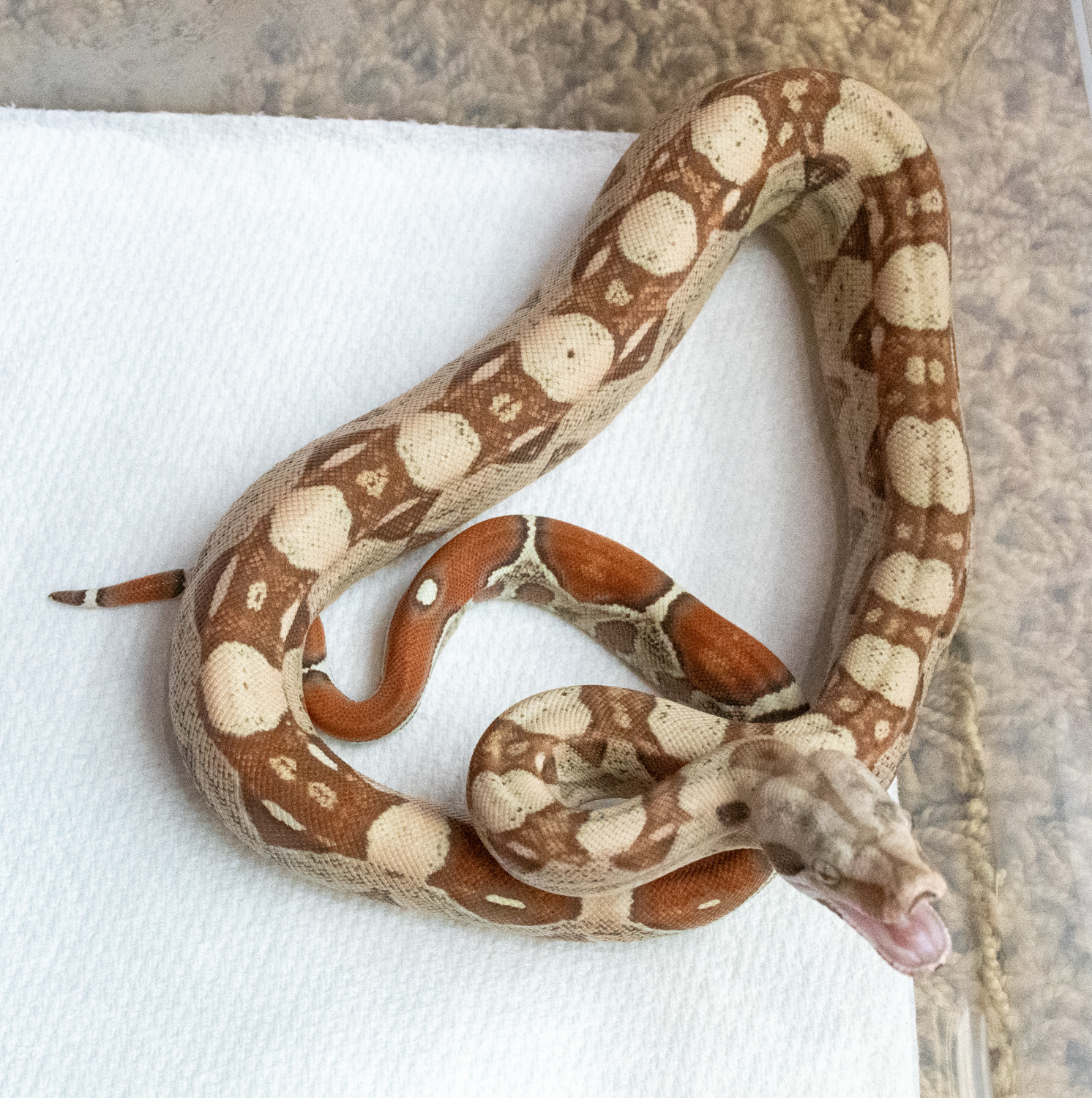 2026 Litter, BCI-12M
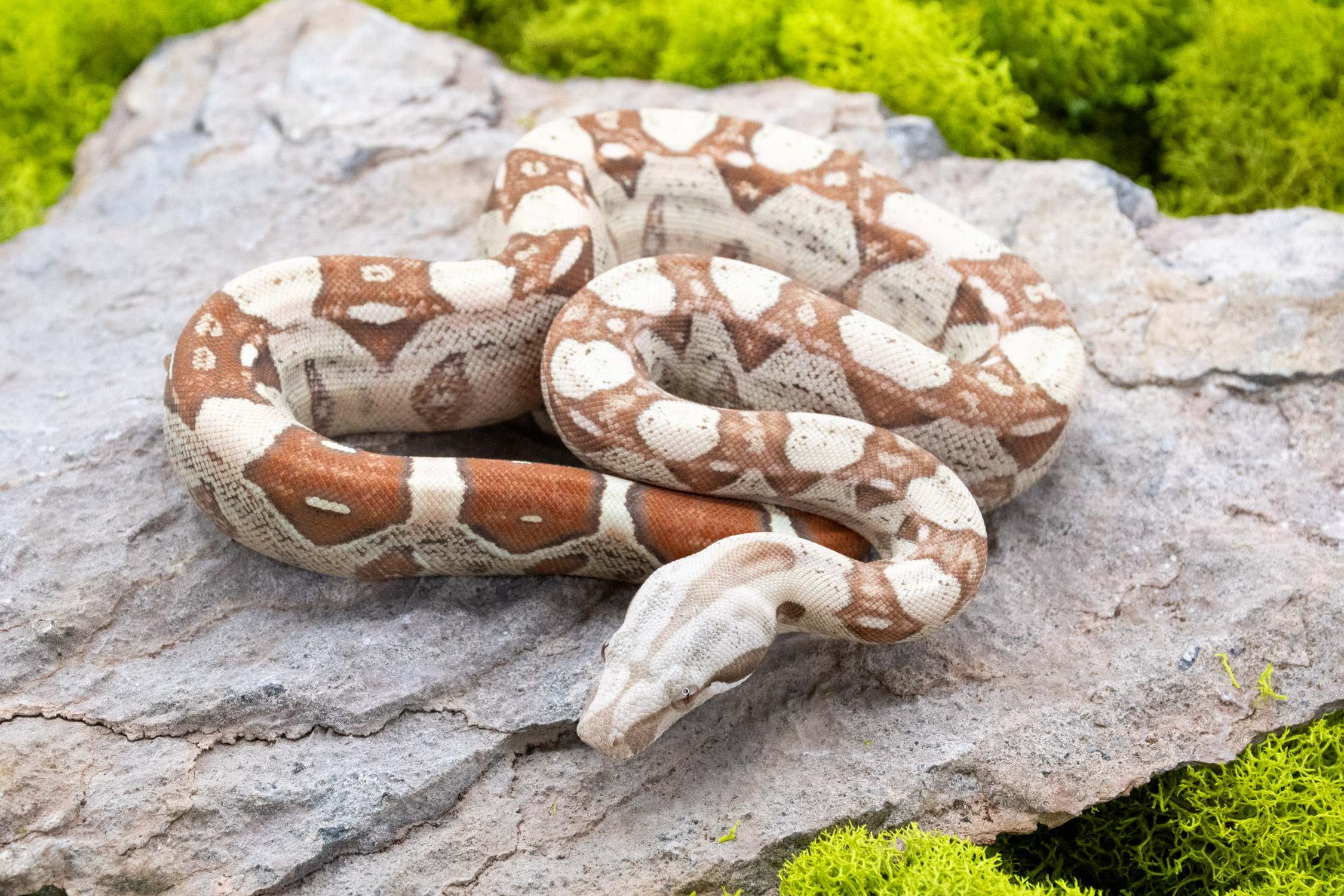 2026 Litter, BCI-12M
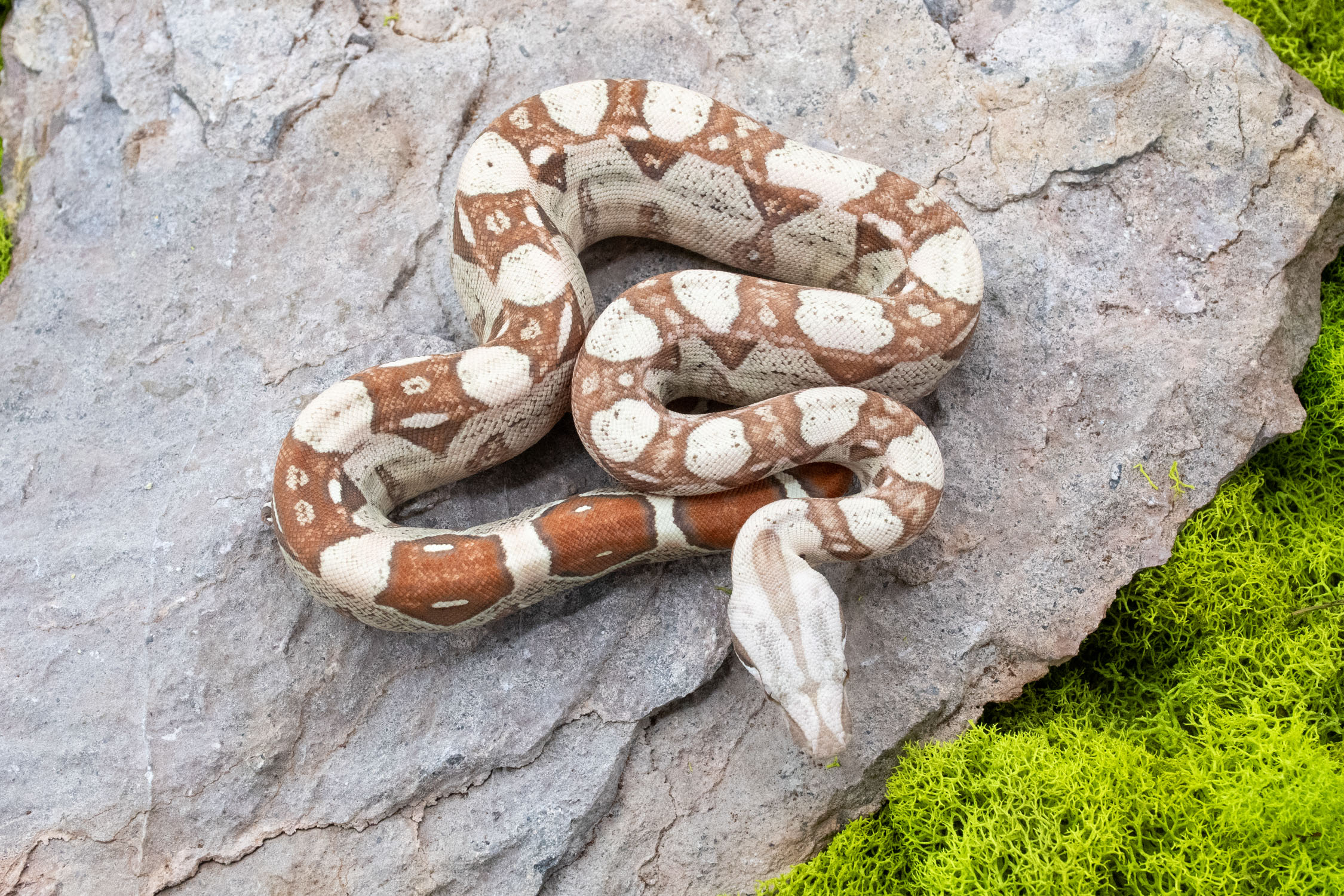 2026 Litter, BCI-12M