Black Pine Snakes
Pituophis melanoleucus lodingi
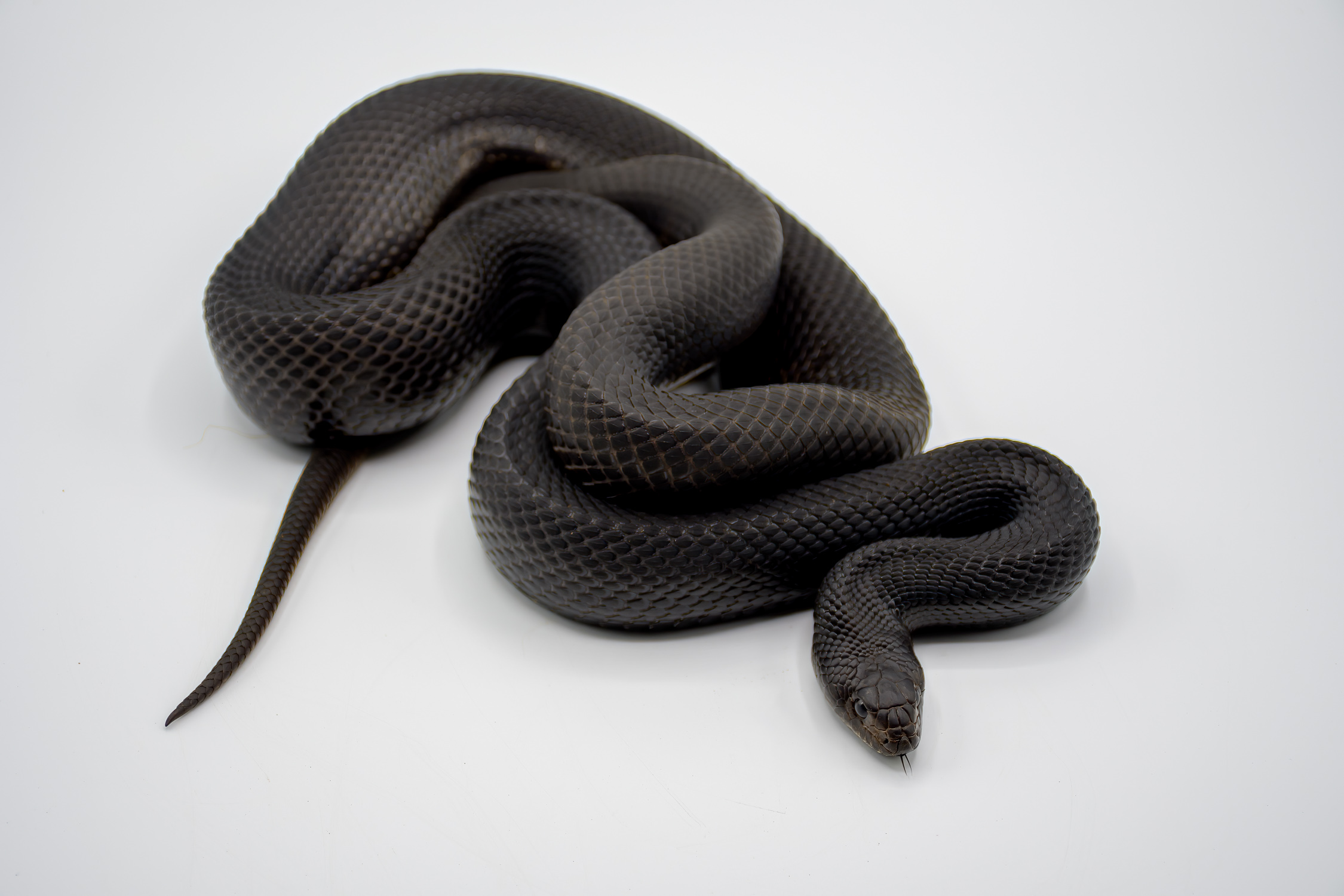
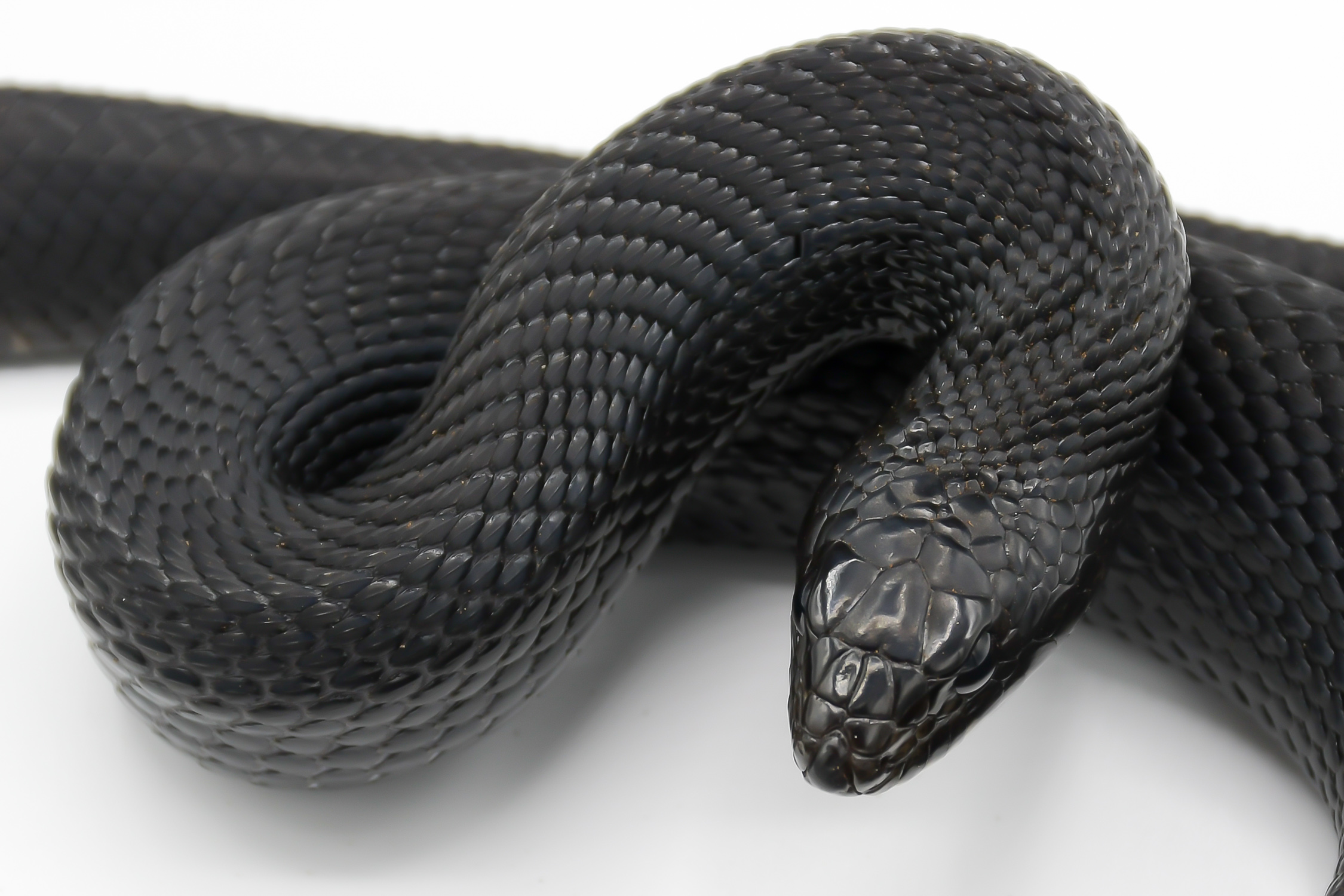
I got my black pine snakes as yearlings in 2022 from Summer Sutherland at The Snake Keeper (TSK). TSK got theirs from Envy Reptiles in Springville, Utah. Black pine snakes are listed as Threatened by the USFWS, so you need an interstate commerce permit to sell or move them between states.
Generally, all black pine snakes look the same. I have seen some black pines that retain more brown tones in their coloring than others, but mine are basically jet black. When I first got my pair, the only way I could tell them apart was that the female has a small white patch of scales on her chin.
As far as temperament goes, my black pines couldn't be any gentler. The female has gotten much bigger than the male and I hand her off to visitors who are afraid of snakes without any concerns. On a few occasions people have sat down on the couch in my snake room and the female has sat still on their lap for half an hour or more.
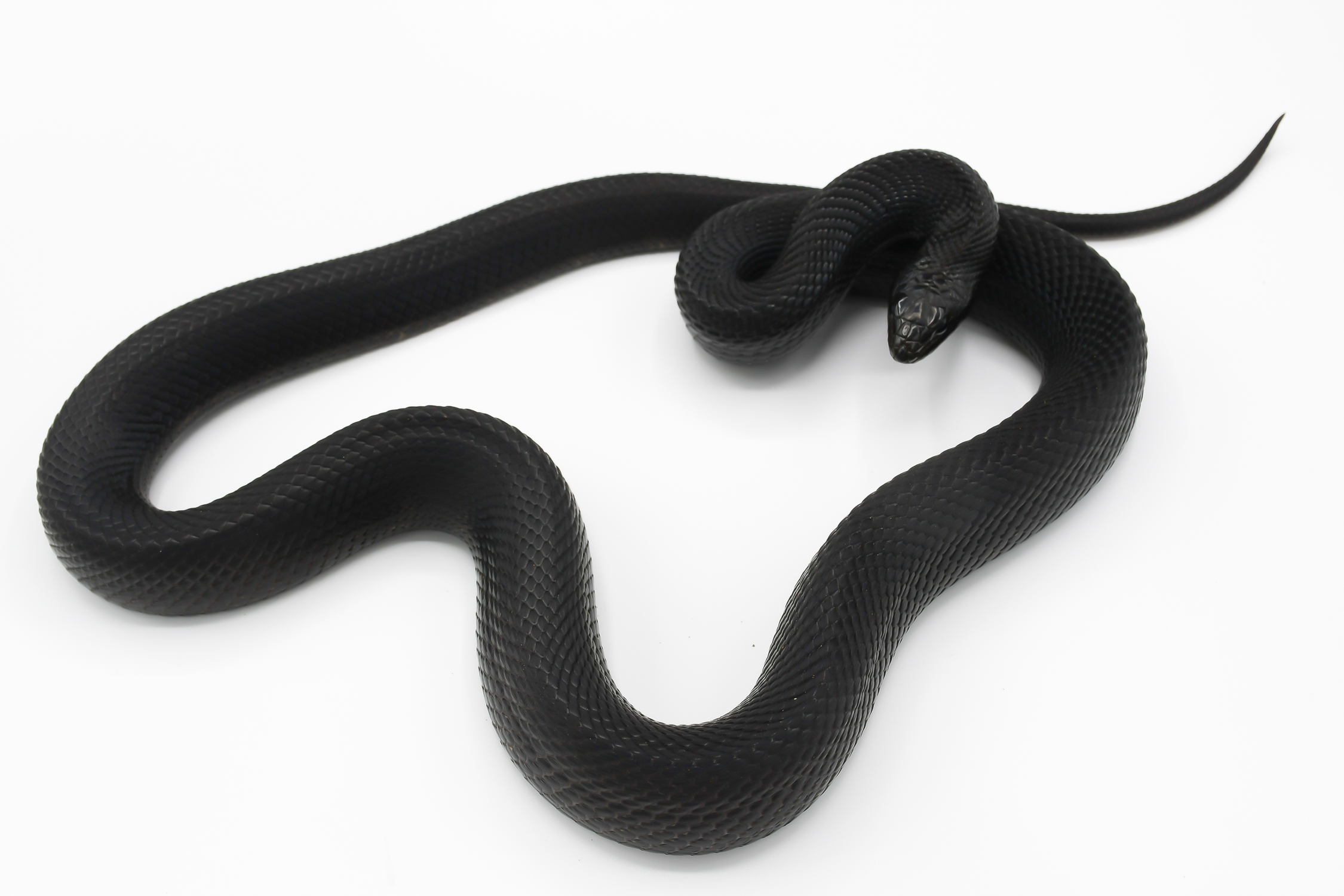 July 2022, female black pine snake
Husbandry
See how to read the husbandry charts.
Temperatures, Humidity, and Light
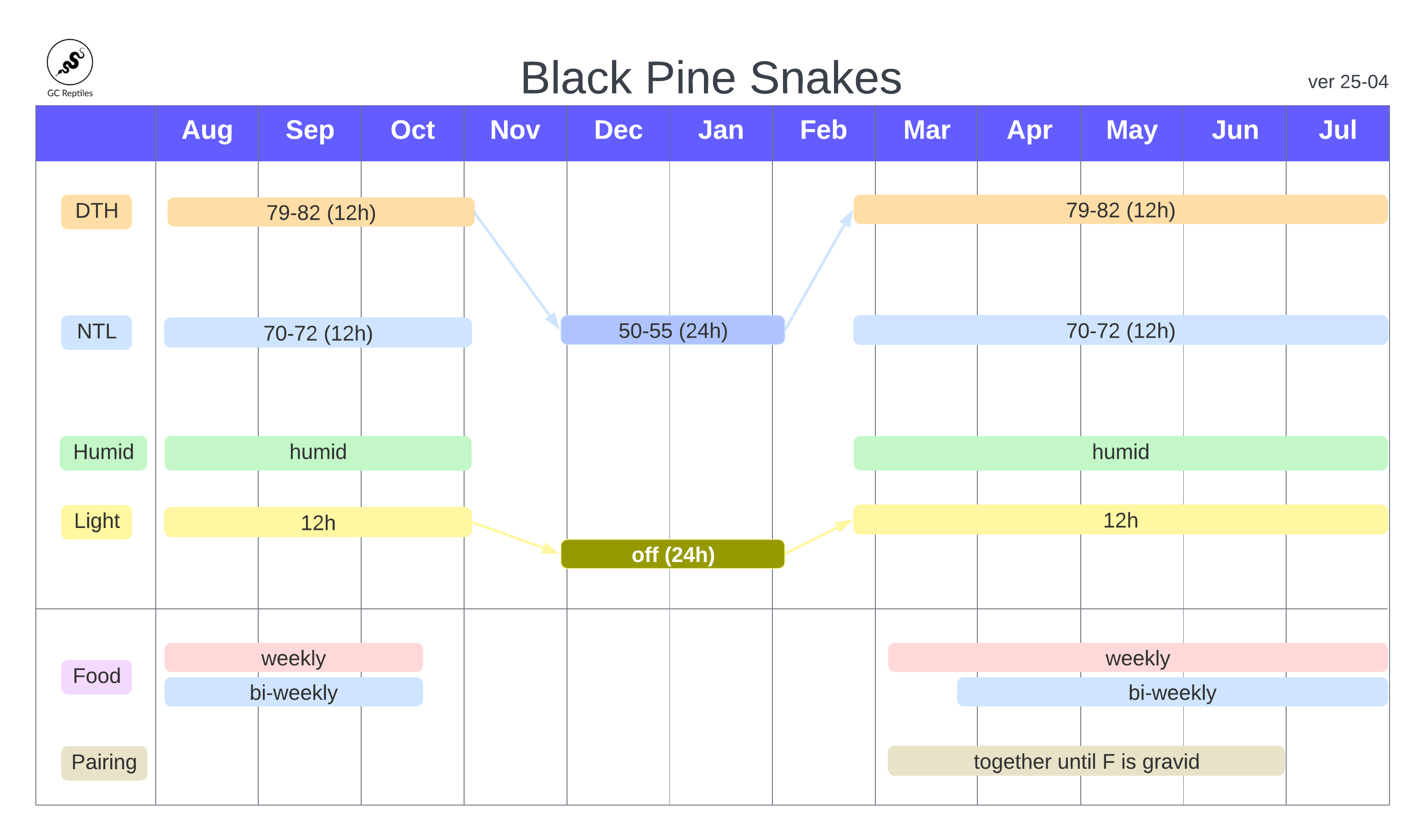
As you can see from the picture above, for most of the year I keep my black pine snakes in enclosures where the daytime high (DTH) is about 79-82F for 12 hours a day, and then at night, the nighttime low (NTL) is about 70F. The enclosures have higher than ambient humidity because I live in a dry area where the relative humidity is frequently around 30%. So I keep my black pines on coconut chip bedding that I wet down frequently. There are many fans in my snake room so the bedding doesn't sit in stagnant air and get moldy. I've found that the black pines like to burrow in the substrate a lot but they do come out and roam the cage. So I have the room lighting on for 12 hours and off for 12 hours to mimic their wild environment.Feeding
Like most captive snakes, black pines do very well on a diet of mice and rats. I feed my female a medium rat and my male a small rat according to the schedule in the chart - weekly for the female for most of the year, bi-weekly for the male for most of the year.Breeding
I breed my pair although as I said before they can't be sold across state lines without a federal permit, so I'm mindful that the customer pool for babies is limited to the state of Utah.
But they are bred similar to the way most other North American colubrids are bred. They get their last food at the end of October and then during the month of November I slowly bring their enclosure temperature down to the low 50s F. By December, they are in a space where the lights are off 24h a day and the temperatures stay in the low 50s. I have a water bowl in each enclosure and I replace the water every 2 weeks during this cooling period. Then, in February I start increasing their daytime temperature and increasing the period of light for them until they are back at their previous temperatures. I should point out that during this cool-down period they have access to water but I don't make the substrate very damp at all. I keep their humidity level a bit lower than usual because I worry about the excess humidity and cold making them sick.
Once they are back on their standard temperatures at the beginning of March, the female starts getting her food first, but I hold off on the male for a few weeks. They are also paired together at the beginning of March but I separate them for a couple of days whenever one or both of them are being fed.
I have only bred them a couple of years so far but each time the female has had a pre-lay shed on the same day, 4/30. Then on 5/10 she has laid eggs. The clutches have been 5 eggs each time, although the first year none of the eggs made it to hatching. I did not candle the eggs when they were laid so I don't know if they were viable or not. But the second year there were 3 babies born after a 72-day incubation period at 80F.
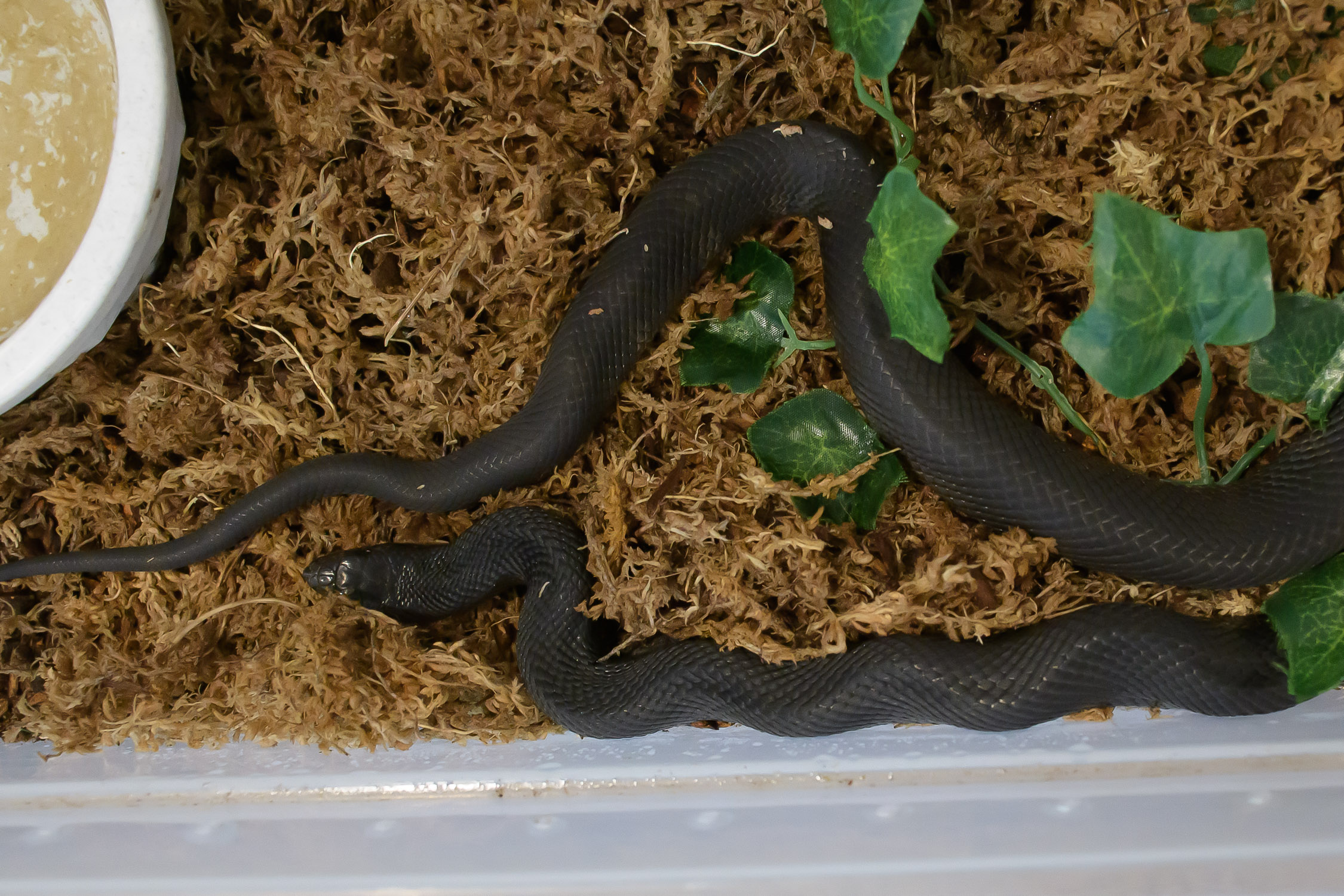 Asmodeus, 2022
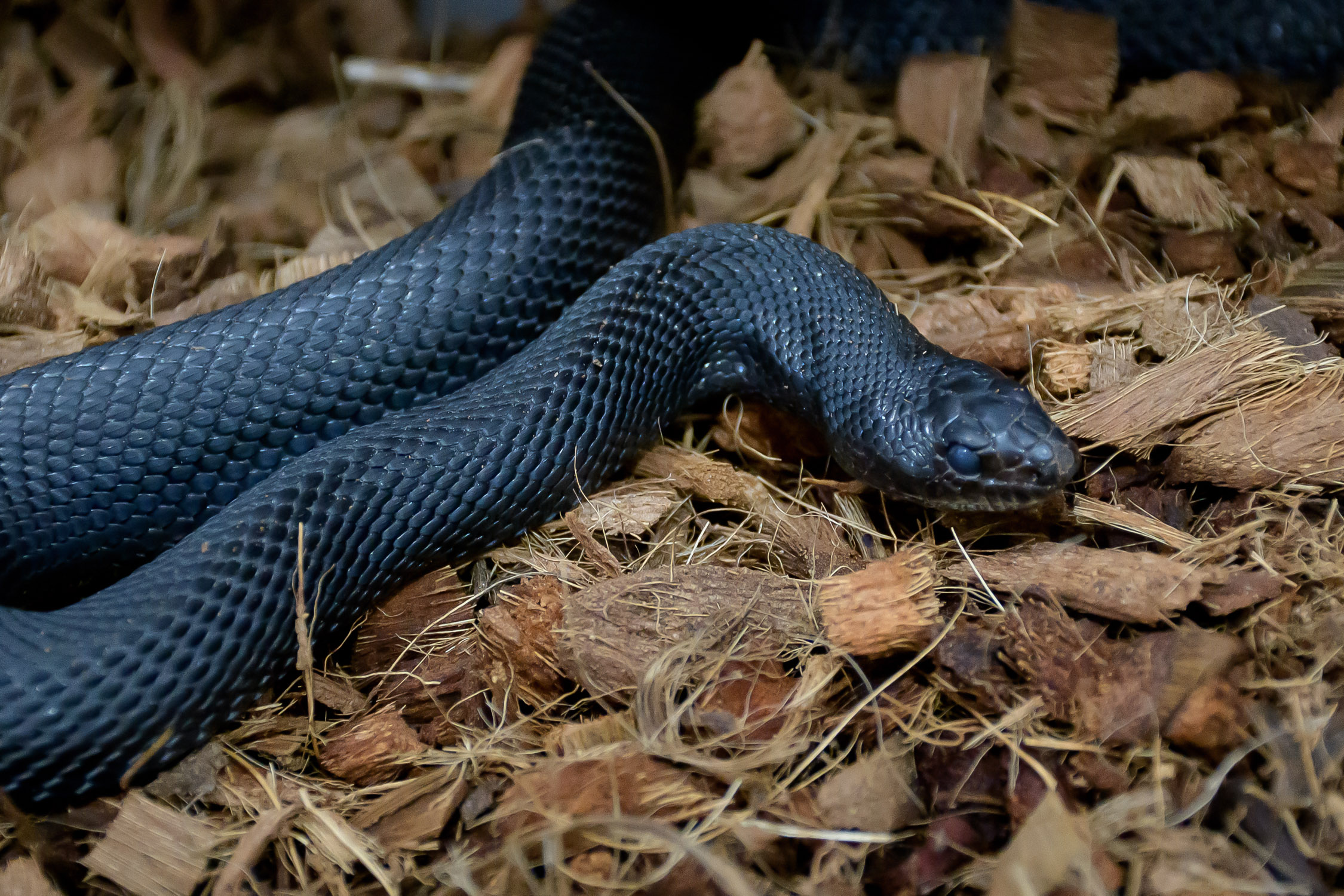 Asmodeus, 2023
- Asmodeus, 2024
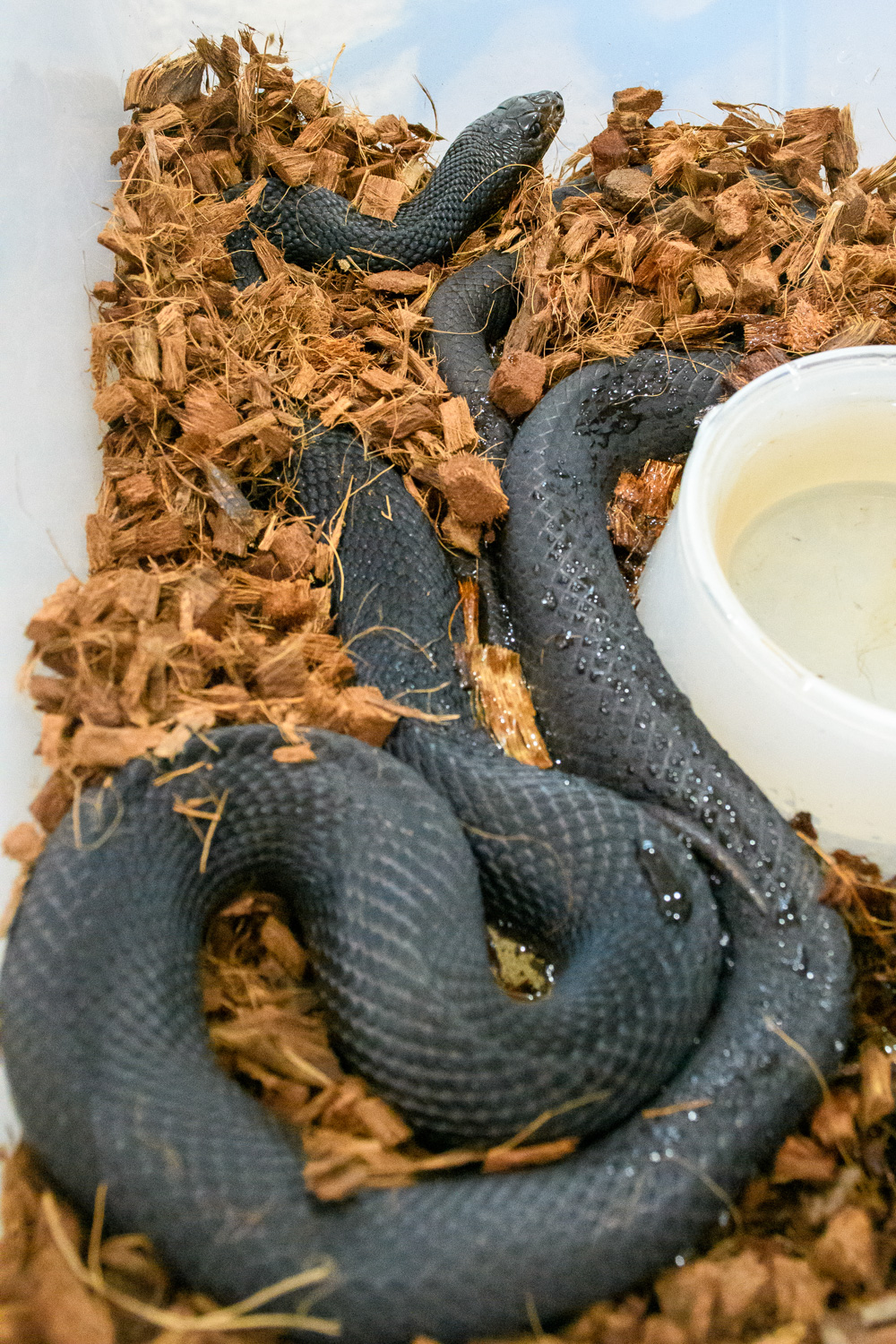 Asmodeus, 2025
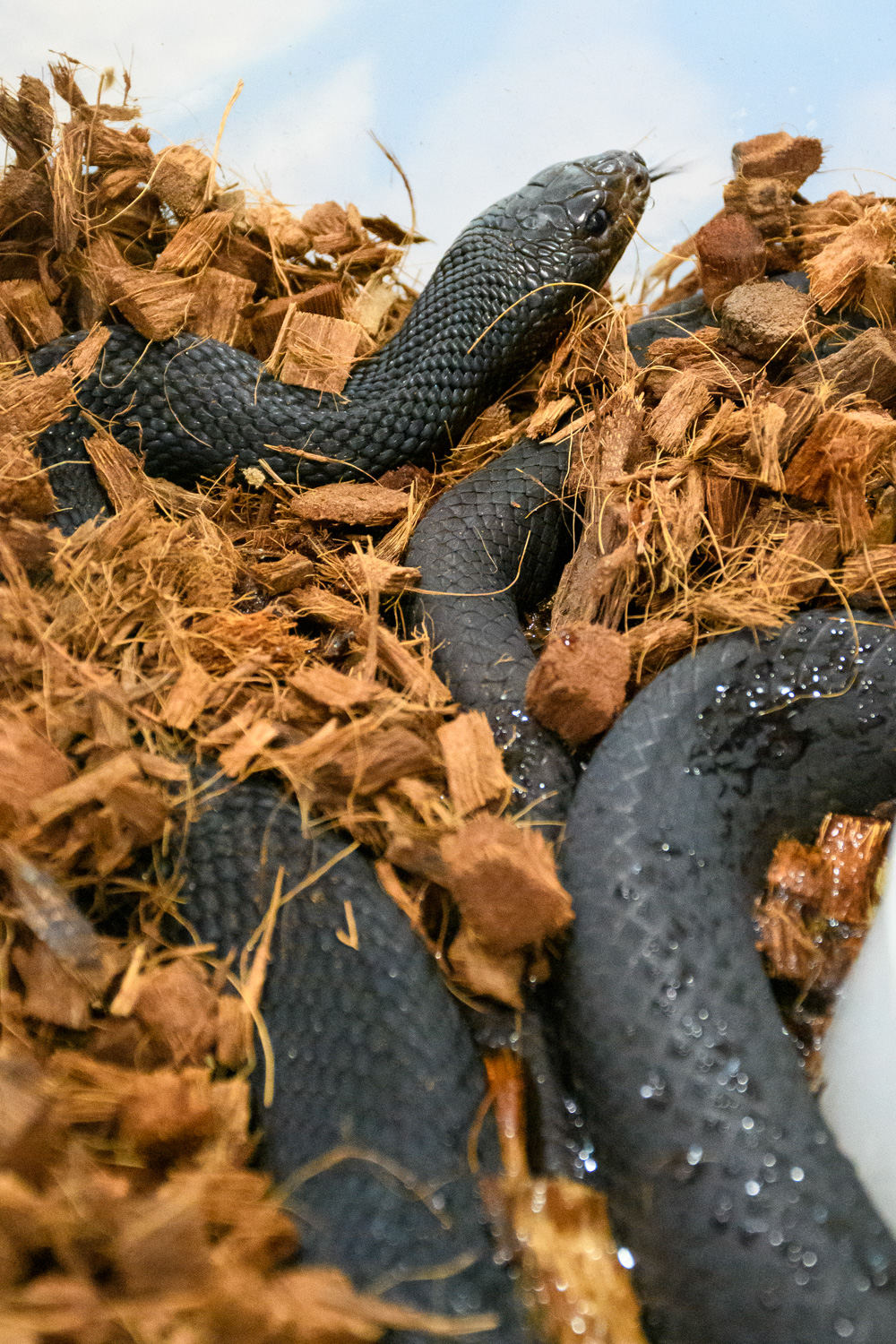 Asmodeus, 2025
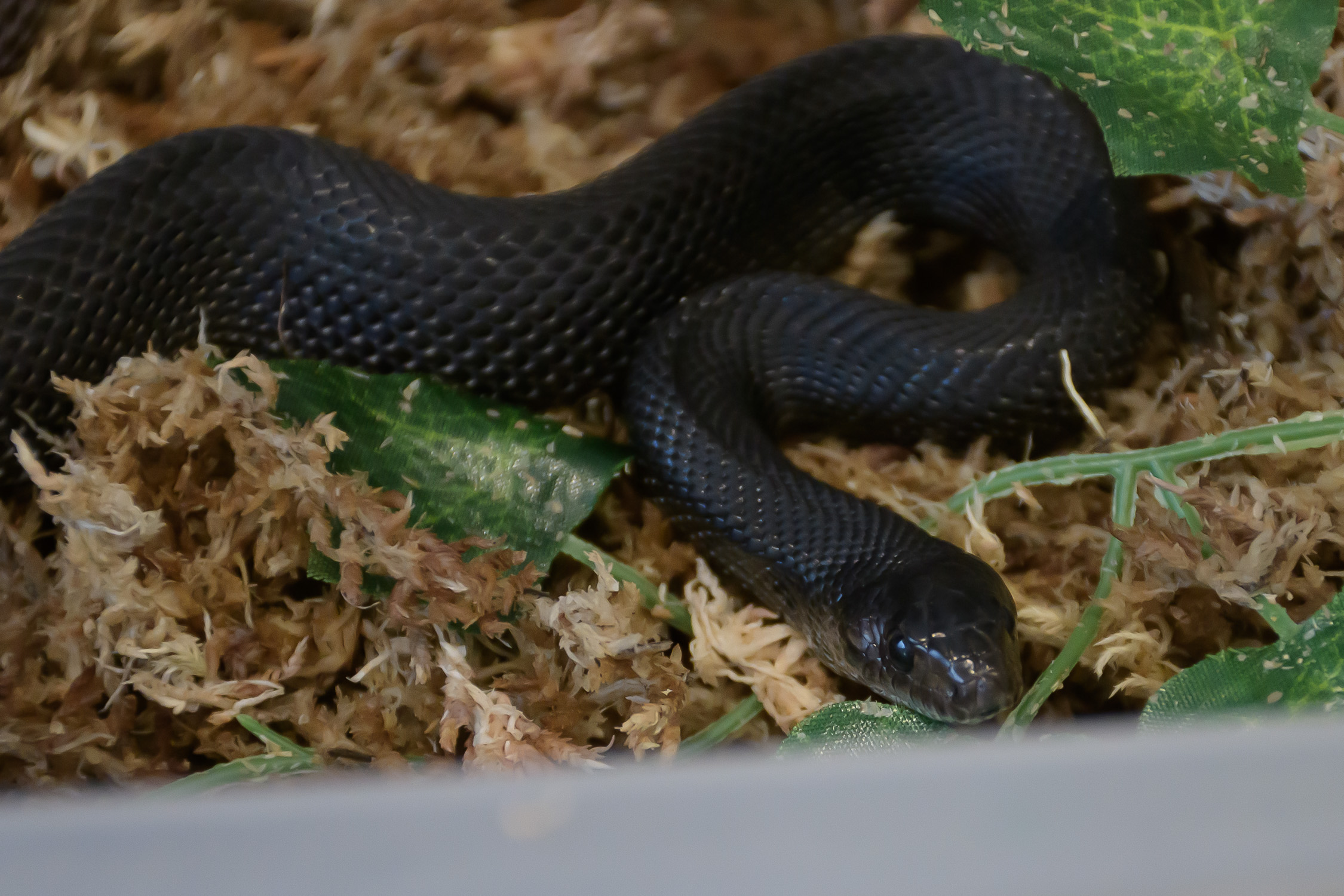 Nightshade, 2022
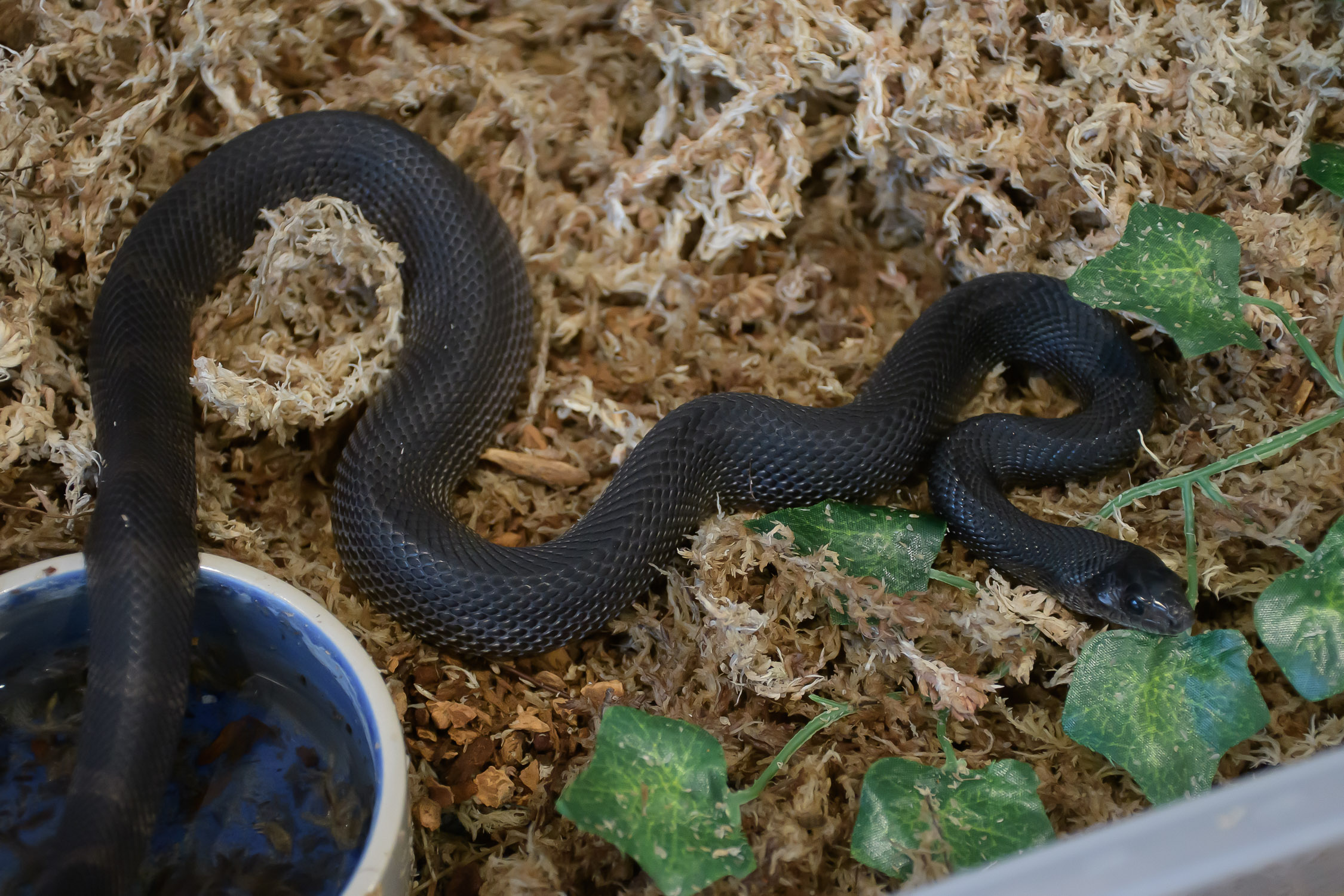 Nightshade, 2022
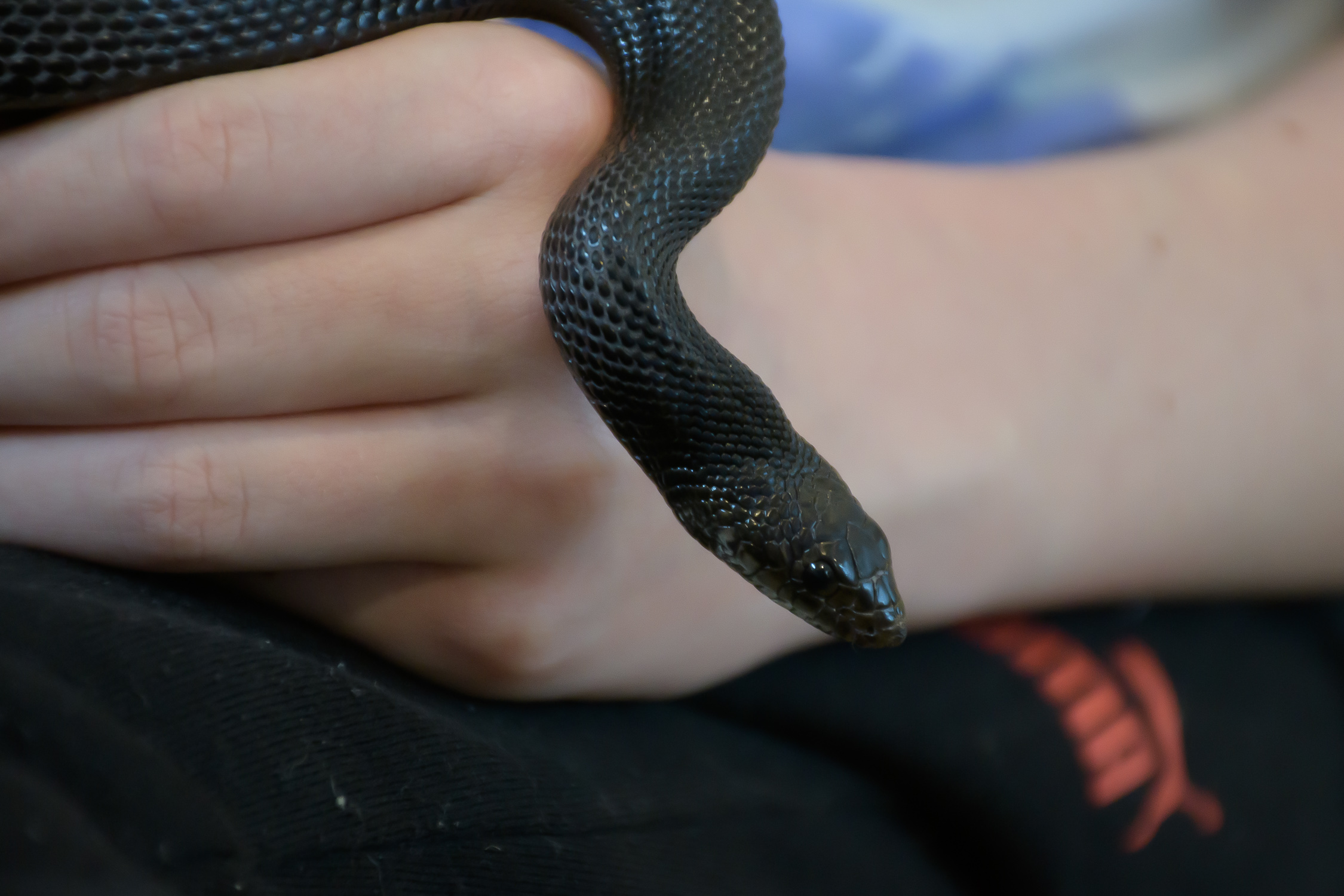 Nightshade, 2022
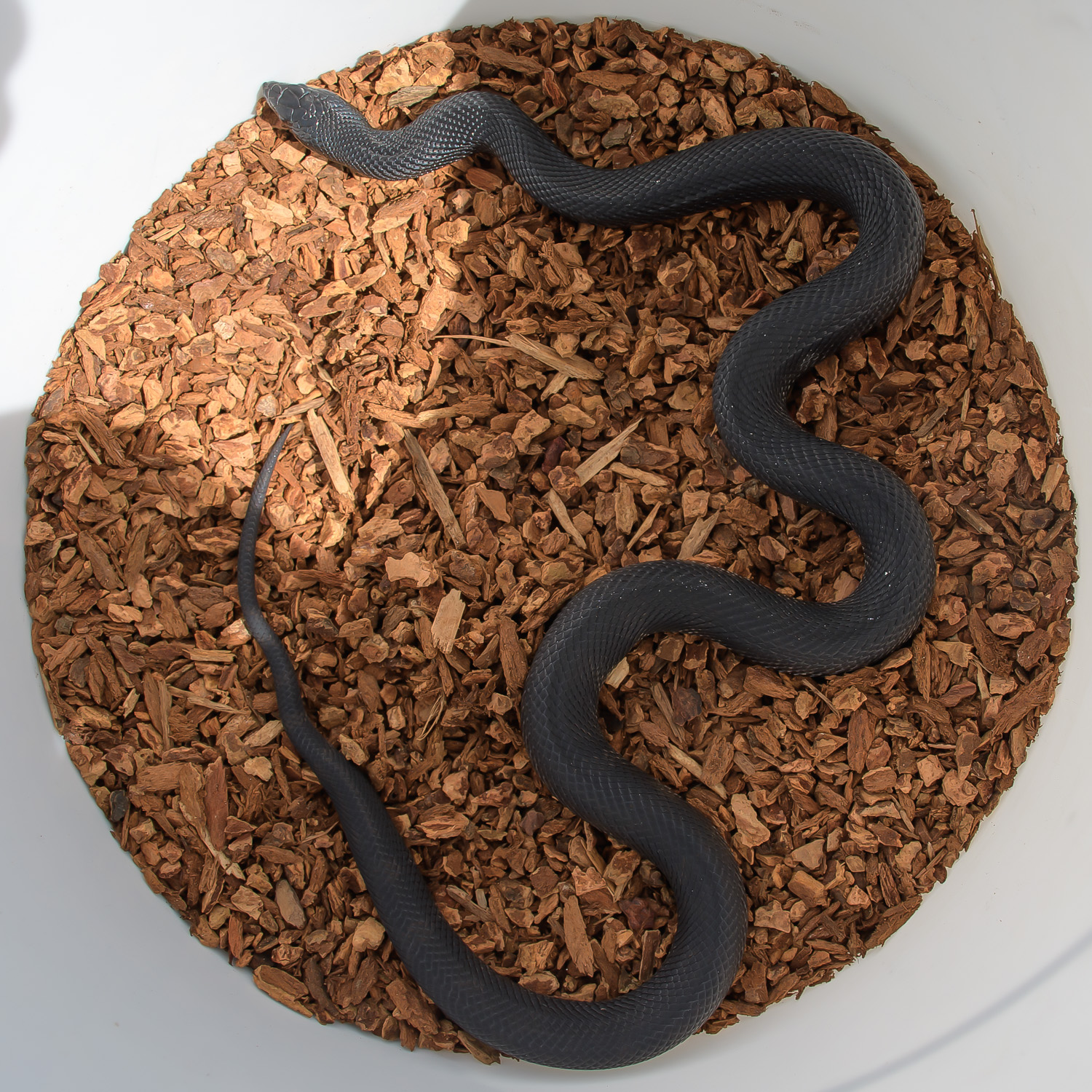 Nightshade, 2022
- Nightshade, 2022
- Nightshade, 2022
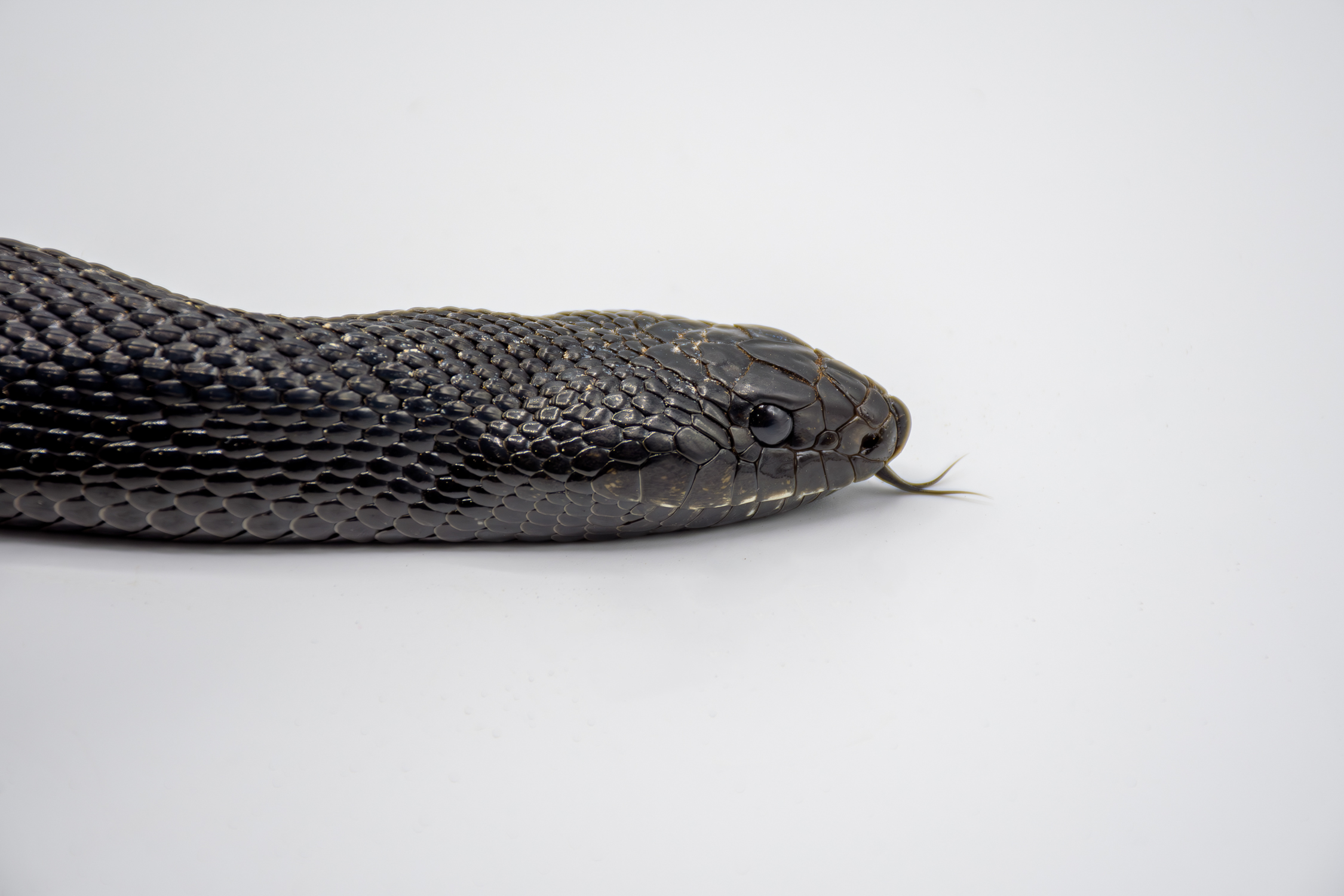 Nightshade, 2024
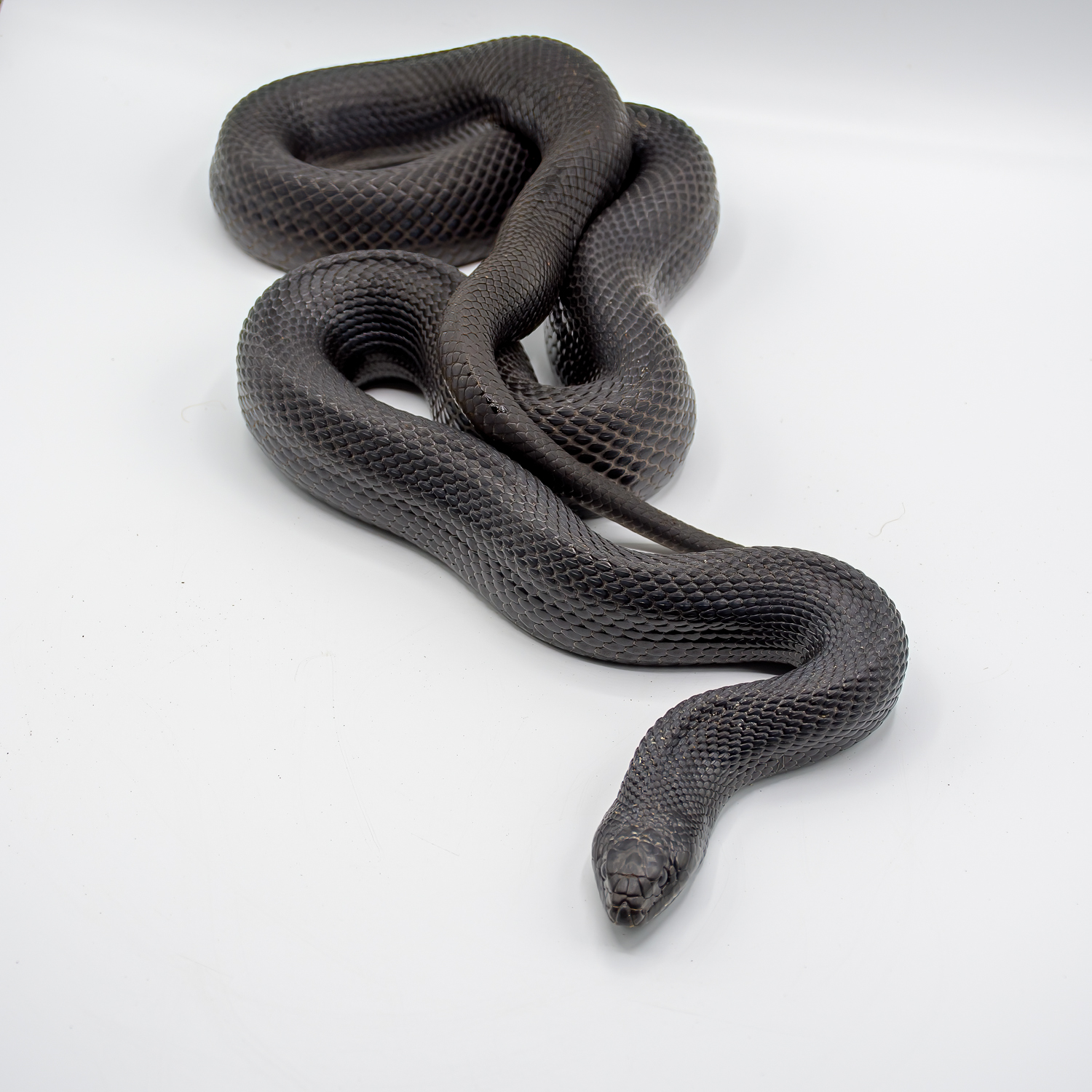 Nightshade, 2024
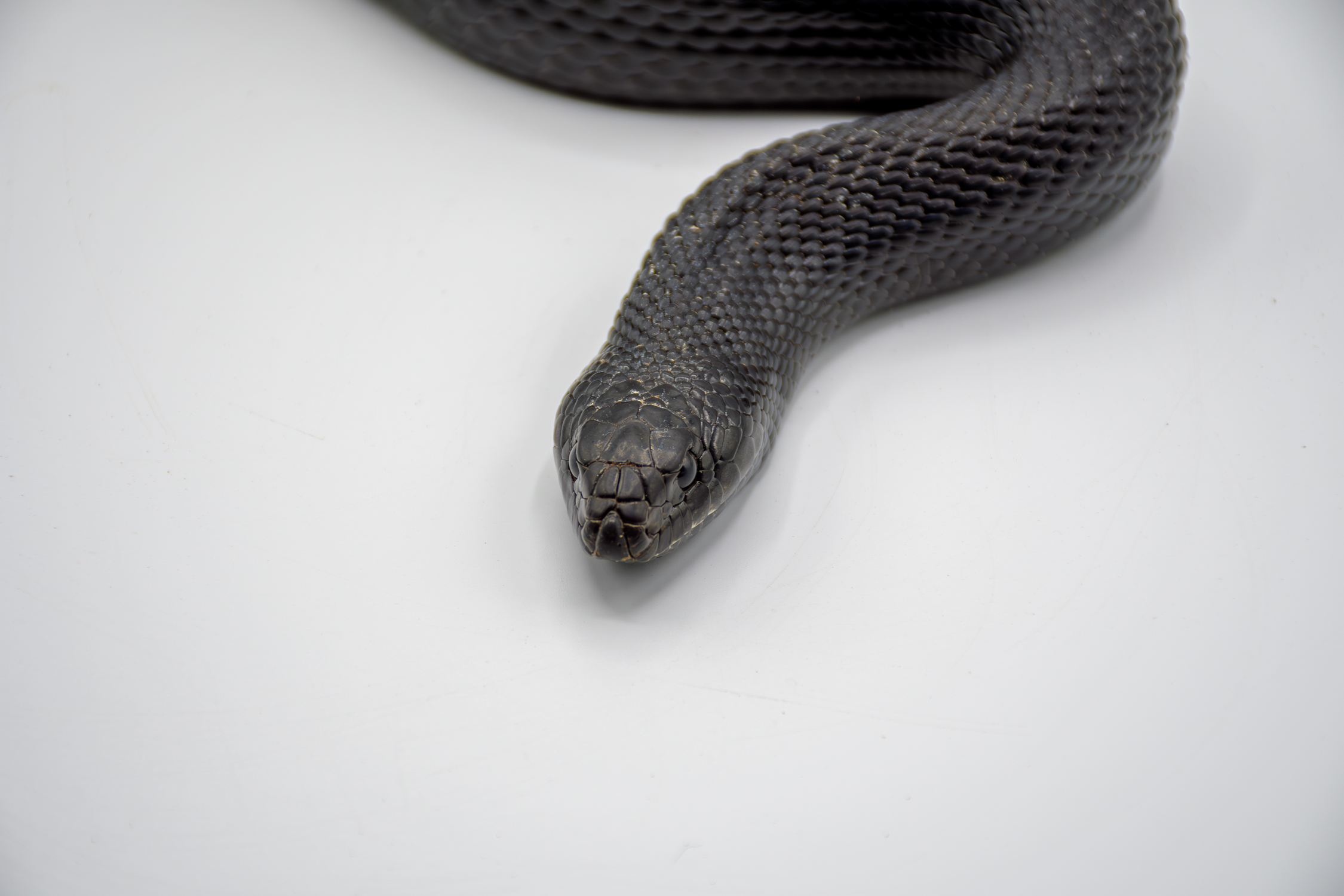 Nightshade, 2024
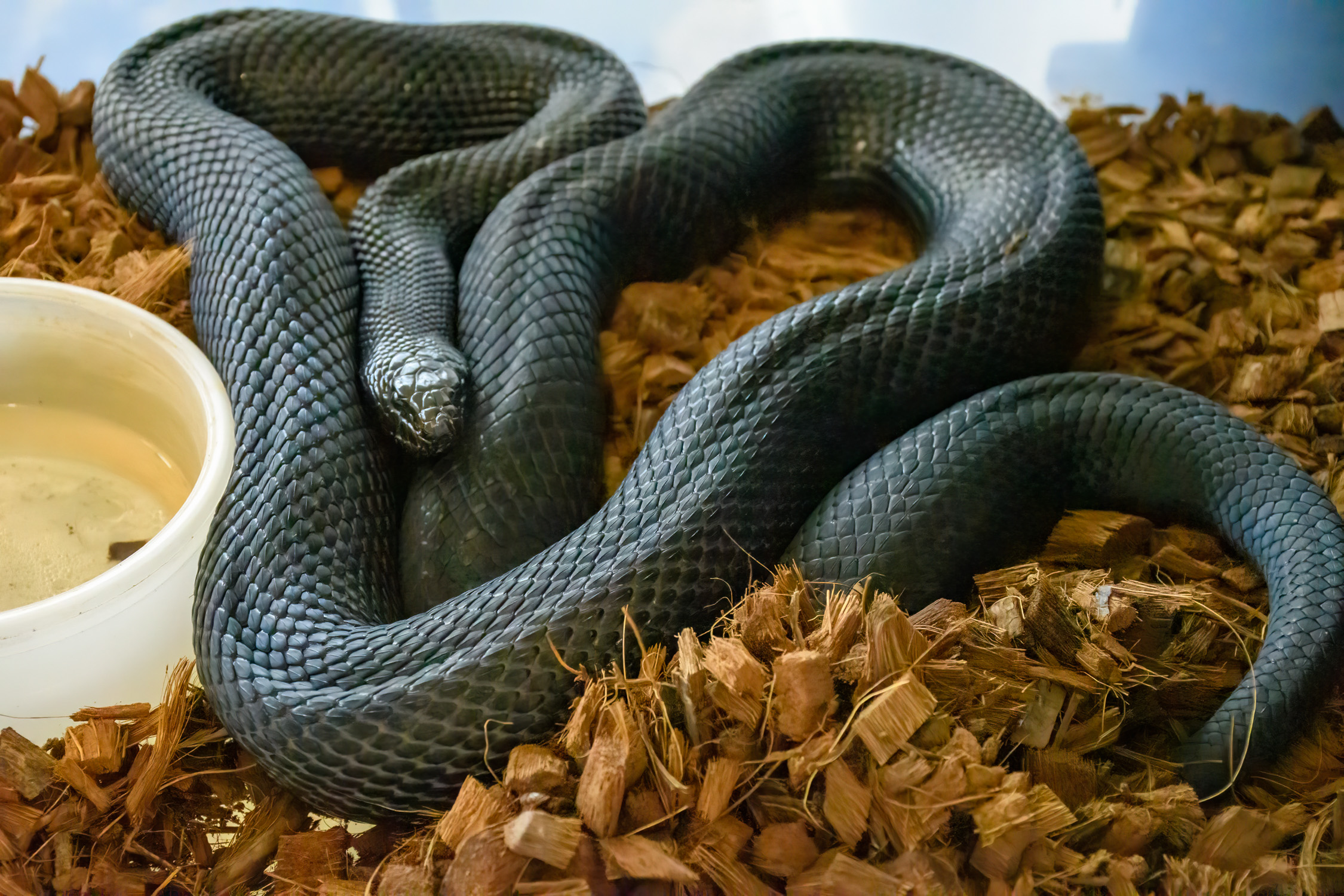 Nightshade, 2025
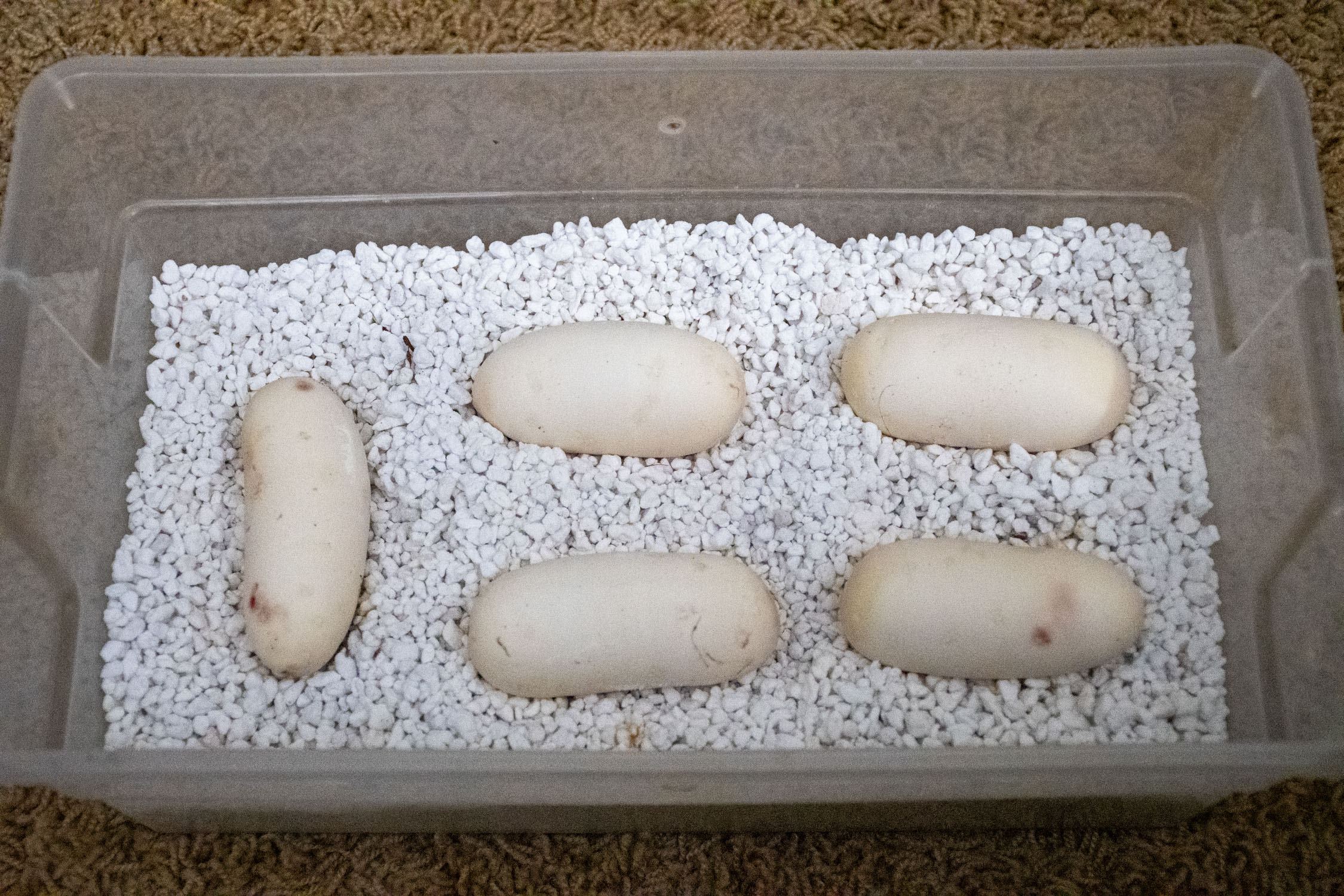 2026-05-10, clutch of eggs
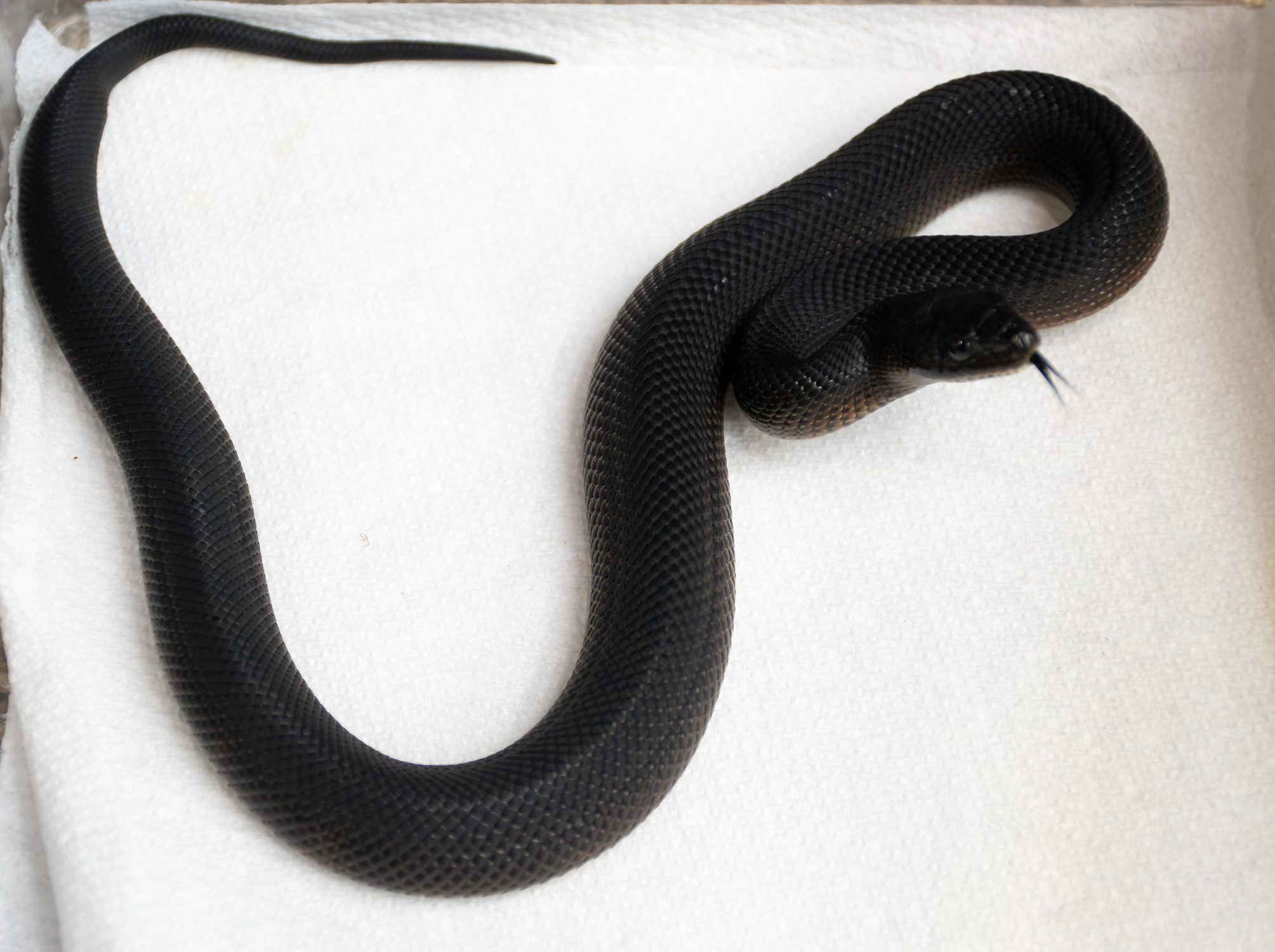 2026 clutch, BKP1M
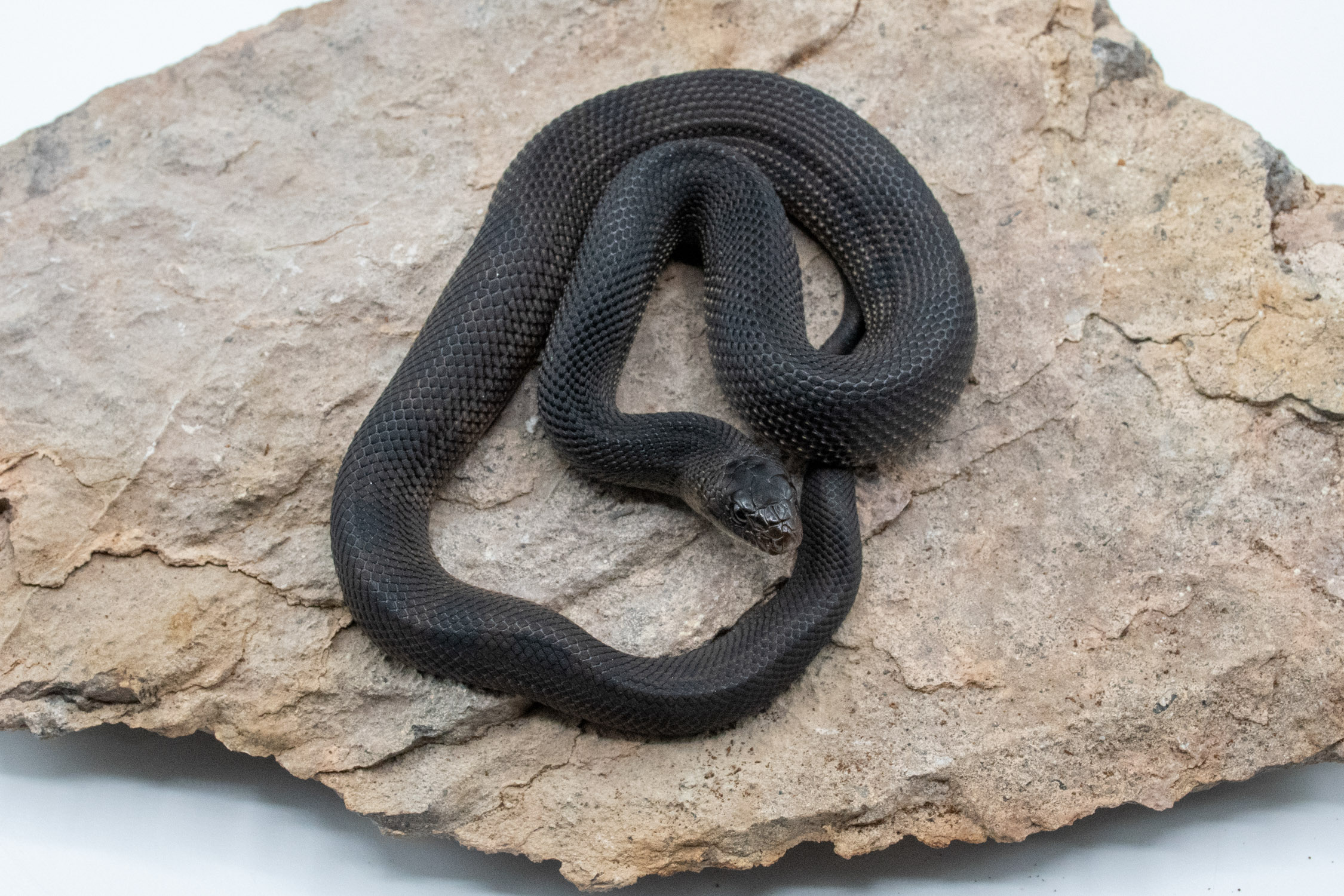 2026 clutch, BKP1M
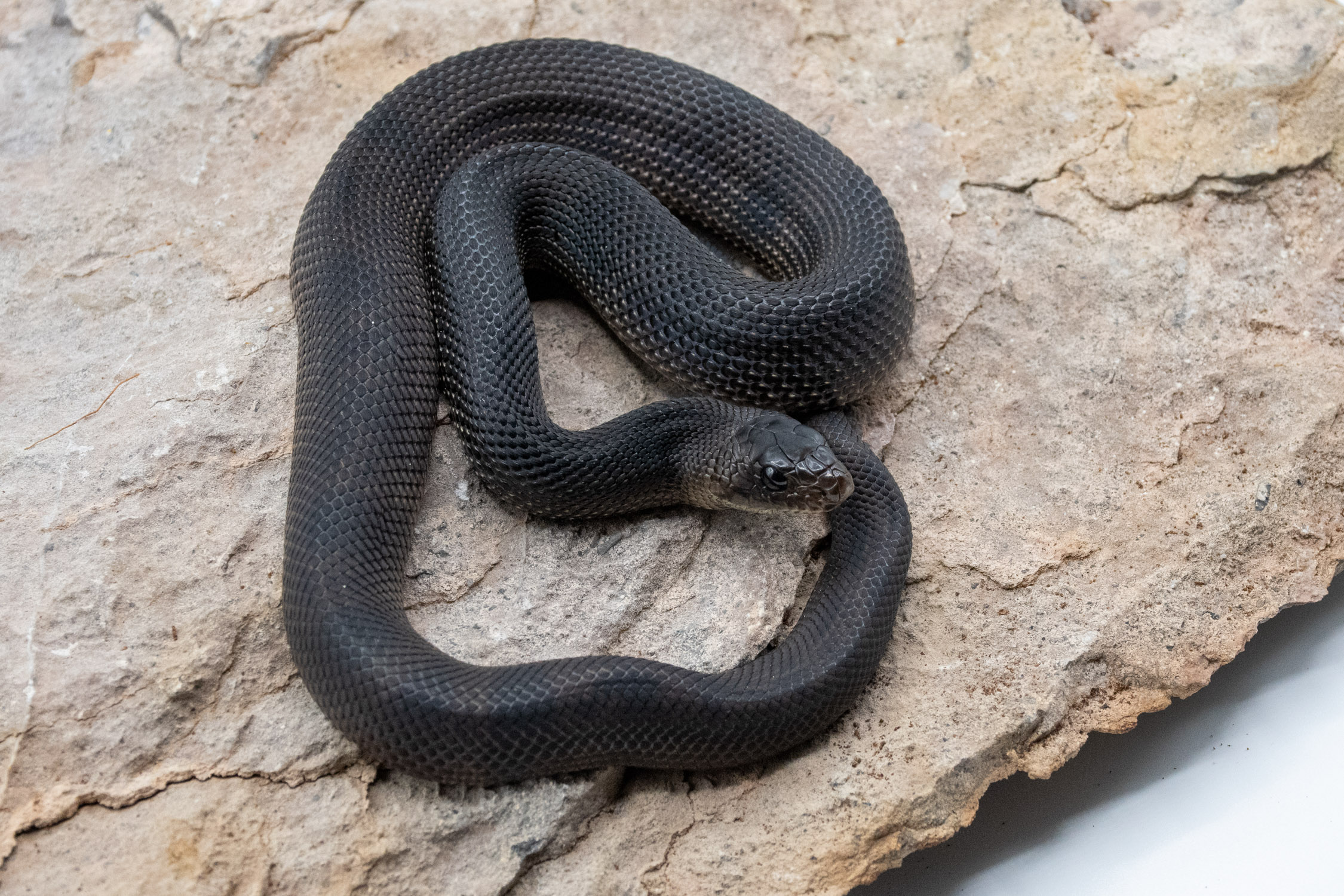 2026 clutch, BKP1M
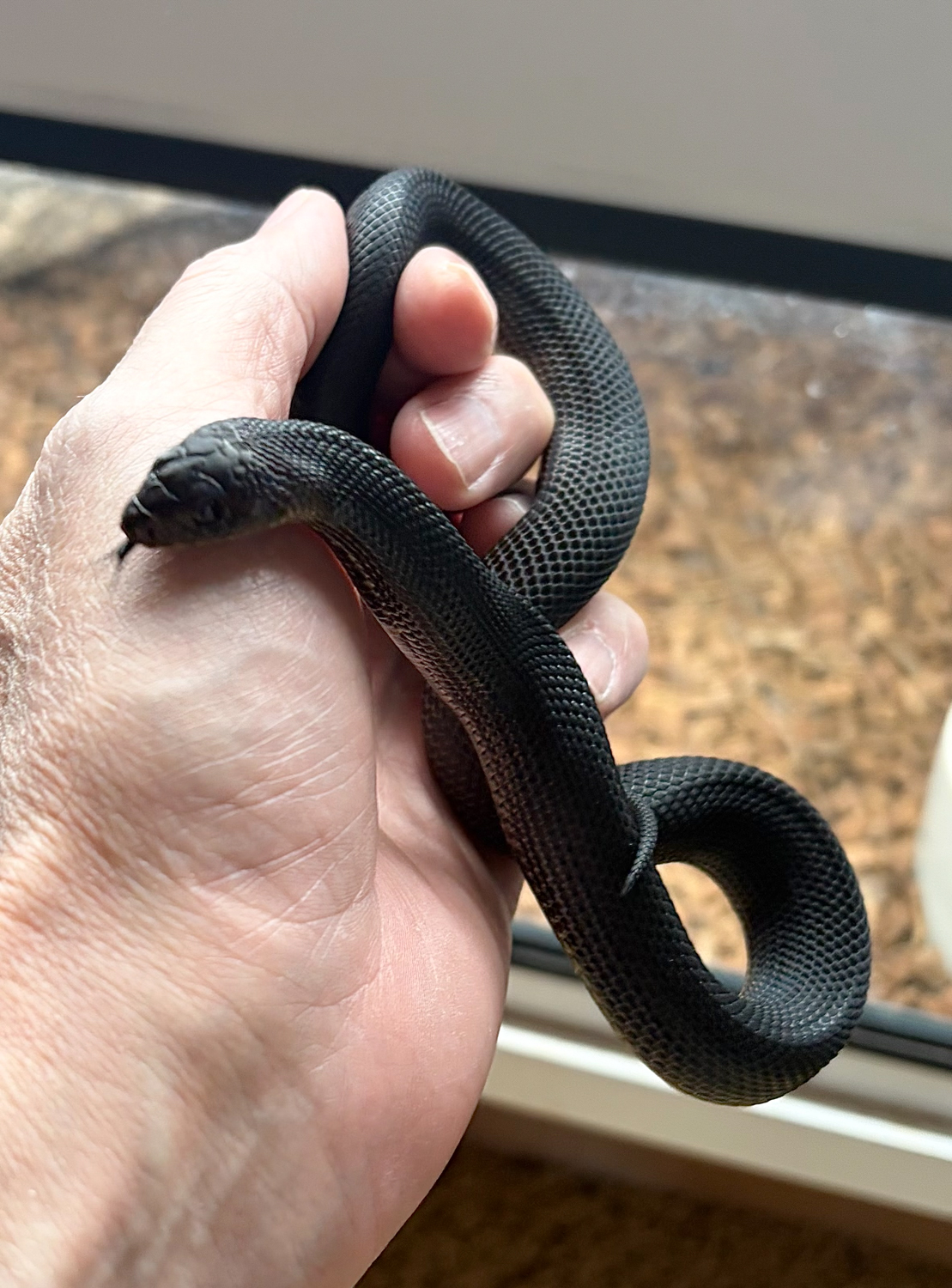 2026 clutch, BKP1M
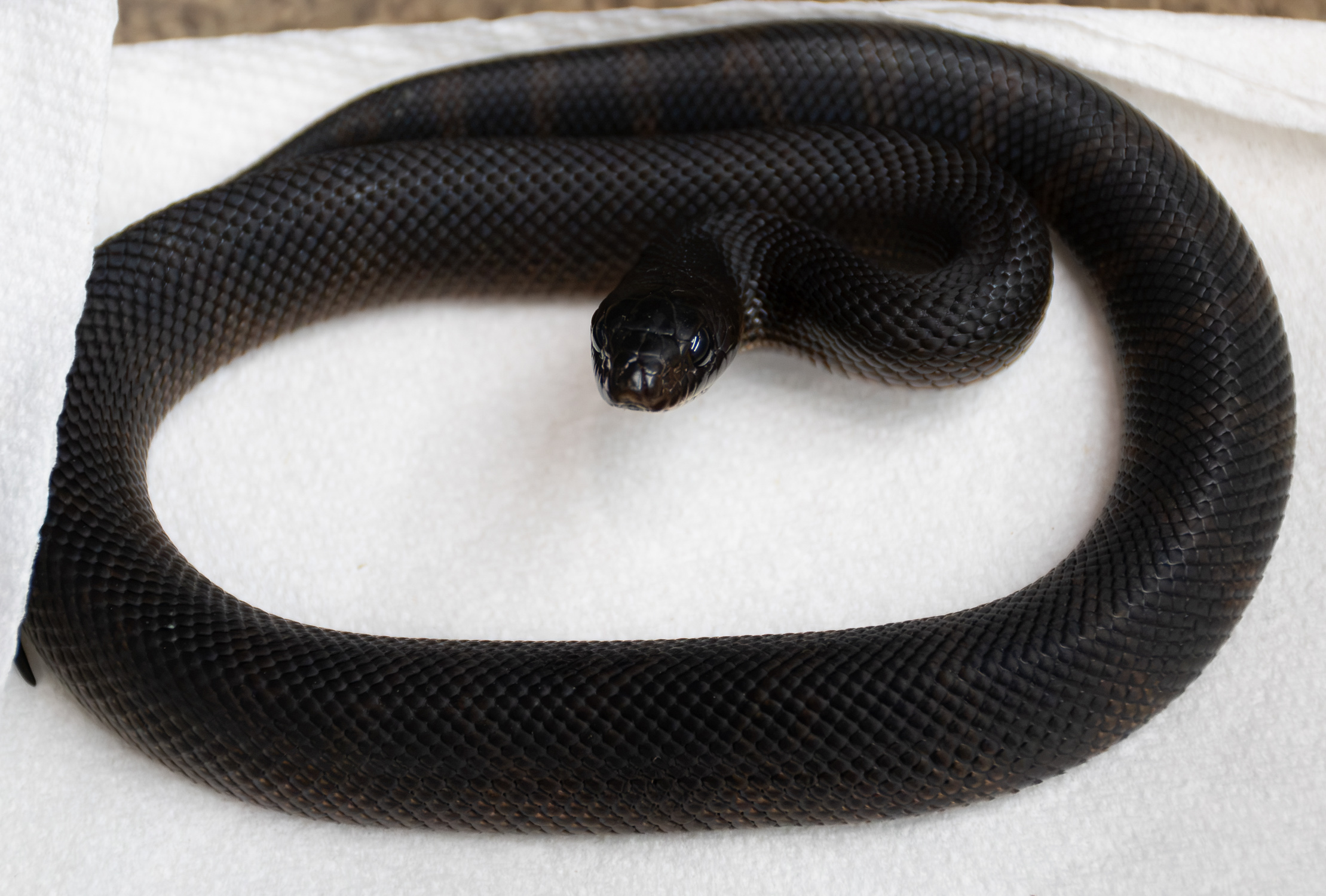 2026 clutch, BKP2F
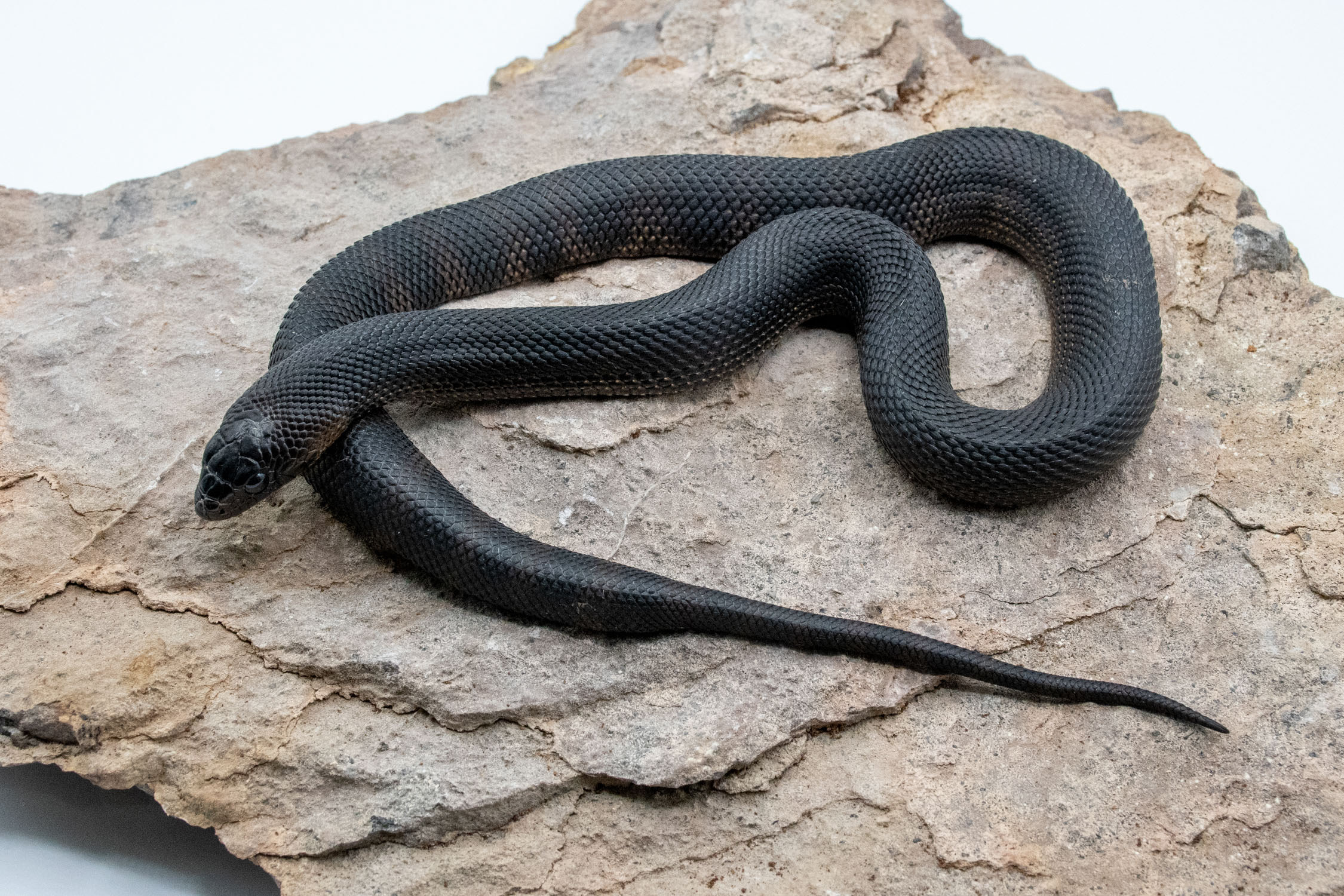 2026 clutch, BKP2F
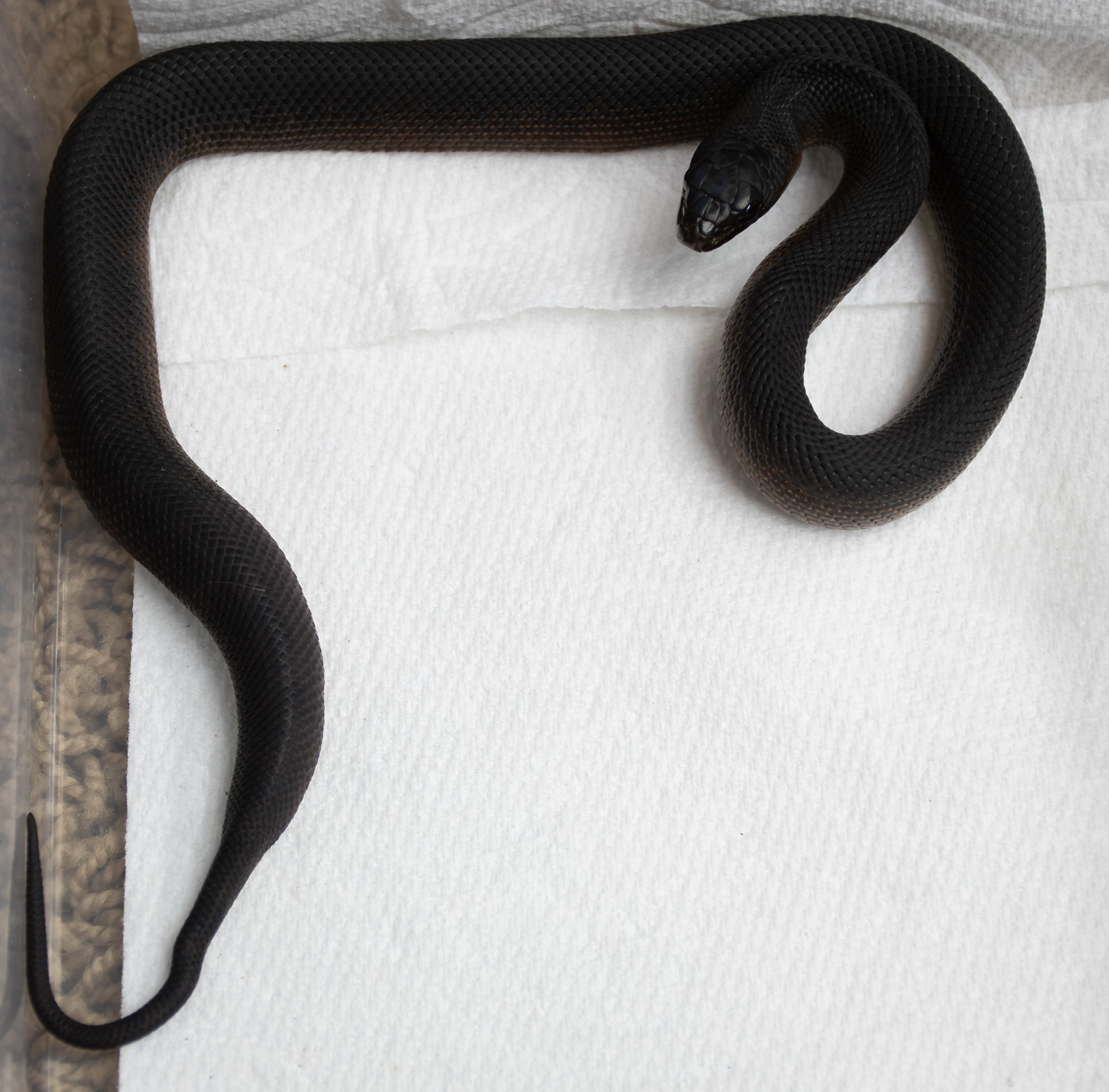 2026 clutch, BKP3F
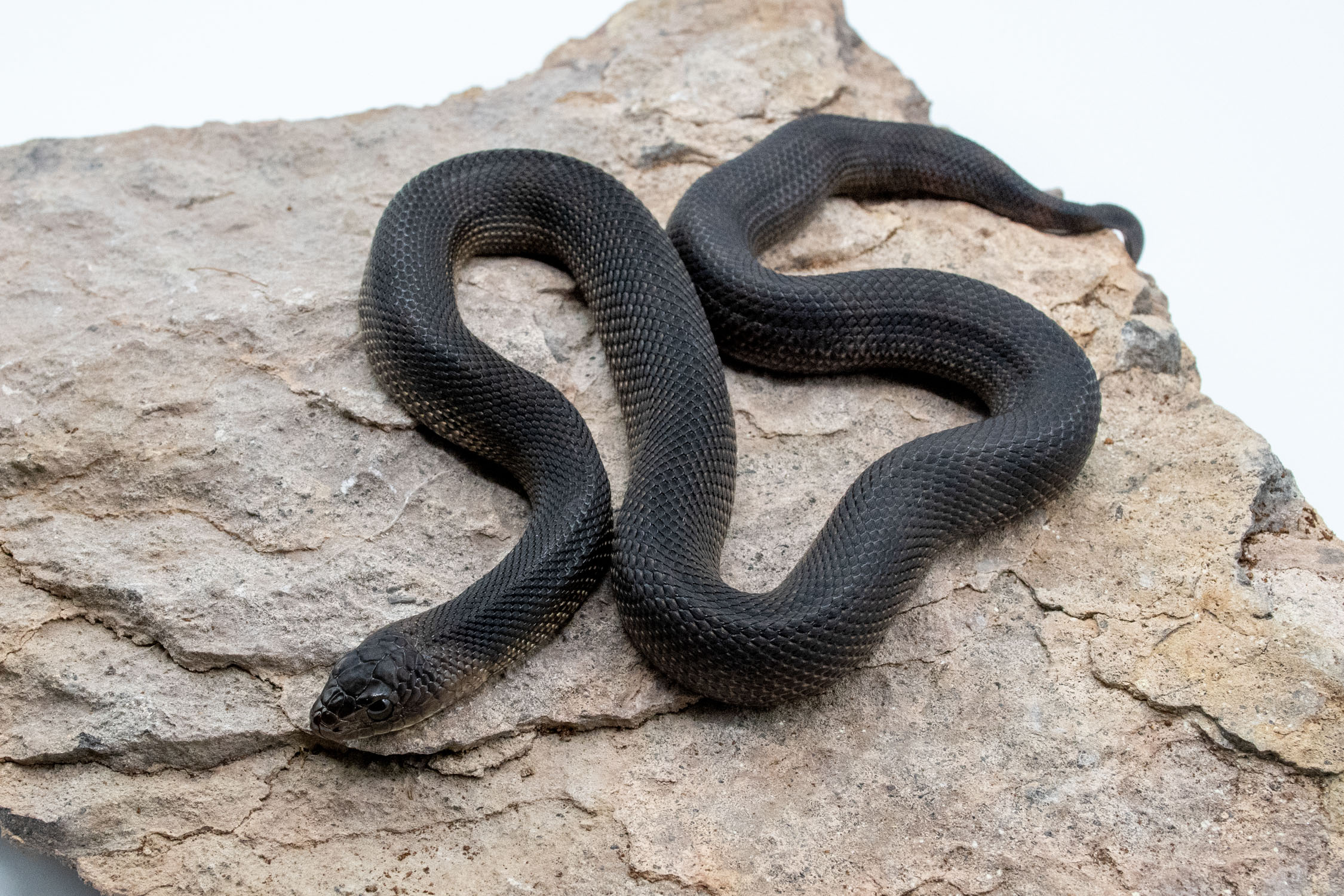 2026 clutch, BKP3F
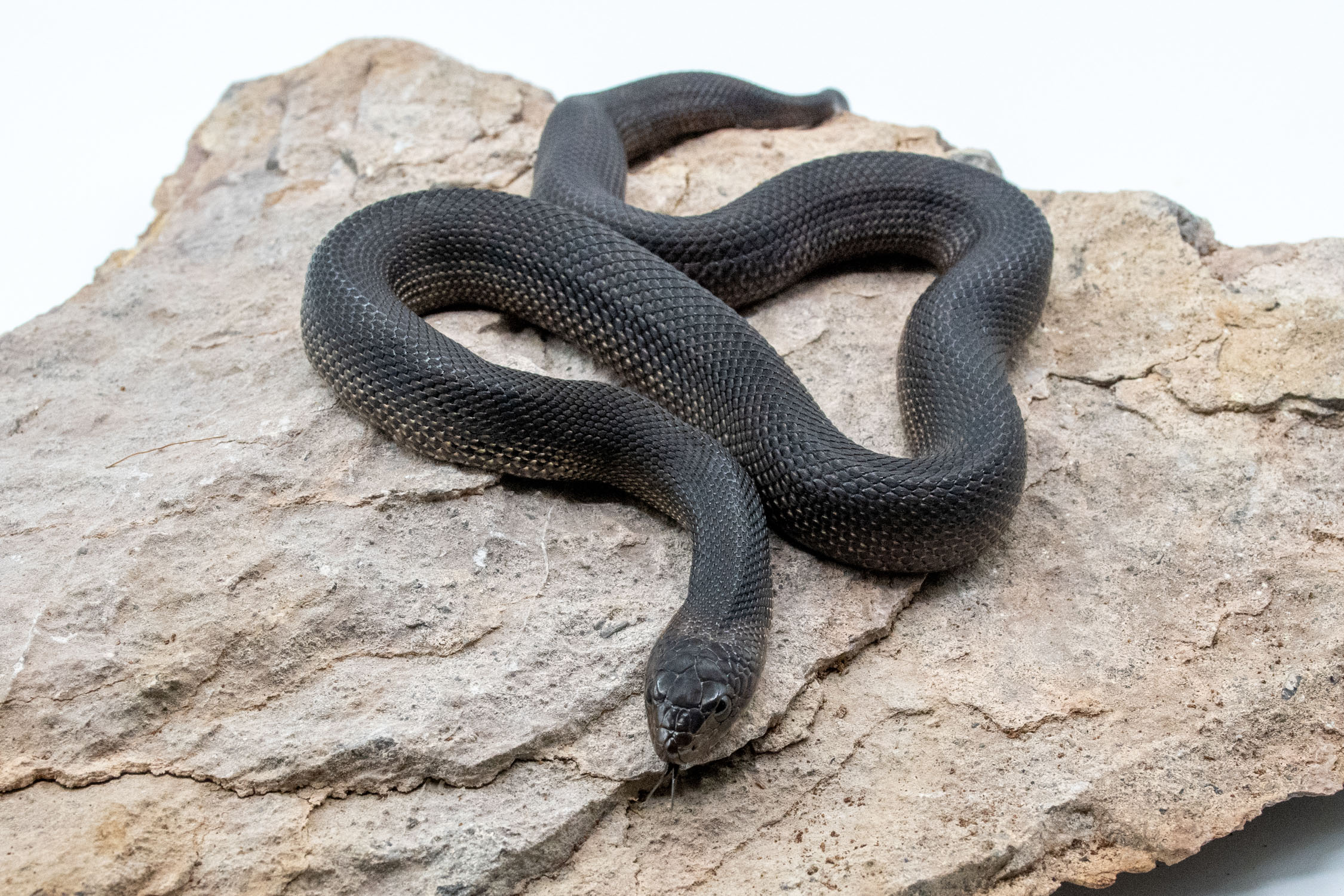 2026 clutch, BKP3F
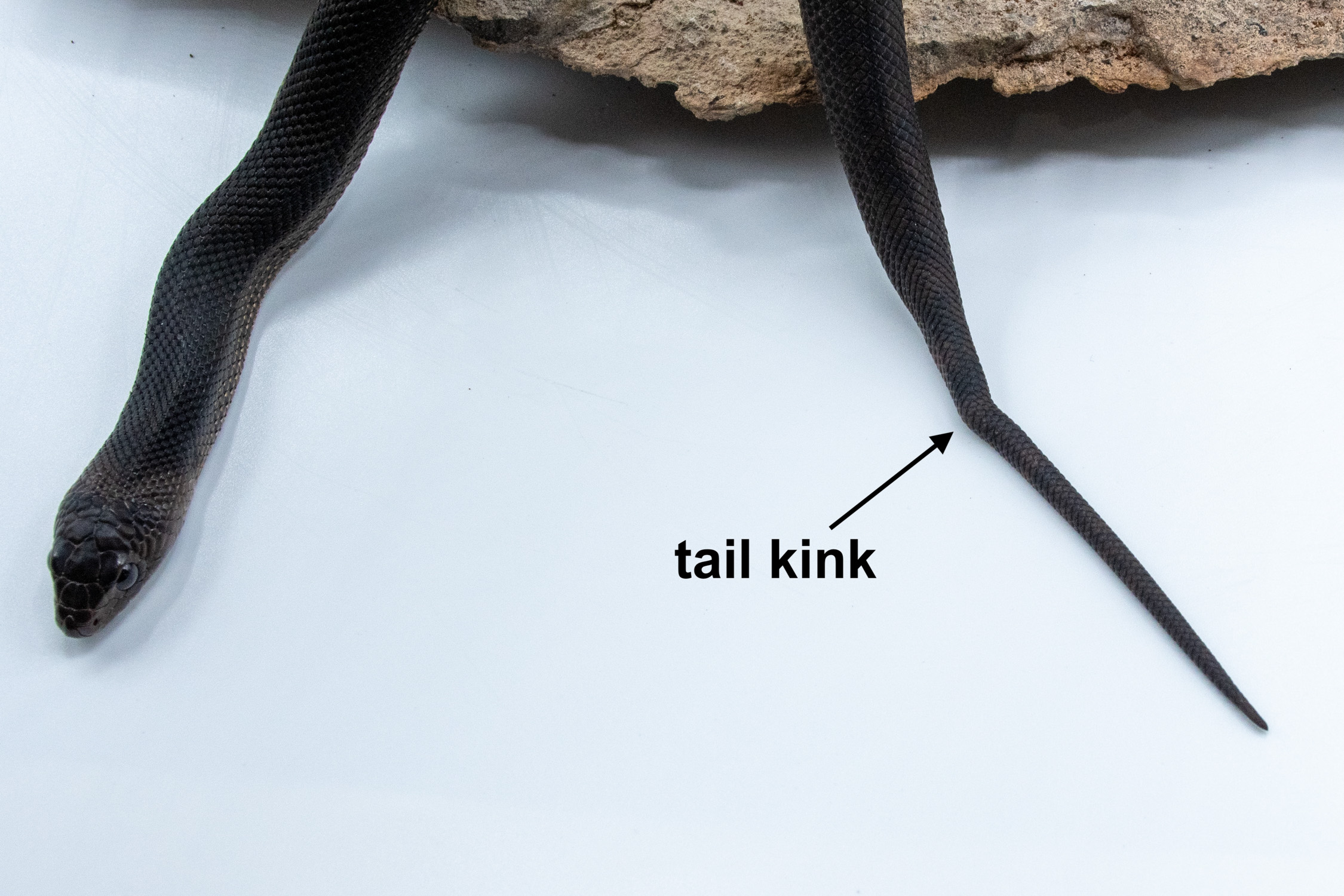 2026 clutch, BKP3F